A refrigerator is one of the most important appliances in any home. It keeps food fresh, drinks cold, and helps prevent waste. But when you notice the fridge is not cooling while the freezer works perfectly, confusion and worry quickly follow. This problem is more common than you might think, and it can affect any brand or model. Understanding why this happens, and how to fix it, can save you money, time, and stress. Let’s explore the causes, solutions, and what to watch out for if your refrigerator isn’t keeping things cold, but your freezer is fine.
How A Refrigerator And Freezer Actually Work
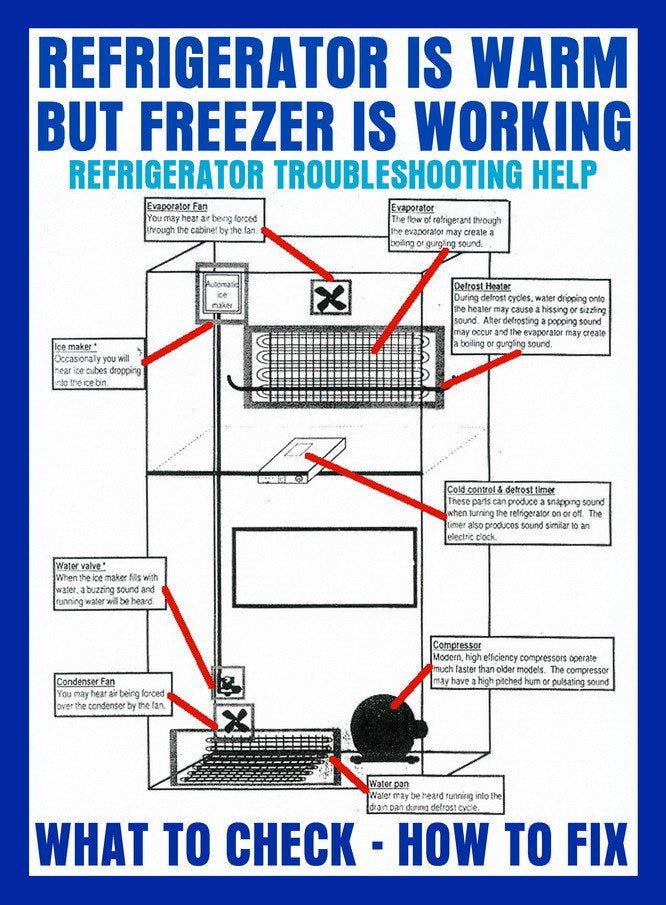
Many people think a refrigerator and freezer are separate systems. In reality, most modern fridges use one cooling system for both compartments. The freezer creates cold air, which is then sent to the fridge section with a fan or vent. This means if the freezer is working but the fridge isn’t, there is usually a problem with air flow, controls, or sensors—not the cooling itself.
Air Flow Is The Key
Cold air from the freezer moves to the fridge through ducts or vents. If something blocks this path or the fan fails, the fridge won’t cool, even though the freezer stays frozen.
Thermostat And Sensors
The thermostat tells the system when to cool each section. If it’s broken or misreading temperatures, the fridge may not get enough cold air. Sensors inside the fridge and freezer help maintain the right temperature.
One Compressor
Most refrigerators have one compressor. This part pumps refrigerant that absorbs heat, making cold air. If the compressor works, the freezer stays cold. But if the fridge’s air path or control system fails, only the freezer benefits.
Main Reasons Why Your Refrigerator Is Not Cooling But Freezer Is Working
Let’s break down the most common causes. Understanding these can help you decide if you can fix the issue yourself, or if you need a professional.
1. Blocked Or Frozen Air Vents
Cold air travels from the freezer to the fridge through vents. If these vents get blocked by ice or food, the fridge won’t cool. Frozen vents usually happen when moist air enters and freezes, especially if you leave the door open too long.
Signs:
- Fridge feels warm, but freezer is cold
- Ice or frost around vent openings
- Water droplets or condensation inside fridge
What To Do:
- Check vents for ice or blockages
- Remove ice with a hairdryer (use caution)
- Rearrange food to avoid blocking air flow
2. Faulty Evaporator Fan
The evaporator fan moves cold air from the freezer to the fridge. If it stops working, the freezer stays cold, but the fridge warms up.
Signs:
- Freezer is working, fridge isn’t
- You hear no fan noise when fridge door is open
- Ice builds up in the freezer
What To Do:
- Listen for the fan when the fridge door is open
- If silent, replace or repair the fan
- Most fans cost $30–$100 to replace
3. Defrost System Problems
Modern fridges have a defrost system to melt ice buildup. If the defrost heater or timer fails, ice can block air flow.
Signs:
- Thick ice in freezer, especially near vents
- Water pooling in fridge or freezer
- Fridge warms up gradually
What To Do:
- Manually defrost by unplugging the fridge for 24 hours
- If problem returns, replace defrost parts
4. Damaged Thermistor Or Thermostat
The thermistor measures temperature in the fridge and sends signals to the control board. If it’s faulty, the fridge may not cool at all.
Signs:
- Fridge stays warm, freezer is cold
- Fridge temperature never changes, no matter the setting
- Error codes on digital display
What To Do:
- Test the thermistor with a multimeter
- Replace if readings are wrong
5. Broken Damper Control
The damper controls how much cold air enters the fridge from the freezer. If it sticks closed, the fridge won’t cool.
Signs:
- Freezer works, fridge is warm
- Damper does not move when fridge needs more cooling
- Damper is stuck or blocked by ice
What To Do:
- Find the damper (usually at the top or side of fridge compartment)
- Check for ice or mechanical failure
- Replace if needed
6. Dirty Or Clogged Condenser Coils
The condenser coils are outside the fridge, usually behind or under it. They release heat. If they are dirty, the cooling system can’t work efficiently.
Signs:
- Fridge and freezer both start to warm, but freezer is slower
- Coils covered in dust or pet hair
- Compressor runs constantly
What To Do:
- Clean coils with a brush or vacuum every 6–12 months
- Avoid using water near electrical parts
7. Control Board Or Electronic Failure
Modern fridges use a control board to manage cooling. If it fails, it can send wrong signals to the fan or damper.
Signs:
- Fridge and freezer act strangely (e.g., lights on but fan off)
- Error codes or flashing lights
- Random temperature changes
What To Do:
- Reset the fridge by unplugging for 10 minutes
- If problem continues, call a technician
How To Diagnose The Issue Yourself
Before calling for help, you can check some parts yourself. Here’s a step-by-step guide to finding the problem.
- Check the vents: Look inside the fridge for vents. Are they blocked by ice or food?
- Listen for the fan: Open the fridge door and listen. Do you hear the evaporator fan running?
- Test the thermostat: Adjust temperature settings. Does anything change after a few hours?
- Inspect the damper: Can you see if the damper is open? Try moving it gently.
- Look for error codes: If your fridge has a display, check for codes and read the manual.
- Clean coils: Pull out the fridge and look at the coils. Are they dirty?
- Manual defrost: Unplug the fridge and let it sit for 24 hours. Does cooling return?
These steps can solve simple issues, like ice blockages or dirty coils. If none of these help, the problem may be electronic or mechanical.
Data: How Often Does This Problem Happen?
According to appliance repair data, about 25–35% of refrigerator service calls are for cooling issues where the freezer works but the fridge does not. This is especially common with side-by-side and top-freezer models.
Here’s a comparison of how often this issue affects different fridge types:
| Fridge Type | % Cooling Issues (Fridge Only) | Common Cause |
|---|---|---|
| Top-Freezer | 31% | Blocked vents, fan failure |
| Side-by-Side | 28% | Damper problems, control board |
| Bottom-Freezer | 19% | Defrost system |
| French Door | 12% | Electronic control |
This data shows top-freezer models are most likely to have this problem.
Repairs: How Much Will It Cost?
Repair costs depend on the cause. Some fixes are easy and cheap; others require professional help.
| Problem | DIY Cost | Pro Repair Cost |
|---|---|---|
| Blocked vents | $0–$20 | $80–$150 |
| Evaporator fan | $30–$100 | $120–$300 |
| Defrost system | $40–$90 | $150–$350 |
| Damper control | $30–$80 | $110–$250 |
| Control board | $60–$200 | $200–$500 |
Many repairs are cheaper if you do them yourself, but electronics and control boards often need a technician.
When Should You Call A Professional?
Some problems are easy to fix, but others require expert help. Here’s when you should call a pro:
- If you see error codes or flashing lights
- If the fan, damper, or control board need replacing
- If you have tried manual defrost but the problem returns
- If you smell burning or see sparks
- If you aren’t confident working with electrical parts
Professional technicians have tools and experience. They can diagnose issues quickly and safely.
Credit: medium.com
Common Mistakes When Trying To Fix The Problem
Many people try to fix their fridge on their own, but make mistakes that can make things worse. Avoid these errors:
- Using sharp objects to remove ice: This can damage vents or wiring.
- Not unplugging the fridge: Always unplug before working inside.
- Ignoring error codes: These codes help you find the problem.
- Changing settings too quickly: Wait several hours after each change.
- Forgetting to clean coils: Dirty coils cause many cooling issues.
- Blocking air vents with food: Keep vents clear for proper air flow.
A simple mistake can lead to bigger repairs. Take your time and follow safe steps.
How To Prevent Future Cooling Problems
You can avoid most cooling problems with regular care. Here are some practical tips:
- Keep vents clear: Don’t pack food tightly near vents.
- Clean coils: Do this every 6–12 months.
- Check door seals: Replace if they are cracked or loose.
- Don’t leave doors open: This lets moist air in, which freezes vents.
- Defrost regularly: If your model does not self-defrost, unplug and defrost once a year.
- Set proper temperatures: Keep fridge at 37°F (3°C) and freezer at 0°F (-18°C).
These steps help your fridge last longer and work better.

Credit: www.youtube.com
Non-obvious Insights Most People Miss
Most guides focus on big repairs, but there are less obvious causes:
- Humidity in the kitchen: If your kitchen is humid, more moisture enters the fridge and freezes in vents. Try to keep humidity low.
- Power fluctuations: If your home has unstable power, the control board can act up. A simple surge protector may help.
- After a power outage: Sometimes, the fridge resets and only the freezer works. Unplugging for 10 minutes can solve this.
- Wrong replacement parts: Using generic parts instead of model-specific can cause problems, especially with fans and dampers.
These issues are often missed by beginners, but can make a big difference.
Comparing Popular Refrigerator Brands
Some brands are more likely to have this problem than others. Here’s a comparison of three popular brands:
| Brand | Average Cooling Issue Rate | Common Weakness |
|---|---|---|
| Samsung | 16% | Electronic control failures |
| Whirlpool | 12% | Fan motor issues |
| LG | 13% | Defrost system errors |
This information is useful if you are buying a new fridge or comparing models.
How To Choose A Reliable Refrigerator
If your fridge keeps having cooling issues, you may want to buy a new one. Here’s what to look for:
- Reliable brand: Check user reviews for cooling issues.
- Simple controls: Fewer electronics means fewer failures.
- Easy access to coils and fans: Makes cleaning and repairs easier.
- Good warranty: Covers parts and labor for at least two years.
Avoid models with complex electronics unless you need smart features. Simpler models often last longer.
What If Your Food Spoils?
If your fridge stops cooling and food spoils, you may lose money. On average, a household can lose $50–$200 worth of food in one incident. Check your homeowner’s insurance; some policies cover food loss after appliance failure.
What To Do When Food Spoils
- Throw away spoiled food: Don’t risk eating it.
- Clean the fridge thoroughly: Remove all shelves and wipe with warm water and soap.
- Check for mold: Clean with vinegar if needed.
- Restock slowly: Don’t overload the fridge at once.
Environmental Impact Of A Broken Fridge
When your fridge stops cooling, it uses more energy as it tries to maintain temperature. This increases your electricity bill and carbon footprint. A fridge in poor condition can use 15–30% more energy. Keeping your fridge well-maintained is good for the environment and your wallet.
Frequently Asked Questions
Why Does The Freezer Stay Cold But The Fridge Is Warm?
This usually happens because cold air isn’t reaching the fridge. The freezer makes cold air, but something blocks it from entering the fridge. Common causes are blocked vents, fan failure, or damper problems.
Can I Fix The Problem Myself?
Yes, you can fix some issues yourself, like removing ice from vents, cleaning coils, or resetting the fridge. But problems with the fan, damper, or control board often need a professional.
How Long Will Food Stay Safe In A Warm Fridge?
Food in a fridge that isn’t cooling can spoil within 2–4 hours. If the freezer still works, move perishable items there temporarily. Always check food for signs of spoilage before eating.
Is It Cheaper To Repair Or Replace My Fridge?
Repairing simple issues is usually cheaper. But if your fridge is over 10 years old, or repairs cost more than half the price of a new fridge, it’s better to replace it. New models are more energy-efficient.
What Should I Do If My Fridge Keeps Having Cooling Problems?
If your fridge has repeated cooling issues, check for common causes like blocked vents, dirty coils, or faulty controls. If problems return after repairs, consider buying a new fridge with a better warranty and simpler design.
The problem of a refrigerator not cooling while the freezer works is frustrating, but not impossible to solve. Most issues are related to airflow, sensors, or controls, and can be fixed with careful checks and simple repairs. Regular maintenance prevents many problems. If you need help, don’t hesitate to call a professional. For more technical details, you can check this Wikipedia article on refrigerators. Keeping your fridge in good shape protects your food, saves energy, and keeps your kitchen running smoothly.

Credit: www.dependableservices.com