Why Is My Toaster Oven Not Heating Up?
A toaster oven is a handy kitchen tool for quick meals, baking small batches, or toasting bread. But what happens when your toaster oven stops heating up? Suddenly, your toast stays pale and your pizza cold. This can be frustrating, especially if you rely on your toaster oven daily. Understanding the reasons behind this issue can help you decide what to do next—whether that’s a simple fix or time for a replacement.
In this guide, you’ll discover the main causes of a toaster oven not heating, how to check each one, and what you can do to fix it. You’ll also learn about common mistakes, parts that fail most often, and when it’s better to call a professional.
If you want to bring your toaster oven back to life, or just want to know more before buying a new one, read on.
Main Reasons A Toaster Oven Stops Heating
When a toaster oven does not heat up, it’s usually caused by a few key issues. Here are the most common reasons:
1. Burned-out Heating Element
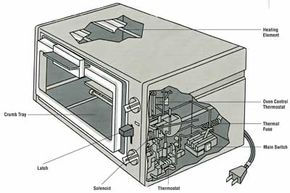
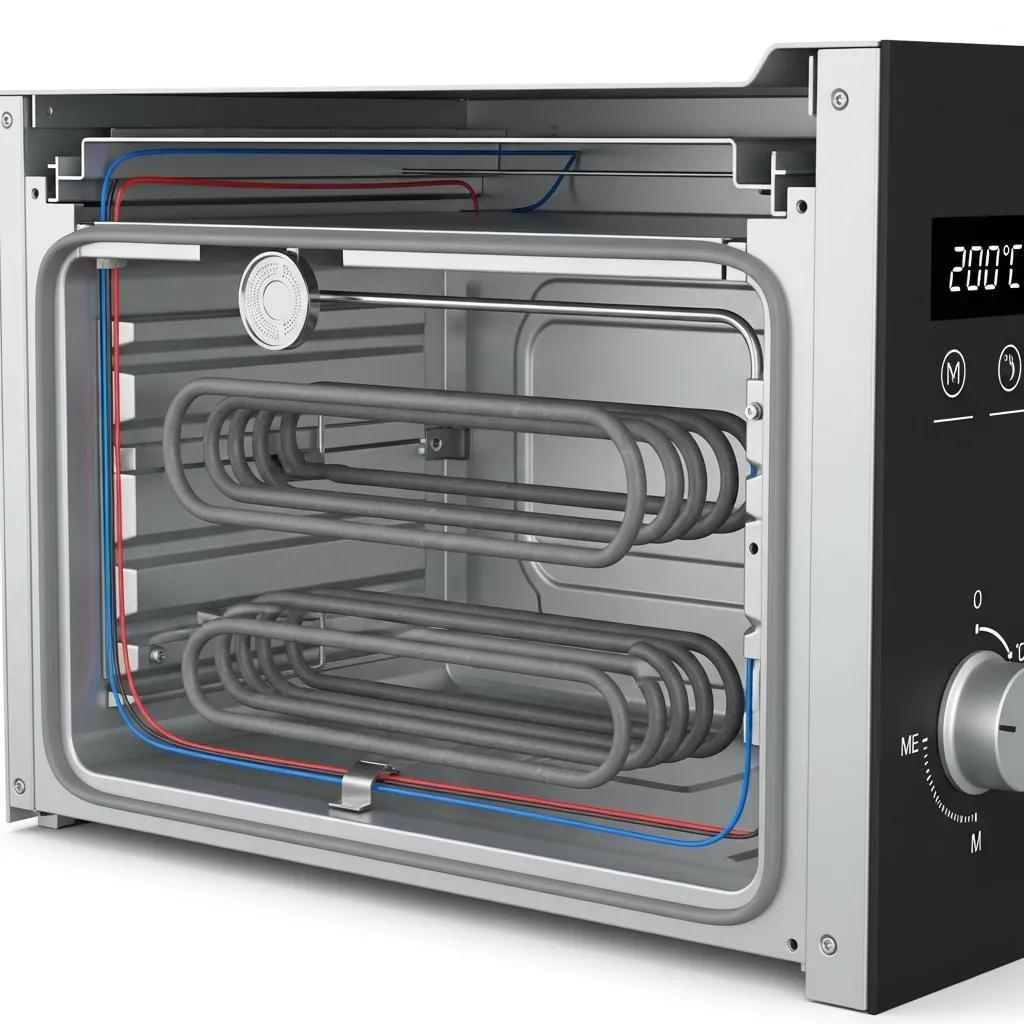
The heating element is the part that glows red and gives off heat. Over time, these elements can burn out, especially with frequent use. Signs of a bad element include no visible glow during operation, or only one part heating while the rest stays cold.
2. Faulty Power Connection
If your toaster oven isn’t getting power, it can’t heat. Sometimes, the plug is loose, the outlet is dead, or the power cord is damaged. Try plugging another device into the same outlet to check.
3. Broken Thermostat
The thermostat controls the oven’s temperature. If it fails, your oven may not heat at all, or may heat unevenly. You might notice the oven staying cold, or it turning off before reaching the desired temperature.
4. Blown Fuse
Most toaster ovens have a fuse inside for safety. If there’s a power surge or overheating, this fuse can blow. With a blown fuse, the oven may light up but not heat, or it may do nothing at all.
5. Malfunctioning Timer Or Control Board
Modern toaster ovens often use electronic control boards. If these fail, the oven may not receive the signal to start heating. Mechanical timers can also break, stopping the oven from working.
6. Door Not Fully Closed
Some ovens have safety switches that stop heating when the door is open or not closed tightly. Even a small misalignment can trigger this safety feature.
7. Dirty Or Blocked Components
Crumbs, grease, or other debris can block airflow or insulate the elements. This can cause uneven or no heating. Regular cleaning can prevent this issue.
8. User Error Or Incorrect Settings
It’s easy to accidentally set the oven to “toast” instead of “bake,” or set the temperature too low. Double-check your settings before assuming something is broken.
How To Troubleshoot Your Toaster Oven
Before you call for help or buy a new oven, you can check several things yourself. Follow these practical steps to find the problem:
Step 1: Check The Power Source
- Plug another small appliance (like a lamp) into the same outlet.
- If it works, the outlet is fine.
- If not, try a different outlet or reset your circuit breaker.
Step 2: Inspect The Power Cord
- Look for cuts, fraying, or burnt spots on the cord.
- If you see damage, do not use the oven until the cord is replaced.
Step 3: Test The Door
- Open and close the door firmly.
- Make sure nothing is blocking it.
- Listen for a “click” indicating the safety switch is engaged.
Step 4: Examine The Heating Elements
- Set the oven to the highest temperature and turn it on.
- Watch for a red glow after a few minutes.
- If only part of the element glows, or none at all, the element may be burned out.
Step 5: Check The Controls And Settings
- Set the oven to “bake” or “broil” and make sure the timer is running.
- Some ovens won’t heat if the timer isn’t set.
- Make sure you haven’t accidentally set it to “off” or “keep warm.”
Step 6: Look For Blown Fuses (if Accessible)
- Unplug the oven and remove the back panel (if you’re comfortable and it’s safe).
- Look for a small glass or ceramic fuse.
- If the fuse looks blackened or broken, it needs replacing.
> Safety tip: If you’re unsure about opening the oven, consult a professional. High voltage is dangerous even when unplugged.

Credit: www.youtube.com
Toaster Oven Parts Most Likely To Fail
Not all parts of a toaster oven are equally likely to fail. Some wear out much faster due to heat or frequent use.
| Part | Failure Rate | Replacement Cost |
|---|---|---|
| Heating Element | High | $15–$40 |
| Power Cord | Medium | $10–$25 |
| Thermostat | Medium | $20–$50 |
| Fuse | Medium | $5–$10 |
| Control Board | Low | $30–$100+ |
As you can see, heating elements fail most often and are usually affordable to replace if you can find the right part.
When To Repair Vs. Replace Your Toaster Oven
If your toaster oven is not heating, should you fix it or get a new one? It depends on several factors:
| Situation | Repair | Replace |
|---|---|---|
| Oven is under warranty | ✔️ | |
| Simple fix (fuse, cord, cleaning) | ✔️ | |
| Heating element or thermostat broken | Maybe | Maybe |
| Control board or timer failed | ✔️ | |
| Oven is old (5+ years) | ✔️ | |
| Replacement part not available | ✔️ |
If your oven is new or still under warranty, contact the manufacturer. For simple issues like a fuse or cord, repairs are usually worth it. If the control board fails or the oven is very old, replacement is often smarter.
Credit: home.howstuffworks.com
Common Mistakes When Troubleshooting
Many people waste time or money because of these common mistakes:
- Not checking the power source first. Sometimes, it’s just a tripped breaker or faulty outlet.
- Ignoring the settings. Accidentally setting the oven to the wrong mode is more common than you might think.
- Trying to repair advanced parts without experience. Opening the oven can be dangerous.
- Using the wrong replacement parts. Not all heating elements or fuses are the same—check your model carefully.
- Forgetting to clean the oven. Built-up grease can cause heating issues and even fires.
How To Prevent Heating Problems
Regular maintenance can keep your toaster oven working longer. Here’s how:
- Clean after every use. Wipe away crumbs and grease.
- Check the cord monthly for signs of wear.
- Don’t overload the oven with food or pans that block airflow.
- Use the right settings for each cooking job.
- Let the oven cool down before cleaning or moving it.
By following these simple steps, you can avoid many common problems that stop a toaster oven from heating.
Credit: www.expertapplianceinc.com
Signs It’s Time For A New Toaster Oven
Sometimes, the best answer is to get a new toaster oven. Watch for these signs:
- The oven takes much longer to heat up than before.
- You see sparks, smell burning, or the oven shuts off randomly.
- Multiple parts have failed over time.
- The model is old and replacement parts are hard to find.
- The cost to repair is more than half the price of a new oven.
Modern toaster ovens often use less energy and have better safety features. If you’re upgrading, look for features like convection heating, digital controls, and removable crumb trays for easier cleaning.
Non-obvious Insights Most Beginners Miss
Many people overlook these points:
- Voltage and wattage matter: If you move to a different country or plug your oven into an extension cord, check that the voltage matches. Using the wrong voltage can damage the oven or cause heating problems.
- Small cracks in the heating element: Sometimes, the element looks fine but has tiny cracks that stop it from working. A continuity test with a multimeter (if you know how to use one) can reveal hidden faults.
- Thermostat calibration: Some ovens have adjustable thermostats. If your oven always undercooks food, it might just need calibration—not a new part.
When To Call A Professional
If you’ve checked the basics and the oven still doesn’t heat, or you smell burning plastic or see smoke, stop using it immediately. Some repairs, especially involving electrical components, are best left to a qualified technician. Attempting risky repairs without knowledge can lead to electric shock or fire.
You can find official repair information or contact the manufacturer for help. For more guidance, the U.S. Consumer Product Safety Commission has resources on appliance safety and recalls (CPSC Appliance Safety).
Frequently Asked Questions
Why Does My Toaster Oven Turn On But Not Heat?
This usually means the heating element or internal fuse has failed. The lights or display may still work, but no heat is produced. Check the element for visible damage and the fuse if you can access it.
Is It Safe To Repair A Toaster Oven At Home?
Simple fixes like cleaning, changing settings, or replacing the power cord are usually safe. For anything involving the internal wiring or heating element, only attempt repairs if you have experience. Otherwise, call a professional.
How Do I Know If The Heating Element Is Bad?
Set the oven to the highest setting and look for a red glow. If there’s no glow or only part of the element heats, it’s likely burned out. You can also check with a multimeter for continuity.
Can A Dirty Toaster Oven Cause Heating Problems?
Yes. Crumbs and grease can block the heating element or airflow, causing uneven heating or even shutting off the oven. Clean your oven regularly for best results.
What Is The Average Life Span Of A Toaster Oven?
Most toaster ovens last 3 to 5 years with regular use and good maintenance. Heavy use or lack of cleaning can shorten this time.
A toaster oven not heating up can be annoying, but with the right checks and a little care, you can often fix the problem or know when it’s time for a new one. Regular cleaning, checking settings, and using the oven as intended will keep it working for years to come.