Skip to content
Dust is everywhere. It floats in the air, settles on shelves, and makes cleaning feel endless. For people with allergies or asthma, dust can cause sneezing, itchy eyes, and trouble breathing. Even if you just want a cleaner home, dust is a stubborn enemy. Many people wonder: Would an air purifier help with dust? The answer is not just a simple yes or no. To really understand, you need to know how dust moves, how air purifiers work, and what to expect before you buy one.
What Is Dust Made Of?
Dust is more than just dirt. In a typical home, dust is a mix of:
- Dead skin cells
- Fabric fibers
- Pollen
- Pet dander
- Dust mites and their droppings
- Soil and plant particles
- Tiny bits of plastic and paint
These particles range in size from visible flakes to microscopic specks. The smaller the particle, the longer it stays in the air. Some can float for hours before settling.
How Does Dust Move Around Your Home?
Dust does not just sit still. Every time you walk, vacuum, or open a window, dust stirs up. Heating and cooling systems move dust through vents. Pets and people carry particles from room to room. Even new furniture releases particles called volatile organic compounds (VOCs) into the air.
This means even a clean home has dust in the air. Some dust quickly falls to the floor, but the tiniest particles can stay airborne for a long time. These are the ones that air purifiers can target.
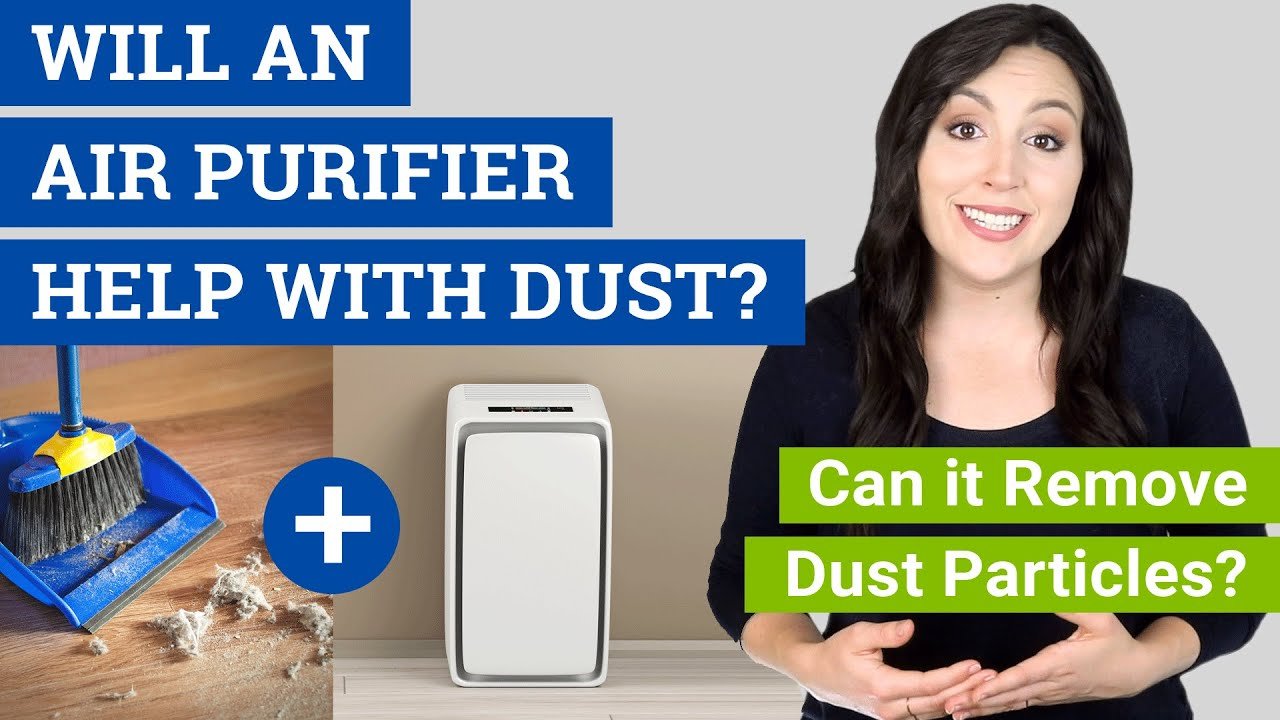
Credit: www.youtube.com
How Do Air Purifiers Work?
Air purifiers pull air through a series of filters. Most use a fan to suck in air, pass it through a filter, and release cleaner air back into the room. The most common filter for dust is the HEPA filter (High-Efficiency Particulate Air).
A HEPA filter can trap 99.97% of particles as small as 0.3 microns. For comparison, a human hair is about 70 microns wide. This means HEPA filters catch most dust, pollen, mold spores, and even some bacteria.
Some air purifiers use extra filters, like:
- Activated carbon for odors and gases
- Pre-filters to catch larger particles and extend HEPA filter life
- UV lights or ionizers (these are less effective for dust and sometimes release ozone, which can irritate lungs)
Air Purifiers Vs. Dust: What Can You Expect?
An air purifier can reduce the amount of dust in the air. This means less dust lands on surfaces, and you might notice less sneezing or coughing. But there are limits.
What Air Purifiers Do Well
- Trap airborne dust: HEPA filters are excellent at catching dust before it lands.
- Reduce allergy symptoms: Less dust means fewer triggers for people with allergies or asthma.
- Slow down dust buildup: You may see less dust on shelves and floors, but not zero dust.
What Air Purifiers Cannot Do
- Remove settled dust: Once dust lands on a surface, the purifier can’t pick it up.
- Clean your whole house at once: Most air purifiers work best in a single room. Open doors and windows let new dust in.
- Replace cleaning: You still need to vacuum and wipe down surfaces.
Comparing Air Purifier Types For Dust Control
Not all air purifiers are equal. Here’s a quick look at the main types and how they handle dust:
| Type | Best For | Limitations |
|---|---|---|
| HEPA Filter | Airborne dust, pollen, pet dander | Needs regular filter changes; does not handle gases |
| Ionic Purifier | Some fine particles | May create ozone; less effective for dust |
| Carbon Filter | Odors, VOCs | Not for dust; pairs well with HEPA |
If your main goal is dust, a true HEPA air purifier is your best choice.
How Effective Are Air Purifiers For Dust? (with Data)
Scientific studies show that air purifiers can make a real difference. In one study, using a HEPA air purifier in a bedroom reduced airborne dust particles by 50–60% within a few hours. People with dust mite allergies reported fewer symptoms after a week of use.
A 2020 review in the *International Journal of Environmental Research and Public Health* found that air purifiers improve indoor air for allergy and asthma sufferers. But they also noted that results depend on:
- Filter type (HEPA is best for dust)
- Room size vs. purifier size
- How well the room is sealed
Here’s a comparison of HEPA purifier effectiveness in different room sizes:
| Room Size | Purifier CADR* | Dust Reduction |
|---|---|---|
| Small (150 sq ft) | 100–150 cfm | Up to 60% |
| Medium (300 sq ft) | 200–250 cfm | 50–55% |
| Large (500+ sq ft) | 300+ cfm | 40–50% |
*CADR = Clean Air Delivery Rate, measured in cubic feet per minute.
:max_bytes(150000):strip_icc()/GettyImages-1437264927-ddde19bc9adf470e9a21563cb3e31d15.jpg)
Credit: www.thespruce.com
Where Should You Place An Air Purifier For Dust?
Placement matters. For best results:
- Put the purifier in the room where you spend most time (like the bedroom or living room).
- Keep it away from walls and corners—give it space to pull in air.
- Close windows and doors when running the purifier, or dust will keep coming in.
- If you have pets, consider placing one near their favorite spots.
Pro tip: Dust is heaviest near the floor, so some people use a small fan to help move air toward the purifier. Just don’t point the fan at a dusty surface, or you’ll kick up more particles.
How To Choose An Air Purifier For Dust
Not every purifier is worth your money. Look for these key features:
- True HEPA filter: Avoid “HEPA-like” or “HEPA-type”—these are not as effective.
- CADR rating: Check the dust CADR; higher is better for larger rooms.
- Room size coverage: Match the purifier’s rating to your space.
- Filter change indicator: Dust clogs filters, so reminders help.
- Noise level: Some purifiers are loud on high settings. Look for a quiet option if you’ll use it at night.
Here’s a quick comparison of features to check:
| Feature | Why It Matters | What to Look For |
|---|---|---|
| HEPA Filter | Catches tiny dust particles | “True HEPA” label |
| CADR (Dust) | Shows cleaning power | CADR of 2/3 room size in sq ft |
| Pre-filter | Traps large dust, extends HEPA life | Washable or replaceable pre-filter |
Common Mistakes When Using Air Purifiers For Dust
Many people buy an air purifier and feel disappointed because they make simple mistakes:
- Wrong size: A small purifier in a big room won’t help much.
- Dirty filters: Clogged filters can’t trap dust—change or wash them as recommended.
- Poor placement: Hiding the purifier in a corner reduces its effect.
- Ignoring other sources: If you don’t vacuum, dust will build up no matter what.
A less obvious mistake: running the purifier on low speed all the time. For heavy dust, start on the highest setting for a few hours, then drop to a quieter mode.
Non-obvious Insights For Dust Control
- Air movement matters: Still air lets dust settle. Purifiers with strong fans or using a ceiling fan (on low) can help keep dust floating until it’s trapped.
- Humidity affects dust: Dry air makes dust float longer. Keeping humidity at 40–50% can help dust settle, making it easier to catch with a purifier or clean up.
Do Air Purifiers Help With Dust Mites?
Many people ask if air purifiers remove dust mites. The answer is: not directly. Dust mites live in bedding, carpets, and furniture. An air purifier can trap their droppings and dead mites that become airborne, which helps with allergies. But to get rid of the mites themselves, you still need to wash bedding, vacuum, and keep humidity low.
What Else Helps Reduce Dust?
Air purifiers are just one tool. Combine them with these strategies:
- Vacuum with a HEPA-filter vacuum weekly
- Use damp cloths to wipe surfaces—dry dusters just move particles around
- Wash bedding in hot water every week
- Minimize clutter that collects dust
- Change HVAC filters often
This multi-step approach gives the best results.
Are Air Purifiers Worth It For Dust?
If dust triggers your allergies or makes cleaning hard, a good air purifier can make a real difference. You’ll likely notice less sneezing, fewer dust bunnies, and slower dust buildup on shelves. But remember, no purifier can eliminate all dust—you’ll still need to clean.
For most people, the biggest benefit is less irritation from airborne dust, especially in bedrooms.
If you want more technical details, the US Environmental Protection Agency has a helpful guide on air cleaners and dust: EPA Air Cleaners Guide.
Frequently Asked Questions
How Often Should I Run My Air Purifier To Control Dust?
For best results, run your air purifier 24/7. Dust is always entering your home, so turning off the purifier lets it build up again. Most purifiers are designed for continuous use. If noise is a problem at night, set it to a lower speed.
Do Air Purifiers Remove All Dust In A Room?
No air purifier can remove every speck of dust. They are best at trapping airborne dust. Dust that settles on floors, shelves, or bedding must still be cleaned by hand. Using a purifier reduces new dust landing, but not all of it.
Will A Cheap Air Purifier Work For Dust?
Some budget models help, but check for a true HEPA filter. Many cheap purifiers use lower-quality filters that miss fine dust. A small, true HEPA purifier in a small room is better than a large, weak model.
Are Air Purifiers Safe To Use Around Pets And Children?
Yes, most HEPA air purifiers are safe for pets and children. Avoid models that use ozone or strong ionizers, as ozone can irritate lungs. Always check manufacturer guidelines.
Can I Use An Air Purifier With Windows Open?
You can, but it’s less effective. Open windows let more dust in, so the purifier works harder. For best dust control, keep windows closed while running the purifier.
Choosing the right air purifier can turn a dusty home into a more comfortable space. Combined with smart cleaning and good habits, it’s a powerful tool against dust—helping you breathe easier and enjoy a cleaner home every day.

Credit: www.reddit.com