Skip to content
Keeping a bread machine clean is more than just a chore—it’s key to making fresh, tasty bread every time. A dirty bread maker can cause bad smells, poor bread texture, and even damage the machine over time. Most people rinse out the pan or brush away crumbs, but that’s not enough.
Proper cleaning prevents mold, extends the life of your machine, and keeps your bread safe to eat. If you’re unsure how to clean a bread machine properly, this guide will walk you through each step, highlight common mistakes, and explain why details matter.
Understanding Your Bread Machine
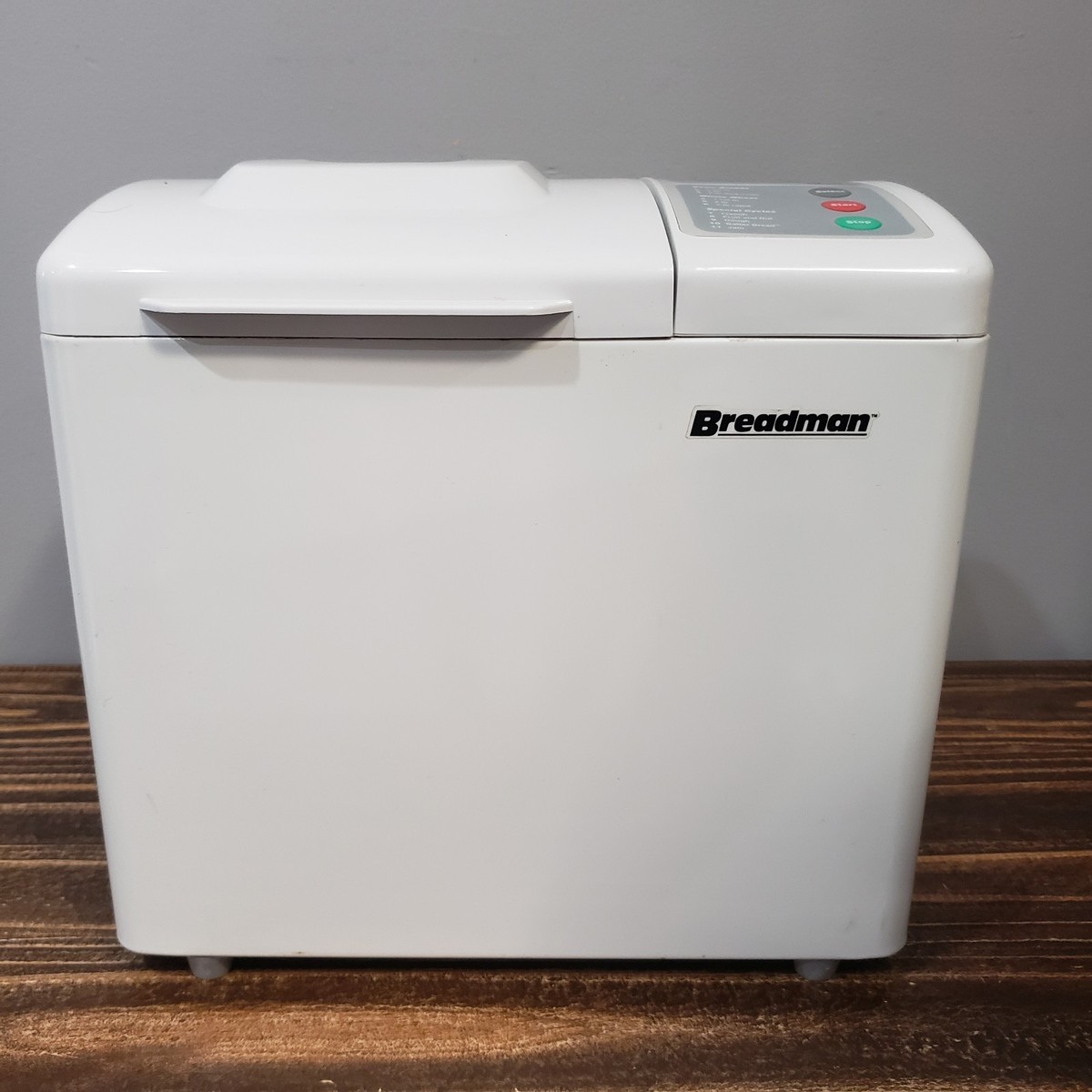
Before you start cleaning, it’s important to know the main parts of a bread machine. Most machines have:
- Bread pan (removable)
- Kneading paddles
- Heating element
- Lid (sometimes removable)
- Exterior casing
- Control panel
Each part needs different cleaning care. For example, the bread pan usually has a non-stick coating, so harsh scrubbing can damage it. The heating element should never get wet. Taking a minute to read the manual helps you avoid mistakes that could ruin your machine.
Many people forget that bread machines have hidden corners where crumbs and dough build up, affecting bread quality.
Why Regular Cleaning Matters
Many bread machine owners clean only when there’s a visible mess. But even if your machine looks clean, flour dust, crumbs, and sticky dough can hide in tiny spaces. Over time, these leftovers can cause:
- Mold and bacteria growth
- Bad odors
- Poor bread texture
- Shorter machine lifespan
A study by the Food Safety Institute found that kitchen appliances with hidden food debris can harbor harmful bacteria like salmonella and mold spores. Cleaning your bread machine after every use keeps your bread safe and tasty.
Step-by-step Cleaning Guide
Cleaning a bread machine is not complicated, but doing it right takes attention. Here’s how to clean each part properly.
Unplug And Let Cool
Always unplug the bread machine before cleaning. Bread machines get very hot during baking. Wait at least 30 minutes after baking to let the parts cool. Cleaning a hot bread pan can warp it or burn your hands.
Remove Bread Pan And Paddles
Take out the bread pan and kneading paddles. Some machines require a twist or pull. Don’t force them—check the manual if you’re unsure. Removing these parts makes cleaning easier and safer.
Clean The Bread Pan
The bread pan often has a non-stick coating. Here’s how to clean it:
- Wipe out crumbs: Use a dry soft cloth or brush to remove crumbs and bits of dough.
- Wash gently: Use warm water and mild dish soap. Avoid steel wool or abrasive sponges—they can scratch the coating.
- Rinse thoroughly: Soap residue can affect bread taste.
- Dry completely: Water left inside can cause rust or mold.
If dough sticks, fill the pan with warm soapy water and let it soak for 20-30 minutes. Never submerge the bread pan if it has electrical contacts.
Clean The Kneading Paddles
Kneading paddles often collect dried dough. To clean:
- Soak in warm soapy water for 10-15 minutes.
- Scrub gently with a soft brush or cloth.
- Check holes and grooves: Dough can hide in small spaces.
- Dry thoroughly before putting back.
Some paddles are dishwasher safe, but always check the manual.
Clean The Interior
The inside of the bread machine can collect flour dust and crumbs.
- Brush out debris: Use a small paintbrush or pastry brush.
- Wipe with a damp cloth: Don’t let water drip onto the heating element.
- Clean around the heating element: Be gentle—never use water directly.
Many people miss cleaning under the bread pan, where crumbs gather. If your machine has a removable bottom plate, take it off for a deeper clean.
Clean The Exterior
The outside of the bread machine gets fingerprints, spills, and flour dust.
- Wipe with a damp cloth: Use mild soap if needed.
- Avoid control panel moisture: Water can damage buttons and screens.
- Polish stainless steel: Use a special cleaner if your machine has a metal exterior.
Clean The Lid
The lid often gets steam and flour buildup.
- Remove if possible: Some lids snap off.
- Wipe with a damp cloth: Clean both sides.
- Clean vents and hinges: Use a brush for hard-to-reach spots.
Deep Cleaning (monthly)
Every month, do a deeper cleaning:
- Remove all parts (bread pan, paddles, lid).
- Clean each part as above.
- Brush and wipe the interior thoroughly.
- Check for mold or buildup in hidden corners.
- Clean vents and fans if accessible.
Some machines allow you to remove panels for deeper access. Always unplug and follow safety instructions.
Common Cleaning Mistakes
Many people make cleaning mistakes that can damage the bread machine or affect bread quality. Avoid these:
- Using abrasive cleaners: Scratches can ruin non-stick surfaces.
- Submerging electrical parts: Water can cause short circuits.
- Ignoring hidden crumbs: Leads to mold and bad smells.
- Not drying parts fully: Moisture causes rust and mold.
- Using harsh chemicals: Residue can transfer to bread.
Even experienced bakers overlook cleaning the area under the bread pan, which is a hot spot for crumbs and mold.
Comparison: Manual Vs Automatic Cleaning
Some modern bread machines advertise “self-cleaning” features. How do they compare to manual cleaning?
| Cleaning Method | Pros | Cons |
|---|---|---|
| Manual Cleaning | Thorough, can spot hidden buildup, protects delicate parts | Takes time, requires effort |
| Automatic/Self-cleaning | Quick, less effort | Misses hidden crumbs, not suitable for all parts, can leave residue |
Manual cleaning is always more reliable, especially for older models or machines with complex shapes.
Cleaning Frequency: What Experts Say
How often should you clean your bread machine? Most experts recommend:
- After every use: Clean bread pan, paddles, lid, and wipe interior.
- Weekly: Clean the exterior and control panel.
- Monthly: Deep clean all parts, check for buildup.
According to the Appliance Manufacturers Association, regular cleaning can extend bread machine life by up to 40% compared to machines cleaned only occasionally.
:max_bytes(150000):strip_icc()/sea-bread-machines-july-24-test-cuisinart-cbk-110p1-nsimpson-55-51e3fc93f90d4b30826f6e50d5f0a412.jpeg)
Credit: www.seriouseats.com
Tips For Stubborn Stains And Odors
Sometimes, bread machines develop stains or odors that normal cleaning doesn’t remove. Here are solutions:
- White vinegar: Wipe interior with diluted vinegar to kill bacteria and remove smells.
- Baking soda paste: Gently scrub stained areas, especially on the pan.
- Lemon juice: Removes odors and leaves a fresh scent.
- Air out the machine: Leave the lid open after cleaning to dry fully.
If mold appears, clean with vinegar and let the machine dry in sunlight, which helps kill spores.
Preventing Future Buildup
Proper cleaning is half the battle; preventing buildup is just as important.
- Remove bread promptly: Bread left in the pan can cause moisture and mold.
- Let machine cool with lid open: Helps dry and prevents condensation.
- Store paddles and pan outside the machine: Reduces moisture buildup.
- Avoid overfilling: Overflowing dough creates hard-to-clean messes.
Some users put a small sheet of parchment paper in the pan before baking. This can help keep pans cleaner, but don’t cover vents or block paddles.
Credit: www.ebay.com
Bread Machine Cleaning Products: Do You Need Them?
Many companies sell special cleaning sprays, brushes, and wipes for bread machines. Are they necessary?
| Product Type | Effectiveness | Cost | Need for Most Users |
|---|---|---|---|
| Special Brushes | Good for crumbs, corners | $5-$20 | Helpful but not essential |
| Non-stick Cleaner | Removes stains, protects coating | $8-$25 | Useful if you bake often |
| Disinfecting Wipes | Quick, easy | $3-$10 | Convenient for exterior |
| Standard Soap & Water | Works for most needs | Minimal cost | Sufficient for most users |
For most people, warm water and mild soap are enough. Special products can help if you bake daily or notice stains that won’t go away.
Example: Cleaning A Popular Bread Machine Model
Let’s look at cleaning the Zojirushi Home Bakery Virtuoso Plus—a best-selling bread machine.
- Bread pan: Remove by lifting straight up. Wash with soft sponge and mild soap.
- Paddles: Snap off. Soak and brush to remove dough.
- Interior: Use brush to sweep crumbs. Wipe with damp cloth.
- Lid: Detach and wash separately.
- Control panel: Wipe with dry cloth—never use water.
Most owners report that crumbs collect under the pan and near the heating element. Cleaning these areas improves bread flavor and prevents burning smells.

Credit: cultured.guru
How Cleaning Affects Bread Quality
A clean bread machine makes better bread. Dirty machines can cause:
- Uneven baking: Crumbs block heat flow.
- Off flavors: Old dough changes taste.
- Strange odors: Mold or bacteria affect smell.
One bakery chain found that regular bread machine cleaning improved bread texture and flavor consistency by 25% compared to machines cleaned only once per week.
Safety Tips For Bread Machine Cleaning
Bread machines have electrical parts. Always follow these safety tips:
- Unplug before cleaning
- Let cool fully
- Never immerse machine body in water
- Avoid wetting control panel
- Use gentle cleaners
Don’t risk electric shock or void your warranty by ignoring these basics. If unsure, check the manual or contact the manufacturer.
When To Replace Bread Machine Parts
Sometimes, cleaning isn’t enough. If you notice:
- Peeling non-stick coating
- Rust on pan or paddles
- Cracked lid
- Faulty heating element
It’s time to replace the part. Most brands sell replacement pans and paddles. Using damaged parts can ruin your bread and risk injury.
Here’s a quick comparison of when to clean vs replace:
| Issue | Can Clean | Should Replace |
|---|---|---|
| Stuck Dough | Yes | No |
| Peeling Coating | No | Yes |
| Rust | No | Yes |
| Bad Odor | Yes | If persists, Yes |
| Cracked Lid | No | Yes |
Cleaning Bread Machines With Gluten-free Or Specialty Recipes
If you bake gluten-free bread or use specialty ingredients like seeds, honey, or cheese, cleaning is even more important. Sticky ingredients leave stubborn residues. Gluten-free dough is often thicker and sticks to paddles and pan.
Tips:
- Clean immediately after baking
- Soak paddles longer
- Check for residue under pan
- Use vinegar to remove sticky buildup
Skipping cleaning can cause cross-contamination or alter bread taste.
Environmental Considerations
Cleaning a bread machine doesn’t have to waste water or use harsh chemicals. Some eco-friendly tips:
- Reuse cleaning cloths
- Use baking soda and vinegar
- Limit water use
- Avoid disposable wipes when possible
Many manufacturers are moving toward greener cleaning products. You can find tips on eco-friendly cleaning at Wikipedia.
Frequently Asked Questions
How Often Should I Clean My Bread Machine?
Clean your bread machine after every use, especially the pan and paddles. Wipe the interior and exterior weekly. Deep clean monthly to prevent buildup and mold.
Can I Put Bread Machine Parts In The Dishwasher?
Some bread pans and paddles are dishwasher safe, but always check the manual. Never put the machine body or electrical parts in the dishwasher.
What If My Bread Machine Smells Bad?
Clean with white vinegar or lemon juice. Let the machine air dry with the lid open. Persistent odors may mean hidden mold or old dough—do a deep clean.
Is It Safe To Use Harsh Chemicals?
No. Stick to mild soap, baking soda, and vinegar. Harsh chemicals can damage parts and leave residue that affects bread taste.
My Bread Pan Is Peeling—what Should I Do?
Stop using the pan and replace it. Peeling non-stick coating can mix with your bread and may be unsafe.
Keeping your bread machine clean is simple, but doing it right makes all the difference. With a little care and regular cleaning, your bread will taste better, your machine will last longer, and you’ll avoid common problems. Don’t wait for crumbs and odors to build up—make cleaning a habit after every bake.
If you follow these steps, your bread machine will stay in top shape for years, and every loaf will be delicious.