Skip to content
Bread making is a craft that transforms simple ingredients into something warm, comforting, and satisfying. Yet, one detail often makes the difference between a light, airy loaf and a flat, dense disappointment: the flour. Choosing the best flour for bread making is not as simple as picking any bag from the supermarket shelf. Flour is the backbone of bread, providing structure, flavor, and texture. For home bakers and professionals alike, understanding the types, properties, and secrets of flour can turn everyday baking into something truly special.
Let’s dive deep into what makes some flours better than others for bread, how to choose the right one for your recipe, and common mistakes to avoid. Whether you want the perfect sandwich bread or a rustic sourdough, this guide will help you pick the flour that fits your needs.
Why Flour Choice Matters In Bread Making
When you mix flour with water, proteins in the flour—mainly glutenin and gliadin—combine to form gluten. Gluten is what gives bread its structure and chewy texture. The type and amount of gluten in your flour can change everything about your bread, from how high it rises to how dense or soft it feels.
High-gluten flours produce strong, elastic doughs that trap gas during fermentation, creating beautiful loaves with open crumb and chewy crusts. Low-gluten flours, on the other hand, are better for pastries and cakes, but often lead to flat, crumbly bread.
Main Types Of Flour For Bread Making
Not all flours are equal when it comes to bread. Here’s an overview of the most common types and what makes each one unique.
1. Bread Flour
Bread flour is often the gold standard for yeast breads. It has a protein content between 12% and 14%, which is higher than all-purpose flour. This means more gluten, more strength, and better rise.
Best for: Classic white loaves, pizza dough, focaccia, and sourdough.
Example: King Arthur Unbleached Bread Flour (12.7% protein).
2. All-purpose Flour
All-purpose flour is versatile and easy to find. Protein content is usually between 10% and 12%. It works for many kinds of bread, but loaves may not rise as high or have as much chew.
Best for: Sandwich bread, quick breads, or when you want a softer crumb.
Example: Gold Medal All-Purpose Flour (10.5% protein).
3. Whole Wheat Flour
Whole wheat flour includes the bran and germ, making it more nutritious but heavier. Protein content is similar to bread flour, but the bran cuts gluten strands, so bread can be dense.
Best for: Rustic, hearty loaves and recipes that use a mix with white flour.
Tip: Mix with bread flour to lighten the texture.
4. Rye Flour
Rye flour has less gluten, so it produces dense bread with a strong, earthy flavor. Rye is key for traditional breads like pumpernickel and German rye.
Best for: Rye bread, pumpernickel, and blends with wheat flour.
5. Spelt Flour
Spelt is an ancient grain related to wheat. It has gluten, but it’s more fragile, creating a tender crumb. Spelt gives bread a sweet, nutty flavor.
Best for: Artisan loaves and blending with bread flour.
6. Specialty Flours (e.g., Kamut, Einkorn, Gluten-free)
Other flours like Kamut, Einkorn, or gluten-free blends can add unique flavor and nutrition, but they behave very differently from regular wheat flours.
Best for: Experienced bakers or those with dietary needs.
Protein Content: The Key Metric
Protein percentage is the most important number when choosing flour for bread. It determines how much gluten your dough can develop.
| Flour Type | Protein % | Best For |
|---|---|---|
| Bread Flour | 12–14% | Yeast breads, pizza |
| All-Purpose | 10–12% | Soft sandwich bread |
| Whole Wheat | 13–14% | Hearty loaves |
| Rye | 7–9% | Dense, flavored bread |
| Cake/Pastry | 7–9% | Not for bread |
Insight: Most all-purpose flours in the US lean toward the lower end of protein. For strong, classic bread, aim for at least 12%.
How Milling And Bleaching Affect Flour
Not all bread flours are the same, even if the label says “bread flour. ” Milling and bleaching can affect the flavor, color, and performance.
- Unbleached flour: Keeps its natural off-white color, better for yeast bread as bleaching can weaken gluten.
- Bleached flour: Treated with chemicals for a whiter look. Sometimes used for cake or pastry, but less ideal for bread.
Stone-milled flour often retains more nutrients and flavor but can be more expensive.
Tip: For best results, choose unbleached flour from a trusted brand.
Comparing Popular Bread Flours
With so many brands, it helps to see how they stack up.
| Brand | Protein % | Type | Notes |
|---|---|---|---|
| King Arthur | 12.7% | Bread Flour | Consistent, widely available |
| Bobs Red Mill | 13% | Bread Flour | Unbleached, stone ground |
| Gold Medal | 12% | Bread Flour | Available in most stores |
| Pillsbury | 12% | Bread Flour | Good for home bakers |
Non-obvious insight: Even with the same protein content, different brands can absorb water differently. Start with the recipe’s amount but adjust as needed.
Choosing The Right Flour For Your Bread
The type of bread you want to make should guide your flour choice:
- Light, airy bread (baguette, ciabatta): Use high-protein bread flour for better rise and chew.
- Soft sandwich bread: All-purpose or a mix of bread and all-purpose flour gives a softer texture.
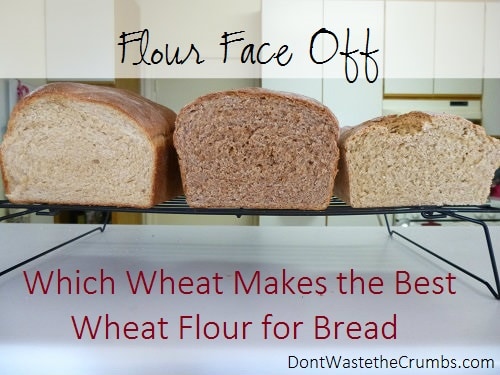
- Whole grain or rustic bread: Blend whole wheat with bread flour. Pure whole wheat can be heavy.
- Rye bread: Combine rye with bread flour for structure and flavor.
- Gluten-free bread: Use certified gluten-free blends, but expect a different texture and taste.
Common mistake: Using only whole wheat or rye without blending with bread flour often results in dense, under-risen loaves.
Credit: dontwastethecrumbs.com
How To Read A Flour Label
Many people overlook the details on flour packaging. Here’s what to look for:
- Protein Content: Often listed as grams per serving. Multiply by 100 to get percentage (e.g., 3g protein per 30g = 10%).
- Unbleached/bleached: For bread, choose unbleached.
- Additives: Some flours have added barley malt or ascorbic acid to help yeast or gluten.
- Enriched: Vitamins added to replace those lost during milling. This does not impact bread quality.
Bread Flour Vs All-purpose Flour: Key Differences
Let’s compare these two popular choices side by side.
| Feature | Bread Flour | All-Purpose Flour |
|---|---|---|
| Protein Content | 12–14% | 10–12% |
| Texture | Chewy, structured | Softer, tender |
| Rise | High volume | Medium rise |
| Best For | Yeast breads | Sandwich/quick breads |
Experience-based tip: If you only have all-purpose flour, you can improve gluten by adding 1 teaspoon of vital wheat gluten per cup.
When To Use Whole Wheat Or Rye Flour
Many bakers want to use whole grain flours for health or flavor. But these flours can be tricky.
- Whole wheat: Adds fiber and nutrients, but can make dough heavy and less sticky.
- Rye: Has unique sugars and enzymes that ferment differently, often leading to sticky dough.
Non-obvious insight: Letting dough made with whole wheat or rye rest longer (autolyse) helps gluten develop and improves texture.
Storing Flour For Bread Making
Freshness matters. Old flour can make bread taste stale or even rancid. Here’s how to keep it fresh:
- Store in a cool, dry place.
- Use airtight containers.
- For whole grain flours, refrigerate or freeze for longer shelf life.
Tip: Smell your flour before using. If it smells musty, toss it.

Credit: cotswoldflour.com
Mistakes To Avoid When Choosing Flour
- Not checking protein content: Don’t rely on just “bread flour” or “all-purpose” labels.
- Ignoring freshness: Old flour loses flavor and power.
- Using only whole grain flour: Blending with bread flour gives better results.
- Not adjusting water: Different flours need more or less water.
How To Experiment And Find Your Favorite Flour
Every baker develops their own preferences over time. Try these steps:
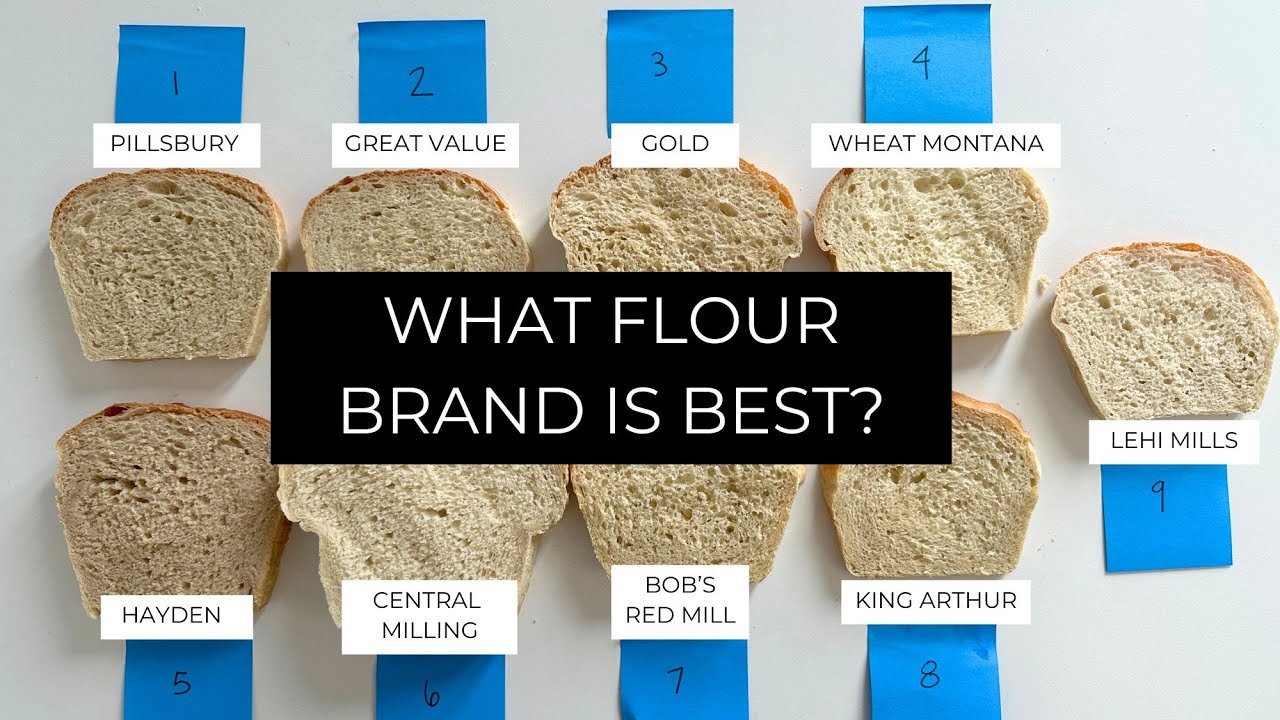
- Bake the same recipe with different flours to compare texture and flavor.
- Mix flours (e.g., 70% bread flour, 30% whole wheat) to find your ideal blend.
- Keep notes on what works best for your taste and oven.
Advanced tip: Try “autolyse”—mix flour and water, rest for 20–30 minutes before kneading. This boosts gluten, especially in whole grain breads.
Credit: www.youtube.com
Best Practices For Perfect Bread
- Weigh your flour: For accuracy, use a kitchen scale.
- Adjust hydration: Some flours absorb more water. Add water slowly until the dough feels right.
- Knead well: Give dough enough time to develop gluten.
- Let dough rise fully: Don’t rush the process—better flavor and texture take time.
Recommended Brands For Bread Flour
Many bakers swear by certain brands due to their consistency and results.
- King Arthur: Reliable, high-protein, and widely available.
- Bob’s Red Mill: Stone-ground, great flavor.
- Central Milling: Organic options, popular with artisan bakers.
- Gold Medal/Pillsbury: Good for standard home baking.
Check local mills for fresh, regional flours if you want to experiment with unique flavors.
When To Use Gluten-free Flours
If you or someone you bake for has celiac disease or gluten intolerance, gluten-free flours are essential. These blends often use rice flour, tapioca flour, or potato starch. They require different recipes and usually need additives like xanthan gum for structure.
Important: Gluten-free bread will not have the same texture as wheat bread, but with the right recipe, you can still achieve delicious results.
For Further Reading
Want to understand flour even more? The science behind baking is deep and fascinating. For in-depth details, check out Wikipedia’s flour article.
Frequently Asked Questions
What Is The Best Flour For Making Sourdough Bread?
Bread flour is usually best for sourdough because its high protein content helps develop strong gluten, giving the bread its chewy texture and open crumb. Some bakers blend bread flour with whole wheat or rye for extra flavor and nutrition.
Can I Use All-purpose Flour Instead Of Bread Flour?
Yes, you can use all-purpose flour for bread, but the loaf may not rise as much or have the same chewiness. If you want to improve the result, try adding a little vital wheat gluten.
How Do I Know If My Flour Is Fresh?
Fresh flour smells neutral or slightly sweet. If you notice a sour, musty, or bitter smell, it’s old or has gone bad. Store flour in airtight containers and use it within six months for best results.
Is Unbleached Flour Better For Bread?
Yes, unbleached flour is better for bread because bleaching can weaken gluten, making it harder to get a good rise and chewy texture.
What Is The Healthiest Flour For Bread?
Whole wheat flour is healthier because it contains more fiber, vitamins, and minerals. You can blend it with bread flour for better texture without losing nutrition.
Choosing the best flour for bread making is an essential step that shapes every loaf you bake. With the right flour, proper handling, and a bit of practice, you can turn simple ingredients into unforgettable homemade bread.