Skip to content
Bread Maker Troubleshooting Tips
If you love fresh homemade bread, a bread maker can feel like magic—just add ingredients, press a button, and wait for delicious results. But sometimes things go wrong: bread fails to rise, the crust is too hard, or the machine won’t start. These problems can be frustrating, especially if you’re new to bread making.
This guide will help you solve common issues with your bread maker, so you can enjoy perfect bread every time. You’ll find practical tips, clear explanations, and some non-obvious advice that even experienced bakers often miss.
Understanding Bread Maker Basics
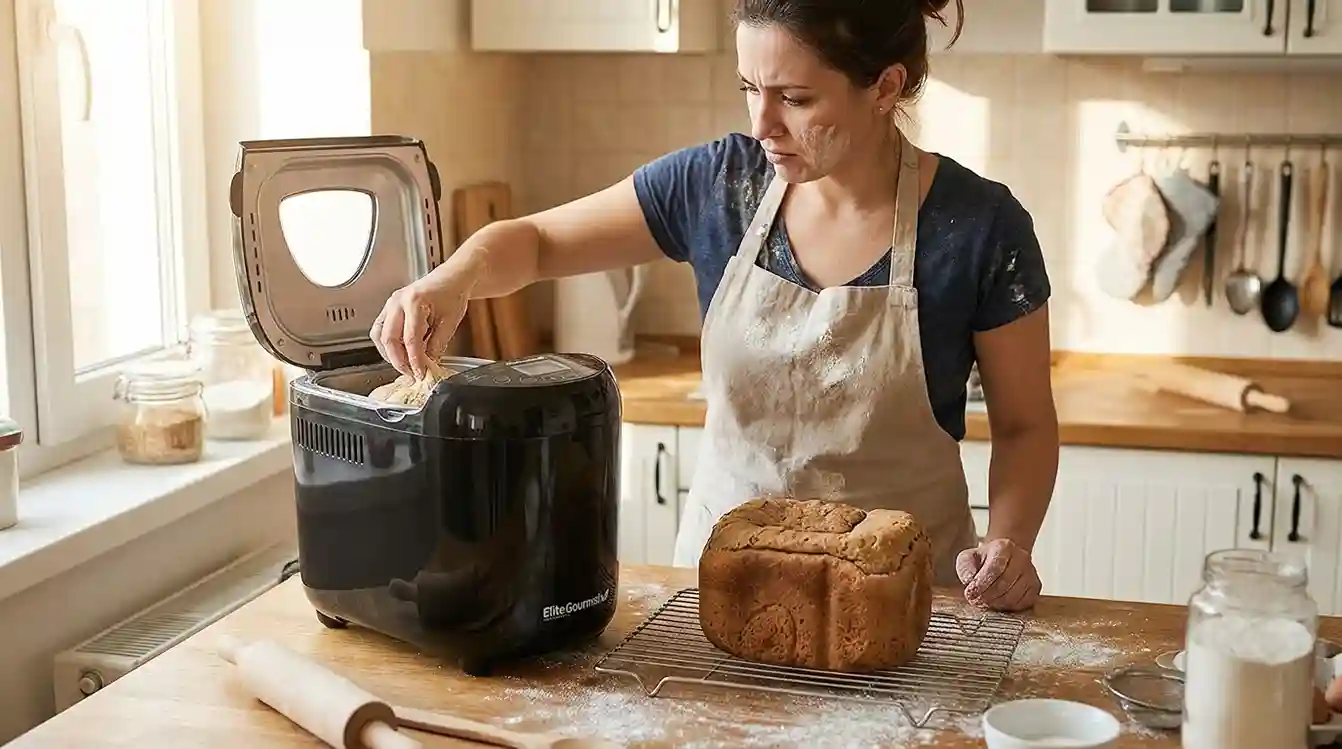
Before fixing problems, it’s important to know how a bread maker works. Most bread makers have a simple design: a bread pan with a kneading paddle, a heating element, and a control panel. You add ingredients, select a program, and the machine handles mixing, kneading, rising, and baking.
There are different types of bread makers, and each has its own features. Some offer basic settings, while others have advanced options for gluten-free, whole wheat, or artisan breads.
Here’s a quick comparison of typical bread maker models:
| Model | Programs | Capacity | Special Features |
|---|---|---|---|
| Basic Bread Maker | 6–8 | 1–2 lbs | Delay Timer |
| Advanced Bread Maker | 12–16 | 2–2.5 lbs | Gluten-Free, Jam, Sourdough |
| Compact Bread Maker | 5–7 | 1 lb | Quick Bake |
Knowing your bread maker’s features can help you troubleshoot problems faster. Always check your machine’s manual for specific instructions.
Common Bread Maker Problems And Solutions
Bread makers are reliable, but sometimes things go wrong. Here are the most frequent issues and practical ways to fix them.
1. Bread Doesn’t Rise Properly
A flat loaf is disappointing, but it’s a common issue. Usually, it happens because of problems with yeast, ingredients, or temperature.
- Old yeast: Yeast loses power over time. Always use fresh yeast and check the expiration date.
- Water temperature: Yeast needs warm water (about 110°F/43°C). Cold water slows rising, hot water kills yeast.
- Salt and sugar balance: Too much salt or sugar can slow yeast. Use exact amounts in the recipe.
- Incorrect flour: Bread flour works best. All-purpose flour makes softer, less tall loaves.
Non-obvious insight: High humidity can affect yeast. If your kitchen is very humid, yeast may work slower. Try moving the bread maker to a drier spot.
2. Bread Is Too Dense Or Heavy
Dense bread usually means the dough was not kneaded enough, or the ingredients were not measured correctly.
- Incorrect flour ratio: Too much flour makes heavy bread. Measure carefully.
- Weak yeast: Not enough yeast or old yeast creates dense loaves.
- Insufficient kneading: The kneading paddle must work without obstruction. If it’s stuck, clean it thoroughly.
Example: Many beginners forget to check if the kneading paddle is attached properly. Always check before starting.
3. Bread Maker Won’t Start
If your bread maker does not turn on, check these basics:
- Power cord: Make sure it’s plugged in securely.
- Outlet: Test the outlet with another appliance.
- Lid: Some bread makers won’t start if the lid is not closed firmly.
- Program setting: Double-check you selected a valid program.
Non-obvious tip: Many machines have a safety lock. If the pan is not seated correctly, the bread maker may not start. Remove and reinsert the pan.
4. Bread Sticks To The Pan
Bread sticking is annoying and can ruin a loaf’s shape.
- Non-stick coating: If the pan’s coating is scratched, bread will stick. Avoid metal tools for cleaning.
- Oil or butter: Lightly grease the pan before adding ingredients.
- Let it cool: Wait 10–15 minutes after baking, then gently shake the pan to release the loaf.
5. Uneven Baking Or Raw Dough
Sometimes the loaf is brown on one side and pale on the other, or the center is raw.
- Heating element: Check if the element is blocked or dirty.
- Overfilled pan: Too much dough blocks heat flow. Stick to recommended recipes.
- Power interruptions: If power cuts out during baking, dough may not cook through.
Non-obvious advice: If your bread maker is close to a wall or other appliances, airflow may be restricted. Move it to a well-ventilated area.
6. Bread Has A Hard Crust
A tough crust is common if the bread is baked too long or at high heat.
- Program selection: Use the “light crust” setting if available.
- Ingredients: Sugar and fat (like butter or oil) soften the crust.
- Remove immediately: Take bread out as soon as baking ends.
7. Bread Collapses After Baking
If the bread rises well but sinks after baking, the problem is often with the recipe or timing.
- Too much liquid: Excess water can cause collapse.
- Over-rising: If the dough rises too long, it becomes unstable.
- Weak flour: Use bread flour for better structure.
8. Loud Noises During Kneading
Bread makers make noise, but unusual sounds can mean trouble.
- Foreign objects: Check for stray utensils or debris.
- Loose paddle: Secure the kneading paddle.
- Worn parts: If noise persists, contact the manufacturer.
9. Burning Smell Or Smoke
If you smell burning, act quickly.
- Overfilled pan: Dough may overflow onto the heating element.
- Spilled ingredients: Clean any spills before baking.
- Electrical problems: Unplug immediately if you see smoke.
10. Error Messages
Many bread makers display error codes. Check the manual for specifics. Common codes include:
- E01/E02: Overheating or sensor error.
- E03: Lid open.
- E04: Motor jammed.
If you can’t fix the error, contact customer support.
Ingredient Troubleshooting
Getting the ingredients right is key to good bread. Here are some common problems and how to solve them.
Yeast Types And Performance
There are several types of yeast. Using the wrong one can ruin bread.
| Yeast Type | Usage | Effect on Bread |
|---|---|---|
| Active Dry Yeast | Requires proofing | Light, airy loaf |
| Instant Yeast | Add directly | Faster rise |
| Rapid Rise Yeast | For quick cycles | Quick, less flavor |
Always use the yeast recommended in your recipe. For bread makers, instant yeast works best.
Flour Choices
Bread flour has more protein than all-purpose flour. This helps dough rise and gives bread a chewy texture.
- Bread flour: Best for tall, chewy loaves.
- All-purpose flour: Good for softer, smaller bread.
- Whole wheat flour: Needs more water and stronger yeast.
Non-obvious insight: If you use whole wheat flour, add a bit more yeast and water for better texture.
Water And Liquid Issues
Water amount is critical. Too much makes sticky dough; too little makes dry bread.
- Measure water carefully. Use a kitchen scale if possible.
- If you add eggs or milk, reduce water slightly.
Bread Maker Maintenance Tips
Keeping your bread maker clean and well-maintained can prevent many problems.
Cleaning The Bread Maker
- After every use: Wipe the pan and paddle with a soft cloth.
- Deep cleaning: Every month, clean the heating element and the exterior.
- Avoid harsh chemicals: Use mild soap and warm water.
Non-obvious tip: Don’t forget to clean under the kneading paddle. Dough can build up there and affect performance.
Storage And Care
- Store in a dry place. Moisture can damage electronics.
- Keep the cord untangled.
- Cover the bread maker to prevent dust.
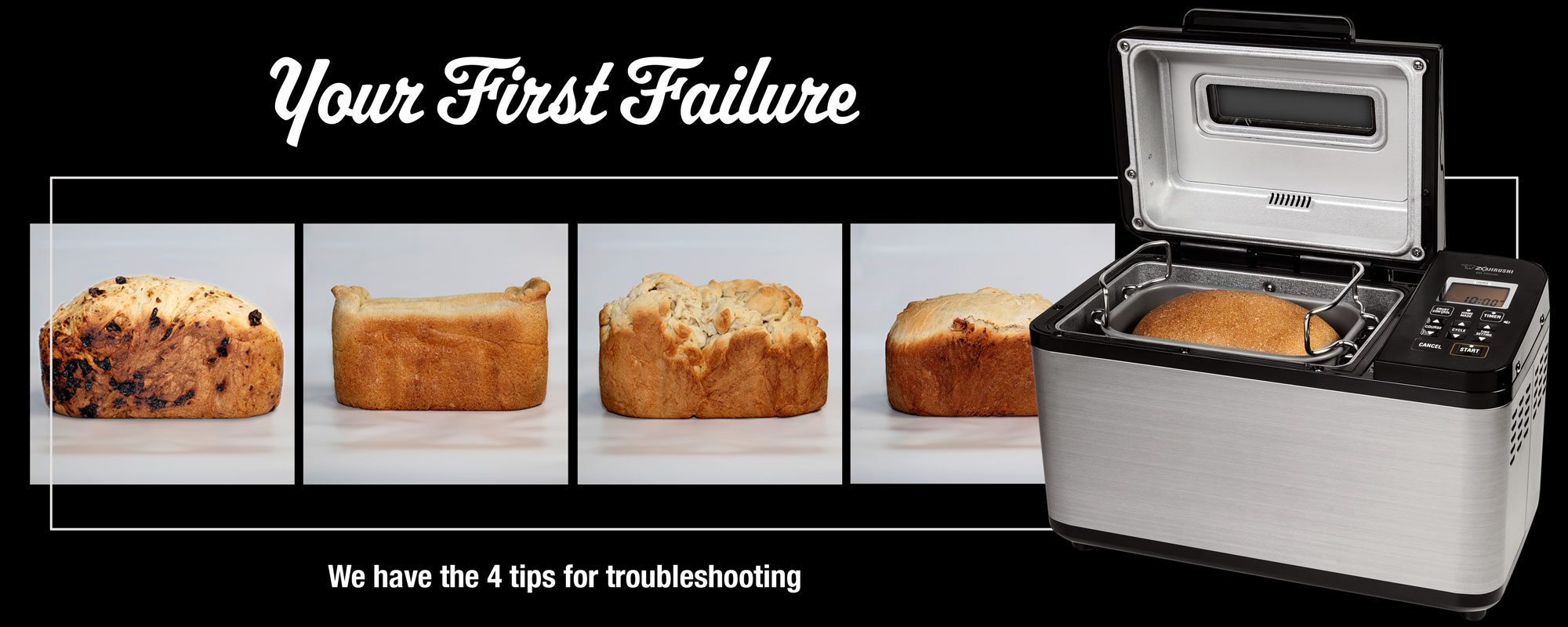
Credit: www.zojirushi.com
Troubleshooting By Bread Type
Different types of bread need different settings and ingredients. Here’s how to fix problems with popular bread types.
White Bread
White bread is simple but can turn out flat or dry.
- Use bread flour and instant yeast.
- Stick to the recipe—don’t add extra sugar or fat.
Whole Wheat Bread
Whole wheat bread is heavier and can be dense.
- Add extra yeast and water.
- Use the “whole wheat” program if available.
Gluten-free Bread
Gluten-free bread is tricky. It often collapses or stays raw.
- Use gluten-free flour blends.
- Add xanthan gum for structure.
- Don’t open the lid during baking.
Sourdough Bread
Sourdough needs a starter and longer rise time.
- Make sure your starter is active and bubbly.
- Use the “artisan” or “sourdough” program.
Sweet Bread
Sweet breads need careful balance of sugar and yeast.
- Use less yeast to avoid over-rising.
- Add sugar, dried fruit, or chocolate after kneading starts.
Useful Bread Maker Troubleshooting Table
Here’s a quick reference for common bread maker issues and their solutions:
| Problem | Possible Causes | Solution |
|---|---|---|
| Bread doesn’t rise | Old yeast, cold water | Use fresh yeast, warm water |
| Bread is dense | Too much flour, weak yeast | Measure ingredients, use strong yeast |
| Bread sticks to pan | Scratched pan, no oil | Grease pan, avoid metal tools |
| Raw dough center | Overfilled pan, blocked element | Reduce dough, clean element |
| Machine won’t start | Loose cord, lid open | Check cord, close lid |

Credit: www.booksamillion.com
Advanced Troubleshooting Tips
Some problems are less common but more difficult to solve. Here’s how to handle them:
Dough Overflow
If dough overflows the pan, it can create a mess and damage the heating element.
- Use less yeast or flour.
- Don’t overfill the pan.
- Clean up spills immediately.
Paddle Won’t Rotate
A stuck paddle means dough won’t knead properly.
- Check for dried dough under the paddle.
- Apply a little cooking oil to loosen.
- Replace the paddle if it’s damaged.
Timer Issues
If the delay timer doesn’t work, bread may start baking too soon or too late.
- Check the clock setting.
- Make sure power is stable.
- Don’t use perishable ingredients for delayed baking.
Display Malfunctions
Sometimes the control panel stops working or shows strange symbols.
- Unplug for 10 minutes, then restart.
- If problem continues, contact support.
When To Seek Professional Help
Some issues can’t be fixed at home. Here’s when to call an expert:
- Burning smell or smoke that won’t stop
- Error codes that don’t clear after resetting
- Broken heating element or electronics
- Persistent loud noises after cleaning
If your bread maker is under warranty, contact the manufacturer. For expensive models, repairs may be worth the cost. For older machines, replacement is often cheaper.
Getting The Best Results: Practical Tips
Even when your bread maker works perfectly, small changes can improve your bread.
- Measure ingredients: Use a kitchen scale for accuracy.
- Layer ingredients properly: Add liquids first, then flour, then yeast on top.
- Room temperature: Ingredients should be at room temperature unless recipe says otherwise.
- Don’t open the lid: During baking, keep the lid closed for even heat.
- Let bread cool: Allow bread to cool before slicing for best texture.
Non-obvious insight: Altitude affects bread baking. If you live above 3,000 feet, reduce yeast and increase liquid slightly.
Frequently Asked Questions
Why Does My Bread Maker Loaf Turn Out Flat?
A flat loaf usually means weak or expired yeast, wrong water temperature, or incorrect flour. Check yeast freshness, use warm water, and measure flour carefully. Also, avoid opening the lid during rising.
Can I Use All-purpose Flour In My Bread Maker?
Yes, but bread flour is better for tall, chewy loaves. All-purpose flour produces softer, smaller bread. For whole wheat or specialty recipes, follow the instructions closely.
How Do I Prevent Bread From Sticking To The Pan?
Lightly oil or butter the pan before baking. Avoid scratching the non-stick coating with metal tools. Let bread cool for 10–15 minutes before removing.
What Causes A Burning Smell In My Bread Maker?
A burning smell can come from spilled ingredients, overflowed dough, or electrical issues. Always clean spills before baking and don’t overfill the pan. If the smell persists, unplug and contact support.
Is It Safe To Use The Delay Timer With Eggs Or Milk?
It’s not recommended. Eggs and milk can spoil if left unrefrigerated for hours. Use the delay timer only with recipes that don’t include perishable ingredients.
Bread makers make life easier, but they need care and attention. With these troubleshooting tips, you can solve common problems and enjoy perfect bread every time. If you want more in-depth bread science, check this Bread Machine Wikipedia article for technical details. Remember, good bread starts with good ingredients and a well-maintained machine. Happy baking!