Every home cook has heard about slow cookers. These appliances are famous for making meals easy, safe, and tasty. But slow cookers come with a mystery: their temperature settings. If you’ve ever wondered what “Low” and “High” really mean, or why your stew sometimes cooks too fast, you’re not alone. Understanding slow cooker temperature settings is key to getting great results, preventing food safety issues, and making the most of your kitchen time. This guide explains everything you need to know—whether you’re new to slow cooking or want to improve your meals.
How Slow Cookers Work
Slow cookers, also called crockpots, cook food gently over hours. They use a heating element at the base, covered by a ceramic or metal pot and a lid. The heat rises slowly, spreading through the pot and cooking the food evenly.
This slow, steady heat breaks down tough meat and blends flavors.
Most slow cookers have three main settings: Low, High, and Keep Warm. These are not just labels—they control the temperature, cooking time, and final texture. Knowing how these settings work helps you pick the right one for any recipe.
What Are The Main Temperature Settings?
Most slow cookers offer:
- Low Setting
- High Setting
- Keep Warm Setting
Some models add Medium or even programmable options, but “Low,” “High,” and “Keep Warm” are standard.
Typical Temperature Ranges
Let’s look at the typical temperature ranges for each setting:
| Setting | Temperature (°F) | Temperature (°C) | Common Uses |
|---|---|---|---|
| Low | 190–200 | 88–93 | Stews, soups, tough meats |
| High | 250–275 | 121–135 | Quick meals, tender cuts |
| Keep Warm | 165–185 | 74–85 | Holding cooked food |
Important note: These temperatures can vary by brand and model. Always check your slow cooker’s manual for exact numbers.
Low Vs High: What’s The Real Difference?
The main difference is time. The Low setting cooks food gently over 6–10 hours. The High setting cooks faster, usually in 3–4 hours. But both settings reach similar final temperatures—the difference is how quickly they get there.
| Setting | Time to Reach Simmer | Final Temperature | Ideal For |
|---|---|---|---|
| Low | 6–8 hours | 190–200°F | Tough cuts, deep flavor |
| High | 3–4 hours | 250–275°F | Quick meals, veggies |
If you have time, the Low setting is best for flavor and tenderness. For quick meals or when you’re short on time, High works well.
Keep Warm: What Does It Really Do?
The Keep Warm setting is not for cooking. It’s for holding food after it’s done. The temperature is low—below boiling but above the danger zone (140°F/60°C). This keeps food safe for a few hours.
But beware: some older slow cookers’ “Keep Warm” settings can drop below 140°F, which is risky. Always check your manual and use a food thermometer if you want to be sure.

Credit: cooking.stackexchange.com
Programmable Settings And New Features
Modern slow cookers sometimes offer more settings:
- Medium setting: For recipes needing a balance, usually around 210°F.
- Programmable timers: Let you set cooking time, then switch to “Keep Warm.”
- Digital displays: Show exact temperature or time remaining.
These features help busy cooks, but the basic principles remain. No matter how advanced your slow cooker is, understanding temperature settings is essential.
Why Temperature Matters For Food Safety
Slow cookers are safe when used correctly. The most important rule: food must reach at least 165°F (74°C) to kill bacteria. All standard slow cookers reach this temperature, but you must follow a few guidelines:
- Don’t start with frozen meat. Always thaw meat before slow cooking.
- Avoid overfilling. Leave space for heat to circulate.
- Don’t lift the lid too often. Heat escapes, lengthening cooking time.
- Use a thermometer. Check the internal temperature of meat, especially poultry.
Food safety is one reason slow cookers do not cook at low temperatures for short times. Recipes are designed to reach safe levels.
Credit: www.reddit.com
The Science Behind Slow Cooking
Slow cookers use moist heat at low temperatures. This breaks down tough fibers in meat and vegetables, creating tender, flavorful dishes. The lid traps steam, preventing evaporation and keeping food moist.
A key insight: Slow cookers don’t cook faster on “High”—they just reach the simmer point sooner. Both “Low” and “High” settings eventually reach a similar peak temperature, but the journey is different.
Another insight: The Keep Warm setting is not meant for long-term food storage. After about 4 hours, bacteria can grow, especially if the lid is removed or the room is cool.
Common Mistakes With Slow Cooker Temperature Settings
Many cooks make mistakes when using temperature settings. Here are common issues:
- Switching between settings mid-cook. Changing from “Low” to “High” doesn’t speed up cooking—it can affect texture.
- Using “Keep Warm” to cook. This setting is only for holding food, not cooking.
- Overfilling the pot. Too much food can prevent proper heating.
- Cooking frozen food. This increases risk of uneven heating and unsafe food.
- Not checking manual. Each slow cooker is a bit different.
How To Choose The Right Setting For Your Recipe
Choosing the right setting depends on the food, your schedule, and desired results.
- For tough meats (like beef chuck or pork shoulder): Use “Low” for 8–10 hours. This breaks down connective tissue.
- For tender cuts (like chicken breast): “High” for 3–4 hours is fine.
- For soups and stews: “Low” gives deeper flavor.
- For quick meals: “High” helps speed things up, but monitor closely.
Some recipes allow you to choose. For example, chili can cook on “Low” for 8 hours or “High” for 4 hours. Both work, but “Low” often tastes better.
How Slow Cooker Settings Affect Texture And Flavor
The temperature setting changes how food tastes and feels.
- Low setting: Makes meats tender, blends flavors. Vegetables stay intact.
- High setting: Good for vegetables and quick recipes, but sometimes meats are less tender.
- Keep Warm: Maintains moisture, but food can dry out after several hours.
A practical tip: For best results, start with “High” for one hour, then switch to “Low.” This quickly brings food into the safe zone, then lets flavors develop.
Understanding Slow Cooker Wattage
Wattage affects how fast your slow cooker heats up. Most models range from 200 to 300 watts for small units, and up to 400 watts for large ones. Higher wattage means quicker heating, but doesn’t change the final temperature.
Some slow cookers adjust wattage automatically to keep a steady temperature. This is why two slow cookers may cook the same recipe at different speeds.
Real-world Examples: Cooking Times And Results
Let’s look at some typical slow cooker recipes and how temperature affects them.
- Beef stew: On “Low,” 8–10 hours creates tender beef and rich broth. On “High,” 4–5 hours works, but meat may be tougher.
- Chicken soup: “Low” for 6–8 hours makes soft chicken and flavorful soup. “High” for 3–4 hours is good for quick meals.
- Pulled pork: “Low” for 10 hours breaks down connective tissue. “High” for 5–6 hours works, but the meat may not shred as easily.
A key insight: The longer cook time on “Low” helps collagen and fat melt, creating a silky texture.
Credit: thedefaultcook.com
Comparing Slow Cooker Brands And Models
Different brands use slightly different temperature ranges. Here’s a comparison:
| Brand | Low Setting (°F) | High Setting (°F) | Keep Warm (°F) |
|---|---|---|---|
| Crock-Pot | 190 | 275 | 165 |
| Hamilton Beach | 200 | 250 | 185 |
| Instant Pot (Slow Cook mode) | 190 | 210 | 180 |
Always check your model’s manual and use a thermometer for best results.
Tips For Using Slow Cooker Temperature Settings
Here are practical tips to get the most from your slow cooker:
- Preheat for best results: Turn on your slow cooker 20 minutes before adding food.
- Check temperatures with a thermometer: Especially important for meat.
- Avoid frequent lid removal: Each time you open the lid, heat drops by 10–15°F.
- Don’t use “Keep Warm” for uncooked food: Only use it for holding cooked meals.
- Plan ahead: Recipes on “Low” take longer but usually taste better.
Cooking Frozen Food: What You Need To Know
Some people try to cook frozen meat in a slow cooker. This is not recommended. Starting with frozen food means it takes longer to reach safe temperatures, increasing risk of bacterial growth.
Always thaw meat and poultry before adding to your slow cooker. If you forget, use an oven or microwave to thaw quickly.
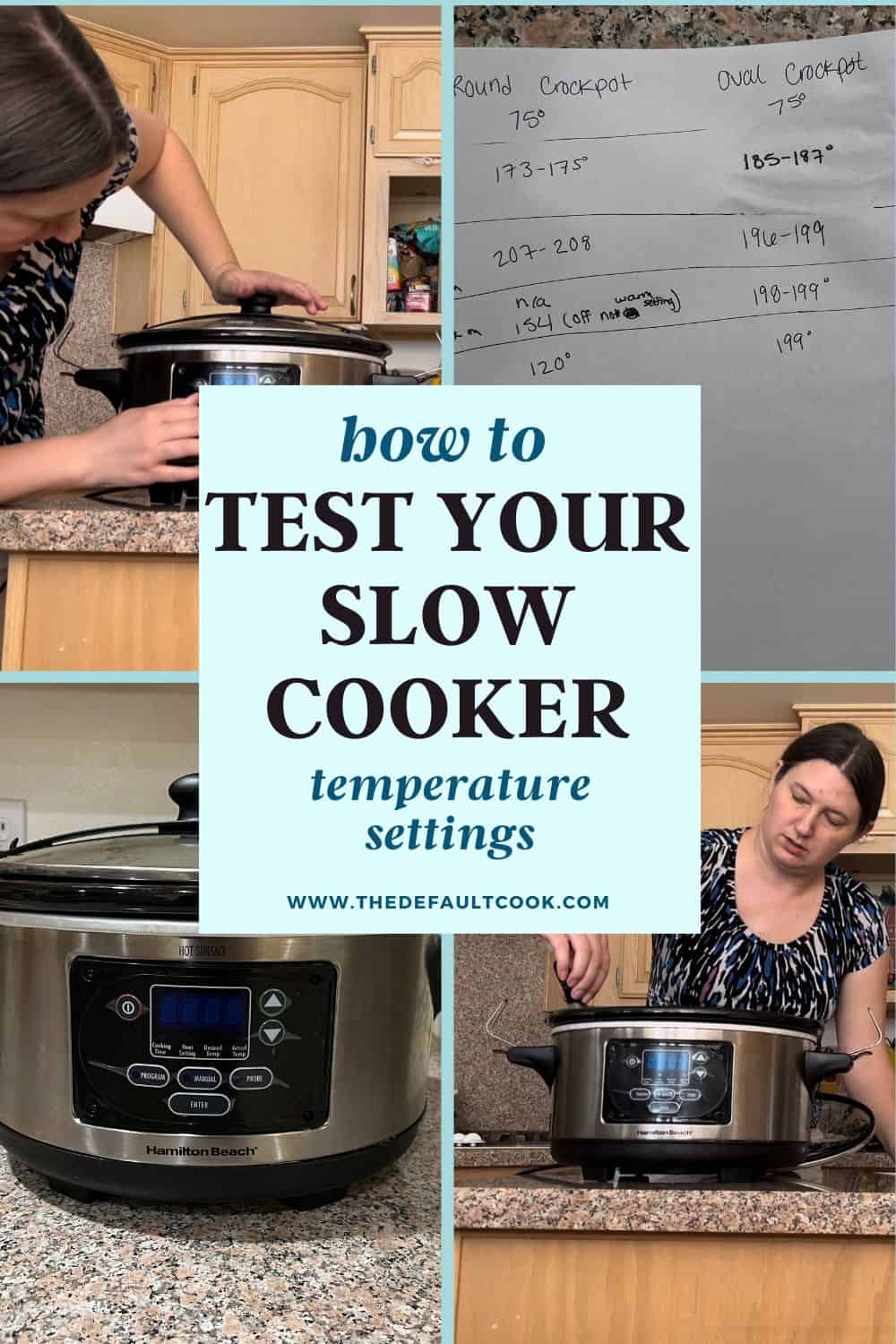
How To Test Your Slow Cooker’s Actual Temperatures
Not all slow cookers are created equal. Here’s how you can test yours:
- Fill the cooker with water (halfway).
- Set to “Low” and let it run for 8 hours.
- Use a food thermometer to check water temperature.
- Repeat on “High” for 4 hours.
If your cooker doesn’t reach at least 185°F on “Low” or 212°F on “High,” it may not cook safely. Contact the manufacturer if you’re concerned.
Frequently Asked Questions
What Happens If I Use The Wrong Setting For My Recipe?
If you use “High” instead of “Low,” food will cook faster but may be less tender. If you use “Low” instead of “High,” food may take too long and risk being undercooked. Always check recipe instructions and adjust based on your schedule.
Is “keep Warm” Safe For Long Periods?
“Keep Warm” is safe for up to 4 hours. After that, food may drop below safe temperatures, especially if the lid is removed. For longer holding, refrigerate and reheat later.
Can I Switch From “low” To “high” Midway Through Cooking?
You can switch, but it’s best to stick to one setting. Changing settings affects texture and flavor. If you must switch, do it early in the cooking process.
Are Slow Cookers Energy Efficient?
Yes. Slow cookers use less energy than ovens or stovetops. A typical slow cooker uses 200–300 watts per hour. That’s about 1. 5–2 kWh for an 8-hour cook—much less than an oven.
Where Can I Find Accurate Slow Cooker Temperature Information?
Always check your slow cooker’s manual and use trusted sources like Foodsafety.gov for safe cooking temperatures.
Closing Thoughts
Slow cookers are one of the most helpful kitchen tools, but their temperature settings can be confusing. Understanding “Low,” “High,” and “Keep Warm” allows you to cook safely, save time, and create tastier meals. Always check your cooker’s manual, use a thermometer for meats, and plan your recipes around the settings.
Remember: The secret to great slow-cooked food is patience and knowledge. With these tips, you can avoid common mistakes, cook safer, and get the results you want. If you want to dive deeper into slow cooking science, check out reliable resources like Wikipedia for more background. Enjoy your next meal—and let your slow cooker do the work.