Skip to content
Slow Cooker Vs Crock Pot: Which Is Better?
Many home cooks wonder about the difference between a slow cooker and a Crock Pot. Both appliances promise easy meals, tender meats, and stress-free cooking. But are they the same? Which one is better for your kitchen? If you’re looking for clear answers, practical advice, and real examples, you’re in the right place.
Today, we’ll explore the features, benefits, and drawbacks of slow cookers and Crock Pots. You’ll see comparisons, real-life usage tips, and surprising facts most beginners overlook. By the end, you’ll know which device suits your needs best and how to avoid common mistakes.
Let’s dive in.
What Is A Slow Cooker?
A slow cooker is an electric kitchen appliance designed for cooking food slowly at low temperatures. It usually consists of a metal base with a heating element, a ceramic or porcelain pot (sometimes called a “crock”), and a tight-fitting lid. You add ingredients, set the heat, and let it cook for several hours—perfect for busy days.
Key Features
- Temperature settings: Usually low, medium, and high.
- Removable pot: Easy to clean and serve.
- Long cook times: Meals often take 6–8 hours.
- Versatile: Can cook stews, soups, roasts, beans, and more.
How It Works
The slow cooker heats the pot evenly. Moisture stays inside thanks to the lid, so your food doesn’t dry out. You can leave it unattended—no need to stir or supervise. This makes it ideal for people who work during the day or want a set-it-and-forget-it meal.
What Is A Crock Pot?
The term Crock Pot actually refers to a brand. The Crock Pot was invented in the 1970s and quickly became popular. Over time, the name “Crock Pot” started being used for all slow cookers, even if they weren’t made by the Crock Pot brand. But there are differences.
Crock Pot Features
- Stoneware pot: Most Crock Pots use stoneware, which heats evenly.
- Oval shape: Better for fitting roasts and poultry.
- Manual and digital models: Some have timers and automatic shut-off.
- Brand reliability: Consistent quality control and design.
The Crock Pot Brand Legacy
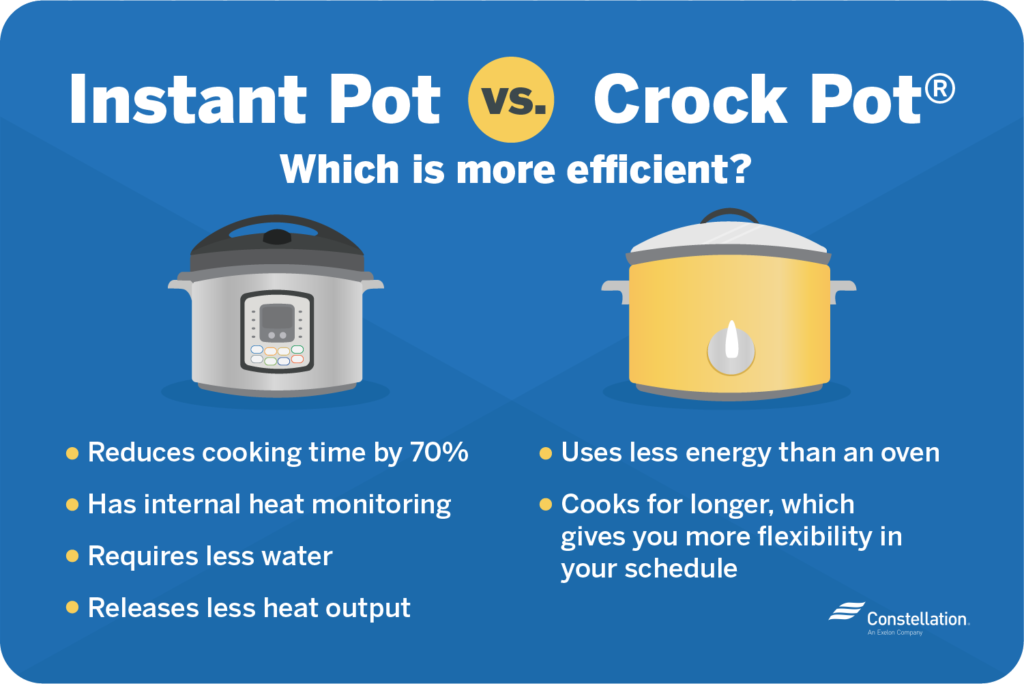
Crock Pot has become a trusted name in the US and around the world. Many people buy a Crock Pot because they know the brand stands for durability and consistent results. However, other slow cookers have entered the market, offering new features and price points.
Credit: blog.constellation.com
Slow Cooker Vs Crock Pot: Core Differences
While all Crock Pots are slow cookers, not all slow cookers are Crock Pots. Here are the main differences most users don’t realize:
| Feature | Crock Pot | Generic Slow Cooker |
|---|---|---|
| Brand | Original, trademarked | Various brands |
| Heating Element Location | Surrounds pot sides | Usually bottom only |
| Pot Material | Stoneware/ceramic | Ceramic, metal, or porcelain |
| Shape | Usually oval | Oval or round |
| Price Range | Mid to high | Low to high |
| Reliability | Consistent | Varies |
Heating Element Difference
Crock Pots have the heating element wrapped around the sides, which provides more even cooking. Generic slow cookers often have the heating element only at the base. This can lead to hot spots and less uniform results, especially for large cuts of meat.
Material And Shape
Crock Pots use stoneware pots, known for slow, steady heat. Other slow cookers may use metal or porcelain, which might cook faster or unevenly. The oval shape of Crock Pots is better for roasts and whole chickens, while round slow cookers work well for soups and stews.
Cooking Performance: Which Wins?
One of the biggest questions is which device delivers better results. Let’s look at taste, texture, and ease of use.
Taste And Texture
Food cooked in a slow cooker or Crock Pot will be tender and flavorful, thanks to the long cook time. However, Crock Pots often cook more evenly, especially for meats. The stoneware retains heat and moisture, reducing the risk of burning or drying out.
Ease Of Use
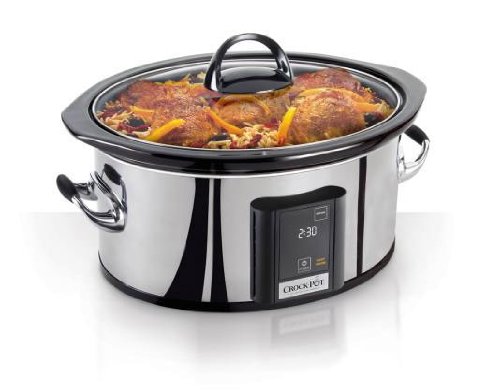
Both appliances are simple to operate. You add ingredients, set the timer, and wait. Digital Crock Pot models have programmable settings, making it easy to start or stop cooking automatically. Some slow cookers require manual monitoring or lack timers, which can be inconvenient.
Cooking Time
Both devices cook food slowly (4–10 hours). If you’re in a rush, neither will help. But if you want a meal ready after work, they are perfect.
Energy Use
Slow cookers and Crock Pots use less energy than ovens. The US Department of Energy reports that a slow cooker uses about 0. 7 kWh for an 8-hour cook, while an oven can use 2–4 kWh for the same meal.
Credit: foodal.com
Comparing Popular Models
To understand real-world differences, let’s compare three top sellers:
| Model | Type | Capacity | Features | Price |
|---|---|---|---|---|
| Crock Pot 7-Quart Manual | Crock Pot | 7 quarts | Manual, stoneware, oval | $49 |
| Hamilton Beach Set & Forget | Slow Cooker | 6 quarts | Digital, timer, probe | $59 |
| Black+Decker Digital | Slow Cooker | 7 quarts | Digital, round, removable pot | $44 |
The Crock Pot model is known for reliability and simple operation. Hamilton Beach adds a meat probe for precise cooking. Black+Decker offers digital controls at a lower price. Each model has strengths, but the Crock Pot stands out for steady performance.
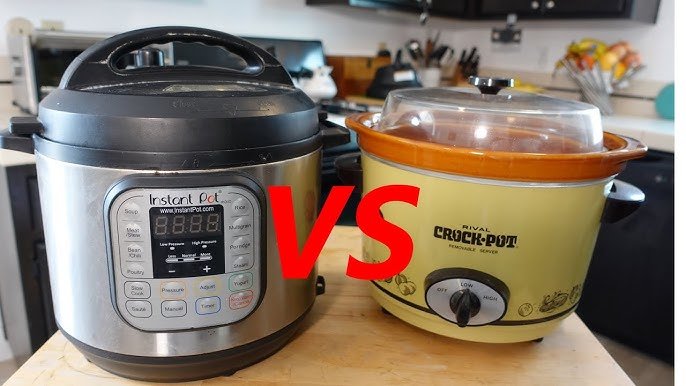
Pros And Cons: Slow Cooker Vs Crock Pot
Let’s break down the main advantages and disadvantages of each.
Slow Cooker Pros
- Affordable: Many budget options.
- Variety: More choices in size, features, and price.
- Easy cleanup: Removable pots.
Slow Cooker Cons
- Heating uneven: Some models have hot spots.
- Quality varies: Cheaper models may break quickly.
- Manual settings: Some lack timers or automatic shut-off.
Crock Pot Pros
- Even heating: Surrounds food for consistent results.
- Durable: Stoneware pots last longer.
- Brand trust: Reliable quality.
Crock Pot Cons
- Higher price: Costs more than some generic slow cookers.
- Limited features: Some models are basic.
- Heavy pot: Stoneware is heavier to lift and clean.
Credit: www.youtube.com
What Matters Most When Choosing
Choosing between a slow cooker and Crock Pot depends on several factors. Here are the most important things to consider:
- Cooking needs: Do you mostly cook soups, stews, or large roasts?
- Budget: How much can you spend? Crock Pots cost more.
- Kitchen space: Oval Crock Pots take up more room.
- Features: Digital timers, probes, automatic shut-off, and size.
- Brand preference: Trust in Crock Pot vs other brands.
Common Mistakes When Buying
- Ignoring pot material: Cheap metal pots may cook unevenly.
- Choosing wrong size: Too small means overflow; too large means wasted energy.
- Skipping timer: Manual models can overcook food if left too long.
- Overlooking shape: Oval is best for meats, round for soups.
Real-life Examples: Slow Cooker Vs Crock Pot Meals
Let’s see how each appliance performs with typical recipes.
Beef Stew
A classic beef stew needs long, slow cooking to soften the meat. Using a Crock Pot with stoneware, the stew will cook evenly, with tender beef and rich sauce. A generic slow cooker with a bottom heating element may cause the sauce to stick and burn.
Whole Chicken
Cooking a whole chicken in an oval Crock Pot gives great results. The meat stays moist, and the shape fits the bird perfectly. In a round slow cooker, you may need to cut the chicken to fit, leading to uneven cooking.
Vegetarian Chili
Both appliances can handle chili well. If your slow cooker lacks a timer, you must check the beans for doneness. A digital Crock Pot lets you set the cook time and walk away.
Surprising Insight: Overfilling Risks
Many beginners think bigger is always better. But filling any slow cooker more than two-thirds full can lead to food not cooking properly. The lid may not seal, and temperatures may drop. Always follow the manufacturer’s guidelines for best results.
Cleaning And Maintenance
Cleaning is important for safety and taste. Both slow cookers and Crock Pots have removable pots, but stoneware is heavier and more fragile than metal or porcelain. Here’s how to clean each:
- Unplug and cool: Never clean a hot appliance.
- Remove pot: Wash with warm, soapy water.
- Avoid harsh scrubbers: Stoneware scratches easily.
- Wipe base: Use a damp cloth; never submerge.
Deep Cleaning Tip
For tough stains, fill the pot with water and baking soda, then run on low for an hour. This softens stuck food and makes cleaning easier.
Durability And Repair
Crock Pot stoneware pots are tough but can crack if dropped or exposed to sudden temperature changes. Generic slow cookers with metal pots may dent or warp but rarely crack. Replacing a Crock Pot stoneware insert can cost $20–$30.
Heating elements in both appliances usually last years. But cheaper slow cookers may fail early. Always check warranty and reviews before buying.
Health And Safety Factors
Both appliances cook at safe temperatures (above 140°F), killing bacteria. However, slow cookers with poor seals or low power may not heat food evenly, risking undercooked meals.
Lead Concerns
Some older ceramic pots may contain lead glaze. Modern Crock Pots and reputable brands use lead-free materials. Always check labels if you buy secondhand.
Power Outages
If the power goes out while cooking, food can spoil. If your meal has been cooking less than 2 hours when the power fails, restart. If more than 2 hours, discard the food for safety.
Slow Cooker And Crock Pot Recipes
Here are three easy recipes to try at home:
1. Classic Pot Roast
- Ingredients: 3 lbs beef roast, 2 cups beef broth, 4 carrots, 4 potatoes, 1 onion, salt, pepper.
- Instructions: Place veggies in pot, add beef, pour broth, season. Cook on low for 8 hours.
- Serving size: 6 people.
- Tip: For extra flavor, sear beef before adding.
2. Vegetarian Bean Soup
- Ingredients: 2 cups dried beans, 1 onion, 2 carrots, 2 celery stalks, 6 cups water, salt, herbs.
- Instructions: Add all ingredients, cook on high for 6 hours.
- Serving size: 8 people.
- Tip: Soak beans overnight for best results.
3. Chicken Tikka Masala
- Ingredients: 2 lbs chicken breast, 1 jar tikka masala sauce, 1 cup yogurt, 1 onion.
- Instructions: Mix all ingredients, cook on low for 7 hours.
- Serving size: 6 people.
- Tip: Stir in yogurt at the end for creamy sauce.
How To Maximize Your Appliance
To get the most from your slow cooker or Crock Pot:
- Prep ahead: Cut veggies and meat the night before.
- Layer ingredients: Place harder veggies at the bottom, meats above.
- Don’t peek: Opening the lid drops temperature and adds cook time.
- Use leftovers: Slow cookers are perfect for turning scraps into soup.
Advanced Insight: Cooking Times Can Vary
Even with the same recipe, different models can cook faster or slower. Always check your food for doneness before serving. Adjust times as you learn your appliance’s quirks.
Environmental Impact
Slow cookers and Crock Pots use less energy than ovens. If you cook five meals per week, you can save up to 80% in energy costs compared to traditional baking. Also, using slow cookers reduces heat in your kitchen, helping keep your home cooler in summer.
Popularity And Usage Statistics
According to the NPD Group, over 80 million slow cookers have been sold in the US. Crock Pot remains the top brand, with about 30% market share. Most users say they cook meals at least once per week in their appliance.
What Experts Say
Food experts agree: slow cookers and Crock Pots are perfect for tender meats, soups, and easy meal prep. However, they advise careful recipe selection. Not all dishes work well—crispy foods and delicate flavors may suffer.
For more in-depth history and technical details, check out Wikipedia’s Slow Cooker page.
Decision Guide: Which Should You Choose?
Let’s sum up the main points to help you decide:
- Choose Crock Pot if: You want reliable, even cooking and trust the brand.
- Choose generic slow cooker if: You want more features or a lower price.
- Pick oval shape: For roasts and whole birds.
- Pick round shape: For soups and stews.
- Check reviews: Quality varies, especially among generic slow cookers.
- Buy digital model: For timers and automatic shut-off.
Frequently Asked Questions
What Is The Main Difference Between A Slow Cooker And A Crock Pot?
The main difference is that Crock Pot is a brand name, while slow cooker describes the general appliance. Crock Pots usually have the heating element around the sides for even cooking, while many generic slow cookers heat from the bottom only.
Are Crock Pots Safer Than Slow Cookers?
Both are safe if used correctly. However, Crock Pots tend to have better seals and more consistent heating, reducing the risk of undercooked food. Always follow manufacturer instructions.
Can I Cook The Same Recipes In A Slow Cooker And A Crock Pot?
Yes, most recipes work in both devices. You may need to adjust cooking times, as heating can vary. Always check food for doneness, especially with meats and beans.
Do Slow Cookers Use Less Energy Than Ovens?
Yes, slow cookers use much less energy. For an 8-hour cook, a slow cooker uses about 0. 7 kWh, while an oven can use 2–4 kWh. This makes slow cookers more energy-efficient.
How Long Do Slow Cookers And Crock Pots Last?
A good Crock Pot can last 5–10 years with proper care. Generic slow cookers may last 3–7 years. Check warranty and reviews before buying, and avoid dropping or overheating the pot.
Final Thoughts
Choosing between a slow cooker and a Crock Pot comes down to your priorities. If you value brand reliability, even heating, and classic design, a Crock Pot is the best option. If you need more features or a lower price, a generic slow cooker may suit you.
Both appliances make life easier, help save energy, and deliver delicious meals with minimal effort.
Remember, there is no perfect answer for everyone. Consider your budget, cooking style, and kitchen space. With the right choice, you’ll enjoy home-cooked meals that taste amazing—and you’ll wonder how you ever lived without your slow cooker or Crock Pot.