Keeping your kitchen knives sharp is not just about making cooking easier. A sharp knife is safer, more efficient, and helps you work with precision. But how often should you sharpen kitchen knives? Many home cooks wonder if they are doing it too much or not enough.
The answer depends on several factors, including how often you use your knives, the types of food you cut, and the quality of your blades. This guide will help you understand when and how to sharpen your kitchen knives, signs you need to pay attention to, and common mistakes to avoid.
If you care about safe and enjoyable cooking, reading on could make a real difference.
Why Knife Sharpness Matters
A sharp knife does more than just cut food. It can change the way you cook and even improve the flavor and appearance of your meals. When a knife is sharp, you use less force, which means you are less likely to slip and cut yourself. In fact, studies from the National Institutes of Health show that dull knives are more likely to cause kitchen injuries.
Sharp knives also help you cut cleanly, especially with delicate foods like tomatoes, herbs, and fish. If a knife is dull, it crushes rather than slices, which can damage food texture. For example, a sharp chef’s knife can slice a ripe tomato with almost no pressure, while a dull one will squish the fruit and make a mess.
Factors That Affect How Often You Should Sharpen Kitchen Knives
There is no one-size-fits-all answer. Some people need to sharpen their knives every week, while others can go months without sharpening. Here are the most important factors:
1. Knife Material And Quality
- High-carbon stainless steel knives keep their edge longer but need proper care.
- Soft steel knives may dull faster and require more frequent sharpening.
- Ceramic knives hold sharpness for months but need special tools to sharpen.
2. How Often You Use Them
- Daily use: If you cook daily, expect to sharpen every 1-2 months.
- Occasional use: For occasional cooks, every 4-6 months may be enough.
3. Cutting Surface
- Wood or plastic boards are gentle on knives.
- Glass, marble, or stone can dull knives quickly.
4. Type Of Food Cut
- Hard foods (like bones, squash) dull blades faster.
- Soft foods are easier on the edge.
5. Maintenance Habits
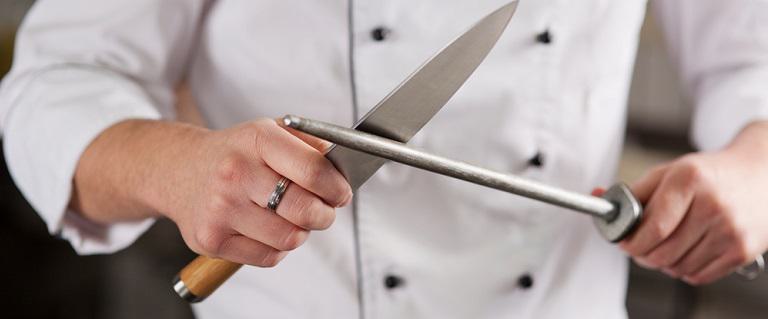
- Honing with a steel rod helps maintain sharpness and extends time between sharpening.
- Proper washing and drying prevent rust and corrosion.
Credit: www.reddit.com
How To Tell If Your Knife Needs Sharpening
You don’t need special tools to check knife sharpness. Here are simple tests:
- Paper Test: Hold a sheet of paper and try slicing it. If the knife cuts cleanly, it’s sharp.
- Tomato Test: Try slicing a ripe tomato. A sharp knife glides through; a dull one squishes.
- Visual Inspection: Look at the edge in good light. A dull edge will reflect light and show shiny spots.
- Feel Test: Gently run your thumb across (not along!) The blade. A sharp edge will feel crisp.
If your knife fails any of these tests, it’s time to sharpen.
Sharpening Vs. Honing: What’s The Difference?
Many people confuse sharpening with honing, but they are not the same. Honing realigns the edge of the blade but does not remove metal. Sharpening grinds away metal to create a new edge.
| Process | Main Purpose | How Often |
|---|---|---|
| Honing | Realign blade edge | Every few uses |
| Sharpening | Restore sharpness | Every 1–6 months |
Honing keeps a sharp knife in good shape, but if the knife is already dull, only sharpening will help.
How Often Should You Sharpen Kitchen Knives? Practical Guidelines
Let’s look at some general recommendations based on real kitchen use:
- Professional chefs: Sharpen every 1–2 weeks. They use knives heavily, so regular sharpening keeps performance high.
- Home cooks (daily): Sharpen every 1–2 months. This is enough to keep most knives in top condition.
- Home cooks (occasional): Sharpen every 4–6 months. If you only cook on weekends, less sharpening is needed.
- Ceramic knives: Sharpen once or twice a year, but use a professional or a diamond sharpener.
Remember, these are guidelines. Pay attention to how your knife feels and cuts.
Different Sharpening Methods
There are several ways to sharpen kitchen knives. Each has pros and cons.
Whetstone (sharpening Stone)
- Best for: Most kitchen knives
- Control: High
- Skill needed: Medium to high
- Tip: Soak in water before use if using a water stone.
Manual Pull-through Sharpener
- Best for: Beginners
- Control: Medium
- Skill needed: Low
- Tip: Use gentle, even strokes to avoid removing too much metal.
Electric Sharpener
- Best for: Quick results
- Control: Medium
- Skill needed: Low
- Tip: Don’t overuse; they can wear knives down faster.
Professional Service
- Best for: Expensive or specialty knives
- Cost: $5–$10 per knife
- Tip: Use once or twice a year for a full restoration.
Here is a simple comparison:
| Method | Ease of Use | Edge Quality | Best For |
|---|---|---|---|
| Whetstone | Medium | Excellent | All knives |
| Manual Sharpener | Easy | Good | Beginners |
| Electric Sharpener | Very Easy | Average | Quick sharpening |
| Professional Service | Very Easy | Excellent | High-end knives |
How To Sharpen A Kitchen Knife At Home
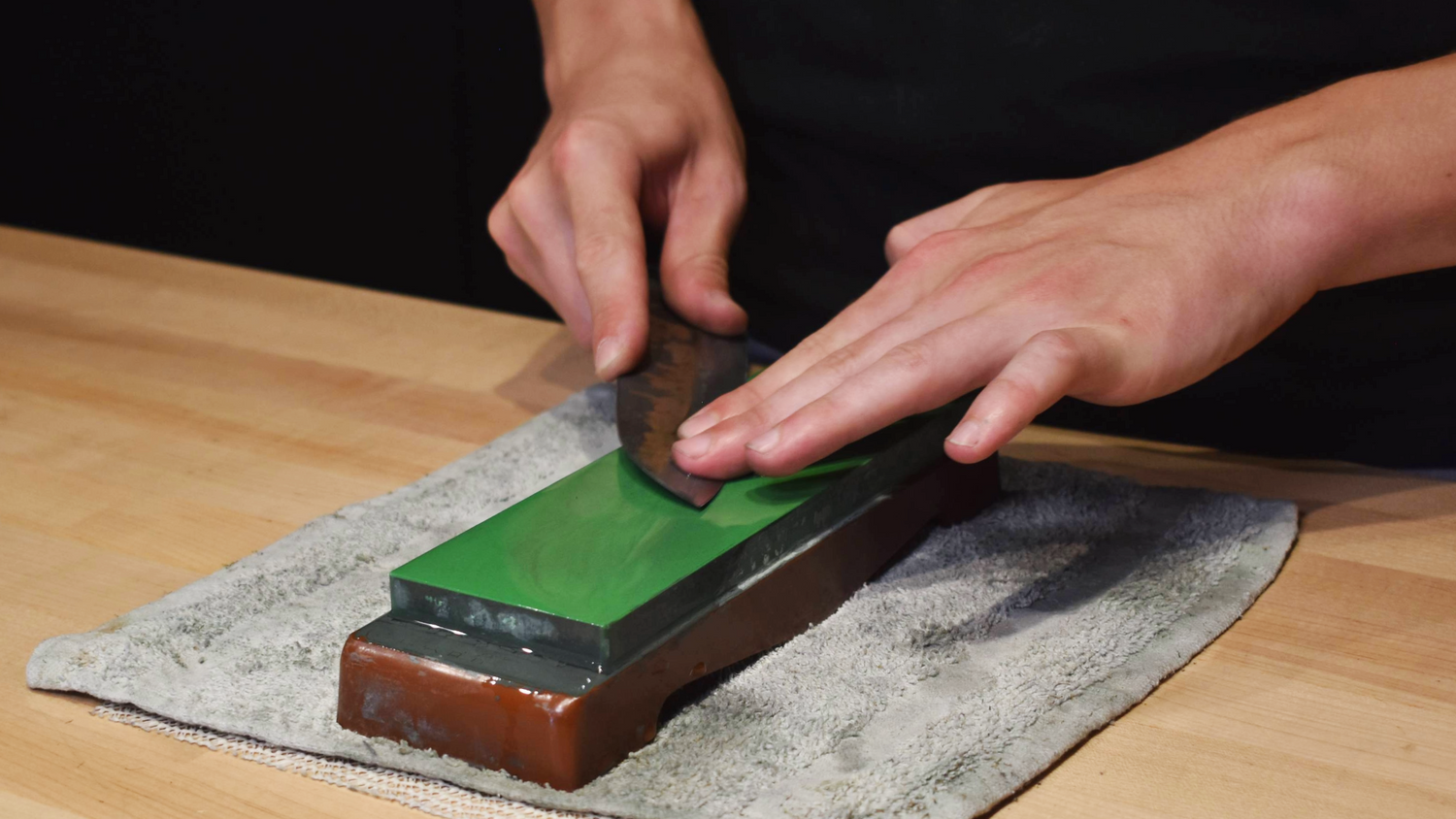
If you want to sharpen at home, here’s a step-by-step for a common method: the whetstone.
- Choose the right grit: Use 1000 grit for dull knives, 3000–6000 grit for finishing.
- Soak the stone: Soak in water for 10–15 minutes if using a water stone.
- Set the angle: Hold the knife at a 15–20 degree angle.
- Sharpen one side: Draw the blade across the stone, from heel to tip, 10–15 times.
- Switch sides: Repeat for the other side.
- Finish: Use a finer stone or a honing rod to polish the edge.
- Clean and dry: Rinse and dry the knife carefully.
Pro tip: Always go slow. Too much pressure or the wrong angle can damage the blade.
Common Mistakes When Sharpening Knives
Many people make mistakes that shorten a knife’s life or ruin its edge:
- Using the wrong angle: Most kitchen knives need a 15–20 degree angle.
- Pressing too hard: This wears the blade down and can chip the edge.
- Skipping honing: Honing between sharpening sessions keeps the knife sharper longer.
- Using glass or stone cutting boards: These dull knives quickly.
- Not cleaning after sharpening: Metal particles can get into food if you don’t wipe down the blade.
How Long Does It Take To Sharpen A Knife?
For most home cooks, sharpening a knife takes about 5–10 minutes with a whetstone and less than 5 minutes with a manual or electric sharpener. Professional services may take a few days if you send your knives out.
How To Maintain Sharpness Longer
Sharpening is only part of knife care. Here’s how to keep your knives sharp as long as possible:
- Use a honing steel every few uses.
- Store knives properly in a knife block or on a magnetic strip.
- Hand-wash and dry immediately—never put sharp knives in the dishwasher.
- Use proper cutting boards (wood or plastic).
- Avoid twisting or prying with the blade.
Here’s a quick maintenance checklist:
| Maintenance Task | How Often | Why It Matters |
|---|---|---|
| Honing | Every few uses | Maintains edge alignment |
| Sharpening | 1–6 months | Restores edge sharpness |
| Proper storage | Always | Prevents damage |
| Use good cutting boards | Always | Slows dulling |
Credit: us.seisukeknife.com
Non-obvious Insights Beginners Miss
Many beginners overlook consistent honing. They think sharpening is enough, but regular honing can double the time between sharpening sessions. Another missed point is that over-sharpening can wear out a knife faster than necessary. Only sharpen when the knife truly needs it, not just on a schedule.
Some also forget that knife storage makes a big difference. Tossing sharp knives in a drawer can dull or even chip the edge. Investing in a magnetic strip or block can keep knives sharper for longer.
When To Replace A Knife Instead Of Sharpening
Even with proper care, all knives eventually wear out. If your knife has a bent or chipped blade, or if sharpening no longer restores the edge, it may be time to replace it. High-quality knives can last decades with good maintenance, but inexpensive knives might only last a few years.
Credit: www.bobsredmill.com
Where To Learn More
For those interested in deepening their knowledge, the American Knife and Tool Institute provides excellent resources on knife care and sharpening. You can read more at AKTI.org.
Frequently Asked Questions
How Do I Know If My Knife Is Dull?
If your knife has trouble slicing through paper or a tomato, or if it slips off onion skin, it’s probably dull. A dull knife also feels less precise and may require more force to cut.
Is Honing Enough, Or Do I Need To Sharpen?
Honing helps maintain the edge but does not actually sharpen a dull knife. If your knife is still not cutting well after honing, it’s time for sharpening.
How Can I Avoid Damaging My Knife While Sharpening?
Use the correct angle (usually 15–20 degrees), don’t use too much pressure, and avoid grinding one spot for too long. Always follow the manufacturer’s instructions for your specific knife.
Can I Use An Electric Sharpener On Expensive Knives?
You can, but use with caution. Electric sharpeners remove more metal and can change the blade’s shape if used too often. For high-end knives, a whetstone or professional sharpening is safer.
What’s The Difference Between Sharpening And Polishing?
Sharpening creates a new edge by removing metal. Polishing smooths out the edge for a finer finish, usually with a high-grit stone or strop, after sharpening.
Keeping your kitchen knives sharp is a simple but powerful way to improve your cooking. With the right habits and a bit of attention, you’ll enjoy safer, faster, and more precise food prep every day.