Skip to content
Why Do My Kitchen Knives Get Dull So Fast
Sharp kitchen knives make cooking easier, safer, and more enjoyable. But many people find their knives get dull quickly—sometimes within weeks. You might wonder why this happens and what you can do to keep your blades sharp for longer. Understanding the causes of fast dulling can help you make better choices and avoid common mistakes.
In this article, you’ll learn the science behind dull knives, practical ways to prevent it, and how to spot issues before they ruin your favorite blade.
What Makes A Knife Dull?
A knife becomes dull when its edge loses sharpness. This happens for several reasons:
- Edge deformation: The sharp tip bends or folds.
- Micro-chipping: Tiny pieces break off the edge.
- Wear and tear: The edge wears down over time.
These processes are driven by both the materials used and how you treat your knives.
Common Causes Of Fast Dulling
Poor Cutting Surfaces
The surface you cut on matters a lot. Hard surfaces damage knife edges. Here’s a comparison of popular cutting boards:
| Cutting Board Material | Knife Edge Impact | Recommended? |
|---|---|---|
| Glass | High damage | No |
| Marble/Granite | Very high damage | No |
| Plastic | Low damage | Yes |
| Wood | Lowest damage | Yes |
Glass and stone boards are especially bad. They can dull a knife after just a few uses. Wood and plastic are much gentler.
Low-quality Knife Steel
The type of steel used for a knife affects its edge retention. Cheap knives are often made from soft steel. These lose sharpness quickly. Harder, high-quality steels hold their edge longer, but can also chip if used incorrectly.
Here’s a quick comparison:
| Steel Type | Edge Retention | Sharpening Ease |
|---|---|---|
| Stainless (Soft) | Poor | Easy |
| High Carbon | Good | Moderate |
| Premium Alloys | Excellent | Hard |
Soft steels dull faster but are easier to sharpen. Hard steels stay sharp but need special care.
Improper Knife Use
Knives are designed for specific tasks. Using them wrongly causes fast dulling. Some examples:
- Cutting bones, frozen foods, or hard nuts with a chef’s knife.
- Twisting or prying food with the blade.
- Using a knife to open cans or boxes.
Avoid these mistakes to keep your knife sharp longer.
Bad Storage Habits
Many people store knives loosely in drawers. This causes blades to rub against other objects, dulling the edge. Better storage options include:
- Knife blocks (wood or plastic slots)
- Magnetic strips (mounted on the wall)
- Blade guards (plastic covers for each knife)
Incorrect Cleaning Techniques
Washing knives in the dishwasher is a common mistake. High heat, strong detergents, and contact with other utensils damage the edge. Hand wash your knives with mild soap and dry them right away.
Not Honing Or Sharpening Regularly
Even the best knives need regular maintenance. Honing keeps the edge straight, while sharpening removes material to make the edge sharp again. Skipping these steps means your knife will dull faster.
How Kitchen Tasks Affect Knife Sharpness
Some cooking tasks are harder on knives than others. Let’s look at a few examples:
- Slicing soft fruits and vegetables: Minimal wear.
- Chopping hard vegetables (carrots, squash): Moderate wear.
- Cutting through tough meat or bones: Heavy wear.
If you use your knife mainly for tough jobs, expect it to dull quickly. Using the right knife for each task helps prevent unnecessary damage.
Environmental Factors
Humidity and kitchen conditions also matter. High moisture can cause rust on non-stainless blades. Rust weakens the edge and makes dulling faster. Storing knives in a dry place helps avoid this.
How Often Should You Sharpen?
There’s no single answer, but most home cooks should sharpen their knives every 2-3 months. If you cook daily or use your knives heavily, sharpen more often. Honing can be done weekly or even daily.
Practical Ways To Keep Knives Sharp Longer
- Use a soft cutting board: Choose wood or plastic.
- Store knives properly: Use blocks, strips, or guards.
- Hand wash only: Avoid dishwashers.
- Hone regularly: A few strokes before each use.
- Sharpen as needed: When honing no longer helps.
- Use the right knife for each task: Don’t use chef’s knives for bones.
- Avoid twisting or prying: Use a spatula or special tool instead.
Common Mistakes That Dull Knives
Many beginners make these errors:
- Using glass or stone cutting boards.
- Tossing knives in drawers without protection.
- Washing knives with harsh chemicals.
- Ignoring regular honing and sharpening.
- Using knives on frozen foods.
Avoiding these mistakes can double or triple the life of your knife’s edge.
Non-obvious Insights That Matter
- Angle matters: The sharpening angle affects durability. Western knives are usually sharpened at 20 degrees, while Japanese knives at 15 degrees. A smaller angle is sharper but less durable.
- Micro-corrosion: Even stainless steel can corrode at a microscopic level, weakening the edge. Dry your knives well and avoid salty or acidic foods sitting on the blade.
Most people miss these details, but they make a big difference in edge longevity.

Credit: tsprof.us
When To Replace Your Knife
Knives don’t last forever. If your blade has deep chips, cracks, or cannot be sharpened, it’s time for a new one. High-quality knives can last decades with proper care.
Comparing Knife Brands And Edge Retention
Some brands are known for longer-lasting edges. Here’s a quick overview:
| Brand | Edge Retention (Average) | Price Range |
|---|---|---|
| Victorinox | 3-6 months | $30-$60 |
| Wüsthof | 6-12 months | $80-$150 |
| Shun | 9-18 months | $100-$300 |
Higher-priced knives often use better steel and more precise manufacturing, leading to longer sharpness.

Credit: seidoknives.com
Signs Your Knife Is Dull
You don’t need fancy equipment to test your knife. Try these:
- Paper test: A sharp knife slices cleanly through paper.
- Tomato test: If you need pressure to cut a tomato, the knife is dull.
- Visual check: Look for shiny spots on the edge—they indicate dullness.
Sharpening Methods: Pros And Cons
There are several ways to sharpen a knife:
- Sharpening stones: Precise, but takes practice.
- Manual pull-through sharpeners: Easy, but can remove too much metal.
- Electric sharpeners: Quick, but less control.
- Professional sharpening: Best for expensive knives, but costs more.
Choose a method based on your skill and the value of your knives.
Expert Tips For Knife Maintenance
- Always cut straight down; avoid rocking or twisting.
- Don’t use a knife on hot foods right after sharpening. Let the edge “settle.”
- Wipe blades clean and dry immediately after use.
- Use mineral oil on carbon steel knives to prevent rust.
Real Data: Knife Edge Lifespan
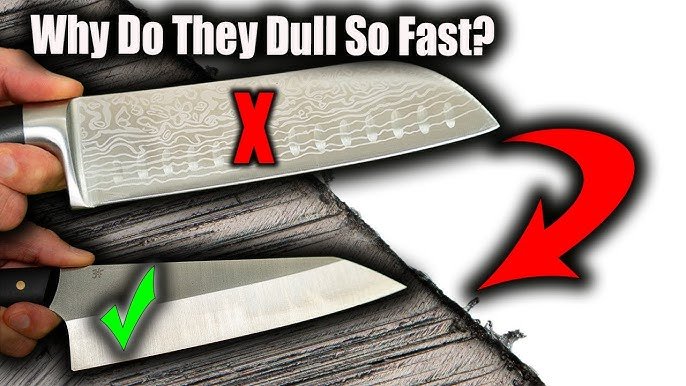
Studies show that most home knives lose their sharp edge within 30-50 hours of use. For professional chefs, knives may need sharpening every week. The most important factors are cutting surface, steel type, and maintenance habits.
Credit: www.youtube.com
Frequently Asked Questions
Why Do Some Knives Stay Sharp Longer Than Others?
Knives made from higher-quality steel and used on soft cutting boards will stay sharp longer. The angle of sharpening and blade thickness also play a role.
Is It Bad To Use A Knife For Multiple Kitchen Jobs?
Yes. Using one knife for all tasks—especially cutting hard foods or prying—will dull it faster. Use different knives for different jobs to preserve the edge.
How Can I Tell If My Knife Is Dull?
If your knife struggles to slice tomatoes or slips on onions, it’s dull. Try the paper test or look for shiny spots on the edge.
Should I Sharpen Or Hone My Knife?
Honing realigns the edge and should be done often. Sharpening removes metal and creates a new edge. If honing doesn’t improve performance, it’s time to sharpen.
What’s The Best Way To Store Knives?
Store knives in a block, on a magnetic strip, or with blade guards. Avoid tossing them in drawers, which damages the edge.
A sharp knife is a joy to use and makes cooking safer and more efficient. By understanding why knives get dull so fast—and learning how to prevent it—you can save money, time, and frustration. Focus on good habits: use soft cutting boards, store knives properly, clean them gently, and maintain the edge regularly. With a little care, your knives will stay sharp much longer, making every meal easier to prepare. For more advanced information on knife steel types and maintenance, visit Wikipedia.