Skip to content
If you love slow cookers but your favorite recipes are written for the oven, you’re not alone. Many classic dishes, from lasagna to pot roast, are designed for baking or roasting. But what if you want the hands-off convenience and unique results of a crockpot?
Converting an oven recipe to the crockpot is possible—and often easier than you think. With the right adjustments, you can enjoy tender, flavorful meals with minimal effort. This guide will show you exactly how to adapt your favorite oven meals for slow cooking, with practical tips, clear examples, and advice you won’t find in basic guides.
Why Convert Oven Recipes To Crockpot?
There are good reasons to swap the oven for a crockpot. First, slow cookers use less energy than ovens, which can save money on electricity. Second, they keep your kitchen cool, which is a huge benefit in summer. Third, they make it easy to prepare food ahead of time and come home to a hot, ready meal. Last but not least, the gentle heat of a crockpot can make tough cuts of meat melt-in-your-mouth tender.
But not all dishes work perfectly when moved from oven to crockpot. Some need timing, ingredient, or technique changes. Understanding these differences is the key to successful conversions.
Understanding The Differences: Oven Vs. Crockpot
Before you convert, it’s important to know how cooking methods affect your results. Ovens cook with dry, direct heat, usually at temperatures from 300°F to 450°F. Food cooks faster, and browning (the Maillard reaction) adds flavor and texture.
Crockpots use moist, gentle heat—usually between 170°F (low) and 280°F (high). Food cooks much slower, often taking several hours. This creates tender dishes, but you won’t get crispy or browned surfaces without extra steps.
Here’s a side-by-side look:
| Feature | Oven | Crockpot |
|---|---|---|
| Heat Type | Dry, direct | Moist, gentle |
| Temperature Range | 300°F–450°F | 170°F–280°F |
| Cooking Time | 30 min–3 hr | 4–10 hr |
| Browning | Yes | No (unless pre-browned) |
Credit: www.apronfreecooking.com
Key Principles Of Conversion
Switching from oven to crockpot isn’t just about setting a timer for longer. You need to think about temperature, liquid, prep, and timing. Here are the main principles:
- Reduce oven temperature by about 100°F for slow cooker cooking. Most oven recipes bake at 350°F—crockpots reach about 210°F on low and 280°F on high.
- Increase cooking time. A dish that bakes for 1 hour will take 4–6 hours on high or 8–10 hours on low.
- Add less liquid. Slow cookers don’t evaporate moisture like ovens, so you usually need less broth, wine, or sauce.
- Layer ingredients thoughtfully. Dense veggies (like potatoes or carrots) should go on the bottom, meats in the middle, and delicate items (like tomatoes or peas) on top.
- Browning adds flavor. For best taste and texture, brown meats or sauté onions before adding to the crockpot.
Step-by-step: How To Convert An Oven Recipe
Let’s break down the process into clear steps. You can use this method for most casseroles, stews, roasts, and baked dishes.
1. Check If The Recipe Is Suitable
Not every oven recipe works well in a crockpot. Dishes that need crisp edges (like pizza or pie) usually don’t translate well. But soups, stews, braises, and many casseroles do.
Best candidates:
- Braised meats (pot roast, pulled pork)
- Soups and stews
- Casseroles with sauce
- Chili
- Curries
Not ideal:
- Baked goods (cakes, cookies)
- Fried or crispy foods
2. Adjust The Amount Of Liquid
Oven dishes lose water as they cook; slow cookers trap it. If your oven recipe uses 2 cups of broth, reduce to 1 cup or less. As a rule, cut liquid by about 1/3 to 1/2. If the dish needs sauce, use just enough to barely cover the ingredients.
For rice or pasta, use less water than the oven version, as they absorb moisture slowly in a crockpot.
3. Change Cooking Time And Temperature
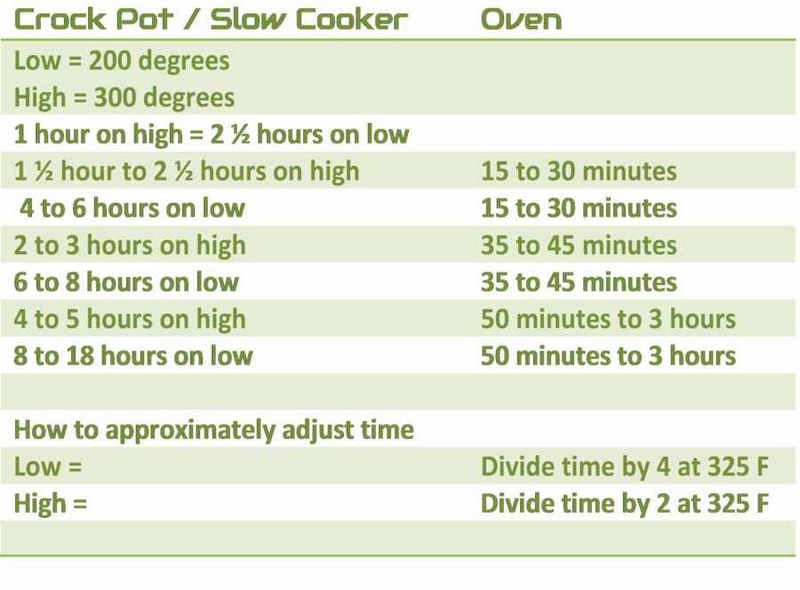
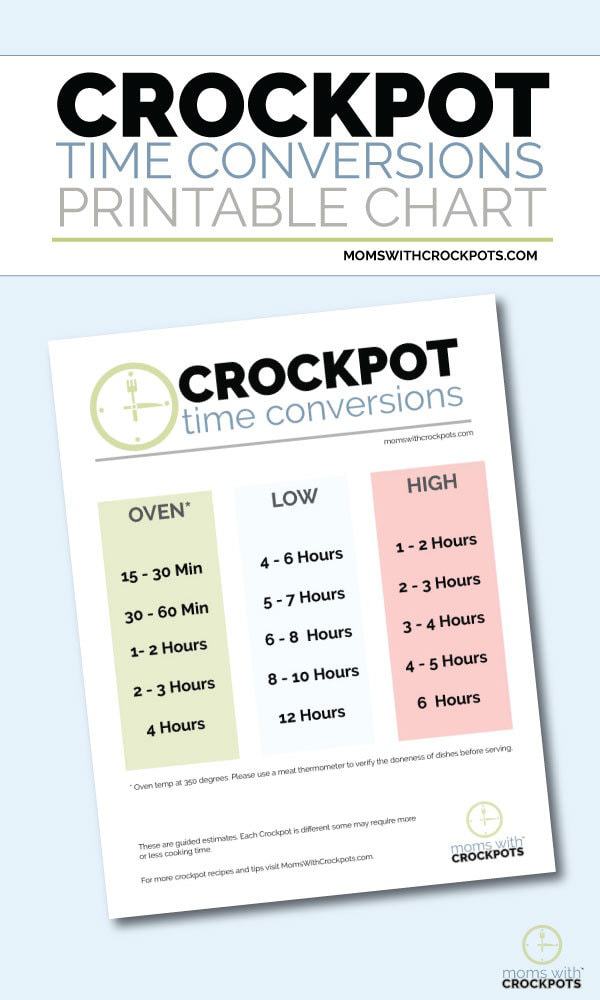
Here’s a handy conversion guide for oven-to-crockpot timing:
| Oven Time | Slow Cooker on Low | Slow Cooker on High |
|---|---|---|
| 15–30 min | 4–6 hr | 2–3 hr |
| 30–60 min | 5–7 hr | 3–4 hr |
| 1–2 hr | 6–8 hr | 3–5 hr |
| 2–3 hr | 8–10 hr | 4–6 hr |
This is a starting point—always check doneness with a thermometer for meat or by texture for casseroles.
4. Prep Ingredients Differently
- Brown meat: Sear beef, chicken, or pork first for better flavor.
- Sauté aromatics: Onions, garlic, and spices taste richer if cooked briefly before entering the crockpot.
- Chop vegetables evenly: So they cook at the same rate. Place hard veggies (carrots, potatoes) at the bottom.
- Add dairy last: Milk, cream, or cheese can curdle if cooked too long. Stir in during the final 30–60 minutes.
5. Layer And Fill Properly
Fill your crockpot between half and three-quarters full. Too little and food may burn; too much and it may not cook evenly.
Layering matters:
- Bottom: Hard veggies
- Middle: Meat
- Top: Softer vegetables, herbs, tomatoes
6. Adjust For Thickeners
If your oven recipe ends with a thick sauce, you’ll need to adapt. Slow cookers don’t reduce liquid much. To thicken at the end:
- Remove lid for the last 30–60 minutes.
- Stir in a slurry of cornstarch and water.
- Use less initial liquid and add more only if needed.
Example: Converting Classic Beef Stew
Let’s use a classic oven beef stew recipe and show how to convert it for the crockpot.
Oven recipe:
- 2 lbs beef chuck, cubed
- 4 carrots, sliced
- 4 potatoes, diced
- 1 onion, chopped
- 3 cups beef broth
- 1 cup red wine
- 2 tbsp tomato paste
- 2 tbsp flour
- 1 tsp thyme
- Salt and pepper
Oven method: Brown beef, add flour, sauté veggies, combine with broth, tomato paste, wine, and herbs in a Dutch oven. Bake covered at 325°F for 2.5 hours.
Crockpot conversion:
- 2 lbs beef chuck, cubed and browned
- 4 carrots, sliced (bottom layer)
- 4 potatoes, diced (bottom layer)
- 1 onion, chopped (middle layer)
- 1.5 cups beef broth (less than oven version)
- 0.5 cup red wine
- 2 tbsp tomato paste
- 2 tbsp flour (mix with browned beef)
- 1 tsp thyme
- Salt and pepper
Crockpot method: Brown beef and toss with flour. Layer carrots and potatoes in the crockpot. Add beef, onions, tomato paste, thyme, salt, and pepper. Pour in broth and wine. Cover and cook on low for 8 hours or high for 4–5 hours. If sauce is thin, remove lid for last 30 minutes or add a cornstarch slurry.
Special Ingredient Adjustments
Some ingredients behave differently in slow cookers. Here’s what you need to know:
Dairy
Milk, cream, and cheese can separate if cooked too long. Always add these in the last 30–60 minutes, or just before serving.
Pasta And Rice
They can get mushy if cooked from the start. For best results, cook pasta or rice separately, then add to the crockpot in the last 30–60 minutes.
Fresh Herbs
They lose their flavor during long cooking. Add half at the start for aroma, and the rest just before serving for freshness.
Seafood
Fish and shrimp cook very quickly. Add them in the last hour, or even the last 30 minutes, to prevent overcooking.

Credit: www.myfearlesskitchen.com
Mistakes To Avoid When Converting Recipes
Even experienced cooks make common errors when converting oven recipes to crockpot. Watch out for these:
- Adding too much liquid. Remember, liquid doesn’t evaporate in a crockpot.
- Overfilling the pot. Stick to the half or three-quarters rule.
- Not browning meat. Searing before slow cooking adds deep flavor and better texture.
- Using the wrong cut of meat. Tough, marbled cuts (like chuck or brisket) do better than lean, tender ones.
- Opening the lid. Every time you lift the lid, you lose heat and increase cooking time by 15–20 minutes.
Tips For The Best Crockpot Results
- Prep the night before. Assemble ingredients in the slow cooker insert, cover, and refrigerate overnight. Start cooking in the morning.
- Trim excess fat. Too much fat in the crockpot can make sauces greasy.
- Use a liner. Crockpot liners make cleanup easier, especially for sticky dishes.
- Test doneness. Use a meat thermometer for roasts (target 190°F for pulled pork, for example).
- Let flavors develop. Many slow-cooked dishes taste even better the next day.
Credit: momswithcrockpots.com
When Not To Use A Crockpot
Some dishes just aren’t the same in a slow cooker. For example, crispy-skinned chicken, roasted potatoes, or baked pies need dry heat. If the recipe depends on a crunchy top or golden crust, stick with the oven.
How To Adjust Seasonings And Spices
Crockpots can dull the flavor of dried herbs and spices due to the long cooking time. To keep dishes tasty:
- Use bold seasonings. Consider increasing herbs and spices by 25–50% over the oven version.
- Add a splash of acid (lemon juice or vinegar) at the end to brighten the flavors.
- Add salt at the end, especially if you’re using salty broths or condensed soups.
Adapting Different Types Of Recipes
Roasts And Large Meats
Large cuts like pork shoulder, brisket, or whole chicken work well. Brown first, use less liquid (just enough to cover the bottom), and cook on low for 8–10 hours.
Casseroles
Casseroles with a lot of sauce convert well. Skip crispy toppings or add them at the end under the broiler.
Soups And Stews
Almost all oven soups and stews can be made in a crockpot. Reduce liquid and add quick-cooking vegetables later.
Baked Pasta Dishes
Precook pasta first, then combine with sauce and cheese for the last hour.
Baked Beans Or Lentils
These adapt well. Use slightly less water, and cook on low for 8–10 hours.
Advanced Conversion: Making Oven-to-crockpot Swaps
For cooks who want to go further, here’s how to swap common oven techniques for slow cooker methods:
| Oven Technique | Crockpot Swap | Notes |
|---|---|---|
| Browning/Broiling | Sear in skillet first | Finish under broiler if needed |
| Roasting Veggies | Layer at bottom, cook on high | Add late for more texture |
| Crispy Topping | Add at end, broil separately | Breadcrumbs/cheese best added last |
| Thickening Sauce | Uncover or add cornstarch slurry | Last 30–60 minutes |
Two Non-obvious Insights For Better Results
- The “Flavor Lid” Trick: Place a layer of parchment paper or foil between the pot and lid. This can help control excess moisture, especially for dishes you want thicker or with less watery sauce.
- The “Staggered Ingredient” Method: For best texture, don’t add all ingredients at the start. Add root vegetables and tough meats first, but wait until halfway through to add soft veggies or delicate proteins.
Real-world Example: Oven Lasagna To Crockpot Lasagna
Lasagna is a favorite that many people want to convert. In the oven, it bakes at 375°F for about 50 minutes. For the crockpot:
- Use no-boil noodles or regular noodles broken to fit.
- Use half the liquid sauce as the oven version (to prevent soupiness).
- Layer as usual, ending with sauce and cheese.
- Cook on low for 4–5 hours.
- Remove lid for last 30 minutes to firm up the top.
This method keeps the layers intact and avoids a watery mess.
Finding And Using Reliable Conversion Charts
Many trusted sources, like FoodSafety.gov, offer safe cooking temps for meat and poultry. Always check these when trying new recipes.
Frequently Asked Questions
How Much Liquid Should I Use When Converting Oven Recipes To Crockpot?
Usually, reduce the amount of liquid by about one-third to one-half. Slow cookers don’t let moisture escape, so too much liquid makes dishes watery. Just use enough to barely cover the ingredients.
Can I Put Raw Meat Straight Into The Crockpot?
Yes, you can, and it will cook through if cooked long enough. But browning meat first adds better flavor and improves texture. For ground meat, always brown and drain first.
Do I Need To Stir Food In The Crockpot While Cooking?
No, stirring is not usually necessary. In fact, opening the lid drops the temperature and slows cooking. Only stir if the recipe specifically says so, or at the end when adding dairy or thickeners.
What’s The Best Way To Thicken A Crockpot Dish?
To thicken, uncover the crockpot for the last 30–60 minutes or add a cornstarch slurry (mix 1 tablespoon cornstarch with 2 tablespoons water) and stir in during the last hour.
Are There Any Foods I Should Not Cook In A Crockpot?
Yes. Avoid delicate fish (unless added at the end), foods that must be crispy, and some dairy-heavy dishes. Also, dried kidney beans should be boiled first to remove toxins before adding to the crockpot.
Bringing your favorite oven recipes to the crockpot is a smart way to save time and make dinner easier. With these steps and tips, you can confidently adapt almost any suitable dish and enjoy the unique benefits of slow cooking.
Your meals will be just as tasty—and maybe even better—than the original oven versions.