Skip to content
Electric skillets are becoming more popular in kitchens around the world. They offer a simple way to cook, fry, or bake without using a stove. But many people wonder: How much electricity does an electric skillet use? If you want to save money and energy, understanding this is important. Let’s explore the facts, numbers, and practical advice about electric skillet electricity usage.
What Is An Electric Skillet?
An electric skillet is a flat, heated cooking surface powered by electricity. Unlike stovetop pans, it plugs into a wall outlet. Most skillets let you set the temperature. They’re great for frying, sautéing, simmering, or even baking small dishes. Some models have non-stick surfaces and glass lids.
People use electric skillets because:
- They offer even heating
- They free up stove space
- They’re portable
But How Much Power Do They Actually Need To Run?
How Electric Skillets Use Electricity
Electric skillets use a heating element inside the base. When plugged in, electricity flows into this element, which heats the surface. The amount of electricity depends on:
- Wattage (how much power the skillet pulls)
- Cooking time (how long you use it)
- Temperature setting
The main measurement is watts. Most electric skillets range from 1000 to 1500 watts. Watts measure how much energy the skillet uses every second.
Average Wattage Of Electric Skillets
Knowing the wattage helps you understand electricity use. Most electric skillets fall between 1000 and 1500 watts. Here is a comparison of popular models:
| Brand & Model | Wattage | Size (inches) |
|---|---|---|
| Presto 06852 | 1500 W | 16 |
| Hamilton Beach 38528 | 1400 W | 12 |
| Cuisinart CSK-150 | 1500 W | 12 |
| Dash Family Size Skillet | 1200 W | 14 |
| Elite Gourmet EG-6203 | 1300 W | 12 |
Most home skillets use about 1.5 kilowatts per hour at full power. If you cook for 30 minutes, you use about 0.75 kilowatt-hours (kWh).
How To Calculate Electricity Use
To know exactly how much electricity your electric skillet uses, follow this simple calculation:
- Find the wattage (look at the label or manual)
- Multiply by cooking time (in hours)
- Divide by 1000 to get kWh
Example: If your skillet is 1500 watts and you cook for 1 hour,
- 1500 watts x 1 hour = 1500 watt-hours
- 1500 watt-hours ÷ 1000 = 1.5 kWh
If you cook for 30 minutes,
- 1500 watts x 0.5 hours = 750 watt-hours
- 750 watt-hours ÷ 1000 = 0.75 kWh
How Much Does It Cost To Use An Electric Skillet?
Electricity costs depend on your local rates. In the US, average rates are $0.15 per kWh (as of 2024). Here’s how to estimate your cost:
| Usage Time | Wattage | kWh Used | Estimated Cost |
|---|---|---|---|
| 30 minutes | 1500 W | 0.75 kWh | $0.11 |
| 1 hour | 1500 W | 1.5 kWh | $0.22 |
| 2 hours | 1200 W | 2.4 kWh | $0.36 |
| 30 minutes | 1000 W | 0.5 kWh | $0.08 |
So, cooking for an hour with a typical skillet costs less than a quarter, even at full power. If you cook every day for 30 minutes, your monthly cost is about $3 to $5.
Comparing Electric Skillet To Other Cooking Appliances
Many people ask: Is an electric skillet more energy-efficient than a stove or oven? Here’s a quick comparison:
| Appliance | Average Wattage | 1 Hour Use (kWh) | Estimated Cost |
|---|---|---|---|
| Electric Skillet | 1500 W | 1.5 | $0.22 |
| Electric Stove (single burner) | 2000 W | 2.0 | $0.30 |
| Oven | 2400 W | 2.4 | $0.36 |
| Microwave | 1200 W | 1.2 | $0.18 |
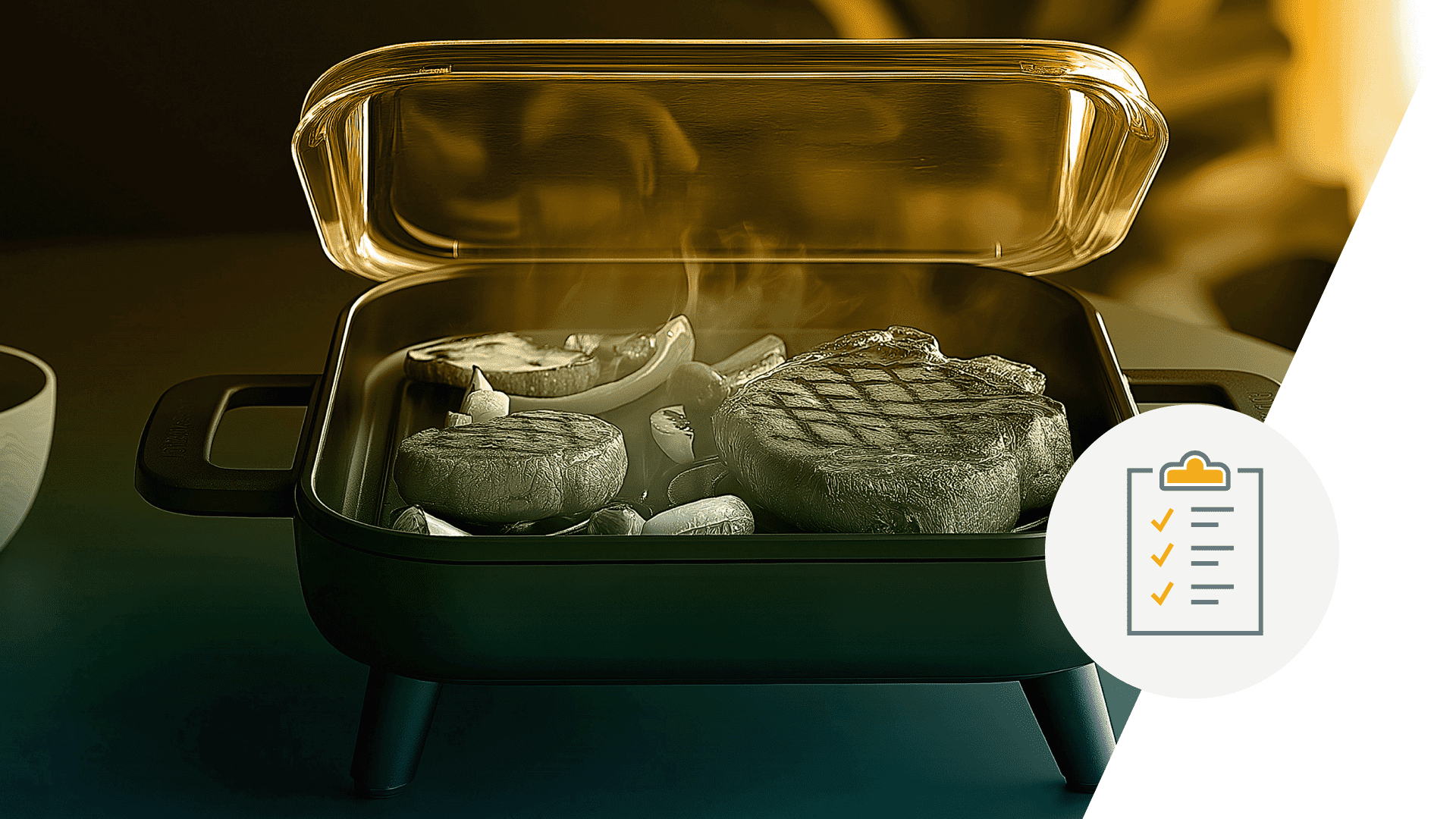
Electric skillets are often more efficient than ovens or stoves for small meals. The heat stays inside the pan, so less energy is lost.
Credit: paylesspower.com
Factors That Affect Electricity Use
Not all skillets use the same amount of electricity. Here are some things that change usage:
Size And Wattage
- Larger skillets usually need more watts to heat the surface.
- Higher wattage means faster heating but more electricity.
Cooking Temperature
- Higher settings use more power.
- Low settings (simmering) use less.
Cooking Duration
- Longer cooking means more kWh used.
- Frequent use adds up over time.
Lid Use
- Cooking with a lid keeps heat in. You use less energy because food cooks faster.
Food Type
- Wet foods (like soups) take longer and use more energy.
- Thin foods (like pancakes) cook quicker.
Environment
- Cold rooms make skillets work harder.
- High humidity can slow cooking times.
Real-life Examples
Let’s look at some common cooking tasks:
- Frying Eggs – Takes about 5 minutes at medium heat. Uses around 0.125 kWh (less than 2 cents).
- Pancake Breakfast – Cooking 6 pancakes for 15 minutes. Uses about 0.375 kWh (5 cents).
- Simmering Stew – Cooking for 45 minutes at low heat. Uses about 0.6 kWh (9 cents).
- Stir-Frying Vegetables – 10 minutes at high heat. Uses about 0.25 kWh (4 cents).
If you cook two meals daily, your monthly electricity usage for the skillet will be 15–25 kWh (about $2–$4).
Saving Electricity With An Electric Skillet
You can use your electric skillet efficiently. Here are some practical tips:
- Use the lid to trap heat and cook faster.
- Preheat only as needed; avoid leaving the skillet on when not cooking.
- Cook multiple items at once to save time and energy.
- Clean the skillet regularly. A dirty surface can slow cooking and use more power.
- Choose the right size. A bigger skillet uses more electricity, so pick a size that fits your meals.
Some people forget that preheating uses extra energy. Only preheat for a few minutes, then add food. Avoid using the skillet for long tasks like slow cooking; a slow cooker is more efficient for that.
Common Mistakes That Waste Electricity
Even experienced cooks make mistakes that increase electricity use:
- Leaving the skillet on after cooking
- Using high heat for simple foods
- Cooking without a lid
- Overfilling the pan (slows cooking)
- Using a large skillet for small meals
If you avoid these mistakes, you’ll save money and energy.
How To Choose An Energy-efficient Electric Skillet
When buying a skillet, focus on:
- Wattage: Lower wattage means less power, but slower heating.
- Size: Pick a size that matches your needs.
- Quality: Good brands heat evenly, so you cook faster.
- Temperature controls: Precise settings help you use only what you need.
- Lid quality: A tight lid saves energy.
Look for skillets with energy-saving features. Some models have auto shut-off or insulated sides.
Non-obvious Insights About Electric Skillet Electricity Use
Many beginners miss these points:
- Residual heat: After turning off, the skillet stays hot for a few minutes. You can finish cooking on residual heat and save energy.
- Voltage matters: In areas with lower voltage, the skillet may use more time to reach full heat, raising total electricity use.
- Cooking small portions: If you only cook small amounts, a smaller skillet uses less power and works more efficiently.
These tips can cut your electricity bill even more.

Credit: www.amazon.com
How Electric Skillets Impact Your Electricity Bill
If you use your electric skillet often, it will show up on your bill. But compared to other appliances, the impact is small. For a family of four, using the skillet for 30 minutes daily adds about $3–$5 per month. If you use energy-saving methods, this can drop to $2–$3.
Compare this to an oven, which might add $10–$15 per month for similar use. Electric skillets are a smart choice for small meals and quick cooking.
Environmental Impact
Using less electricity helps the environment. Electric skillets waste less energy than ovens or stoves for small meals. If you use renewable electricity, the impact is even lower. For eco-friendly cooking, use the skillet for simple dishes and avoid overuse.
For more information about energy-saving cooking methods, visit Energy.gov.

Credit: inthekitch.net
Frequently Asked Questions
How Do I Find My Electric Skillet’s Wattage?
Look for a label on the bottom or side of your skillet. It usually lists wattage in numbers like “1500 W.” If you don’t see it, check the user manual or the manufacturer’s website.
Is An Electric Skillet Cheaper To Run Than A Stove?
Yes, for small meals. An electric skillet uses less electricity than heating a whole stove burner or oven. The heat stays in the pan, so less energy is wasted.
Can I Use My Electric Skillet For Baking?
Yes, many skillets can bake simple dishes like cakes or casseroles. Baking times are similar to ovens, but the skillet uses less electricity for small portions.
Does Using The Lid Really Save Electricity?
Absolutely. Using a lid traps heat, cooks food faster, and lets you use lower settings. This can cut electricity use by 10–20%.
Are All Electric Skillets Energy Efficient?
No. Some older or large models use more power. Choose skillets with good quality, tight lids, and adjustable controls for best efficiency.
Electric skillets are practical, efficient, and affordable. With the right knowledge, you can cook well and save money. Remember the tips and facts above, and your kitchen will be both tasty and energy-smart.