Skip to content
Removing a handle from a kitchen knife can feel like a big task, especially if you have never tried it before. Sometimes, you need to do this because the handle is broken, loose, or you want to replace it with something better.
The process requires careful steps, basic tools, and some patience. If you rush, you might damage the blade or even hurt yourself. In this guide, you’ll learn exactly how to remove a handle from a kitchen knife safely and correctly, even if you are not an expert.
Why Remove A Handle From A Kitchen Knife?
A kitchen knife’s handle is more than just a place to grip. It affects how you cut, chop, and slice. Over time, handles can crack, loosen, or become unhygienic. Some people change handles for better comfort or style. Others need to fix a damaged knife instead of buying a new one. Removing the handle lets you:
- Replace a damaged or worn handle
- Clean or repair hidden rust or dirt
- Customize the knife for better grip
- Save money by fixing instead of buying
It’s important to know that not all knives are built the same. Some have handles attached with glue, others with rivets, and a few with screws. Understanding the handle type makes removal easier.
Tools And Materials Needed
Before starting, gather the right tools and materials. Using the wrong tools can make the job harder or even cause accidents. Here’s what you usually need:
- Safety gloves (cut-resistant)
- Safety goggles
- Small hammer
- Flathead screwdriver
- Pliers
- Drill with metal drill bits (for rivets)
- Utility knife or craft blade
- Wood chisel (for wooden handles)
- Heat gun or hair dryer (for glued handles)
- Bench vise (if available)
You may not need all these tools, depending on your knife. For example, a glued handle needs heat, while a riveted handle needs a drill.

Credit: www.reddit.com
Types Of Kitchen Knife Handles
Understanding the handle type is critical before removal. Here are the main types:
| Handle Type | Attachment Method | Ease of Removal |
|---|---|---|
| Wood | Rivets/Glue | Medium |
| Plastic | Rivets/Screws/Glue | Easy-Medium |
| Composite | Rivets/Glue | Medium-Hard |
| Metal | Screws/Welded | Hard |
Most kitchen knives use wood or plastic handles. These are easier to remove compared to welded or metal handles.
Step-by-step Guide: Removing The Handle
Follow these steps carefully. Each step is important for your safety and the knife’s condition.
Step 1: Prepare Your Workspace
Clear a table or bench and cover it with a cloth or newspaper. Make sure you have good lighting and enough space to work. Put on safety gloves and goggles.
Step 2: Secure The Knife
If you have a bench vise, use it to hold the blade tightly. Make sure the handle is exposed and easy to reach. If you don’t have a vise, hold the blade with one hand (wearing gloves) and work slowly.
Step 3: Identify Handle Attachment
Check how the handle is attached:
- Rivets: Look for small metal pins. These need drilling or tapping out.
- Screws: Look for screw heads. Remove with a screwdriver.
- Glue: Handles with no visible pins may be glued.
Step 4: Remove Rivets Or Screws
For rivets:
- Place the knife on a flat surface.
- Use a drill with a small metal bit to drill out the rivet head.
- Once the head is gone, use pliers to pull out the rest.
For screws:
- Use a matching screwdriver.
- Turn slowly, applying gentle pressure.
For glue:
- Use a heat gun or hair dryer to warm the handle for about 2–3 minutes.
- This softens the glue.
Step 5: Separate Handle Scales
Most handles have two sides (scales). Use a flathead screwdriver to gently pry apart the scales. If the handle is stubborn, tap the screwdriver with a hammer.
For wood handles, a wood chisel helps to separate scales without splintering.
Step 6: Remove Remaining Debris
After the scales come off, there may be bits of glue, rust, or wood left. Use a utility knife to scrape off debris. If the tang (metal part under the handle) is rusty, clean it with sandpaper.
Step 7: Inspect The Tang
Look for cracks, rust, or damage. If the tang is cracked, do not reuse the blade. If it’s just rusty, clean and dry it.
Step 8: Clean Up
Dispose of old handle parts safely. Wash your hands and tools. If you plan to add a new handle, make sure the tang is clean and dry.
Common Mistakes And How To Avoid Them
Removing a handle is not always easy. Many beginners make mistakes that can ruin the knife or cause injury. Here are some common errors:
- Using too much force: This can bend or snap the tang.
- Skipping safety gear: Always wear gloves and goggles.
- Wrong tool choice: Using a big hammer or wrong drill bit damages the knife.
- Heating too long: Overheating can warp the blade.
- Ignoring rivet size: Drilling with too big a bit enlarges the holes.
One insight many miss: Always check for hidden rivets under dirt or stickers. Some knives have extra pins that are not obvious.
Another tip: If the handle is glued, test with a knife blade—slide between the scales gently. If it moves, the glue is weak and removal will be easier.
When Should You Not Remove The Handle?
Some knives are not meant for handle removal. If your knife is a welded tang design, it may be impossible without destroying the blade. Also, knives with full tangs and welded handles (like some Japanese models) are best left to professionals.
If the blade is valuable or sentimental, consider asking a knife repair expert. According to Knife Planet, improper removal can ruin high-quality knives.
Safety Tips You Should Never Ignore
Knife handle removal can be dangerous. Here are safety tips that many overlook:
- Keep children and pets away from your workspace.
- Do not rush. Work slowly and carefully.
- If you feel the blade slipping, stop and secure it again.
- Always point the blade away from your body.
- If using a heat gun, don’t overheat—plastic handles can melt and release fumes.
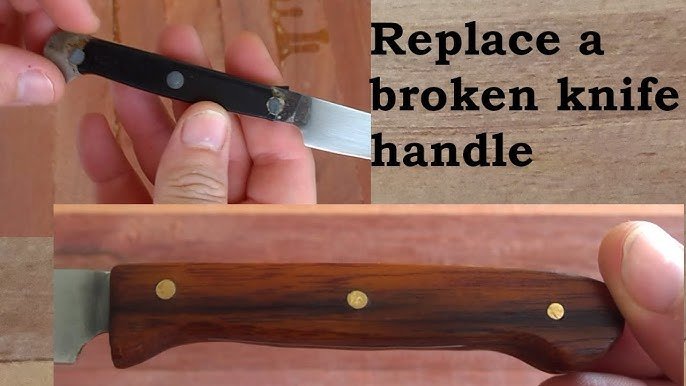
Example: Removing A Wooden Handle From A Chef’s Knife
Let’s walk through a real example, using a common chef’s knife with a wooden handle and rivets.
- Wear gloves and goggles.
- Secure the blade in a vise.
- Drill out the rivet heads with a small metal bit.
- Use pliers to pull rivets out.
- Pry the scales with a flathead screwdriver.
- Use a chisel to separate stubborn wood.
- Scrape leftover glue with a utility knife.
- Clean the tang with sandpaper.
Time needed: About 25–40 minutes, depending on handle condition.
Credit: www.youtube.com
How Long Does Handle Removal Take?
Handle removal time depends on the knife type and your experience. Here’s a comparison:
| Handle Type | Estimated Removal Time | Difficulty Level |
|---|---|---|
| Wood (riveted) | 30–45 minutes | Medium |
| Plastic (glued) | 20–30 minutes | Easy |
| Composite | 35–50 minutes | Hard |
| Metal (welded) | 1+ hour | Very Hard |
Most people can remove a wood or plastic handle in less than an hour.
Useful Tips For A Smooth Handle Removal
If you want the process to go smoothly, keep these tips in mind:
- Always check the handle for hidden pins before starting.
- Use a small hammer, not a big one, to avoid damaging the tang.
- For glued handles, test with heat for just 2–3 minutes.
- Clean all parts with rubbing alcohol to remove dirt and glue.
- If you want to reuse rivets, keep them safe. Most people replace them with new ones.
- Label your tools before starting—this saves time during the process.
Comparing Handle Removal Vs. Buying A New Knife
Many wonder if it’s better to fix or replace a knife. Here’s a comparison:
| Option | Cost | Time | Skill Needed |
|---|---|---|---|
| Handle Removal & Replacement | $10–$40 | 1–2 hours | Medium |
| Buy New Knife | $20–$150 | 0 | None |
If your knife is expensive or you have sentimental value, handle removal is the better choice. For cheap knives, buying new is often easier.
Frequently Asked Questions
How Do I Know If My Knife Handle Is Glued Or Riveted?
Check the handle for small metal pins—these are rivets. If you see no pins or screws, it’s likely glued. You can also tap the handle; a hollow sound often means glue.
Is It Safe To Remove A Handle At Home?
Yes, if you follow safety steps and use proper tools. Wear gloves and goggles, and never rush. If you feel unsure, ask a professional for help.
Can I Reuse The Old Handle After Removal?
Usually not. Old handles may be damaged or weakened during removal. It’s best to fit a new handle for safety and durability.
What Should I Do If The Tang Is Rusty?
Clean the tang with sandpaper or a wire brush. For deep rust, use rust remover. Dry the tang well before attaching a new handle.
Will Removing The Handle Damage The Blade?
If you use the right tools and work carefully, the blade should not be damaged. Avoid bending or hitting the tang. If the knife is valuable, consider professional help.
Removing a handle from a kitchen knife is a useful skill for anyone who wants to repair, customize, or restore their favorite kitchen tool. By following the steps and safety tips in this guide, you can do the job confidently and safely.
Remember, patience is key. If you are unsure, always seek expert advice. A well-maintained knife can last for years, making your kitchen tasks easier and safer.
Credit: www.klausmeyerknife.com