Keeping your kitchen knives sharp isn’t just about making cooking easier—it’s about safety, speed, and food quality. Sharp knives slice cleanly, which means less bruising of ingredients and fewer accidents. If you’ve ever struggled with a dull blade, you know how frustrating and dangerous it can be.
But knives don’t dull overnight; it’s often slow habits and small mistakes that lead to blunt edges. With some smart practices, you can keep your kitchen knives sharp much longer and avoid constant sharpening. Let’s look at how you can protect your investment and enjoy a smoother cooking experience every day.
Why Sharp Knives Matter
A sharp knife is safer and more effective than a dull one. When a blade is sharp, you need less force to cut, so the knife is less likely to slip. Dull knives crush food instead of slicing, damaging texture and flavor. For example, a sharp knife cuts tomatoes cleanly, while a dull one squashes them. Studies show that kitchen accidents often happen with dull blades because cooks use extra pressure, increasing the risk of slips. Keeping knives sharp helps you work faster and improves the look of your food.
Understanding Knife Dulling
Knives dull for several reasons. The most common cause is regular use; each cut wears away tiny bits of the edge. But many people unknowingly speed up dulling with bad habits. Cutting on hard surfaces, storing knives carelessly, or washing them the wrong way are all common mistakes.
Even the best steel will lose its edge over time, but you can slow this process by understanding how dulling happens and what to avoid.
Knife Edge Comparison
Here’s a quick look at how different materials affect knife sharpness:
| Material | Edge Retention (Approx.) | Risk of Dulling |
|---|---|---|
| Wood | Very High | Low |
| Plastic | High | Medium |
| Glass | Low | Very High |
| Ceramic | Low | Very High |
| Stone | Very Low | Extreme |
Always choose wood or plastic cutting boards to protect your knife’s edge.
Best Practices For Keeping Knives Sharp
Keeping knives sharp is about more than sharpening. It’s a mix of good habits and simple routines. Here are the most effective ways to keep your kitchen knives sharp longer:
1. Use The Right Cutting Surface
Never cut on glass, ceramic, or stone. These surfaces are hard and quickly dull knife edges. Use wood or plastic boards—they are gentle on blades and reduce edge wear. Bamboo is also a good choice, though harder than typical wood.
2. Hand Wash Only
Dishwashers can ruin knife blades. High heat and harsh detergents damage steel and handle materials. Knives can also bang against other items, causing chips and nicks. Always wash knives by hand with mild soap and warm water. Dry them immediately to prevent rust.
3. Store Knives Properly
Avoid tossing knives in drawers. This causes blades to rub and bang against other utensils, leading to dullness. Use knife blocks, magnetic strips, or blade guards for safe storage. Proper storage keeps the edge protected and reduces accidents.
4. Avoid Twisting And Scraping
Some cooks twist the blade to pry apart food or scrape ingredients off a board using the sharp edge. This is a common mistake that damages the edge. Use the back (spine) of the knife for scraping, and never twist the blade sideways.
5. Use Knives Only For Food
Don’t use kitchen knives for opening packages, cutting tape, or other non-food tasks. These uses can dull or chip the blade quickly.
6. Hone Regularly
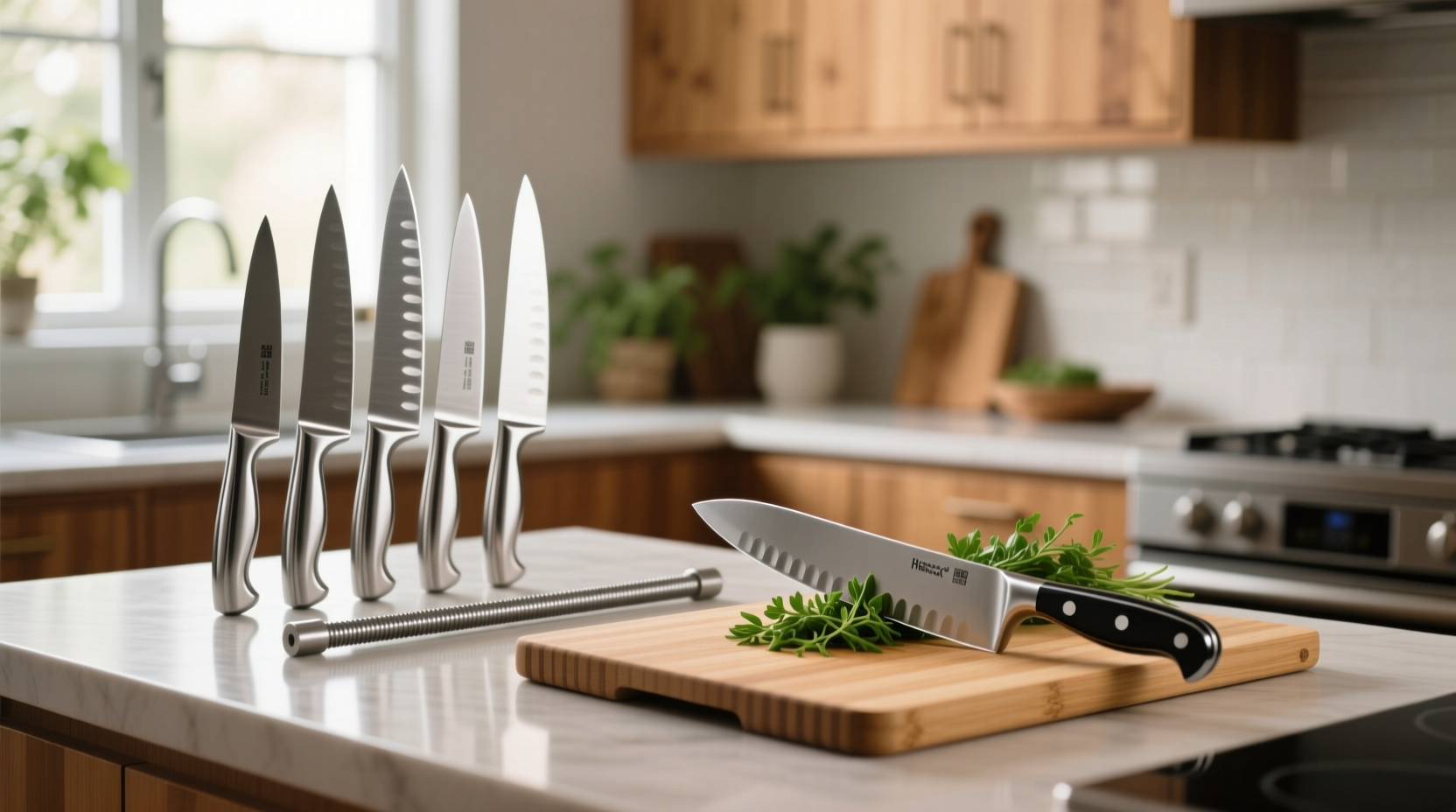
Many people confuse honing with sharpening. Honing doesn’t remove material; it realigns the edge. Use a honing steel every few days or before cooking. This keeps the knife edge straight and prevents dullness.
7. Sharpen When Needed
Even with all these habits, knives will eventually need sharpening. Home cooks can use whetstones, manual sharpeners, or professional services. How often you sharpen depends on usage; heavy users might need to sharpen every few months, light users once or twice a year.
Comparing Knife Maintenance Tools
Choosing the right tool for knife maintenance can make a big difference. Here’s how common tools compare:
| Tool | Purpose | Ease of Use | Effectiveness |
|---|---|---|---|
| Honing Steel | Edge Realignment | Easy | High (for maintenance) |
| Whetstone | Sharpening | Moderate | Very High |
| Pull-through Sharpener | Sharpening | Very Easy | Medium |
| Professional Service | Sharpening | Very Easy | Very High |
Whetstones give the best results but require practice. Honing steels are simple and ideal for daily maintenance.
Credit: lifetips.alibaba.com
Common Mistakes That Shorten Knife Life
Many people unknowingly ruin their knives with everyday habits. Here are a few mistakes to avoid:
- Leaving knives wet or dirty—this causes corrosion and weakens the edge.
- Using knives to cut frozen foods or bones—most kitchen knives are not designed for this and can chip.
- Storing knives loose in a drawer—edges will get damaged quickly.
- Putting knives in the dishwasher—harsh conditions dull the blade and damage the handle.
A non-obvious insight: Even small amounts of moisture between the blade and handle can cause hidden rust, especially in cheaper knives.
Practical Tips For Everyday Knife Care
Keeping knives sharp isn’t complicated, but it needs consistent care. Here are easy tips you can use daily:
- Wipe knives dry after washing, even if you’re in a hurry.
- Hone your knife before big cooking sessions.
- Use a separate knife for tough jobs (like cutting through thick squash).
- Keep your cutting board clean—grit or sand on the board can scratch the blade.
- Don’t leave knives soaking in water; always clean and dry them right after use.
Many people forget that regular honing can delay sharpening by months. It’s a simple habit that makes a big difference.
How Often Should You Sharpen Your Knives?
There’s no single rule, but here are some guidelines:
- For home cooks using knives daily: Sharpen every 3–6 months.
- For occasional use: Once or twice a year is enough.
- If you notice crushing, tearing, or slipping, sharpen right away.
Professional chefs often sharpen weekly, but most home cooks don’t need this frequency.
Knife Usage Vs. Sharpening Frequency
| Usage Level | Recommended Sharpening | Maintenance |
|---|---|---|
| Heavy (daily) | Every 2–3 months | Hone before each use |
| Medium (few times/week) | Every 4–6 months | Hone weekly |
| Light (occasionally) | Once per year | Hone monthly |
Adjust your routine based on how often you cook and the types of food you prepare.
Selecting Quality Knives For Longevity
The material and build of a knife affect how long it stays sharp. High-carbon stainless steel holds an edge longer than low-grade stainless. Well-made knives with full tangs (the metal runs through the handle) are stronger and less likely to bend.
When buying a knife, consider:
- Blade material: High-carbon steel is best for edge retention.
- Handle design: Ergonomic handles reduce fatigue and provide better control.
- Maintenance needs: Some knives need more frequent sharpening than others.
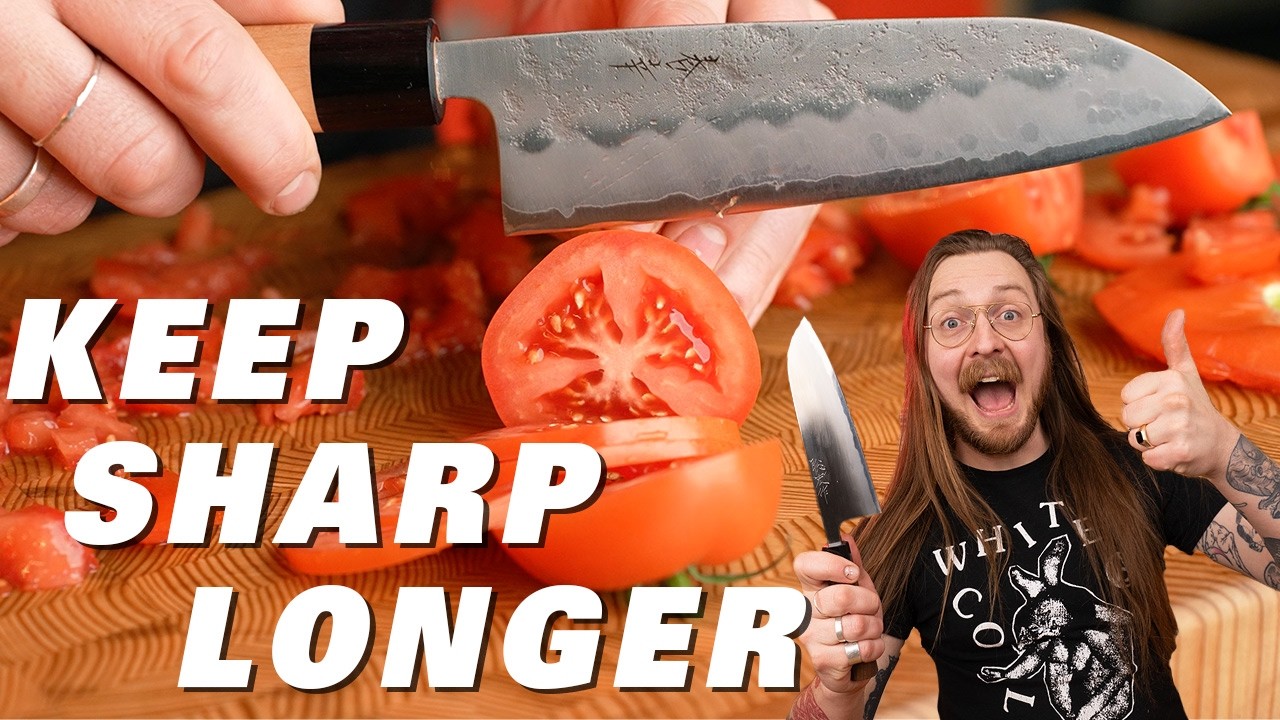
A non-obvious tip: Japanese knives often have harder steel and keep their edge longer, but they can chip if used on hard surfaces or with rough treatment.
Credit: www.youtube.com
When To Seek Professional Sharpening
Home sharpening is fine for most cooks, but sometimes you need a pro. If your knife has chips, deep nicks, or won’t cut even after sharpening, take it to a professional. They have the right tools to restore the blade without removing too much material.
Professional sharpening usually costs $5–$15 per knife. It’s worth it for expensive blades or if you’re unsure about your sharpening skills. For more information on knife care and sharpening, visit Serious Eats.
Frequently Asked Questions
How Can I Tell If My Kitchen Knife Is Dull?
If the knife crushes or tears food instead of slicing, or slips on tomato skin, it’s likely dull. Try slicing paper—if the blade struggles, it needs sharpening.
What’s The Difference Between Honing And Sharpening?
Honing realigns the edge; sharpening removes material to create a new edge. Honing is for daily maintenance, sharpening is for restoring a dull blade.
Can I Use A Pull-through Sharpener For All Knives?
Pull-through sharpeners work for most Western-style knives but can damage delicate Japanese blades. Always check your knife’s material before using a pull-through tool.
Should I Oil My Kitchen Knives?
Oil isn’t needed for stainless steel, but high-carbon steel benefits from a light oil coating to prevent rust. Use food-safe mineral oil and apply after washing and drying.
Why Do Professional Chefs Sharpen Knives So Often?
Chefs use knives heavily and need perfect cuts. Frequent sharpening keeps blades in top shape and reduces downtime. Home cooks usually don’t need this level of maintenance.
Taking care of your kitchen knives means more than sharpening them when they get dull. With smart habits and the right tools, you can keep your knives sharp longer and enjoy safer, easier cooking. Choose gentle cutting boards, wash by hand, store knives safely, and hone regularly.
These simple steps protect your blades and save you time and money in the long run. Whether you’re a beginner or a seasoned cook, keeping your knives sharp is a skill worth mastering.