Skip to content
Is Acacia Wood Good For Cutting Boards?
Choosing the right cutting board is more than a matter of style. The material you select affects food safety, knife longevity, and your kitchen experience. Acacia wood is gaining popularity for cutting boards, but is it truly a good choice?
Let’s break down the facts, compare acacia to other woods, and help you decide if acacia wood fits your needs.
What Is Acacia Wood?
Acacia wood comes from the acacia tree, which grows in warm regions like Australia, Africa, and Asia. There are over 1,000 species, but most boards use hardwood varieties. The wood is known for its rich color, ranging from golden brown to deep red, and its distinct grain patterns.
Acacia is classified as a hardwood, but it’s not as dense as maple or walnut. On the Janka hardness scale, acacia scores between 1,100 and 1,750. For comparison, maple is around 1,450, and walnut is about 1,010. This means acacia is tough enough for kitchen use but not extremely hard.
Pros Of Acacia Wood Cutting Boards
Acacia wood brings several benefits to the kitchen. Here are the most important advantages:
- Durability: Acacia is tough, resisting scratches and dents from regular knife use. It doesn’t chip easily, so your board stays smooth longer.
- Water Resistance: Acacia wood naturally repels water better than many other woods. This helps prevent warping and cracking, especially with proper care.
- Beautiful Appearance: The grain patterns and colors make each board unique. Acacia boards add warmth and style to your kitchen.
- Eco-Friendly Option: Many acacia sources are sustainable because the trees grow quickly. If you care about the environment, acacia can be a responsible choice.
- Cost-Effective: Acacia boards are usually less expensive than maple or walnut, making them accessible for many budgets.
Cons Of Acacia Wood Cutting Boards
Every material has drawbacks. Here’s what you should consider:
- Maintenance Required: Acacia needs regular oiling to keep its water resistance and prevent drying out. Neglecting this can cause cracks.
- Not Dishwasher Safe: Like most wood boards, acacia should never go in the dishwasher. The heat and moisture will damage it.
- Potential for Staining: The lighter parts of acacia can stain from foods like beets or turmeric. Quick cleaning helps reduce this.
- Not as Hard as Maple: If you use heavy cleavers or chop forcefully, acacia can show knife marks faster than maple.
Acacia Vs Other Wood Types: Comparison Tables
To help you decide, here are two tables comparing acacia with popular alternatives.
Hardness And Water Resistance
| Wood Type | Janka Hardness | Water Resistance |
|---|---|---|
| Acacia | 1,100–1,750 | High |
| Maple | 1,450 | Medium |
| Walnut | 1,010 | Medium |
| Bamboo | 1,380 | Medium |
| Teak | 1,070 | Very High |
Maintenance And Cost
| Wood Type | Maintenance Level | Average Price (USD) |
|---|---|---|
| Acacia | Moderate | $25–$55 |
| Maple | High | $35–$75 |
| Walnut | Moderate | $40–$85 |
| Bamboo | Low | $20–$45 |
| Teak | Low | $50–$90 |
Knife Friendliness: Protecting Your Blades
One key factor is how a cutting board interacts with knives. Acacia is gentle on blades because it’s hard enough to resist deep cuts but not so dense that it dulls knives quickly. Maple is slightly harder, so it may dull knives a bit faster, while bamboo can be harsh due to its high silica content.
But, acacia’s varied grain can sometimes catch the blade if you cut at odd angles. This is rare but worth noting for chefs using thin Japanese knives. For most home cooks, acacia is a safe, balanced choice.
Food Safety: Is Acacia Hygienic?
Wood cutting boards are often seen as more hygienic than plastic because they absorb bacteria and kill them inside the wood fibers. Acacia performs well here:
- Antibacterial Properties: Acacia’s tight grain traps bacteria, which die off after a few hours.
- Easy Cleaning: Warm soapy water and a quick dry are enough. Never soak or leave wet.
- No Strong Odors: Acacia doesn’t retain smells from onions, garlic, or fish as easily as softer woods.
However, all wood boards can harbor bacteria in deep grooves. Regular oiling and sanding help keep the surface safe.

Credit: www.crateandbarrel.com
Maintenance Tips For Acacia Cutting Boards
Taking care of acacia boards is simple but important:
- Wash by Hand: Use warm water and mild soap. Dry immediately with a towel.
- Avoid Soaking: Never leave the board in water. This causes warping.
- Oil Regularly: Every 1–2 months, apply food-safe mineral oil. This keeps the wood hydrated and prevents cracks.
- Remove Stains: For stubborn marks, sprinkle salt and rub with a cut lemon.
- Sanitize Occasionally: Use a mix of vinegar and water for extra cleaning, but don’t overdo it.
A common mistake is forgetting to oil the board. Dry acacia can split or become rough. A well-oiled board lasts for years.
Acacia And Sustainability
Many people care about eco-friendly products. Acacia is considered sustainable because:
- The trees grow quickly, replenishing forests fast.
- Acacia is often harvested on plantations, not wild forests.
- It’s used for many purposes, so waste is minimal.
Always check if the board is certified by FSC (Forest Stewardship Council) or similar organizations. This ensures responsible sourcing.
Credit: www.reddit.com
Non-obvious Insights About Acacia Boards
Some points are not obvious to beginners:
- Acacia’s grain pattern hides knife marks well. Even after years of use, the board looks good because the lines mask scratches.
- Acacia boards don’t react to acidic foods as much as some woods. Lemon juice or tomato won’t damage the surface, unlike cherry or beech.
These small details help acacia boards stay attractive and functional.
Acacia Wood In Professional Kitchens
Professional chefs often use maple or walnut, but acacia is gaining ground in restaurants and catering. Why?
- Affordable for bulk buying: Restaurants can buy many acacia boards without breaking the budget.
- Tough enough for daily use: It survives heavy chopping and quick cleaning.
- Lightweight: Acacia boards are lighter than maple, making them easy to move around.
Some chefs avoid acacia for heavy-duty butchering, but for salad prep, fruit, and bread, it’s a reliable option.
You might find this helpful: Best Wooden Cutting Boards
Common Mistakes When Using Acacia Cutting Boards
Avoid these mistakes to maximize your board’s lifespan:
- Putting in the dishwasher: Heat and moisture ruin the wood.
- Skipping oil treatments: Dry boards crack and warp quickly.
- Leaving wet overnight: Moisture causes bacterial growth and damage.
- Using harsh scrubbers: Steel wool or rough pads scratch the surface.
- Ignoring stains: Letting stains sit makes them harder to remove.
If you follow basic care steps, your acacia board will remain safe and attractive.
Choosing The Right Acacia Cutting Board
When shopping for an acacia board, keep these points in mind:
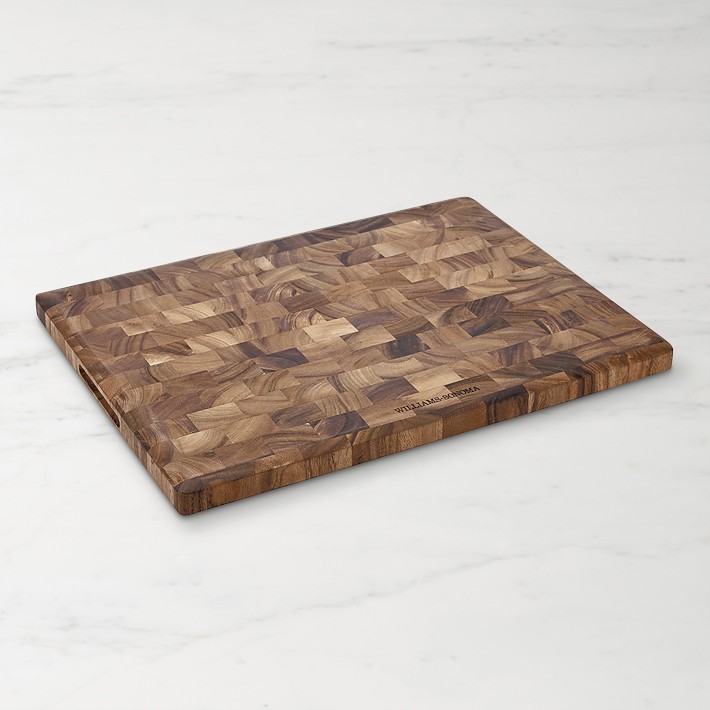
- Size matters: Choose a board big enough for your usual tasks, but not too heavy to handle.
- End-grain vs edge-grain: End-grain boards are gentler on knives and hide marks better, but cost more.
- Thickness: Boards thicker than 1 inch last longer and resist warping.
- Handles and juice grooves: These features are handy for meat and fruit prep.
Look for boards with smooth finishes and no rough spots. If possible, check reviews and certifications.
Credit: www.williams-sonoma.com
Comparing Acacia To Plastic And Bamboo
Let’s briefly see how acacia stacks up against other common materials.
Durability, Safety, And Price
| Material | Durability | Food Safety | Price Range (USD) |
|---|---|---|---|
| Acacia | High | Very Good | $25–$55 |
| Plastic | Low | Good (but scratches can trap bacteria) | $10–$30 |
| Bamboo | Medium | Good | $20–$45 |
Plastic boards are dishwasher safe, but deep grooves can hold bacteria. Bamboo is eco-friendly but harder on knives. Acacia offers a strong balance.
Where To Buy And What To Look For
Acacia boards are available in kitchen stores, online retailers, and specialty shops. Look for brands that mention food-safe finishes and sustainable sourcing. Avoid boards with varnish or paint, as these can chip and contaminate food.
For more details on wood hardness and food safety, you can check Wikipedia’s cutting board page.
Final Thoughts
Acacia wood is an excellent choice for cutting boards, balancing durability, beauty, and price. It’s resistant to water, gentle on knives, and easy to maintain with simple care routines. While it needs regular oiling and can stain, these are minor drawbacks compared to its benefits.
For home cooks and many professionals, acacia offers a practical, stylish board that lasts for years. Just remember to oil it regularly and avoid dishwashers. If you value sustainability and want a board that looks good even after heavy use, acacia is a smart pick.
Frequently Asked Questions
Is Acacia Wood Safe For Food Contact?
Yes, acacia wood is safe for food contact. It’s naturally antibacterial and doesn’t leach chemicals. Just make sure the board has a food-safe finish.
How Often Should I Oil My Acacia Cutting Board?
You should oil your board every 1–2 months. If the surface looks dry or rough, oil it sooner. Use food-safe mineral oil for best results.
Can Acacia Cutting Boards Go In The Dishwasher?
No, acacia wood is not dishwasher safe. The heat and water will damage the wood, causing cracks and warping.
Does Acacia Wood Stain Easily?
Acacia is moderately resistant to stains, but lighter areas can discolor from strong pigments. Clean the board quickly after cutting colorful foods.
Is Acacia Wood More Sustainable Than Maple Or Walnut?
Acacia is considered more sustainable because the trees grow faster and are often plantation-grown. Always check for certifications like FSC to ensure responsible sourcing.