Waffles are a favorite breakfast treat around the world. They are crispy, fluffy, and easy to customize. But making perfect waffles at home can be tricky, especially for beginners. Many people buy a waffle maker, try a few recipes, and end up with disappointing results.
Sometimes waffles stick, burn, or turn out soggy. If you know what mistakes to avoid, you can make delicious waffles every time.
This article will help you understand the most common waffle maker mistakes and how to fix them. You’ll also learn practical tips, see data and comparisons, and get answers to popular questions. Whether you’re new to waffle making or want to improve your skills, this guide will help you become a waffle pro.
Not Preheating The Waffle Maker Properly
Preheating is one of the most important steps. Many people skip it because they are in a hurry or think it’s not needed. But without preheating, your waffles won’t cook evenly. The batter may stick to the plates, and the texture will be wrong.
Most waffle makers need 5–10 minutes to reach the right temperature. Some have a light or sound to show when they’re ready, but others don’t. Always wait until your waffle maker is fully hot before pouring in the batter.
Here’s a quick tip: If you sprinkle a few drops of water on the plates and they sizzle and evaporate, the waffle maker is ready. If the drops sit there, it’s not hot enough.
Using The Wrong Batter Consistency
Waffle batter must be just right—not too thick and not too runny. Many beginners use pancake batter or guess the thickness, which leads to problems.
If the batter is too thick, waffles turn out dry and heavy. If it’s too thin, they become soggy and don’t crisp up. The best batter flows easily but doesn’t spread out like water.
Common Mistakes With Batter
- Using cold ingredients straight from the fridge. Cold eggs, milk, or butter can make the batter lumpy and affect cooking.
- Overmixing. Stirring too much develops gluten, making waffles chewy instead of light.
- Using the wrong flour. All-purpose flour is common, but some recipes use cake flour for a softer texture.
Always follow your recipe closely. Use room-temperature ingredients, and mix until just combined.
Overfilling Or Underfilling The Plates
Getting the right amount of batter is a challenge. Overfilling leads to messy spills and uneven waffles. Underfilling leaves holes and thin edges.
Most waffle makers need about 1/2 to 3/4 cup of batter per waffle. But this can change based on the size and shape of your appliance.
Here’s a comparison of batter amounts for different waffle makers:
| Waffle Maker Type | Average Batter Amount | Waffle Size |
|---|---|---|
| Belgian (round) | 3/4 cup | 7–8 inches |
| Classic (square) | 1/2 cup | 5–6 inches |
| Mini waffle maker | 1/4 cup | 4 inches |
Always start with the recommended amount and adjust after your first waffle. Too much batter will leak out. Too little will leave gaps.
Opening The Waffle Maker Too Soon
Patience is key. Many beginners open the waffle maker too early to check if the waffle is done. This breaks the waffle, causes sticking, and ruins the texture.
Most waffles need 4–6 minutes to cook, depending on your machine and recipe. Wait until steam stops coming out or the indicator shows “done. ” If your waffle maker doesn’t have a timer or indicator, set a timer and resist the urge to peek.
A common sign of a finished waffle: The waffle easily separates from the plates and is golden brown.
Not Using Enough Oil Or Nonstick Spray
Waffle makers are often marketed as “nonstick,” but batter can still stick—especially if you don’t use enough oil or spray. Many people think they don’t need any oil. This leads to torn waffles and hard-to-clean plates.
Use a light coat of nonstick spray or brush oil before each batch. Don’t use butter—many machines warn against it because butter can burn and cause residue.
Some nonstick sprays contain chemicals that harm the coating over time. Choose a spray made for cooking appliances or use a silicone brush with a little vegetable oil.
Ignoring Waffle Maker Settings
Most modern waffle makers have settings for temperature or browning. Beginners often ignore these, using the default setting every time. But different recipes and batters need different heat levels.
If your waffles are pale or soggy, increase the heat. If they burn, lower it. Adjusting settings helps you get the perfect crispiness.
Here’s a quick comparison of browning settings:
| Setting | Waffle Texture | Best For |
|---|---|---|
| Low | Soft, pale | Kids, delicate batters |
| Medium | Golden, slightly crisp | Traditional waffles |
| High | Crispy, dark | Belgian, savory waffles |
Experiment with settings for each recipe. Some batters need more heat; others cook quickly.
Using The Wrong Type Of Flour
Flour is a key ingredient, but many people use the wrong type. All-purpose flour is common, but it’s not always best for waffles.
Cake flour makes lighter, softer waffles. Whole wheat flour adds flavor and fiber but can make waffles dense. Gluten-free flour works for special diets, but you may need to adjust the amount of liquid.
Here’s a comparison of flour types:
| Flour Type | Texture | Flavor |
|---|---|---|
| All-purpose | Medium | Neutral |
| Cake flour | Light, fluffy | Mild |
| Whole wheat | Dense | Nutty |
| Gluten-free blend | Varies | Depends on mix |
Always use the flour your recipe recommends. If you substitute, adjust the liquid and mix gently.
Forgetting To Clean The Waffle Maker
Cleaning your waffle maker is essential. Batter spills and oil build up quickly. If you don’t clean your appliance, it will smell, stick, and break down faster.
Let the waffle maker cool completely, then wipe with a damp cloth. Never use sharp tools or harsh cleaners. Some plates are removable and dishwasher-safe, but most need gentle hand washing.
A non-obvious tip: Don’t forget the outside! Wipe spills and crumbs from the body and handles to prevent odors and stains.

Credit: ampi.be
Using Cold Ingredients
Room-temperature ingredients help batter mix smoothly and cook evenly. Many people grab milk, eggs, or butter straight from the fridge, which makes the batter lumpy and slows cooking.
Set out your ingredients 20–30 minutes before mixing. If you forget, warm milk slightly in the microwave, and run eggs under warm water.
Cold butter is hard to mix. Melt it gently and let it cool before adding to the batter.
Not Measuring Ingredients Accurately
Waffle recipes often call for precise amounts of flour, liquid, and leavening. Guessing or using the wrong measuring cups leads to problems.
Use dry cups for flour, wet cups for milk or water, and a scale for best results. Level off flour with a knife, and don’t pack it down.
A common mistake: Using tablespoons instead of teaspoons for baking powder. Too much makes waffles taste bitter and rise too quickly.
Skipping The Resting Time
Some recipes recommend letting the batter rest before cooking. This helps gluten relax and allows leavening to work.
If you skip this step, waffles may be tough or flat. Resting for 5–10 minutes (or up to 30 minutes for yeast batter) makes a big difference.
Cover the bowl and let it sit on the counter. Don’t refrigerate unless the recipe says so.
Not Adjusting For Altitude Or Humidity
Many people don’t realize that altitude or humidity affects waffle recipes. At high altitudes, batter rises faster and waffles cook quickly. In humid climates, flour absorbs more moisture.
If you live above 3,000 feet, use less baking powder and cook waffles for less time. In humid areas, add a bit more flour.
A useful tip: If your waffles always turn out dense, check your climate and adjust the recipe.
Overcooking Or Undercooking
Cooking time depends on your waffle maker and batter. Beginners often overcook (burnt, dry waffles) or undercook (raw inside, pale outside).
Check the manual for recommended cooking times, but always watch for signs: steam stops, waffles pull away easily, and they are golden brown.
If you want extra crispiness, cook for 1–2 minutes longer. For softer waffles, reduce the time.
Not Letting Waffles Cool Properly
Fresh waffles are tempting, but eating them right away can make them soggy. Steam inside the waffle needs time to escape.
Let waffles cool for a minute on a wire rack. Don’t stack them—this traps moisture and ruins the texture.
If you need to keep waffles warm, use a low oven (200°F) and spread them out in a single layer.
Storing Waffles Incorrectly
Waffles are best eaten fresh, but you can store leftovers. Many people put them in plastic bags or containers while still warm, which makes them soggy.
Cool waffles completely, then store in a paper bag or loosely covered container. For longer storage, freeze them in a single layer and reheat in a toaster or oven.
Avoid the microwave—it makes waffles soft and rubbery.
Choosing The Wrong Waffle Maker
Not all waffle makers are the same. Some are better for Belgian waffles, others for thin, crispy styles. Beginners often buy the cheapest or most popular model without checking reviews or features.
Consider these factors:
- Size and shape: What kind of waffles do you like?
- Adjustable settings: Do you want more control over browning?
- Removable plates: Easier to clean
- Timer and indicator: Helpful for beginners
Read reviews and compare features. Don’t just buy based on price.
Ignoring Safety Precautions
Waffle makers get very hot. Many people forget to protect their hands, use metal tools, or place the appliance near flammable items.
Always use heat-resistant utensils and keep the waffle maker on a clear, stable surface. Don’t touch the plates or lid until cooled. Keep children and pets away during cooking.
Unplug the appliance after use, and let it cool before cleaning.
Using Incorrect Toppings
Toppings are fun, but some can ruin your waffles. Heavy syrup, whipped cream, or fruit can make waffles soggy if added too soon.
Add toppings just before serving. For crisp waffles, use light toppings like berries, powdered sugar, or a drizzle of honey.
Avoid using wet toppings on hot waffles if you want to keep them crispy.
Not Reading The Instruction Manual
Many people never read the manual that comes with their waffle maker. This leads to confusion about settings, cleaning, and safety.
Take a few minutes to read the instructions. Each model is different. The manual often includes tips for the best results.
Trying To Make Too Many Waffles At Once
If you’re cooking for a group, it’s tempting to rush and make multiple waffles at once. But overloading the appliance or rushing the process leads to uneven cooking and messes.
Cook one waffle at a time. Use the oven to keep finished waffles warm. Don’t stack them or crowd the plates.
Using Old Or Expired Ingredients
Fresh ingredients are key. Using old flour, expired baking powder, or stale milk affects taste and texture.
Check expiration dates and use fresh eggs, milk, and flour. Replace baking powder every 6 months for best results.
Not Experimenting With Recipes
Many beginners stick to one basic recipe. But experimenting with flavors and ingredients can help you find your favorite style.
Try adding vanilla, spices, or cocoa to the batter. Use buttermilk or yogurt for richer waffles. Test different flours and toppings.
A non-obvious tip: Use leftover cooked rice or mashed potatoes in the batter for unique texture.

Credit: gofrex.com
Not Testing The First Waffle
Your first waffle is often a test. Many people don’t check it for browning, crispiness, or flavor. Adjust the batter, settings, or cooking time based on the result.
Don’t expect perfection on the first try. Learn from each batch, and make changes as needed.
Frequently Asked Questions
Why Do My Waffles Stick To The Plates?
Waffles stick when the plates are not hot enough or if you didn’t use enough oil or spray. Make sure to preheat fully and use a light coat of nonstick spray. Using the right batter consistency also helps.
Can I Use Pancake Mix In A Waffle Maker?
You can, but pancake mix is usually thinner and has less fat. Add a tablespoon of oil and reduce the liquid for better waffles. Waffles need more fat for crispiness.
How Do I Clean A Waffle Maker After Use?
Let it cool completely. Wipe the plates with a damp cloth. Use a soft brush for crumbs. Never use sharp tools or soak the appliance. Check if your model has removable plates for easier cleaning. For more tips, see Food Network.
How Do I Keep Waffles Crispy After Cooking?
Let them cool on a wire rack. Don’t stack them. Keep finished waffles warm in a low oven (200°F) in a single layer. Avoid using the microwave for reheating.
What Is The Best Way To Store Leftover Waffles?
Cool waffles completely, then store in a paper bag or loosely covered container. For longer storage, freeze waffles in a single layer and reheat in a toaster or oven. Avoid plastic containers or bags while waffles are still warm.
Making waffles can be easy and fun if you avoid these common mistakes. Take your time, follow your recipe, and pay attention to details. With practice, you’ll enjoy perfect, crispy waffles every time you use your waffle maker.
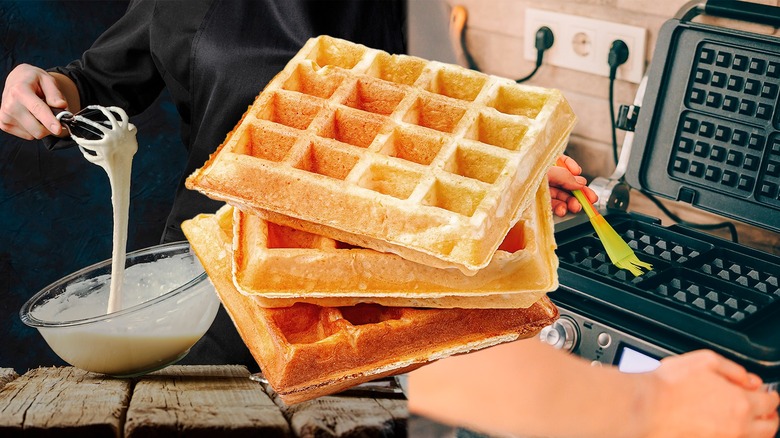
Credit: www.thedailymeal.com