Skip to content
Every parent knows the scene: you add fresh, crisp apple slices to your child’s lunch box in the morning, but by lunchtime, those same slices look brown and unappetizing. Even if the apple still tastes fine, the brown color can turn kids (and adults) away. But why do apples brown, and how can you stop it—especially when you need the slices to stay fresh for hours in a lunch box?
Let’s break down the science, explore practical solutions, and share real strategies that keep your apple slices looking as good as when you cut them.
Why Do Cut Apples Turn Brown?
When you cut an apple, you break open the cells inside. This releases enzymes called polyphenol oxidase. When these enzymes touch oxygen in the air, a chemical process called oxidation begins. This reaction creates brown-colored compounds on the apple’s surface. While this is safe to eat, it does not look appealing.
Factors that affect how fast apples brown include:
- Apple variety: Some types brown faster than others.
- Temperature: Warmer air speeds up browning.
- Time exposed to air: Longer exposure means more browning.
Understanding this process helps you pick the right method to keep your apples looking fresh.
The Most Effective Methods To Stop Apples From Browning
Not all methods work equally well. Below, you’ll find the most popular and effective ways, with details about how to use them and how long they keep apples fresh.
1. Lemon Juice
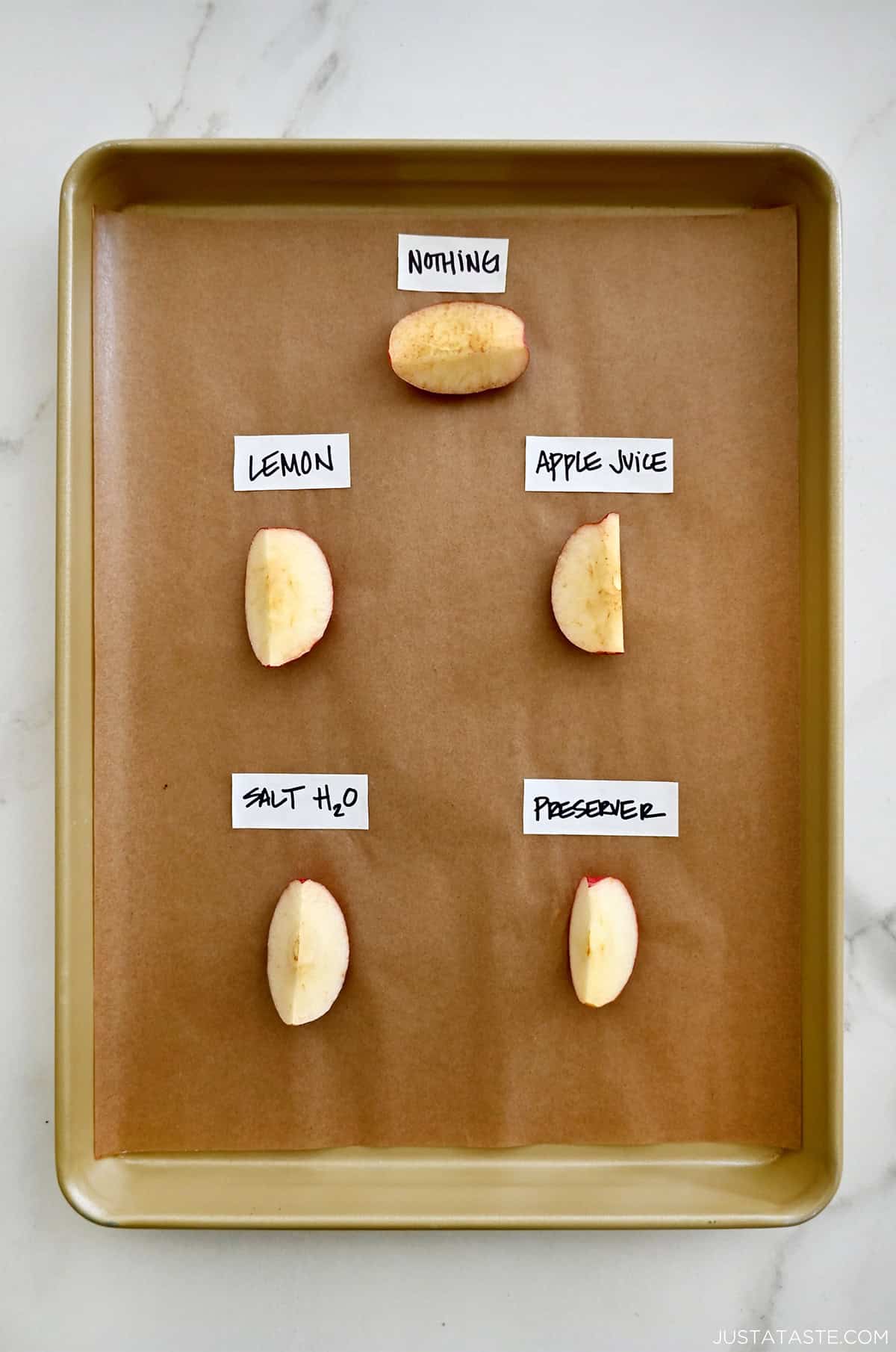
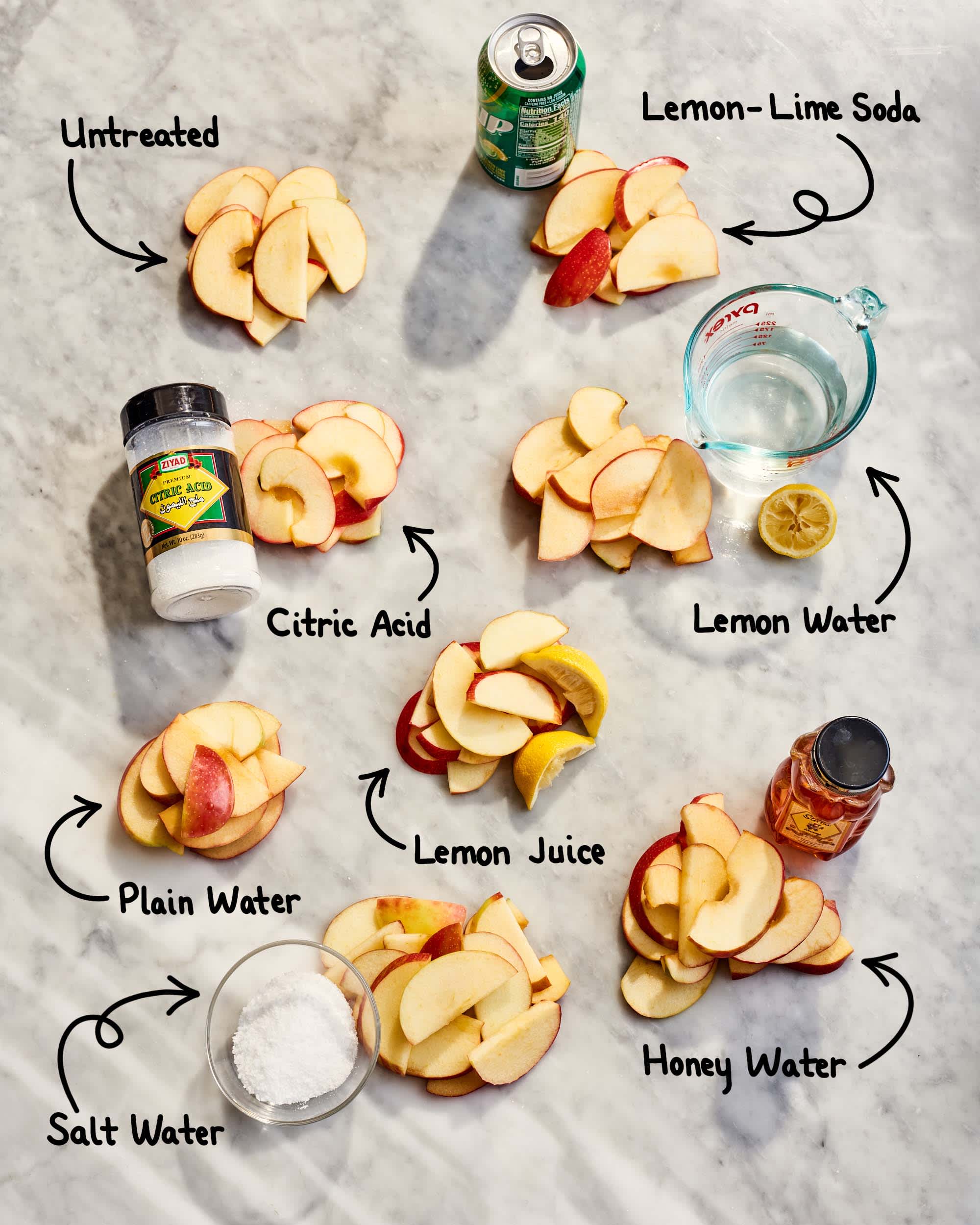
Lemon juice is the classic method. The citric acid in lemon juice slows oxidation and keeps slices bright.
How to use:
- Squeeze or pour a small amount of lemon juice (about 1 tablespoon per apple).
- Toss the apple slices until coated.
- Pat dry with a paper towel if you want less tangy flavor.
How long it lasts: Up to 8 hours with little browning.
Tip: Some kids dislike the sour taste. Try using diluted lemon juice (mix with water 1:1).
2. Soak In Salt Water
A mild salt water soak can prevent browning without leaving a salty taste if done right.
How to use:
- Mix 1/2 teaspoon salt into 1 cup of cold water.
- Soak apple slices for 3-5 minutes.
- Drain and rinse quickly under fresh water to remove extra salt.
How long it lasts: 6-8 hours.
Insight: Salt slows the enzymes more gently than lemon, so the flavor stays closer to plain apple.
3. Use Honey Water Solution
Honey contains natural compounds that block browning enzymes.
How to use:
- Mix 2 tablespoons honey with 1 cup water.
- Soak slices for 2-3 minutes.
- Drain and pack.
How long it lasts: 6-8 hours.
Non-obvious tip: Honey solution can add a mild sweetness, making it a favorite for picky eaters.
4. Soak In Orange Or Pineapple Juice
Like lemon, these juices are rich in vitamin C and acid, both helpful against browning.
How to use:
- Submerge apple slices in juice for 2-3 minutes.
- Drain well before packing.
How long it lasts: Up to 6 hours.
Bonus: Adds a fruity twist without the strong sourness of lemon.
5. Use A Commercial Anti-browning Product
Several companies sell powders or sprays that stop browning, often made from vitamin C (ascorbic acid).
How to use:
- Follow package instructions (usually dissolve powder in water and soak slices).
- Rinse if desired.
How long it lasts: 8+ hours, often the longest-lasting option.
Practical note: Check labels for allergens if your child has sensitivities.
6. Wrap Or Seal Slices Properly
Limiting air exposure is key. Wrapping slices tightly or using an airtight container slows oxidation.
How to do it:
- Wrap slices together in plastic wrap or beeswax wrap.
- Use a lunch box with a tight seal, or a small airtight snack container.
Extra tip: Press wraps directly against the cut surface for best results.
7. Try Water Soaking
If you’re in a hurry, even soaking apple slices in plain water can slow browning—just not as well as other methods.
How to use:
- Submerge slices in cold water.
- Keep them wet until right before packing.
How long it lasts: 2-3 hours. Best for short-term freshness.
8. Add Apple Slices Last
Prepare other lunch items first. Cut and treat apples right before you pack the lunch box. Less time exposed to air means less browning.
Credit: letslassothemoon.com
Comparing Popular Methods: Which Works Best?
To help you choose, here’s a comparison of the main anti-browning methods for lunch boxes.
| Method | Lasts (Hours) | Flavor Impact | Kid-Friendly? |
|---|---|---|---|
| Lemon Juice | 6-8 | Slightly sour | Sometimes disliked |
| Salt Water | 6-8 | Neutral | Usually liked |
| Honey Water | 6-8 | Mildly sweet | Popular |
| Orange/Pineapple Juice | 6 | Fruity | Often liked |
| Anti-Browning Powder | 8+ | Minimal | Safe, check labels |
| Plain Water | 2-3 | None | Fine for short term |
Which Apple Types Brown The Slowest?
Not all apples are equal. Some types naturally resist browning, making them perfect for lunch boxes.
| Apple Variety | Browning Speed | Texture | Best For |
|---|---|---|---|
| Honeycrisp | Slow | Crisp, juicy | Eating fresh |
| Gala | Medium | Sweet, mild | Kids’ lunches |
| Granny Smith | Medium | Tart, firm | With dips |
| Red Delicious | Fast | Soft, sweet | Short-term use |
| Ambrosia | Very Slow | Sweet, crisp | Lunch boxes |
Insider tip: If you want the least browning, look for Ambrosia, Honeycrisp, or even the newer Arctic apples (these are specially bred to resist browning but may not be available everywhere).
Practical Tips For Packing Apples In Lunch Boxes
Even the best anti-browning trick can fail if you don’t pack apples the right way. Here are strategies that work in real lunch boxes:
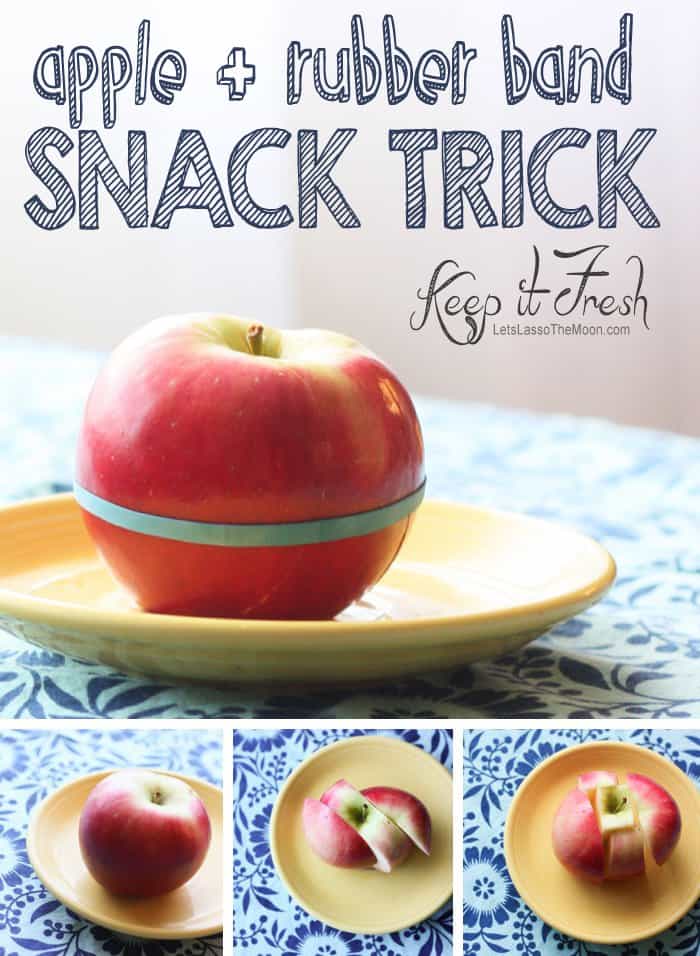
- Keep slices together: After cutting, put the slices back into apple shape and wrap with a rubber band or plastic wrap. This limits air on cut surfaces.
- Separate from wet foods: Pack apples in a dry part of the lunch box. Juices from other foods can speed up browning.
- Use a cold pack: Chilling slows the browning reaction. Add a small ice pack under or beside the apple container.
- Try bento boxes: These lunch boxes have small sections, so you can pack apples with a dip (like peanut butter or yogurt) that helps mask any slight browning.
- Pre-treat in batches: If you prep lunches for the week, use anti-browning methods, dry the slices, and store in an airtight container in the fridge for up to 2 days.
You may also like: How to Keep Food Hot in Lunch Box
Mistakes To Avoid When Packing Apple Slices
Even with good intentions, a few common mistakes can leave you with brown, soggy, or unappealing apple slices.
- Using too much lemon juice: This can make apples taste too sour and ruin the natural sweetness.
- Skipping the rinse after salt water: Not rinsing leaves a salty taste.
- Packing apples when still wet: Water left on the slices can make them mushy and encourage browning.
- Not using a cold pack: Room temperature lunch boxes speed up browning and texture loss.
- Cutting apples too early: Slices left exposed overnight will brown even with some protection.
Credit: www.justataste.com
How Schools And Cafeterias Keep Apples Looking Fresh
Ever wonder how school cafeterias serve bright apple slices every day? Many use a mix of the above tricks—especially anti-browning powders and commercial vitamin C dips. The food industry often uses special solutions like calcium ascorbate or citric acid. These methods are safe, and you can buy similar powders for home use. For more about food science and preservation, visit this Wikipedia page.
Apple Slices With Dips: A Smart Solution
Pairing apple slices with a dip does more than add flavor. It can help mask slight browning and add nutrition.
Popular dips include:
- Peanut butter: Adds protein and healthy fat.
- Yogurt: Creamy, with a tang that matches sweet apple.
- Caramel: A treat, but use sparingly due to sugar.
- Sunflower seed butter: Great for nut-free schools.
If using a dip, you can skip strong anti-browning methods. A bit of browning is less noticeable, and the dip keeps slices moist.
Credit: www.thekitchn.com
Real-world Example: Packing Apples For A School Day
Let’s walk through an example.
You want to pack apple slices for your child’s lunch, and you need them to look good after 5 hours.
- Choose Honeycrisp or Ambrosia apples.
- Cut the apple right before packing.
- Soak slices in a honey-water solution for 3 minutes.
- Pat slices dry with a paper towel.
- Stack slices back together and wrap with a rubber band.
- Place in a small airtight container, next to a cold pack.
- Add a small container of peanut butter for dipping.
After lunch, you’ll find slices still look fresh, taste sweet, and have a crisp texture.
Non-obvious insight: Avoid storing apples with bananas or other fruits that release ethylene gas. This natural gas speeds up ripening and browning.
Frequently Asked Questions
Why Does Apple Browning Happen So Quickly In Lunch Boxes?
Apples brown faster when cut because the inside is exposed to air and warm temperatures inside lunch boxes speed up the process. The more time slices spend at room temperature, the more browning you’ll see.
Is It Safe To Eat Apples That Have Turned Brown?
Yes. The brown color is only a sign of oxidation. The apple is still safe to eat, but the texture and taste may change slightly.
Can You Use Vitamin C Tablets To Stop Browning?
Yes. Crush a vitamin C tablet, dissolve in water, and soak apple slices for 2-3 minutes. This works similarly to commercial anti-browning powders.
Do All Apple Varieties Brown At The Same Speed?
No. Some apples like Ambrosia and Honeycrisp brown slowly, while Red Delicious and McIntosh brown quickly. Choosing the right variety helps a lot.
Are Anti-browning Powders Safe For Kids?
Most are made from vitamin C or citric acid and are safe for children. Always check the label for allergens and use as directed.
Packing fresh-looking apple slices is easier than you think. With the right apple variety, a smart soaking method, and good packing habits, you’ll find that lunchtime apples can look as bright and tasty as they do in the morning. Try different methods and see what works best for your family’s taste and routine.
Fresh, crisp apples can be a highlight of any lunch box—no more brown surprises!