Skip to content
Can I Put A Saucepan In The Oven?
Ovens open up many cooking possibilities, but not every kitchen tool is safe for this intense heat. Many home cooks wonder: Can I put a saucepan in the oven? The answer depends on the materials, design, and intended use of your pan. Using the wrong cookware can ruin a meal, damage your tools, or even be dangerous.
This guide will help you decide if your saucepan is oven-friendly, explain what to watch for, and give tips to avoid common mistakes. By the end, you’ll know exactly how to handle saucepans and ovens together—without stress.
What Makes A Saucepan Oven-safe?
Not all saucepans are made the same way. The oven puts cookware under much higher heat than the stovetop, so materials and construction matter a lot. Here are the main factors:
Material Of The Pan
The most important factor is what the saucepan is made of. Stainless steel, cast iron, and enameled iron pans are usually safe in the oven. Pure aluminum pans can also be used, but some have nonstick coatings that might not survive high heat.
Handles And Lids
Many saucepans have plastic, rubber, or wooden handles. These materials can melt, burn, or even give off harmful fumes in the oven. Even if the pan body is metal, the handle might not be.
Lids are another concern. Glass lids can sometimes handle the oven, but only if they’re marked as oven-safe. Plastic knobs or handles on lids are a red flag—they rarely survive oven temperatures.
Nonstick Coatings
Nonstick surfaces like Teflon or ceramic can break down in the oven, especially above 400°F (200°C). Damaged nonstick coatings can release fumes or flake into food.
Manufacturer’s Instructions
The safest way to know is to check your pan’s manual or the bottom for oven-safe symbols. If you don’t have instructions, look up the brand and model online.
How To Check If Your Saucepan Is Oven-safe
You don’t have to guess. Here’s how to check your saucepan step by step:
- Look for oven-safe symbols. Some pans have icons or text on the bottom.
- Check the handle material. All metal is usually fine. Avoid plastic, rubber, or wood.
- Inspect the lid. If it’s glass, make sure it’s labeled oven-safe. Avoid plastic knobs.
- Check the nonstick coating. See the manufacturer’s oven temperature limit.
- Search for your pan online. Most brands list product details on their website.
If you’re still unsure, don’t risk it. Using the wrong pan can melt parts, release chemicals, or cause warping.
Common Oven Temperatures And Pan Safety
Oven recipes use a range of temperatures. Not all saucepans handle every level of heat. Here’s a quick reference for common oven temperatures and what they mean for cookware:
| Oven Temperature (°F) | Oven Temperature (°C) | Pan Safety Notes |
|---|---|---|
| 250–300°F | 120–150°C | Safe for most metal pans, some glass lids, but avoid plastic. |
| 350–400°F | 175–200°C | Check nonstick coatings; only oven-safe handles and lids. |
| 425–500°F | 220–260°C | Only all-metal, cast iron, or enameled pans. Never plastic or nonstick. |
Always check your specific pan’s limits—many nonstick pans are safe only up to 350–400°F.
Saucepan Materials: What’s Safe, What’s Not
Not all saucepans are created equal. Here’s a closer look at popular materials and how they perform in the oven.
Stainless Steel
Stainless steel is a great choice for oven use. It handles high heat, doesn’t react with food, and is easy to clean. Most stainless steel pans are oven-safe, especially if they have metal handles.
Cast Iron
Cast iron saucepans are built to last and excel in the oven. They can handle very high temperatures and give even heat. Enameled cast iron (like Le Creuset) is also oven-safe.
Aluminum
Aluminum pans conduct heat well, but pure aluminum can warp at high oven temperatures. If it has a nonstick coating, check for an oven-safe label.
Nonstick
Nonstick pans are popular, but they’re often limited to lower oven temperatures. Overheating can damage the surface and release fumes. Never use a nonstick pan above its stated maximum temperature.
Copper
Copper pans look beautiful and heat evenly. Most have stainless steel or tin linings. As long as the handles are metal, copper pans are usually oven-safe.
Glass And Ceramic
Most glass or ceramic saucepans are meant for baking, not stovetop use. If you have a glass saucepan, check the label carefully—some can crack under rapid temperature changes.
Here’s a comparison of common saucepan materials and oven safety:
| Material | Oven-Safe? | Typical Max Temp | Special Notes |
|---|---|---|---|
| Stainless Steel | Yes | 500°F/260°C | Check handle material |
| Cast Iron | Yes | 700°F/370°C+ | Heavy, even heating |
| Aluminum (Nonstick) | Sometimes | 350–400°F/175–200°C | Check for coating limits |
| Copper | Yes | 500°F/260°C | Needs metal handles |
| Glass/Ceramic | Rarely | Depends on brand | Risk of cracking |
Credit: www.reddit.com
Dangers Of Using The Wrong Saucepan In The Oven
It’s tempting to just pop any pan in the oven, but there are real risks if you’re not careful:
- Melting or burning handles: Plastic, rubber, or wood can melt, catch fire, or give off fumes.
- Damaged nonstick coatings: Overheating can make nonstick surfaces flake or release chemicals.
- Cracked glass lids: Sudden temperature changes can shatter non-oven-safe glass.
- Warped pans: Thin aluminum can bend or warp, ruining its shape.
- Toxic fumes: Overheated nonstick pans can release fumes dangerous to birds and people.
A common mistake is grabbing the pan with a hot handle or lid—always use oven mitts, even if the handle looks “cool” on the stovetop.
How To Use A Saucepan In The Oven Safely
If you’ve checked your pan and it’s oven-safe, follow these tips for success:
- Preheat the oven first. This prevents thermal shock and helps the pan heat evenly.
- Remove non-oven-safe parts. Detachable handles or plastic lids should be taken off.
- Don’t exceed the maximum temperature. If your pan is rated for 400°F, don’t go higher.
- Use oven mitts. Metal handles get extremely hot and can burn skin.
- Don’t move from hot oven to cold water. Sudden temperature changes can warp or crack pans.
- Let pans cool naturally. Don’t put a hot pan on a cold surface.
- Clean carefully. Let the pan cool before washing to avoid warping.

Credit: www.carawayhome.com
Real-life Examples
Many people have learned about oven-safe pans the hard way. For example, a home cook tried to finish a steak in the oven using a nonstick pan with a plastic handle. The handle melted, releasing smoke and making the pan unusable.
Another baker placed a saucepan with a glass lid in the oven, only to see the lid shatter from the heat.
But when using a cast iron or all-metal stainless steel pan, the results are usually safe and successful. These pans go from stovetop to oven without trouble, which is why professionals love them.
Alternatives To Using A Saucepan In The Oven
If you’re not sure about your saucepan, there are other options:
- Oven-safe skillets: Cast iron or stainless steel skillets work well for many recipes.
- Dutch ovens: These heavy pots are made for oven use.
- Baking dishes: Glass or ceramic baking dishes are built for the oven, not the stovetop.
- Sheet pans or roasting pans: Great for large items, browning, or roasting.
If your recipe calls for starting on the stove and finishing in the oven, you can transfer food to one of these alternatives.
When You Should Not Put A Saucepan In The Oven
Even if a pan seems sturdy, there are times when it’s not a good idea:
- If you see any plastic: Handles, lids, or decorations that aren’t oven-safe can melt or burn.
- If the pan is old or damaged: Cracks, chips, or loose handles can become worse in the oven.
- If you’re unsure about the material: When in doubt, don’t risk it.
- If the manufacturer’s instructions are missing: Safety always comes first.
It’s better to use an oven-safe dish than to ruin your pan or risk your safety.
Oven-safe Pan Brands And Models
Some brands are known for making reliable oven-safe pans. Here are a few respected options:
- All-Clad: Most stainless steel and copper-core pans are oven-safe up to 600°F.
- Le Creuset: Their enameled cast iron is safe for oven use.
- Calphalon: Some of their stainless and nonstick lines are oven-safe (check model).
- Lodge: Cast iron pans are oven-ready out of the box.
Always check the specific product details. Even within a brand, not every pan is the same.
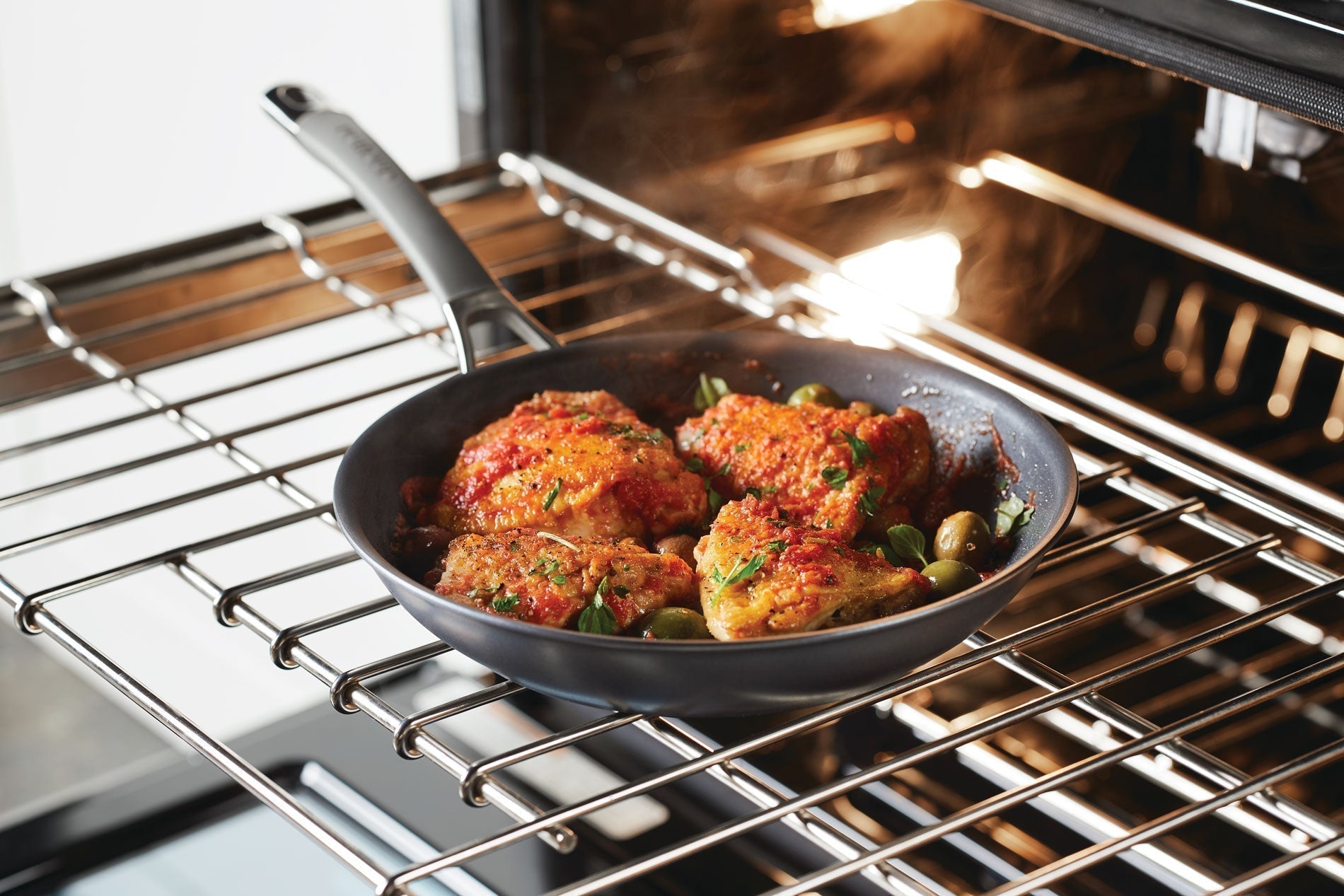
Credit: circulon.com
Cleaning And Caring For Oven-used Saucepan
Oven use puts extra stress on pans. Here’s how to keep your cookware in good shape:
- Let the pan cool before washing. Sudden changes in temperature can warp metal or crack enamel.
- Hand wash when possible. Dishwashers can be harsh, especially on nonstick or enameled surfaces.
- Check for damage. Look for cracks, warping, or loose handles after oven use.
- Re-season cast iron. If your pan is cast iron, a quick re-season after oven use keeps it nonstick.
Non-obvious Insights Most Beginners Miss
- Oven-safe does not always mean broiler-safe. The broiler uses direct, very high heat. Some pans that are fine at 400°F can be damaged under a broiler.
- Removable handles can trick you. Some pans have handles that look metal but hide plastic inside. Always check before using in the oven.
- Dark-colored pans brown food faster. They absorb more heat, which can change how your dish cooks.
- Pan weight matters. Heavier pans (like cast iron) hold heat better for even cooking.
Frequently Asked Questions
Can I Put A Saucepan With A Plastic Handle In The Oven?
No. Plastic handles can melt, warp, or release harmful fumes at oven temperatures. Even “heat-resistant” plastics usually only handle up to 350°F, and some will start to soften below that. Always use pans with all-metal handles if you plan to use them in the oven.
What Happens If I Accidentally Put A Non-oven-safe Pan In The Oven?
If you use a non-oven-safe pan, several things can go wrong: handles may melt or catch fire, nonstick coatings can break down, and the pan may warp or crack. If you notice smoke, strange smells, or see the handle changing shape, turn off the oven and let everything cool before touching the pan.
How Do I Know If My Saucepan Is Oven-safe If I Lost The Manual?
Look for oven-safe symbols on the bottom, check the handle and lid materials, and search for your exact model online. You can also visit the manufacturer’s website or contact their support. When in doubt, use an oven-safe alternative.
Can All Nonstick Pans Go In The Oven?
No. Many nonstick pans are only safe up to 350–400°F, and some are not oven-safe at all. Overheating nonstick pans can release fumes and damage the coating. Always check your pan’s limits before putting it in the oven.
Is It Safe To Use A Glass Lid In The Oven?
Only if the glass lid is marked oven-safe. Many glass lids are designed only for stovetop use. If you’re not sure, don’t use it—glass can shatter or crack in the oven.
For more information on cookware safety, you can visit the Consumer Reports Cookware Guide.
Putting a saucepan in the oven can be a smart way to finish dishes, brown toppings, or keep food hot. But always check your pan’s materials and temperature limits before you start. The right pan will give great results and last for years, while the wrong choice can mean ruined food or damaged cookware.
When in doubt, go for all-metal pans or use a dedicated oven dish. Smart choices in the kitchen lead to better meals—and fewer messes.