Skip to content
Using vinegar as a cleaning solution has been a popular home remedy for decades. Many people believe it’s an effective, natural, and cheap way to keep floors sparkling clean. But is vinegar truly safe and effective for all types of floors?
Or could it cause damage over time? In this article, you’ll learn if you can use vinegar to mop floors, the science behind it, which floor types love (or hate) vinegar, and how to use it correctly for the best results.
Why People Use Vinegar For Cleaning
Vinegar, especially white distilled vinegar, is known for its acidity. This acidity helps break down dirt, grease, grime, and even some bacteria. It’s natural, non-toxic, and doesn’t leave harsh chemical residues. For people with allergies or sensitivities, vinegar can feel like a safer choice than many store-bought cleaners.
Beyond cleaning power, vinegar is cheap and easy to find in any supermarket. Many like it for its deodorizing properties—after mopping, it helps neutralize bad smells. However, vinegar is not a miracle product for every surface, and using it incorrectly can sometimes do more harm than good.
How Vinegar Cleans: The Science In Simple Words
The cleaning power of vinegar comes from acetic acid, which is usually about 5% of white vinegar. This acid can dissolve mineral deposits, cut through grease, and kill some bacteria. For example, studies show that vinegar can remove E. coli and other germs, though it’s not as strong as bleach or commercial disinfectants.
When vinegar is diluted with water, it becomes less harsh but still cleans well for everyday dirt and spills. However, vinegar’s acid can react with some materials, slowly damaging them over time. That’s why knowing your floor type is so important.
Which Floors Are Safe For Vinegar Mopping?
Not all floors react the same way to vinegar. Here’s a breakdown of common floor types and how they respond to vinegar cleaning:
| Floor Type | Safe with Vinegar? | Comments |
|---|---|---|
| Tile (ceramic, porcelain) | Yes | Vinegar is safe and effective for sealed tiles. |
| Vinyl | Yes (with care) | Dilute well. Prolonged use may dull the finish. |
| Laminate | Not recommended | Can damage the protective layer. |
| Hardwood (sealed) | Use with caution | Too much vinegar can strip finish over time. |
| Hardwood (unsealed/waxed) | No | Vinegar can damage and discolor wood. |
| Stone (marble, granite, travertine) | No | Acid eats away at natural stone. |
| Bamboo | Not recommended | May weaken and discolor bamboo. |
| Linoleum | Yes (diluted) | Safe if not used too often. |
Key Points For Floor Types
- Tile floors: Vinegar works well, but avoid using it on grout often, as it can erode over time.
- Vinyl: Use diluted vinegar. Pure vinegar can fade the shine after months of use.
- Laminate and hardwood: Vinegar can sneak into seams and cause swelling or dullness. For sealed hardwood, use vinegar only rarely and always diluted.
- Stone floors: Never use vinegar. Even one cleaning can leave dull spots and permanent marks.
How To Mop Floors With Vinegar: Step-by-step
If your floor type is safe, using vinegar is simple. Here’s the best way to mop with vinegar:
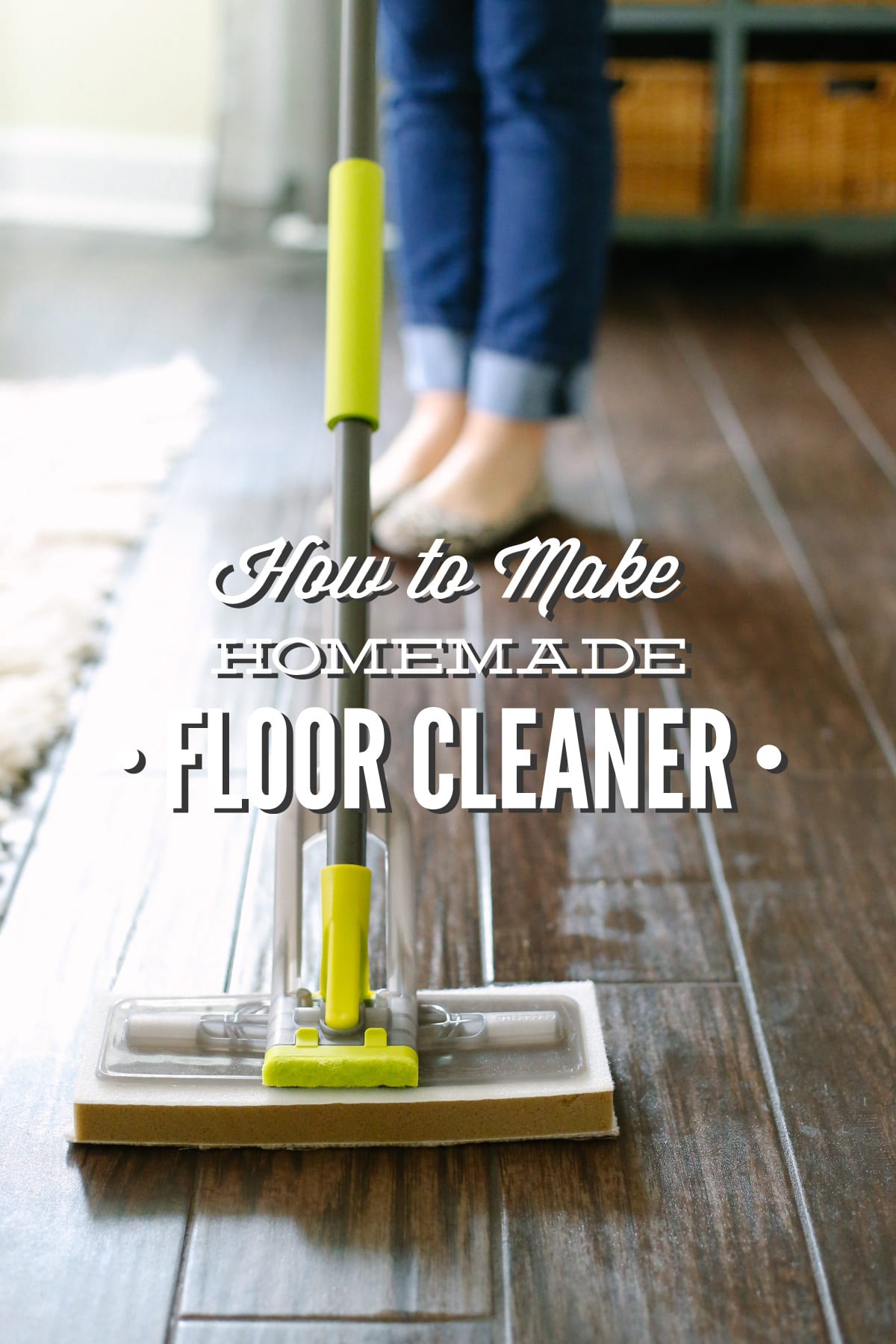
- Mix your solution: Start with 1 cup of white distilled vinegar for every gallon (about 4 liters) of warm water. For lighter cleaning, use half a cup.
- Sweep or vacuum first: Remove loose dust and dirt. Vinegar mopping works best on clear surfaces.
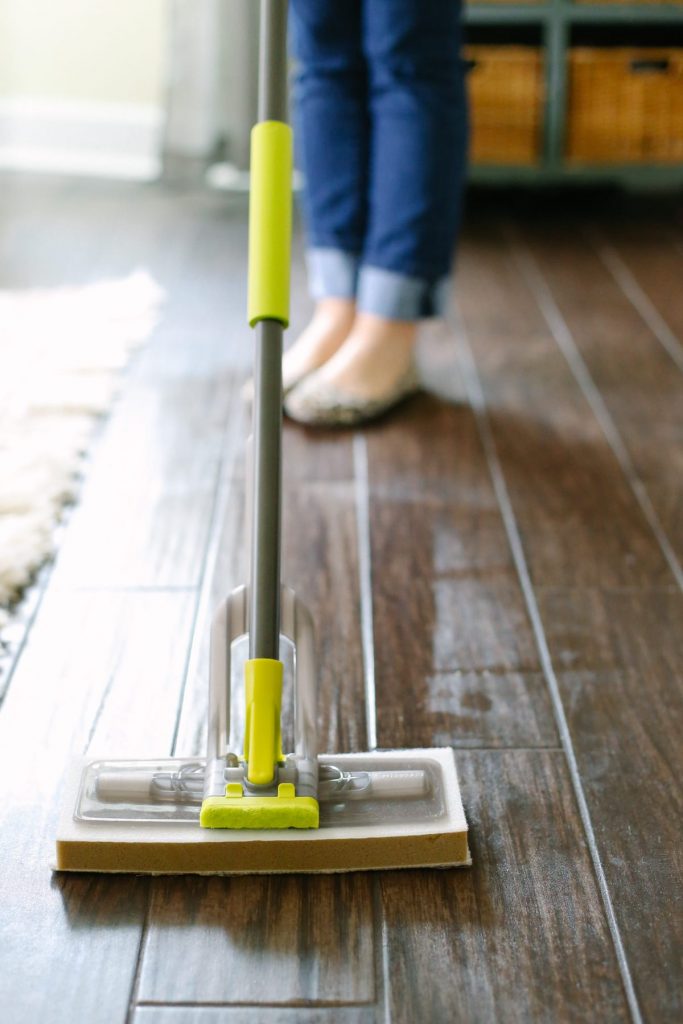
- Dampen your mop: Dip the mop in the vinegar solution, then wring it out so it’s damp, not dripping.
- Mop in sections: Work in small areas, rinsing the mop regularly.
- Air dry: Let the floor air dry. If you notice streaks, buff lightly with a dry, soft cloth.
Tips For Best Results
- Use a microfiber mop for less water on the floor.
- If you dislike the vinegar smell, add a few drops of essential oil (like lemon or lavender).
- For sticky spots, let the vinegar solution sit for a minute before wiping.
- Never pour vinegar directly on the floor—always dilute.
Credit: livesimply.me
Common Mistakes When Using Vinegar To Mop
Many beginners make errors that reduce cleaning power or harm their floors. Watch out for these:
- Using vinegar on sensitive floor types: Always check if your floor is compatible.
- Not diluting enough: Pure vinegar can be too strong and leave marks.
- Over-wetting floors: Especially with wood and laminate, too much water can cause swelling or warping.
- Frequent use on vinyl or linoleum: This can slowly dull the finish.
- Cleaning grout too often: Acid can break down grout lines, causing them to crumble.
Comparing Vinegar To Commercial Floor Cleaners
You might wonder how vinegar stacks up against modern cleaning products. Here’s a simple comparison:
| Feature | Vinegar Solution | Commercial Cleaner |
|---|---|---|
| Cost | Very low | Medium to high |
| Eco-friendly | Yes | Varies |
| Safety | Non-toxic | Chemical exposure possible |
| Odor | Strong at first, fades quickly | Fragranced, may linger |
| Disinfecting power | Moderate | Often higher |
| Ease of use | Simple | Easy, may not need dilution |
| Surface compatibility | Not for all floors | Tailored for specific floors |
Non-obvious insight: Some commercial cleaners contain waxes or polishing agents, making floors look shinier but also slippery. Vinegar doesn’t add shine but also won’t create a slick surface.
Credit: livesimply.me
Real-world Data: Does Vinegar Disinfect Floors?
Many people think vinegar is a powerful disinfectant, but the truth is more complex. Research shows that vinegar can kill some bacteria and viruses, but it’s not as effective as bleach or hydrogen peroxide. According to the Centers for Disease Control and Prevention (CDC), vinegar is not registered as a disinfectant for killing viruses like the flu or COVID-19.
However, for daily cleaning and odor removal, vinegar performs well enough for most homes. For households with pets, children, or high risk of germs, you might want a stronger disinfectant in bathrooms or kitchens.
Mixing Vinegar With Other Cleaning Products
It’s tempting to mix vinegar with other cleaners for extra power, but this can be risky. Never mix vinegar with:
- Bleach: Creates toxic chlorine gas.
- Hydrogen peroxide: Can form peracetic acid, irritating to lungs and skin.
- Ammonia: Releases harmful fumes.
If you want a boost, mixing vinegar with a small amount of dish soap is safe for most floors (except stone and waxed wood). Always rinse thoroughly after using any mixture.
When To Avoid Vinegar Altogether
While vinegar is great for many homes, there are times you should skip it:
- If your flooring warranty says “no vinegar”—using it could void your warranty.
- If your floors are old, damaged, or have exposed seams or cracks.
- If someone in your home has breathing issues and dislikes strong smells.
Non-obvious insight: Some new flooring technologies use special coatings that react badly even to weak acids. Always check your flooring guide or manufacturer’s website before trying vinegar.
How Often Should You Mop Floors With Vinegar?
For most safe floor types, mopping with vinegar once every 2-4 weeks is enough. For high-traffic areas or homes with pets and kids, weekly use is okay, but avoid daily vinegar mopping, especially on vinyl or linoleum.
For wood and laminate, limit vinegar use to once every few months. In between, stick to a damp mop with plain water or a cleaner made for your floor type.
Alternatives To Vinegar For Sensitive Floors
If you have floors that don’t like vinegar, try these options:
- For hardwood and laminate: Use a pH-neutral wood floor cleaner or just water.
- For stone floors: Use a stone-safe cleaner with no acids or harsh chemicals.
- For bamboo: Clean with a damp microfiber mop and a tiny bit of gentle soap.
Some people use baking soda for spot cleaning sticky messes, but always rinse well after. For deep cleaning or stains, consult your floor’s manufacturer.
Vinegar Cleaning: Environmental And Health Impact
One reason vinegar is so popular is its low impact on health and the environment. It’s biodegradable and doesn’t add harmful chemicals to your home. Families with babies, pets, or allergies often prefer vinegar to avoid harsh residues.
However, vinegar is acidic and can irritate eyes or skin if splashed. Always use gloves if you have sensitive skin, and keep windows open for fresh air while cleaning.
For more details on vinegar’s cleaning properties and safety, you can read studies from the National Institutes of Health.

Credit: www.wikihow.com
Frequently Asked Questions
Does Vinegar Leave Streaks Or Residue On Floors?
If you dilute vinegar properly and use a clean mop, it usually leaves floors streak-free. However, on shiny surfaces like vinyl, overuse can cause a dull finish or streaks. Always dry the floor with a soft cloth for a perfect look.
Can I Use Apple Cider Vinegar Instead Of White Vinegar?
White vinegar is best for cleaning because it’s colorless and leaves no stains. Apple cider vinegar works in a pinch but may leave a light color or odor. For light-colored floors, stick to white vinegar.
Is Vinegar Safe For Pets And Children?
Yes, vinegar is non-toxic and safer than many chemical cleaners. The smell can be strong at first but fades quickly. Keep pets and kids away while mopping, as wet floors can be slippery.
How Do I Make My Own Scented Vinegar Floor Cleaner?
Add 10-15 drops of essential oil (like lavender, lemon, or eucalyptus) to your vinegar and water mix. Shake well and mop as usual. This helps mask the vinegar smell and leaves a fresh scent.
What Should I Do If I Accidentally Use Vinegar On The Wrong Floor Type?
Quickly wipe up the vinegar and rinse with clean water. For stone or wood, dry the area with a towel and check for damage. If you see dullness or marks, use a cleaner made for that floor and contact a professional for advice.
Using vinegar to mop floors can be a smart, eco-friendly choice—if you know when and how to use it. Always check your floor type, dilute properly, and avoid overuse. Vinegar isn’t a one-size-fits-all solution, but for the right surface, it’s a classic cleaner that’s hard to beat.
If you’re unsure, test in a small area first or consult your floor manufacturer’s guide. With the right approach, you can keep your home fresh, clean, and safe for everyone.