Skip to content
Can Air Purifiers Make You Sick?
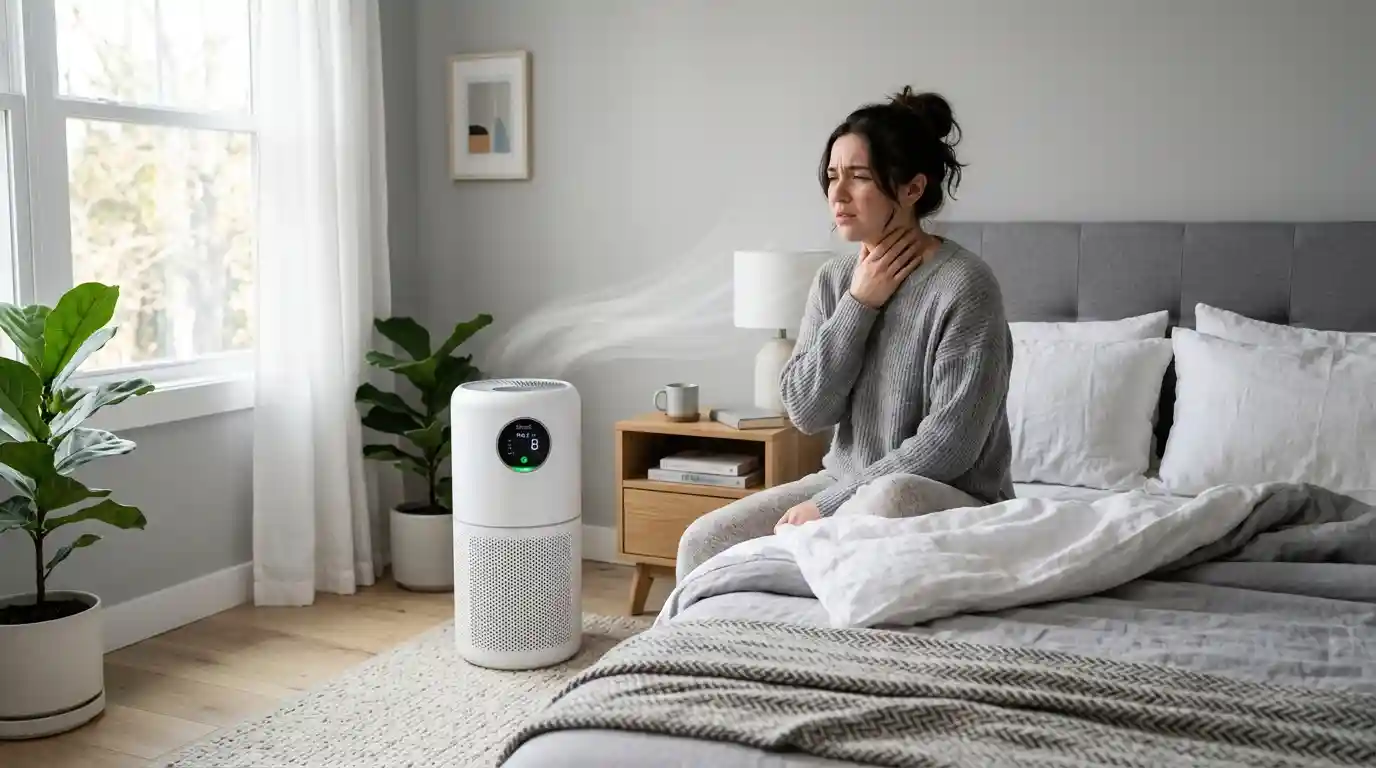
Air purifiers promise cleaner air. Many people buy them to reduce allergies, asthma, and other breathing problems. But sometimes, after using an air purifier, people feel headaches, dry throat, or even nausea. Is it possible for an air purifier to make you sick?
Or is this just a misunderstanding? This article explores the facts, common mistakes, and how to use air purifiers safely. If you’re thinking about buying one, or if you already have one, you’ll learn what really matters—and what most people miss.
How Air Purifiers Work
Air purifiers pull in indoor air and filter out particles like dust, pollen, and smoke. Most devices use HEPA filters (High Efficiency Particulate Air), which trap 99.97% of particles above 0.3 microns. Some also use activated carbon to capture odors and chemicals. Others, like ionizers and UV-C purifiers, use electricity or light to remove pollutants.
Here’s a basic comparison of popular air purifier types:
| Type | Main Feature | Common Uses |
|---|---|---|
| HEPA | Removes dust, pollen, pet dander | Allergy relief, asthma |
| Activated Carbon | Absorbs odors, chemicals | Cooking smells, smoke |
| Ionizer | Charges particles to stick together | General air cleaning |
| UV-C | Kills bacteria and viruses | Germ control |
Most air purifiers are safe. But certain types, especially ionizers and ozone generators, can create problems.
When Air Purifiers Cause Health Problems
Air purifiers are designed to help, not harm. Still, there are situations where they can cause discomfort or sickness. Understanding these is key.
Ozone Production
Some air purifiers release ozone. Ozone is a gas that can irritate the lungs and throat. It is used in some devices to kill germs and remove odors, but too much ozone indoors is unsafe. The EPA (Environmental Protection Agency) warns that ozone can cause coughing, chest pain, and worsen asthma.
| Ozone Level (ppm) | Effects on Health |
|---|---|
| 0.05 | Safe limit (EPA standard) |
| 0.10 | Throat irritation, cough |
| 0.20+ | Shortness of breath, chest pain |
Many cheap air purifiers, especially ionizers, produce ozone. Always check if your device is ozone-free. If you notice headaches or throat discomfort after turning on your purifier, ozone may be the cause.
Over-drying The Air
Some air purifiers also act as dehumidifiers. When the air gets too dry, you may experience dry skin, scratchy throat, or nosebleeds. This is more common in winter, when indoor air is already dry. Even regular HEPA purifiers can make things worse by circulating air quickly.
Non-obvious insight: If you use a purifier in a small room, it can dry the air faster than in a large space. Always monitor humidity levels and use a humidifier if needed.
Poor Maintenance
A dirty filter can become a source of bacteria and mold. If you don’t replace or clean filters regularly, your purifier may blow these harmful particles back into the room. This can lead to respiratory infections or allergy flare-ups.
Beginner mistake: Many people forget to change filters. They think the device is “set and forget,” but a clogged filter reduces effectiveness and may even make air quality worse.
Chemical Sensitivity
Some purifiers release volatile organic compounds (VOCs) from plastic parts or filters treated with chemicals. Sensitive people might feel dizzy or nauseous if exposed to these compounds, especially in new devices.
Common Symptoms Linked To Air Purifiers
If an air purifier is making you sick, you may notice:
- Headaches after running the device for a few hours
- Dry throat or cough, especially during winter
- Eye irritation or watering
- Nausea or dizziness in poorly ventilated rooms
- Worsened allergies due to dirty filters
These symptoms usually appear when the device is misused, badly maintained, or produces ozone.
Real-world Examples
Let’s look at a few cases:
1. Sarah’s Asthma Flare-up
Sarah bought a cheap ionizer to help her asthma. After a week, her breathing got worse. The problem: her air purifier was producing ozone. Once she switched to a HEPA-only model, her symptoms improved.
2. Office Dry Air
In a small office, three purifiers ran nonstop. Staff reported dry eyes and sore throats. The devices had no humidifier function. Adding a basic humidifier fixed the problem.
3. Mold Growth In Filter
John used his purifier for over a year without changing the filter. When he finally checked, mold had grown inside. He suffered from sneezing and itchy eyes. After replacing the filter, his symptoms disappeared.
These examples show the importance of choosing the right device, using it correctly, and maintaining it well.
Credit: timesofindia.indiatimes.com
How To Choose A Safe Air Purifier
Not all air purifiers are equal. Here’s what matters when picking a device:
- Check for ozone-free certification. Look for labels like “CARB compliant” or “ozone-free.”
- Choose HEPA filters for most needs. They don’t produce ozone and are effective against common allergens.
- Avoid ozone generators unless recommended for special cleaning purposes (never for daily use).
- Look for devices with low VOC emissions. Read reviews and avoid models with strong “plastic smell.”
- Check filter replacement schedule. Choose devices with easy-to-access filters and clear instructions.
Here’s a quick comparison of safe vs risky air purifiers:
| Type | Safe for Daily Use? | Main Risk |
|---|---|---|
| HEPA | Yes | Low, unless filter is dirty |
| Activated Carbon | Yes | Low, unless filter is dirty |
| Ionizer | Often No | Ozone production |
| Ozone Generator | No | High ozone levels |
Using Your Air Purifier Safely
Even the best air purifier can cause problems if used incorrectly. Here are practical tips to avoid sickness:
- Read the manual. Follow the manufacturer’s instructions for placement and use.
- Change filters on schedule. Set a reminder on your phone or calendar.
- Avoid placing purifiers near beds or faces. Direct airflow can cause dryness.
- Monitor humidity. Use a hygrometer to check if air is too dry (below 30% humidity).
- Ventilate the room. Open windows occasionally to let fresh air in.
- Clean the device exterior regularly. Dust buildup can affect performance.
- Don’t run purifiers 24/7 unless needed. Give your lungs a break and save energy.
Experience-based guide: Some people notice symptoms only after several days. If you feel worse after starting a new device, turn it off and see if symptoms improve. Try moving the purifier to a different spot or adjusting fan speed.
Non-obvious Insights Most Beginners Miss
- Filter quality matters. Some cheap “HEPA-type” filters are not true HEPA and let particles through. Always check certifications.
- Purifier size is important. A device too small for your room won’t clean air effectively, and a device too big may over-dry the air. Calculate your room’s square footage and match it to the purifier’s CADR (Clean Air Delivery Rate).
Air Purifiers And Sensitive Groups
Certain people are more likely to feel sick from air purifiers:
- Children: Their lungs are sensitive to ozone and dry air.
- Asthma sufferers: Ozone, VOCs, or mold in filters can worsen symptoms.
- Elderly: Dry air increases risk of respiratory infections.
- Pregnant women: Should avoid exposure to ozone and VOCs.
If you belong to one of these groups, choose devices certified as safe for sensitive users.
What The Science Says
Research shows most air purifiers are safe if used as directed. The main risks come from ozone and poor maintenance. According to the EPA, “Ozone generators sold as air cleaners should be avoided. HEPA and activated carbon filters are effective and safe for daily use.” For more details, see EPA guidance.
Frequently Asked Questions
Can Air Purifiers Cause Headaches?
Yes, especially those that produce ozone or dry out the air. Headaches can also result from VOCs released by new devices. Use ozone-free models and monitor air humidity.
Is It Safe To Run An Air Purifier All Night?
For most HEPA and activated carbon models, yes. Avoid running ozone-generating devices overnight. Always check manufacturer guidelines and keep filters clean.
Can Dirty Filters Make Me Sick?
Absolutely. Dirty filters can harbor mold, bacteria, and dust. These can be blown back into the room, causing allergies or infections. Replace filters as recommended.
What Is The Best Air Purifier For Allergies?
A true HEPA filter purifier is best for allergies. It traps pollen, pet dander, and dust mites. Make sure the device is ozone-free and the filter is certified.
Do Air Purifiers Help With Covid-19?
HEPA purifiers can reduce virus particles in the air, but they are not a substitute for masks or good ventilation. For detailed guidance, see the CDC website.
Credit: www.itsmeladyg.com
Final Thoughts
Air purifiers can improve indoor air quality and help people with allergies or asthma. However, some devices—especially those producing ozone or poorly maintained—can cause headaches, dryness, or worsen respiratory problems. Choose a safe model, maintain it well, and pay attention to your room’s humidity.
If you feel sick after using a purifier, check for ozone, change the filter, or try a different model. Clean air should make you feel better, not worse. With the right knowledge, you can enjoy the benefits without the risks.