Keeping your indoor air clean is more important than ever. With increasing air pollution, allergies, and respiratory problems, many people now use air purifiers at home and work. But even the best air purifier is only as good as its filter. If you don’t change the filter often enough, the device will lose its ability to remove dust, pollen, pet dander, and even dangerous particles.
So, how often should you actually change your air purifier filter? The answer depends on several factors—some obvious, some easy to overlook. This guide will help you understand everything you need to know for the healthiest air and the longest filter life.
Why Changing Air Purifier Filters Matters
Air purifiers work by pulling air through a filter, trapping harmful particles. Over time, these particles fill up the filter, making it less effective. A clogged filter can’t clean the air well and may even allow trapped pollutants to escape. In some cases, a dirty filter forces the machine to work harder, using more electricity and wearing out the motor faster. This means higher energy costs, more noise, and a shorter lifespan for your purifier.
Many people believe that filters only need changing when they look dirty. However, most microscopic pollutants are invisible to the eye. Waiting too long can result in breathing in more allergens or even growing mold inside the filter. Regular filter changes keep your device working as intended—and protect your health.
Types Of Air Purifier Filters And Their Lifespans
Not all air purifier filters are the same. Understanding the common types will help you know what to expect.
| Filter Type | Common Use | Typical Lifespan |
|---|---|---|
| HEPA Filter | Allergens, Dust | 6–12 months |
| Activated Carbon | Odors, Gases | 3–6 months |
| Pre-filter | Large Particles, Hair | 1–3 months (washable) |
| UV-C Filter | Bacteria, Viruses | Replace UV bulb every 12 months |
| Electrostatic Filter | Fine Particles | 1–2 months (washable) |
HEPA filters are the most common in modern purifiers. They trap at least 99.97% of particles as small as 0.3 microns. Activated carbon filters remove odors and chemical gases, while pre-filters catch larger debris. Some purifiers also use UV-C light or electrostatic filters as extra stages.
Most filters come with a recommended change interval from the manufacturer. However, these are only guidelines. Your actual replacement schedule may differ depending on your environment and how you use the purifier.
Credit: www.reddit.com
Key Factors That Affect Filter Replacement Frequency
The lifespan of an air purifier filter isn’t just about time. Several factors can make your filter wear out faster or last longer.
1. Air Quality In Your Area
If you live in a city with heavy traffic or near factories, the air likely contains more pollutants. During wildfire season, pollen outbreaks, or dust storms, filters fill up much faster. Rural areas usually have fewer airborne particles, but pollen and farm dust may still be a concern.
2. Indoor Pollution Sources
Smoking indoors, using candles, cooking with oil, or having pets can all increase the load on your air purifier. Pet dander, hair, and litter box dust are especially tough on filters. If anyone in your home smokes or you often cook with strong spices, expect to change filters more frequently.
3. Frequency Of Use
Running your air purifier 24/7 will use up the filter faster than just a few hours each day. High-traffic areas like living rooms or offices may need more frequent changes compared to a bedroom you only use at night.
4. Room Size
A purifier in a large open space cleans more air, so the filter works harder. If you use a small purifier in a big room, the filter can become overloaded quickly. Always match the purifier’s CADR rating (Clean Air Delivery Rate) to your room size.
5. Filter Quality And Brand
Cheap filters often have less filtering material and may not last as long. Some brands use high-density HEPA or extra-thick carbon filters, which can offer a longer lifespan. Always use genuine filters from the manufacturer for best results.
Signs Your Air Purifier Filter Needs Changing
Sometimes, the best indicator is not the calendar but the filter itself—or your own senses. Watch for these signs:
- Reduced airflow: If you notice less air coming out, the filter may be clogged.
- Increased dust or allergy symptoms: If sneezing, coughing, or dust buildup increases, the filter may be full.
- Bad odors: Persistent smells can mean the carbon filter is saturated.
- Visible dirt: If you see thick dust or discoloration, it’s time for a change.
- Unusual noise: A struggling fan or louder motor may signal a blocked filter.
- Indicator light: Many modern purifiers have a filter change light—trust it, but don’t rely on it alone.
It’s a mistake to wait for all these signs. Sometimes, filters lose efficiency before obvious symptoms appear.
Manufacturer Recommendations Vs. Real-world Usage
Most air purifiers come with instructions about filter replacement. For example, a manual may say to change the HEPA filter every 12 months and the carbon filter every 6 months. But these are based on average conditions. Real-world use often requires more frequent changes.
Here’s a quick comparison between standard recommendations and what you may need:
| Filter Type | Manufacturer’s Advice | When to Change in High-Use Homes |
|---|---|---|
| HEPA | 12 months | Every 6–9 months |
| Carbon | 6 months | Every 3–4 months |
| Pre-filter | 3 months (or washable) | Every 1–2 months |
If your air seems especially dirty, trust your own judgment over the manual. You can also check the filter visually or by smell to decide if it’s time to replace.
How To Check And Replace Your Air Purifier Filter
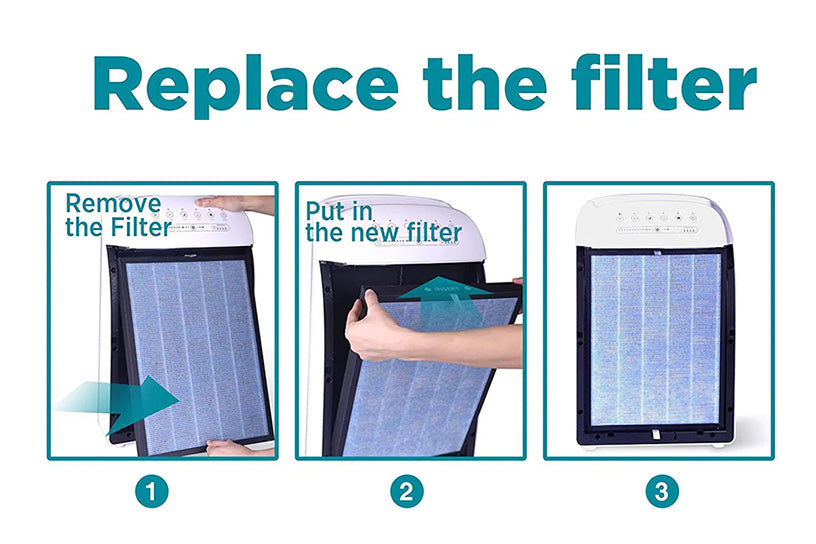
Changing a filter is usually simple, but not everyone knows how to do it right. Here are the basic steps:
- Turn off and unplug your air purifier.
- Open the filter compartment. This is usually at the back or bottom of the device. Check your manual for the location.
- Remove the old filter carefully. Some filters may have dust or mold—avoid shaking them.
- Inspect the filter. Even if it looks clean, replace it if it’s past the recommended time.
- Insert the new filter, making sure it fits snugly and the arrows (if any) face the right direction.
- Close the compartment and plug the purifier back in.
- Reset the filter indicator if your model has one.
Some purifiers use multiple filters. If so, replace or clean each stage as needed. Don’t forget to wash or vacuum pre-filters if they are reusable.

Credit: smartairfilters.com
Tips To Extend Filter Life (and Save Money)
Filters can get expensive, especially in homes with lots of dust or pollution. While you should never use a filter past its life, some smart habits can help stretch your budget:
- Vacuum or wash pre-filters regularly. This keeps the main filter cleaner.
- Keep windows closed during high pollen or pollution days.
- Use doormats and ask people to take off shoes to reduce indoor dust.
- Avoid indoor smoking or burning candles, which clog filters fast.
- Clean your home often, especially carpets, curtains, and pet areas.
- Place your purifier away from walls or furniture for better airflow.
A non-obvious tip: Sometimes, running your purifier at a lower speed during times of lower pollution can help extend filter life, since the filter isn’t constantly at maximum load. However, during allergy or wildfire seasons, run it at full power for best protection.
How Filter Replacement Frequency Affects Health
Air purifiers are often used by people with allergies, asthma, or other breathing problems. Using a filter past its prime can actually make symptoms worse. Studies show that old filters may harbor bacteria or mold, which are then blown back into your room.
Children, elderly people, and anyone with a weak immune system are most at risk. If you or your family experience frequent colds, headaches, or sinus problems, check your filters as a first step.
Some users think that running a purifier with a dirty filter is better than nothing. But in some cases, it can do more harm than good. Change filters on time for the best air quality and health.
The Cost Of Not Changing Filters: What Most People Miss
Many people delay changing filters to save money. However, using old filters can lead to:
- Higher energy bills: The purifier works harder to push air through a clogged filter.
- Shorter device life: Overworked motors may fail early.
- Poor air quality: Allergens and pollutants remain in your air.
- Repair costs: Clogged filters can damage other parts of the machine.
A hidden danger is that some filters, especially carbon types, can release trapped gases back into the air if left too long. This is rarely mentioned in manuals, but it’s a real risk. Don’t try to “stretch” filter life beyond what’s safe.
How To Set A Filter Change Schedule That Works
With so many factors affecting filter lifespan, it helps to set a schedule. Here’s how to make it easy:
- Read your manual and note the recommended change times.
- Check your local air quality index (AQI) online during each season.
- Mark filter change dates on your calendar or set a smartphone reminder.
- Check the filter monthly if you have pets, allergies, or live in a polluted area.
- Stock up on replacement filters so you’re always ready.
For households with extreme air quality issues, consider keeping a small log to track symptoms and dust levels. Adjust your schedule if you notice changes.
Credit: www.mspurelife.com
How Different Brands Compare For Filter Longevity
Not all air purifier brands offer the same filter life. Some use better materials or design their purifiers for easier maintenance.
| Brand | Average HEPA Filter Life | Replacement Cost |
|---|---|---|
| Dyson | 12 months | High |
| Honeywell | 6–12 months | Medium |
| Levoit | 6–8 months | Low |
| Blueair | 6 months | Medium-High |
It’s wise to check reviews and see how real users rate filter life for your chosen brand. Some third-party filters are cheaper, but may not fit as well or offer the same filtration.
Frequently Asked Questions
How Do I Know If My Air Purifier Filter Is Really Dirty?
Look for reduced airflow, more dust in your home, or new allergy symptoms. If the filter is visibly discolored or smells bad, it’s time to change it. Many purifiers have an indicator light, but always trust your own checks.
Can I Clean And Reuse A Hepa Filter?
Most true HEPA filters are not washable. Washing can damage the fibers and reduce filtering power. If your filter is labeled “washable” or “permanent,” follow the manufacturer’s instructions. Otherwise, always replace.
What Happens If I Wait Too Long To Change The Filter?
A clogged filter means poor air cleaning and can even grow mold or bacteria. This can make allergies worse or cause respiratory problems. In rare cases, the purifier may break down from overwork.
Does Running The Purifier At A Higher Speed Use Up The Filter Faster?
Yes. The higher the speed, the more air passes through the filter, and the faster it fills up. During allergy season or high pollution, running at full speed is best for health—but expect to change filters more often.
Where Can I Find Reliable Information About My Air Purifier’s Filter?
Always check the manufacturer’s website and manual. For general facts about air filtration, you can also visit the US Environmental Protection Agency.
Changing your air purifier filter on time is one of the easiest ways to protect your health and your investment. By paying attention to your environment, filter type, and your own senses, you can set a schedule that works for your home.
Clean air starts with a clean filter—don’t let yours become an afterthought.