Skip to content
Can You Grind Spices In A Coffee Grinder
Many home cooks wonder if their coffee grinder can be used for more than just coffee beans. With spice blends becoming popular, the question often comes up: “Can you grind spices in a coffee grinder?” The short answer is yes, but there are details and practical tips you should know.
This article will explain how it works, the pros and cons, what to watch out for, and how to get the best results. Whether you want to grind fresh peppercorns or make your own curry powder, understanding your grinder’s limits and possibilities will help you create tastier meals.
How Coffee Grinders Work
Coffee grinders use blades or burrs to crush beans into small pieces. There are two main types:
- Blade grinders use spinning blades to chop the beans. They are usually cheaper and easy to use.
- Burr grinders crush beans between two surfaces. They give a more even grind and are better for quality coffee.
When you put spices in a coffee grinder, the machine breaks them up in the same way as coffee beans. The result depends on the grinder type, the spice texture, and how long you grind.
Blade Vs Burr Grinders For Spices
Blade grinders can handle most spices, but the grind is not always even. Burr grinders give a more consistent result, but they can sometimes get clogged if you use sticky or oily spices.
Here’s a quick comparison:
| Grinder Type | Spice Grinding Ability | Best Use | Problems |
|---|---|---|---|
| Blade | Good (not even) | Dried spices, small batches | Uneven grind, flavor mixing |
| Burr | Very good (even) | Large batches, dry spices | Can clog, harder to clean |
Non-obvious insight: Burr grinders may seem better, but sticky spices like cinnamon can block the mechanism. Always check if your burr grinder is easy to clean before using it for spices.
Which Spices Can You Grind?
Not all spices are suitable for coffee grinders. Here are some common ones:
- Peppercorns: Easy to grind, great for fresh flavor.
- Coriander seeds: Works well, gives a strong aroma.
- Cumin seeds: Grinds smoothly, but can leave a scent.
- Cloves: Possible, but their oil can stick to blades.
- Cinnamon sticks: Only for strong grinders; can damage weak ones.
- Nutmeg: Usually too hard for blade grinders.
Some spices, like dried chili peppers, can be ground in a coffee grinder, but they may leave a lingering smell and flavor.
Spices Not Recommended
- Wet spices: Fresh ginger or garlic should not go in a coffee grinder.
- Very oily seeds: Flaxseed and sesame can gum up the mechanism.
Practical tip: Always use dry, hard spices. Soft or moist spices can damage your grinder or make cleaning much harder.
Credit: www.krupsusa.com
Pros And Cons Of Using A Coffee Grinder For Spices
Using a coffee grinder for spices has advantages and disadvantages. Let’s look at both:
| Advantage | Disadvantage |
|---|---|
| Quick and easy | Flavor mixing (coffee & spice) |
| Fresh spice flavor | Hard to clean |
| Custom blends | Can damage grinder |
| Saves money | Possible uneven grind |
Most people enjoy the fresh taste of home-ground spices. But if you often switch between coffee and spices, flavors can mix. Cleaning is important to avoid this problem.
Non-obvious insight: If you grind spices with strong aromas (like cloves or cardamom), your coffee may taste odd for several weeks unless you clean the grinder carefully.
Cleaning Your Coffee Grinder After Grinding Spices
To avoid mixing flavors, you must clean your grinder well after using it for spices. Here’s how:
- Unplug and empty: Remove all spice residue.
- Brush out particles: Use a small, dry brush to clean the inside.
- Grind some rice: Put uncooked rice in and grind. The rice absorbs oils and leftover bits.
- Wipe with a dry cloth: Never use water, especially in electric grinders.
Repeat these steps until the grinder is clean and odor-free. Some people keep a separate grinder for spices to avoid cleaning issues.
How Often Should You Clean?
If you use your grinder for both coffee and spices, clean it after every use. If it’s just for spices, clean once a week or after grinding oily spices.
Practical tip: Grinding rice is a cheap and safe way to clean both blade and burr grinders.
Tips For Grinding Spices In A Coffee Grinder
Getting the best results needs more than just pressing a button. Here are some tips:
- Use small batches: Grinding too many spices at once can overheat the grinder.
- Pulse instead of running: Short bursts help control texture and prevent overheating.
- Let the grinder cool: If you grind often, give it breaks to avoid motor damage.
- Check grind size: Stop and check the spice texture. Some recipes need coarse, others fine.
- Avoid cross-contamination: If possible, keep a dedicated grinder just for spices.
Preventing Common Mistakes
- Don’t overload: Too many spices can stress the motor.
- Don’t grind wet spices: Moisture can cause mold and ruin the grinder.
- Don’t ignore cleaning: Old spice oils can turn rancid and spoil both coffee and spices.
Experience-based insight: Even experienced cooks forget to check grind size. Spices ground too fine can make food bitter, while too coarse may leave chunks.
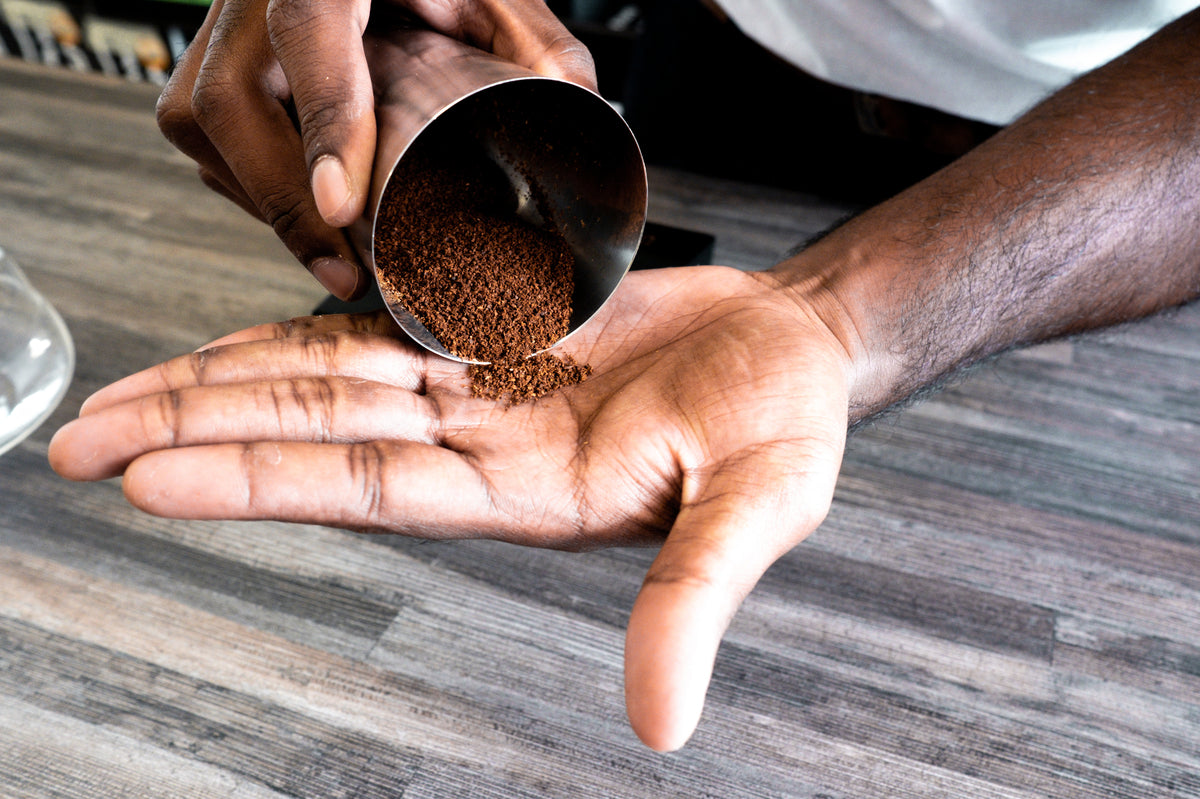
Coffee Grinder Vs. Dedicated Spice Grinder
Many people ask if they should buy a spice grinder instead. Let’s compare:
| Feature | Coffee Grinder | Spice Grinder |
|---|---|---|
| Purpose | Beans, sometimes spices | Spices only |
| Cleaning | Harder | Easier |
| Flavor mixing risk | High | Low |
| Price | $15–$150 | $10–$50 |
| Grind consistency | Good | Very good |
Spice grinders are designed for frequent use and easier cleaning. If you grind spices often, investing in a dedicated grinder makes sense.
Credit: majestycoffee.com
Safety And Longevity
Grinding hard spices can wear out your coffee grinder faster. Here’s how to protect it:
- Don’t force hard spices: If you hear strange noises, stop immediately.
- Let the motor rest: Overheating can ruin the grinder.
- Clean regularly: Leftover oils can damage internal parts.
- Check warranty: Some manufacturers do not cover damage from grinding spices.
Statistics: According to consumer reports, about 25% of coffee grinder failures are linked to misuse, including grinding hard spices.
Practical tip: Always check your grinder’s manual before using it for spices. If the manual warns against it, consider buying a spice grinder instead.
You might find this helpful: Best Coffee Grinders Under $50
Getting The Most Flavor From Ground Spices
Grinding spices fresh gives better flavor than store-bought powders. Here’s how to maximize taste:
- Grind just before cooking: Spices lose aroma fast after grinding.
- Store in airtight containers: Keep ground spices away from air and moisture.
- Toast spices first: For many recipes, lightly toasting seeds before grinding boosts flavor.
Example: Grinding fresh cumin seeds and adding them to chili gives a deeper, richer taste compared to pre-ground cumin.
Alternative Ways To Grind Spices
If you don’t have a coffee grinder, try these methods:
- Mortar and pestle: Classic tool, gives control but takes time.
- Manual spice mill: Good for small amounts.
- Food processor: Works for large batches, but not fine powder.
- Rolling pin and plastic bag: Simple, but only for soft spices.
Each method has its pros and cons. Mortar and pestle work well for rough textures, while processors are best for big batches.
Non-obvious insight: Some spices (like nutmeg) need to be grated, not ground, for best flavor and texture.
Spice Grinding In Different Cuisines
Different cuisines need different grind sizes and textures. For example:
- Indian food: Often uses finely ground blends.
- Mexican dishes: Sometimes use coarsely ground chili.
- Middle Eastern recipes: Prefer freshly ground cumin and coriander.
Knowing your cuisine helps you choose the right grind size and spices. Experimenting with grind levels can change the flavor profile.

Credit: staresso.com
Expert Opinions And Research
Experts agree that grinding spices fresh brings out the best flavor. Food scientist Harold McGee notes that spice oils evaporate quickly once ground, so freshness is key. A study by the Journal of Food Science found that freshly ground spices can double the aroma compared to pre-ground ones.
For more detailed information on spice grinding, you can check Wikipedia’s article on spices.
Frequently Asked Questions
Can I Use A Coffee Grinder For Both Coffee And Spices?
Yes, but flavors can mix. Clean the grinder well after each use, or use separate grinders for coffee and spices.
Will Grinding Spices Damage My Coffee Grinder?
Grinding hard spices or large amounts can stress the motor and blades. Always check your grinder’s manual and avoid overloading.
What’s The Best Way To Clean A Coffee Grinder After Grinding Spices?
Grind uncooked rice to absorb oils, then brush and wipe out the inside. Avoid using water.
Which Spices Should I Avoid Grinding In A Coffee Grinder?
Avoid wet spices (like fresh ginger), oily seeds (like flaxseed), and very hard spices (like nutmeg) unless your grinder is powerful.
Is It Better To Use A Spice Grinder Or Coffee Grinder For Spices?
A spice grinder is easier to clean and reduces flavor mixing. If you grind spices often, it’s a better choice.
Grinding spices in a coffee grinder is possible and often convenient. With careful cleaning and the right technique, you can enjoy fresher, more flavorful meals. Just remember the risks, and choose the right grinder for your needs. If you love cooking with spices, a dedicated grinder can make life easier and give you tastier food every time.