Skip to content
Why Your Sous Vide Bag Keeps Floating
Sous vide cooking is popular because it gives you tender meat, perfect eggs, and flavorful vegetables. You place food in a plastic bag, remove the air, and cook it in water at a precise temperature. But many home cooks face a common problem: floating bags. If your sous vide bag keeps floating, it can ruin your meal, waste energy, and create safety risks. Let’s explore why this happens, how to fix it, and what you can do to cook with confidence every time.
Why Do Sous Vide Bags Float?
The main reason sous vide bags float is trapped air. Even with vacuum sealing, small air pockets can remain. Air is lighter than water, so the bag rises. But there are other reasons, too.
- Incorrect sealing: Sometimes the seal isn’t tight. Air leaks in and lifts the bag.
- Food density: Some foods, like vegetables, are less dense than water. They naturally float.
- Bag material: Thin bags may trap air bubbles or lose vacuum pressure.
- Temperature changes: As water heats, air inside expands. This can make bags float after cooking starts.
Floating bags matter because they cause uneven cooking. The food at the top may not be fully covered by water, so it doesn’t cook as well. This can lead to unsafe results, especially with chicken or fish.
The Science Behind Sous Vide Bag Buoyancy
To understand why bags float, let’s look at buoyancy. It’s the force that makes objects rise in water. If the bag’s weight is less than the water it displaces, it floats.
Here’s a quick comparison:
| Bag Type | Air Inside | Food Density | Likely to Float? |
|---|---|---|---|
| Vacuum Sealed | Minimal | High (meat) | No |
| Ziplock Bag | Moderate | Low (vegetables) | Yes |
| Reusable Silicone | Low | Medium | Sometimes |
Vacuum-sealed bags with dense food rarely float. But ziplock bags and light foods will often rise unless you remove all air.
Common Mistakes That Cause Floating
Many beginners make simple errors. Here are a few:
- Not sealing properly: Even a small gap lets air in.
- Skipping air removal: Not pushing out air before sealing.
- Using cheap bags: Low-quality bags may fail under heat.
- Overfilling bags: More space means more trapped air.
- Ignoring food type: Vegetables and some fish float easily.
Experienced cooks know that even with a vacuum sealer, you have to check the bag after submerging. Sometimes air appears during cooking.
How To Prevent Sous Vide Bags From Floating
You don’t have to accept floating bags. Try these proven solutions:
1. Use The Water Displacement Method
If you don’t have a vacuum sealer, the water displacement method works well. Place your food in a ziplock bag, seal almost all the way, then slowly lower the bag into water. The water pushes out air. Seal the rest of the bag before it’s fully submerged.
2. Double Check The Seal
Always press the seal after closing. For vacuum bags, watch for leaks. For ziplocks, run your fingers along the closure.
3. Add Weights
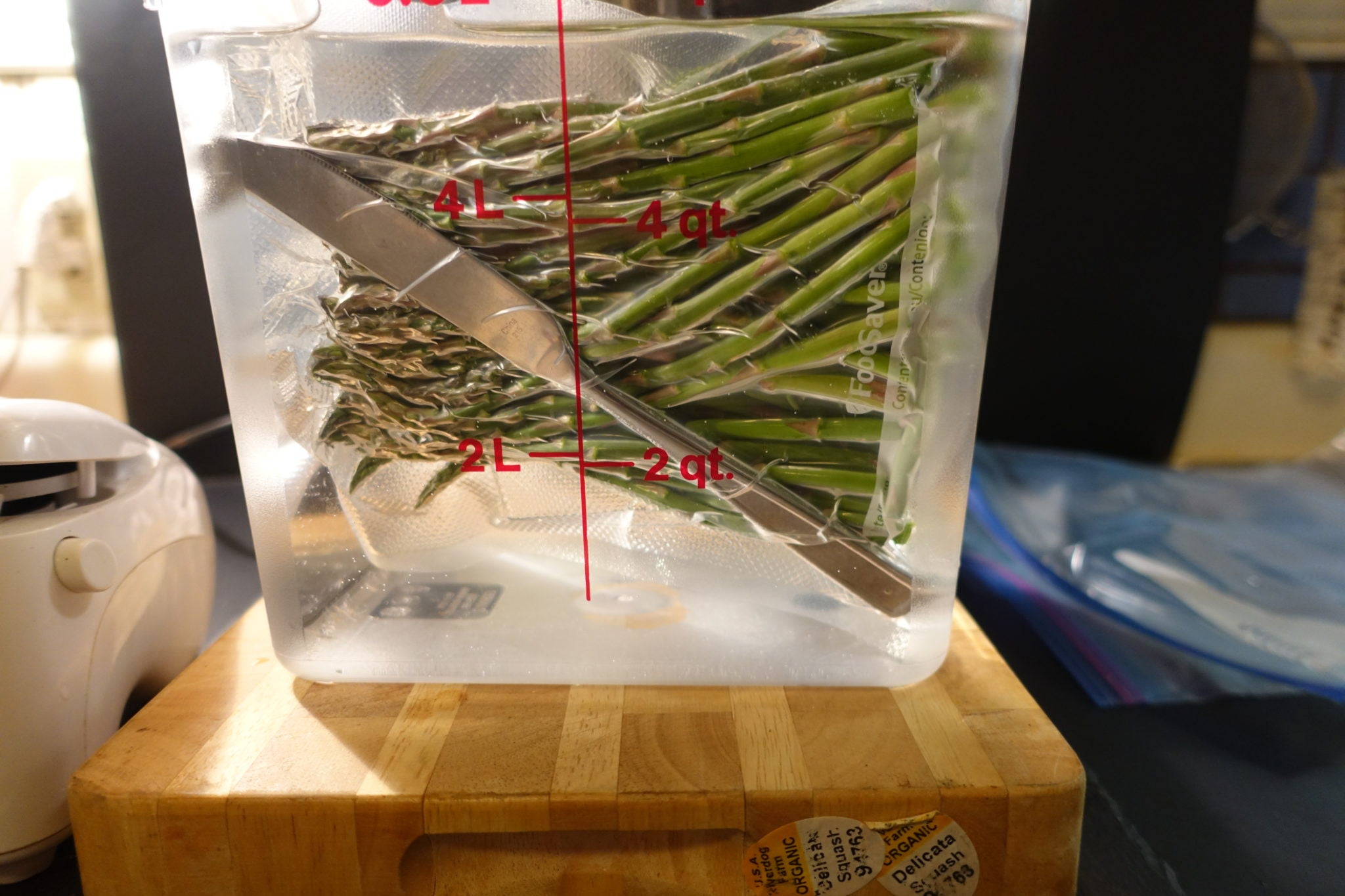
Food-safe weights help keep bags down. You can use stainless steel forks or spoons inside the bag, or buy special sous vide weights.
| Weight Type | Safe for Food? | Cost | Effectiveness |
|---|---|---|---|
| Stainless Steel Fork | Yes | Low | Medium |
| Commercial Sous Vide Weights | Yes | Medium | High |
| Ceramic Pie Weights | Yes | Low | Medium |
| Glass Marbles | Yes | Low | Low |
Weights are simple and reliable. Just check that they’re safe and won’t puncture the bag.
4. Clip The Bag To The Side
Use kitchen clips to hold the bag against the side of the pot. This keeps it from floating up, but make sure water still surrounds the food.
5. Use A Rack Or Grid
Sous vide racks keep bags separated and under water. They’re especially useful for large batches.
6. Choose The Right Bag
High-quality vacuum bags work best. Look for thick, BPA-free plastic. Some brands are rated for higher temperatures.
7. Don’t Overfill
Keep bag contents flat and spread out. Overfilled bags trap more air and float easily.
Dealing With Floating Foods
Some foods float no matter what. Vegetables like asparagus, broccoli, and potatoes are less dense. Fish fillets can also float.
To handle this:
- Add weights directly to the bag.
- Use a rack with vertical slots.
- Stack bags carefully, so each is fully submerged.
- Try using a small plate on top of the bag (if the water bath allows).
Vegetables often need extra attention. Unlike meat, they don’t press down naturally. For delicate fish, avoid heavy weights that might crush them.
When Floating Is A Problem (and When It’s Not)
Sometimes a floating bag is just annoying. Other times, it’s dangerous. If the food is not fully underwater, it cooks unevenly. The top may be colder, leading to unsafe meat.
For example, cooking chicken at 150°F for 1 hour requires full water contact. If your bag floats, the top may stay at 120°F. That’s a risk for bacteria.
But if you’re cooking a large steak, and only a corner floats, it might not matter. Always check that all food is underwater.
Advanced Tips: Avoiding Floating In Every Situation
Experienced sous vide cooks use clever tricks:
- Vacuum seal twice: If you see air after the first seal, cut and reseal.
- Freeze before cooking: Frozen food is denser and helps push out air.
- Sous vide magnets: Some companies make magnets to hold bags underwater. They stick to the pot’s side.
- Use a ping pong ball layer: Floating ping pong balls help keep heat in and push bags down.
These tips are often missed by beginners. For example, freezing before cooking isn’t just for storage—it helps with floating and makes air removal easier.
Check out this article: Can You Reuse Sous Vide Bags Safely
Real-life Example: Cooking Chicken Breast
Let’s say you’re cooking two chicken breasts at 145°F for 90 minutes. You use a ziplock bag, push out air, and seal. But after 20 minutes, the bag starts floating.
Here’s what you should do:
- Stop the machine and open the bag.
- Check for leaks or loose closure.
- Add a fork or sous vide weight.
- Reseal and lower again, using water displacement.
- Clip to the pot if needed.
With these steps, your chicken stays underwater and cooks safely.
Data: How Floating Affects Cooking
Studies show that floating bags can affect temperature by up to 10°F at the water’s surface. This means food may not reach safe cooking temperatures. Uneven cooking also affects texture.
Here’s a quick overview:
| Bag Position | Water Temp | Food Temp | Safety Risk |
|---|---|---|---|
| Fully submerged | 150°F | 150°F | None |
| Partially floating | 150°F | 135–140°F | Medium |
| Mostly floating | 150°F | 120–130°F | High |
This shows why keeping your bag underwater is so important.
Safety Concerns
Floating bags can lead to undercooked food. For chicken, pork, and fish, this is dangerous. Always check that the bag stays under water. If in doubt, use a thermometer to test the food.
Vacuum sealing also prevents bacteria growth. If your bag floats and leaks, water can enter and spoil the food.

Credit: www.amazon.com
Best Practices For Sous Vide Success
Follow these steps every time:
- Use high-quality bags and seal tightly.
- Remove as much air as possible.
- Add weights or use a rack when needed.
- Check after 15–30 minutes to see if bags float.
- Make sure all food is underwater.
These habits prevent floating and ensure safe, tasty results.
Non-obvious Insights Most Beginners Miss
- Air can appear during cooking: Even after sealing, air can form as the food heats and releases gases.
- Vacuum sealers vary in strength: Cheap models may leave more air, leading to floating.
- Food shape matters: Flattening food before sealing helps remove more air and prevents floating.
Most guides skip these details, but knowing them makes you a better cook.

Credit: anovaculinary.com
Recommended External Resource
If you want to learn more about sous vide safety and science, visit Wikipedia’s Sous Vide page.
Frequently Asked Questions
Why Does My Sous Vide Bag Float Even After Vacuum Sealing?
Sometimes, air pockets remain even after vacuum sealing. Food can release gases as it heats, creating new air inside the bag. Double-check your seal and consider vacuum sealing twice.
Can I Use Any Bag For Sous Vide?
No, you should use food-safe, heat-resistant bags. Thin or low-quality bags may leak or trap air. Look for bags labeled BPA-free and rated for cooking temperatures.
What Happens If My Bag Floats During Cooking?
If your bag floats, parts of the food may not cook fully. This can cause uneven cooking and food safety risks. Always check that the bag stays underwater and fix floating quickly.
How Can I Keep My Sous Vide Bag From Floating?
You can use weights, racks, or clips. The water displacement method helps remove air. For floating foods, add weights or use a grid to keep bags submerged.
Is It Safe To Eat Sous Vide Food From A Floating Bag?
No, it’s not always safe. If the bag floats and food is not fully submerged, undercooked areas can develop. Use a thermometer to check doneness, especially for poultry and fish.
Cooking sous vide is simple when you know how to avoid floating bags. With careful sealing, the right tools, and attention to detail, you’ll get restaurant-quality results every time. Take a few extra steps to prevent floating, and enjoy safe, delicious meals with confidence.
Credit: anovaculinary.com