Skip to content
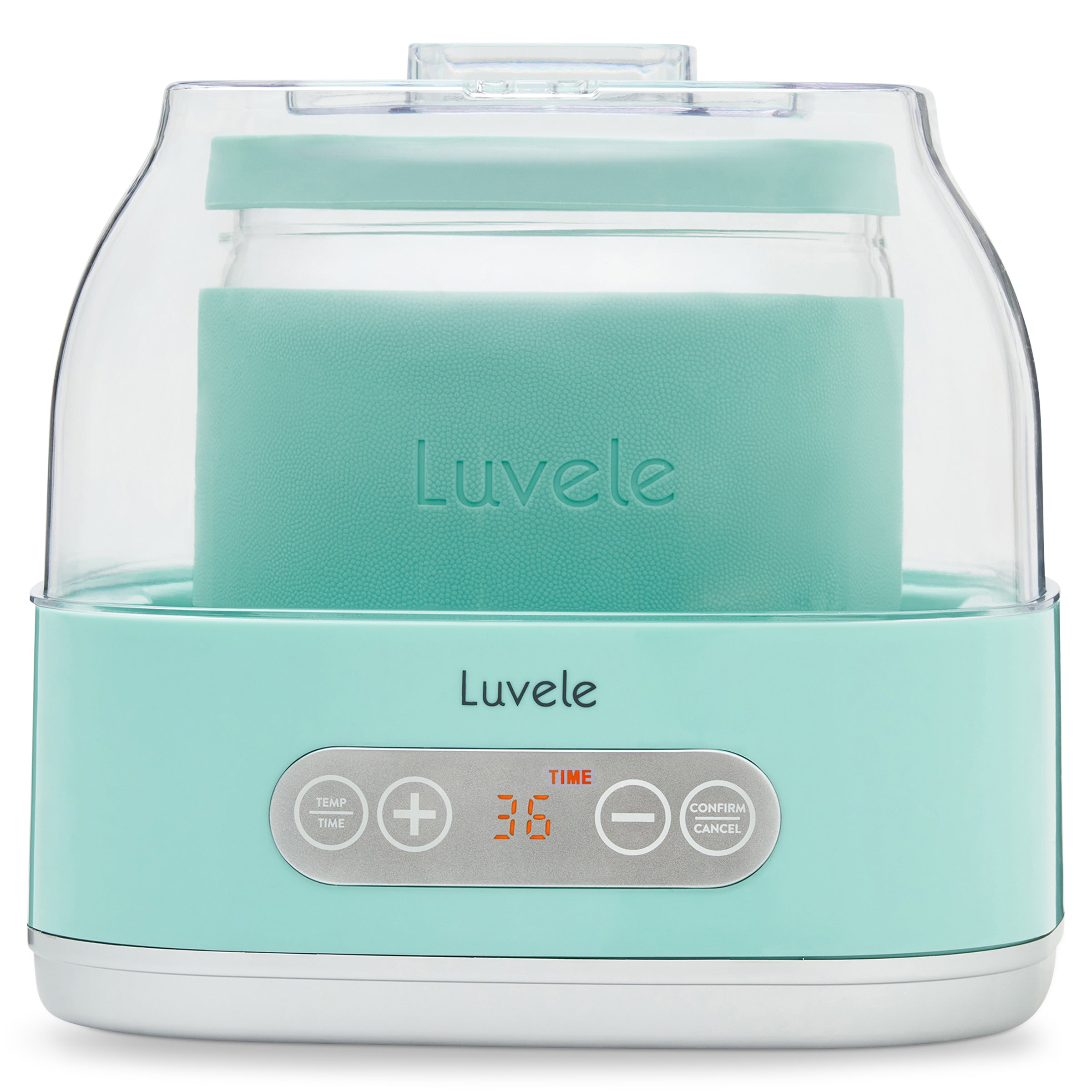
Making homemade yogurt is a rewarding experience. It gives you control over ingredients and freshness. Using a yogurt maker simplifies the process, but one question often comes up: How long can you leave yogurt in a yogurt maker? If you’re new to yogurt making, or want better results, understanding timing is crucial. Too little time and your yogurt won’t set. Too much time can affect taste, texture, and even safety.
Let’s explore the science, practical guidelines, and expert tips to help you make perfect yogurt every time.
How Yogurt Makers Work
Yogurt makers provide a steady, low heat. This helps friendly bacteria (like Lactobacillus bulgaricus and Streptococcus thermophilus) turn milk into yogurt. The heat stays between 104°F–113°F (40°C–45°C). Most machines are simple: you add milk and starter, set the timer, and wait.
Some models have preset timers, but many let you choose the incubation time. This means you need to know how long to leave yogurt inside for best results.
Why Incubation Time Matters
Incubation is the period when milk sits in the yogurt maker and cultures grow. Timing affects:
- Texture: Shorter times mean softer yogurt, longer times mean firmer yogurt.
- Taste: Longer incubation produces tangier flavor.
- Safety: If left too long, yogurt can become sour or spoil.
The bacteria work fastest during the first hours. After 8–12 hours, most transformation is done. Beyond this, changes are slower, but risks rise.

Credit: www.luvele.com
Typical Yogurt Maker Timing
Most yogurt recipes recommend 8–12 hours in the yogurt maker. This range gives a balance of set, flavor, and safety. Let’s look at some typical scenarios:
| Incubation Time | Texture | Taste | Safety |
|---|---|---|---|
| 6 hours | Soft, runny | Mild | Safe |
| 8 hours | Medium | Balanced | Safe |
| 12 hours | Firm | Tangy | Safe |
| 16+ hours | Very firm | Very sour | Risk of spoilage |
Most home yogurt makers recommend not going beyond 12 hours. Some allow up to 24 hours, but this is rarely needed and can cause problems.
Factors That Affect Timing
Several things influence how long you can leave yogurt in a yogurt maker:
Type Of Milk Used
- Whole milk: Sets faster, results in creamy yogurt.
- Low-fat or skim milk: May take longer and can be less thick.
- Plant-based milks: Often need longer incubation and extra thickener.
Starter Culture
- Fresh yogurt starter: Works quickly and reliably.
- Powdered starter: May take longer.
- Old or weak starter: Can slow incubation and risk failed yogurt.
Room Temperature
If your kitchen is cold, the yogurt maker may work harder. Very hot rooms can speed up fermentation. But since yogurt makers are insulated, these effects are minor.
Machine Model
Some yogurt makers keep heat steady, others vary. Machines with precise controls may give more consistent results.
Quantity Made
A larger batch may need more time. Small jars may finish faster.
How Long Is Too Long?
Leaving yogurt in the maker too long can cause several issues:
- Over-souring: Yogurt becomes sharply sour and bitter.
- Texture changes: It can get grainy or separate (whey on top).
- Risk of spoilage: If bacteria keep growing, unwanted microbes may develop.
Research shows most yogurt cultures finish their work after 12 hours. Anything beyond increases risk, especially if the yogurt maker is not perfectly clean.
Signs You Should Remove Yogurt
Check for these signs to know when to remove yogurt:
- Firm set: The yogurt holds shape, doesn’t slosh when tilted.
- Pleasant smell: Slightly tangy, not sharp or off.
- No separation: Little or no watery layer (whey).
- Desired taste: Test with a spoon. If it’s tangy enough for you, stop.
If the yogurt is runny or bland after 8 hours, leave it longer. But if it smells bad or separates, remove it immediately.
What Happens If You Forget Yogurt In The Maker?
It’s easy to forget yogurt overnight or get distracted. Here’s what to expect:
- If left for 14–16 hours, yogurt will be very thick and sour. It may separate.
- Beyond 18–24 hours, risk of spoilage rises, even in a closed machine.
- Mold rarely forms in that short time, but off smells or tastes can signal problems.
If this happens, check carefully. If yogurt smells and tastes normal, it’s still safe. If not, discard.
How To Prevent Over-incubation
Preventing mistakes is simple:
- Set a timer on your phone or the machine.
- Make yogurt during waking hours.
- Use recipes with clear timing.
- Clean the yogurt maker well before use.
Some modern machines have auto shut-off, but many do not. Manual vigilance is key.
What To Do If Yogurt Is Over-incubated
If your yogurt is too sour or thick, you can salvage it:
- Mix with fruit or honey to balance flavor.
- Strain it for Greek yogurt—removes excess whey.
- Use it in cooking: Sour yogurt works well in dressings or baking.
If taste is unpleasant or smells off, don’t risk it.
Comparing Yogurt Maker Models And Incubation Limits
Different yogurt makers have different features. Let’s compare popular models and their incubation recommendations:
| Brand/Model | Recommended Max Time | Auto Shut-Off | Batch Size |
|---|---|---|---|
| Euro Cuisine YM80 | 12 hours | No | 7 jars (6 oz) |
| Dash Greek Yogurt Maker | 10–12 hours | No | 2 quarts |
| Instant Pot (Yogurt Mode) | 24 hours | Yes | Up to 4 quarts |
| Cuisinart CYM-100 | 8–12 hours | Yes | 50 oz |
If your machine doesn’t have auto shut-off, set reminders. Machines with longer incubation times are ideal for thicker, tangier yogurt, but not for beginners.
Expert Tips For Perfect Yogurt Every Time
Here are some practical tips few beginners know:
- Use fresh starter: Old yogurt loses potency. Fresh starter gives better set.
- Preheat milk: Heating milk to 180°F (82°C) then cooling to 110°F (43°C) before adding starter prevents thin yogurt.
- Don’t disturb during incubation: Moving jars can cause separation.
- Strain after incubation: If yogurt is too runny, strain through cheesecloth for thicker results.
- Clean equipment well: Any leftover residue can affect fermentation.
- Add sugar or flavor after incubation: Adding before can disturb cultures.
Many people don’t realize that the type of milk and the freshness of starter are often more important than incubation time for consistent results.
You may also like: Best Yogurt Maker for Greek Yogurt
The Science Behind Yogurt Setting
Yogurt forms when milk proteins and bacteria interact under heat. The bacteria consume lactose, produce lactic acid, and change the milk’s structure. This process is fastest in the first 6–8 hours. After that, most transformation is done. Remaining time only deepens flavor or thickens texture.
If you want Greek-style yogurt, strain after incubation to remove whey. For softer yogurt, shorter incubation (6–8 hours) is better.
Credit: www.luvele.com
Common Mistakes To Avoid
Beginners often make these mistakes:
- Using cold milk (slows fermentation).
- Adding starter when milk is too hot (kills bacteria).
- Leaving yogurt maker on for too long (risk of spoilage).
- Not cleaning equipment (leads to odd flavors).
- Trying to rush fermentation (results in poor texture).
One insight many miss: Yogurt continues to ferment slightly in the fridge for the first 24 hours. If you want mild yogurt, remove from maker promptly and chill.
Storing Yogurt After Removal
Once yogurt is set and removed from the maker:
- Refrigerate immediately.
- Store in airtight jars.
- Use within 7–10 days.
Cold slows fermentation and prevents spoilage. Homemade yogurt may separate after a few days. Simply stir before eating.
Health And Food Safety
Homemade yogurt is safe if made correctly. But if left too long, or if equipment is dirty, risk rises. Always check for:
- Odd smells or colors.
- Separation beyond normal.
- Mold (rare, but discard if seen).
The US Food Safety guidelines recommend keeping yogurt at or below 40°F (4°C) once set. If unsure, err on the side of caution.
Frequently Asked Questions
How Long Can You Leave Yogurt In A Yogurt Maker?
Most recipes advise 8–12 hours for best results. Some machines allow up to 24 hours, but this is rarely needed. Over 12 hours, yogurt becomes more sour and risks spoilage.
Is It Safe To Leave Yogurt Overnight In The Yogurt Maker?
Yes, it’s safe if you keep to 8–12 hours. Leaving it overnight is common. Longer than 12 hours can make yogurt too sour or risk spoilage, especially if the maker isn’t clean.
What Happens If I Leave Yogurt For 24 Hours?
It will become very thick and tangy. Some machines allow it, but taste may be unpleasant. Risk of spoilage rises. Always check smell and texture before eating.
Can I Use Plant-based Milks In Yogurt Makers?
Yes, but plant milks (like soy, almond, coconut) often need longer incubation (12–18 hours) and extra thickener. Results may vary. Use recipes for your specific milk.
How Do I Know If Yogurt Has Spoiled In The Maker?
Spoiled yogurt smells off, tastes bitter or sharp, and may separate or show mold. If in doubt, discard. Always use clean equipment and fresh starter.
Homemade yogurt is a simple, healthy treat. The key to success is watching your incubation time and using the right starter and milk. Most yogurt makers work best with 8–12 hours incubation. If you want thicker or tangier yogurt, go longer—but not too long. Always check for signs of spoilage. With these tips, you can enjoy safe, tasty yogurt at home every time.
For more detailed food safety guidelines, visit FDA Food Safety – Yogurt.