Ants in the kitchen are more than just a nuisance—they can spread germs, spoil food, and make cooking unpleasant. If you’ve found these tiny invaders marching across your counters or hiding in your pantry, you’re not alone. Kitchens are warm, full of crumbs, and always have water nearby, making them a favorite spot for ants.
Luckily, you can get rid of ants in your kitchen with smart strategies, patience, and a bit of know-how. This guide will show you step-by-step how to remove ants and stop them from coming back. You’ll also learn practical tips, common mistakes, and some surprising facts that most beginners miss.
Why Ants Love Your Kitchen
Ants follow food. Your kitchen has plenty—crumbs on the floor, spills on the counter, and sometimes even open food packages. They also need water, which they find near sinks and pipes. Certain ant species, like odorous house ants and Argentine ants, are especially attracted to kitchens in the US. According to the National Pest Management Association, ants are the top pest reported in homes, with kitchens being the most common target.
A single ant can leave a scent trail, called a pheromone trail, which other ants follow. This is why you often see long lines of ants—they’re all following the same path. If you only kill the ants you see, more will come unless you remove what attracts them.
Identifying The Ants In Your Kitchen
Before you start, it’s helpful to know which type of ants you’re dealing with. Different ants behave differently, and some methods work better for certain species.
| Ant Species | Common Appearance | Preferred Food |
|---|---|---|
| Odorous House Ants | Small, brown-black, smells like rotten coconut | Sugars, honey, baked goods |
| Argentine Ants | Small, dark brown, fast-moving | Sugars, oils, proteins |
| Carpenter Ants | Large, black or reddish | Sugars, wood (for nesting) |
| Pharaoh Ants | Tiny, yellow-brown | Sugars, meats, grease |
If you’re unsure, take a close photo and compare it with images from a reliable site like PestWorld.

Credit: www.planetorange.com
Steps To Get Rid Of Ants In Your Kitchen
1. Remove Food And Water Sources
Start by making your kitchen less attractive to ants. Clean up spills quickly and wipe surfaces after meals. Sweep floors daily and vacuum around baseboards. Store food in sealed containers, not just closed boxes. Even a tiny crumb can attract ants.
Don’t forget about pet food. Ants love it, so keep bowls clean and store food in airtight bins.
2. Seal Entry Points
Ants enter through tiny cracks, gaps, or holes. Check windows, doors, and where pipes come into the kitchen. Use caulk or weather stripping to seal these spots. If you see ants coming from a specific corner, follow their trail to find the entry.
It’s easy to miss small gaps, especially under cabinets or behind appliances. Take time to check these hidden places. Sealing even tiny holes can make a big difference.
3. Clean Ant Trails
Ants leave invisible scent trails for others to follow. To break this cycle, clean surfaces where you see ants with white vinegar or soap and water. Avoid just wiping with plain water, as it won’t remove the scent.
Vinegar is especially useful because it removes pheromones and acts as a mild repellent. After cleaning, dry the area well.
4. Set Effective Ant Baits
Killing ants you see won’t solve the problem. You need to target the nest. Ant baits work by attracting ants, who carry poison back to their colony.
Choose the right bait for your ant species. For sugar-loving ants, use sweet baits. For grease-loving ants, use protein-based baits.
| Bait Type | Best For | Active Ingredient |
|---|---|---|
| Sweet Gel Bait | Odorous House, Argentine | Borax, Hydramethylnon |
| Protein Bait | Pharaoh, Grease Ants | Hydramethylnon, Fipronil |
| Granular Bait | Carpenter Ants | Abamectin |
Place baits near ant trails but not directly on them. Don’t spray or kill ants near the bait—they need to carry it back to the colony. Change baits every few days if you don’t see results.
5. Use Natural Repellents
If you prefer non-chemical options, several natural repellents can help. Peppermint oil, cinnamon, and lemon juice are known for their ant-repelling properties.
- Dab peppermint oil on cotton balls and place them near entry points.
- Sprinkle cinnamon powder along ant trails.
- Wipe surfaces with lemon juice.
Natural repellents work best as a support—not as the main solution. Some ants ignore them, so combine with other methods.
6. Fix Moisture Problems
Ants need water. Leaky faucets, pipes, or spills can attract them. Check under sinks for leaks and fix them. Dry areas where water collects, like behind the refrigerator or dishwasher.
A surprising fact: Many kitchens have hidden moisture problems. Even condensation can attract ants. Use a dehumidifier if your kitchen stays damp.
7. Deep Clean Hidden Areas
Ants often hide in places you rarely clean—behind appliances, under sinks, or inside cabinets. Move appliances and clean underneath. Vacuum cracks in the floor. Remove old shelf liners and wipe inside cupboards.
Regular deep cleaning stops ants from finding new hiding spots. It also removes food bits that attract them.
8. Monitor And Repeat
Ant removal takes time. Don’t expect results overnight. Check bait stations every few days and refill as needed. If you see fewer ants, you’re making progress. If ants return, repeat cleaning and baiting.
Some ant colonies are large and require multiple treatments. Keep monitoring for at least two weeks after you see the last ant.
Common Mistakes To Avoid
- Using only sprays: Sprays kill visible ants but don’t reach the colony.
- Ignoring entry points: If you don’t seal gaps, ants keep coming back.
- Removing bait too early: Give ants time to carry bait back.
- Not cleaning properly: Missing crumbs or spills invites ants again.
- Mixing repellents and baits: Repellents can drive ants away from bait, making it less effective.
- Overusing harsh chemicals: Strong pesticides can harm pets and children. Use them only if necessary.
When To Call A Professional
If you’ve tried everything and ants keep coming back, it may be time for expert help. Pest control services have stronger treatments and can identify hidden nests. Professional help is especially important if you see carpenter ants, which can damage wood.
For severe infestations, experts may use special gels, dusts, or sprays that are not available in stores. They can also check for structural problems that attract ants.
How To Prevent Ants In The Future
Stopping ants for good means making your kitchen less inviting. Here are practical prevention steps:
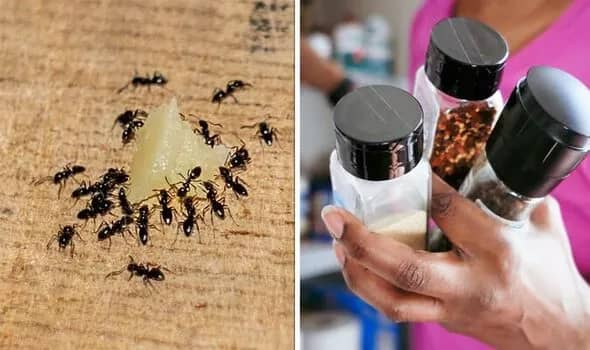
- Store all food in airtight containers.
- Clean up crumbs and spills right away.
- Take out the trash regularly and use bins with tight lids.
- Keep pet food bowls clean and dry.
- Fix leaks as soon as you notice them.
- Seal cracks, gaps, and holes around windows and doors.
- Check groceries or packages for ants before bringing them inside.
It’s easy to forget these steps when life gets busy. Set reminders or make cleaning part of your routine.
Year-round Ant Prevention
Ants are active in warm weather, but some species invade kitchens year-round. Winter ant problems often mean the nest is inside your home. Keep prevention steps active all year—not just in summer.
Credit: kitchencabinetkings.com
Surprising Insights Most People Miss
- Colonies can split: If you use sprays or kill only visible ants, some colonies “bud” and form new nests. This makes the problem worse.
- Some ant species ignore common baits: Pharaoh ants, for example, may avoid certain toxins. Switching bait types can help.
- Ants remember locations: Even after cleaning, ants may return to the same spot if the entry isn’t sealed.
- Baits are slow, but effective: It can take 1–2 weeks for bait to eliminate a colony. Patience is key.
- DIY traps rarely solve big infestations: Homemade traps can help, but commercial baits are usually stronger and more reliable.
Comparing Diy Vs Professional Solutions
If you’re unsure whether to handle ants yourself or call a pro, here’s a quick comparison:
| Method | Effectiveness | Cost | Safety |
|---|---|---|---|
| DIY Cleaning & Bait | High (if consistent) | Low ($10–$50) | Safe if used correctly |
| Natural Repellents | Moderate | Low ($5–$20) | Very safe |
| Professional Pest Control | Very high | Higher ($150–$400) | Safe if licensed |
DIY solutions work for most kitchens, but professional help is best for large or recurring infestations.
:max_bytes(150000):strip_icc()/TheSpruce_Howtogetridofandpreventodoroushouseants_colorv1-d55f1b3ffb8f44e1a34ba6d0a07bd4a0.png)
Credit: www.thespruce.com
Frequently Asked Questions
What Is The Fastest Way To Get Rid Of Ants In The Kitchen?
Using ant bait stations is usually the fastest method. Ants carry poison back to their colony, destroying the nest. Combine this with cleaning and sealing entry points for best results.
Are Ant Sprays Safe To Use Around Food?
Most ant sprays are not safe near food. Always read the label and keep sprays away from cooking areas. If you must use a spray, clean surfaces thoroughly after treatment.
Why Do Ants Keep Coming Back Even After Cleaning?
Ants return if entry points aren’t sealed or if there are hidden food sources. Sometimes, the nest is inside the walls, making it harder to remove. Keep cleaning and baiting, and seal all gaps.
Can I Use Homemade Remedies To Get Rid Of Ants?
Homemade remedies like vinegar, lemon juice, or peppermint oil can help but usually only for small infestations. For bigger problems, commercial baits are more effective.
How Can I Prevent Ants From Entering My Kitchen In The Future?
Store food in airtight containers, clean regularly, seal entry points, and fix leaks. Check for ants in groceries or packages before bringing them inside.
Getting rid of ants in the kitchen is possible with careful cleaning, smart baiting, and sealing up entry points. Remember that patience and consistency are key. If you keep seeing ants after trying these steps, don’t hesitate to seek help from a licensed pest control professional.
Your kitchen can be ant-free—and stay that way—with a bit of attention and the right strategies.