Skip to content
Many people fear kitchen fires. They happen quickly, often when you least expect it. Maybe hot oil splashes, a towel catches fire, or a stove flame gets out of control. Knowing how to react is critical. You do not need fancy tools to stop most small kitchen fires.
In fact, you likely have a simple item in your kitchen right now that can help. This article explores which common kitchen item can be used to extinguish fire, how to use it safely, and what mistakes to avoid. You will learn practical steps, real examples, and expert advice.
By the end, you will be ready to protect yourself, your family, and your home.
Why Kitchen Fires Start So Easily
Cooking is the main cause of home fires. According to the National Fire Protection Association (NFPA), about 49% of house fires begin in the kitchen. Most happen when food is left unattended or when oil overheats. Grease fires are especially dangerous because water makes them worse. Flammable items like towels, paper, or plastic near heat add to the risk. Even careful cooks can face sudden flames.
The Common Kitchen Item That Can Stop Fire
The best everyday kitchen item to put out a small fire is a baking soda. This simple powder works for many types of fires, especially grease and electrical fires. Why? Baking soda releases carbon dioxide (CO₂) when heated, smothering flames and stopping oxygen from feeding the fire.
Other items—like salt, damp towels, or even pot lids—can help in some situations. But baking soda stands out for its versatility, safety, and effectiveness.
How Baking Soda Works
When you pour baking soda on a fire, the heat triggers a reaction. The powder breaks down, releasing CO₂ gas. This gas pushes away oxygen, which flames need to burn. The result: the fire slows, then goes out.
| Fire Extinguishing Item | Works On Grease Fires? | Safe for Electrical Fires? | Risks |
|---|---|---|---|
| Baking Soda | Yes | Yes | Low |
| Salt | Yes | No | Low |
| Flour | No | No | High (can explode) |
| Water | No | No | High (spreads fire) |
| Pot Lid | Yes | Yes | Low (if metal or glass) |
Notice that flour and water can make a fire worse. Never use them for grease or electrical fires.
Step-by-step: Using Baking Soda To Extinguish Fire
You must act quickly but safely. Here’s what to do if a small fire starts in your kitchen:
- Stay calm. Panic leads to mistakes.
- Turn off heat. Switch off the stove or oven if possible.
- Grab baking soda. Keep at least one box near your cooking area.
- Pour baking soda directly on the flames. Use a handful or more, enough to cover the fire.
- Wait and watch. The fire should die down. If not, repeat until flames are out.
- Do not touch hot surfaces. Let things cool before cleaning up.
Real-life Example
Imagine you are frying chicken, and oil splashes onto the burner. Flames appear. Water is nearby, but you remember that it makes grease fires worse. Instead, you grab your box of baking soda and pour a handful onto the fire.
The flames quickly shrink and disappear. You avoided a disaster.
When To Use Other Kitchen Items
Baking soda is excellent, but you may not always have enough. Here are other items you can use:
Salt
Salt works by absorbing heat and cutting off oxygen. It is best for small grease fires. Pour a thick layer onto the flames. Do not use salt for electrical fires.
Pot Lid
A metal or glass lid can smother flames. Place it over the pan, trapping the fire. Leave it on until the fire goes out and the pan cools. Never use plastic lids—they can melt and burn.
Damp Towel
A damp (not wet) towel can help with small fires. Wet the towel, wring it out, and place it over the flames. This method works best for fires in pots or pans. Be careful—do not use too much water, and keep your hands safe from heat.
Why Water Is Dangerous
Water and grease do not mix. Pouring water on a grease fire causes hot oil to splatter and spread, making the fire worse. Water also conducts electricity, so never use it for electrical fires.
Common Mistakes To Avoid
Many people make errors during a kitchen fire. Here are mistakes to watch out for:
- Using flour to put out a fire. Flour is flammable and can explode.
- Pouring water on a grease or electrical fire. This spreads flames or causes shocks.
- Using baking powder instead of baking soda. Baking powder contains extra chemicals and does not work the same.
- Trying to move a burning pan. Carrying the fire can spread it and cause injury.
| Mistake | Result | Safe Alternative |
|---|---|---|
| Water on grease fire | Fire grows, oil splashes | Baking soda |
| Flour on fire | Explosion risk | Baking soda or salt |
| Plastic lid | Lid melts, spreads fire | Metal or glass lid |
| Baking powder | Does not extinguish fire | Baking soda |
How To Prepare Your Kitchen For Fire Safety
You can prevent disaster with a few simple steps:
- Keep a large box of baking soda near the stove.
- Store salt in easy reach.
- Use metal or glass lids for cooking.
- Have a fire extinguisher (class K for kitchens) as backup.
- Place a damp towel near the sink, ready to use.
- Know how to turn off gas or electric stoves quickly.
Extra Fire Safety Tips
- Never leave cooking unattended.
- Keep flammable items away from heat.
- Teach everyone in your home what to do if a fire starts.
- Clean grease from pans and burners often.
- Make sure smoke detectors work.
These steps reduce risk and make you ready to act.
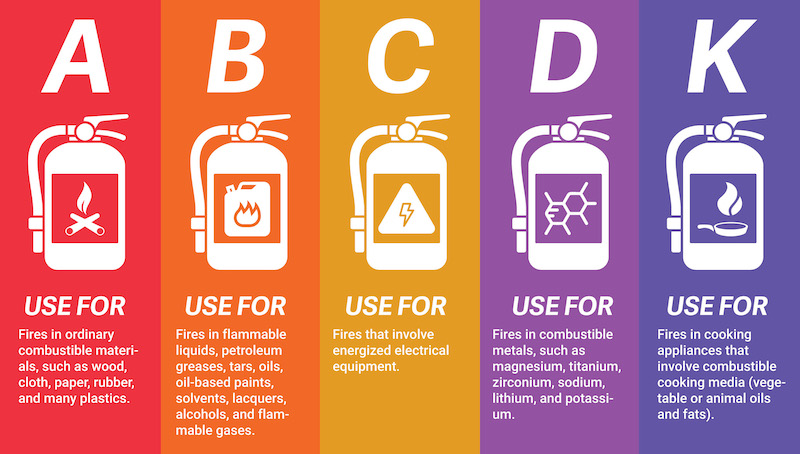
Credit: www.creativesafetysupply.com
What If The Fire Is Too Big?
Sometimes, a fire spreads fast. If flames grow larger than the pot or pan, do not try to fight it with kitchen items. Leave the room, close the door, and call 911 or emergency services. Safety comes first.
Data: Fire Size And Response
| Fire Size | Recommended Action | Success Rate |
|---|---|---|
| Small (pan-sized) | Baking soda, salt, lid | High (over 90%) |
| Medium (spills outside pan) | Damp towel, extinguisher | Moderate (60–70%) |
| Large (spreads to counters) | Evacuate, call emergency | Low (below 30%) |
Baking Soda Vs. Fire Extinguishers: Which Is Better?
Baking soda is great for small fires. Fire extinguishers work for bigger fires or when you need extra power. Most homes should have both.
Baking soda:
- Easy to use
- No mess for small fires
- Safe for food areas
Fire extinguisher:
- Covers larger fires
- Works on many fire types
- Can be messy and needs training
For best safety, use baking soda for small fires and a fire extinguisher for larger ones. Replace baking soda regularly—it can absorb moisture and lose effectiveness.
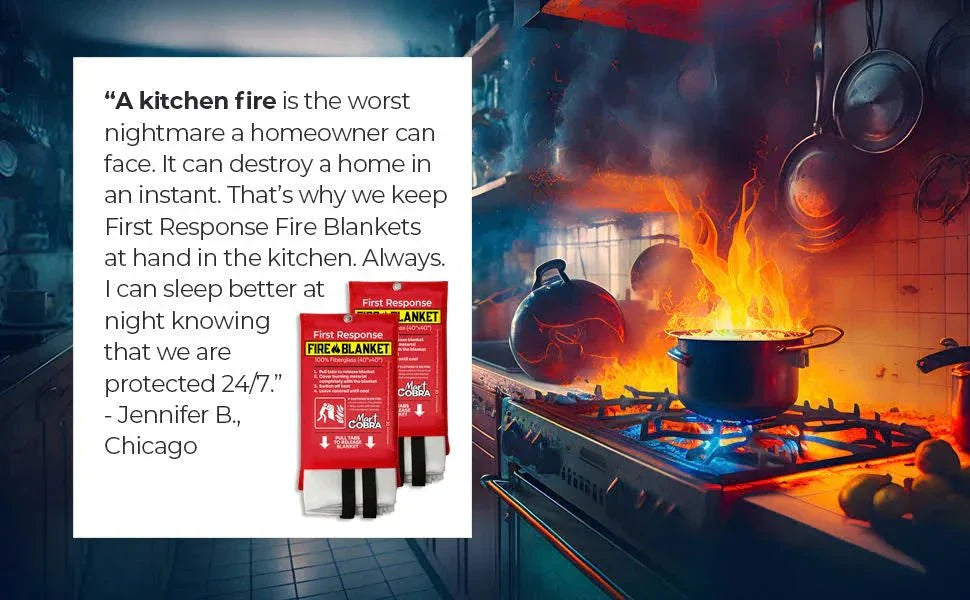
Credit: martcobra.com
What About Other Kitchen Powders?
You may wonder if other powders work. Here’s what you need to know:
- Baking powder: Not effective for fires.
- Flour: Dangerous, can explode in air.
- Sugar: Flammable, spreads fire.
- Cornstarch: Also flammable.
Only baking soda and salt are safe choices.
Real Statistics: Kitchen Fire Outcomes
According to the NFPA, homes with quick access to fire-suppressing items (like baking soda or lids) have 50% fewer injuries from kitchen fires. Most injuries happen when people panic or use the wrong item.
Data shows that grease fires cause over 23,000 home fires each year in the US. Quick response using the right item stops most fires before they spread.
Extra Insight: Why Baking Soda Is Not Always Enough
Beginners often think one handful of baking soda is enough. In reality, you may need to use a lot—up to a cup or more for bigger flames. Also, baking soda does not cool hot oil, so the fire can restart if the oil stays hot.
Always let pans cool before cleaning.
Another hidden tip: Baking soda can leave a powdery mess. Clean up carefully after the fire is out, but only once everything is cool.
Trusted Source For Kitchen Fire Safety
If you want more details on fire safety, check out this helpful guide from the National Fire Protection Association. It offers expert advice and real data.
Frequently Asked Questions
What Kitchen Item Should I Never Use To Put Out A Fire?
Never use water or flour. Water spreads grease fires and can shock you in electrical fires. Flour can explode when thrown on flames.
Can I Use Baking Powder Instead Of Baking Soda?
No. Baking powder contains other chemicals and does not smother fires. Always use baking soda.
How Much Baking Soda Do I Need For A Fire?
Use enough to cover the flames. For a small pan fire, start with half a cup. If the fire is bigger, use more. Keep extra boxes nearby.
What Do I Do If I Cannot Put Out The Fire?
If the fire keeps growing or spreads outside the pan, leave the kitchen right away. Close the door, call 911, and let professionals handle it.
Is It Safe To Use A Damp Towel On A Fire?
Yes, for small fires in pans. The towel must be damp, not soaking wet. Too much water can make grease fires worse. Always protect your hands from heat.
Final Thoughts
Kitchen fires are scary, but you can be ready. The most reliable item to use is baking soda—it works fast, is safe, and is likely already in your kitchen. Salt and pot lids also help. Never use water or flour. Keep baking soda close to your stove, teach your family what to do, and always stay calm. With the right knowledge, you can prevent small fires from becoming disasters. Take action today—prepare your kitchen, and cook with confidence.