Roasting garlic brings out a sweeter, softer flavor that transforms everyday dishes. Most people think you need an oven, but you can easily roast garlic in a pan. This method is fast, convenient, and perfect for kitchens without an oven.
Whether you want to add depth to pasta, spread it on toast, or mix it into sauces, pan-roasted garlic is a simple kitchen skill with big rewards.
Pan roasting also lets you control the texture and flavor better than oven roasting. You can achieve a light golden color or a deep caramelized taste. In this guide, you’ll learn everything you need to master roasting garlic in a pan—from choosing the right garlic to troubleshooting common mistakes. You’ll also discover unique tips and comparisons that beginners often miss.
Why Roast Garlic In A Pan?
Roasting garlic in a pan is faster and more accessible than oven roasting. It’s ideal for small batches or when you need roasted garlic quickly. The process takes about 15–20 minutes, compared to the 40–50 minutes needed in an oven.
Many home cooks don’t realize that pan roasting can deliver similar results. You can get creamy, mellow garlic with less equipment and time. This method also works well when you only need a few cloves, not a whole bulb.
Let’s look at the main benefits:
- Speed – Ready in less than 20 minutes.
- Flexibility – Roast as many or as few cloves as you need.
- Flavor Control – Adjust browning and softness to your taste.
- No Oven Needed – Perfect for small kitchens or hot weather.
Choosing The Right Garlic
Not all garlic is the same. The type and freshness of garlic can affect the taste and texture of your roasted cloves.
Fresh Vs Old Garlic
Fresh garlic is firm, heavy, and has tight skin. Older garlic may be softer or sprouting. Fresh cloves roast evenly and taste sweeter. Old cloves can turn bitter and cook unevenly.
Garlic Varieties
There are many types of garlic, but the most common in US stores is softneck garlic. It’s easy to peel and has a mild flavor. Hardneck garlic is often larger and has a stronger taste. Both work for pan roasting, but softneck is easier to handle.
Picking The Best Bulbs
Look for bulbs with:
- No soft spots
- No green sprouts
- Dry, tight skin
- Heavy feel for their size
Avoid bulbs that smell musty or are shriveled.
Tools And Ingredients
You don’t need fancy equipment. Here’s what you need:
- Garlic bulbs or cloves (as many as you want to roast)
- Olive oil (or another mild oil)
- Pan (nonstick, stainless steel, or cast iron)
- Lid (optional, helps soften garlic faster)
- Knife (for slicing or peeling)
- Spatula or tongs
Optional extras:
- Salt
- Pepper
- Herbs (rosemary, thyme)
- Butter (for richer flavor)
Preparing Garlic For Roasting
How you prepare garlic changes the final result. You can roast whole bulbs, separate cloves, or slice them. Each method has pros and cons.
Roasting Whole Bulbs
- Slice off the top to expose the cloves.
- Place cut side down in the pan.
- This gives a softer, spreadable garlic.
Roasting Individual Cloves
- Separate cloves from the bulb.
- Peel or leave skins on.
- Roasted cloves cook faster and brown more.
Slicing Garlic
- Slice cloves thinly for crispy, caramelized garlic.
- Best for adding to salads or garnishing dishes.
Step-by-step: Roasting Garlic In A Pan
Here’s the most common method, using peeled cloves. Adjust the steps for whole bulbs or sliced cloves.
- Peel the garlic – Remove skins from the cloves.
- Heat the pan – Medium-low heat is best. Add 1–2 tablespoons of olive oil.
- Add garlic – Place cloves in the pan. Don’t overcrowd.
- Cover the pan (optional) – Use a lid to trap steam. This softens the garlic.
- Cook slowly – Stir often. Cloves should turn golden, not burn. Total time: 15–20 minutes.
- Check doneness – Cloves are ready when soft and lightly browned.
- Remove and cool – Place garlic on a plate to cool before using.
Example: Roasting 6 Cloves
- Prep time: 2 minutes
- Cook time: 15–18 minutes
- Serving: Enough for 2–4 people
- Oil needed: 1 tablespoon
Comparison: Pan Roasting Vs Oven Roasting
Some cooks wonder if pan roasting matches oven roasting. Here’s a quick comparison.
| Method | Time | Flavor | Texture | Equipment Needed |
|---|---|---|---|---|
| Pan Roasting | 15–20 min | Mild, slightly smoky | Soft or crispy | Pan, stove |
| Oven Roasting | 40–50 min | Sweet, mellow | Very soft | Baking dish, oven |
Pan roasting is faster and gives a slightly different flavor—more toasted and less sweet. Oven roasting is softer, but both methods work well for most recipes.
Tips For Perfect Pan-roasted Garlic
Beginners often overlook these tips:
1. Low Heat Is Key
Garlic burns easily. Keep the heat on medium-low. If the oil smokes, turn down the heat.
2. Stir Often
Garlic cooks unevenly if left alone. Stir every few minutes for even browning.
3. Use A Lid For Soft Garlic
Covering the pan helps steam and soften cloves. If you want crispy garlic, skip the lid.
4. Let Garlic Cool Before Using
Hot garlic is softer and easy to mash. Cooling firms it up and intensifies flavor.
5. Don’t Overcrowd The Pan
Too many cloves at once makes them steam instead of roast. Use a single layer.
6. Add Herbs For Extra Flavor
Toss in rosemary or thyme during roasting for a subtle fragrance.
7. Try Butter For Richness
Add a teaspoon of butter in the last few minutes for a creamy finish.
Common Mistakes And How To Avoid Them
Roasting garlic sounds easy, but there are pitfalls:
- Burning the Garlic
This happens if the heat is too high or you walk away. Burnt garlic tastes bitter. Keep a close eye and stir often.
- Using Old Garlic
Old, sprouting garlic can be harsh and turn bitter. Start with fresh bulbs.
- Skipping the Oil
Oil prevents sticking and browning. Dry roasting leads to uneven texture.
- Overcrowding
Steams garlic instead of roasting. Use a bigger pan or roast in batches.
- Not Peeling Properly
Leftover skins burn and stick to the pan. Peel cloves carefully.
How To Use Pan-roasted Garlic
Pan-roasted garlic is versatile. Here are some ways to use it:
- Spread on toast for a quick snack.
- Mix into mashed potatoes for extra flavor.
- Add to pasta sauces for depth.
- Blend into dips like hummus or aioli.
- Toss with roasted vegetables for sweetness.
- Top pizzas or flatbreads for a gourmet touch.
Example: Garlic Butter Spread
Mash roasted garlic with butter, salt, and pepper. Spread on bread or steaks. This simple mix turns plain food into something special.
Storing Pan-roasted Garlic
Roasted garlic keeps well if stored properly. Here’s how:
- Short-term: Cool and refrigerate in a sealed container for up to 5 days.
- Long-term: Mash and mix with oil, then freeze in portions. Use within 3 months.
Never leave roasted garlic at room temperature for more than 2 hours. The moisture and oil can encourage bacteria.
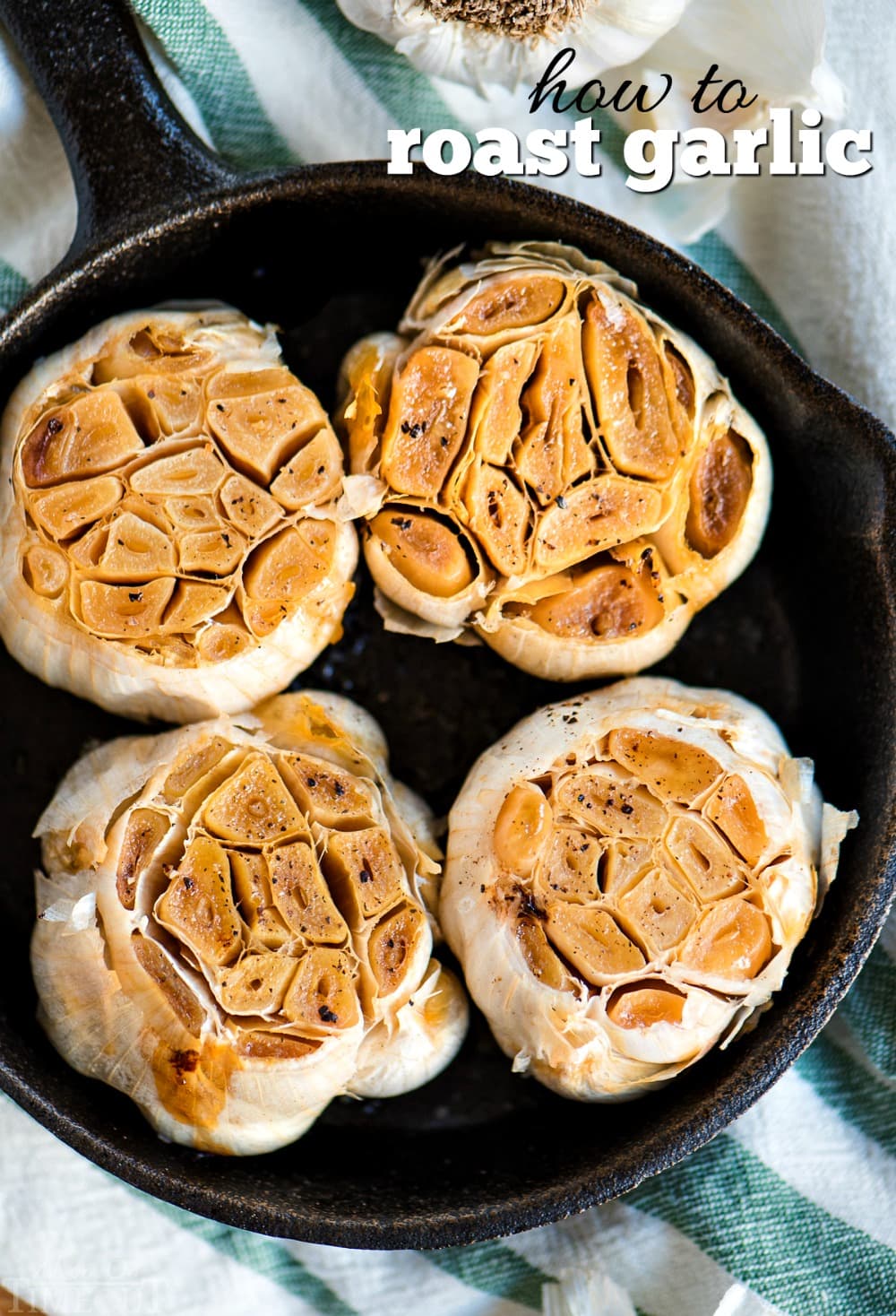
Credit: www.momontimeout.com
Nutritional Benefits Of Roasted Garlic
Garlic is famous for health benefits. Roasting reduces some raw garlic’s strong compounds but keeps most nutrients.
| Compound | Raw Garlic | Roasted Garlic | Health Benefit |
|---|---|---|---|
| Allicin | High | Medium | Antibacterial |
| Vitamin C | Medium | Low | Immune support |
| Antioxidants | High | High | Cell protection |
Roasted garlic is easier to digest and less harsh on the stomach. It’s a smart way to add flavor and nutrition.
Advanced Pan-roasting Techniques
Experienced cooks sometimes try advanced methods for different flavors and textures.
Confiting Garlic
This means cooking garlic slowly in oil at low heat for 30–40 minutes. The cloves become soft, creamy, and rich. You can store confited garlic in oil in the fridge for several weeks.
Smoky Pan Roasting
Add a pinch of smoked paprika or use a cast iron pan for a deeper, smoky flavor. This works well in barbecue dishes.
Combining Garlic With Other Ingredients
Roast garlic with chopped onions, peppers, or mushrooms for a flavorful mix. The vegetables caramelize together, creating a tasty topping for burgers or sandwiches.
:max_bytes(150000):strip_icc()/how-to-roast-garlic-in-pan-ar-2000-7bec42d9517e4cab9db93619a5bba52d.jpg)
Credit: www.allrecipes.com
Comparing Oils For Pan Roasting
Different oils can change the taste and browning. Here’s a quick guide:
| Oil Type | Flavor | Smoke Point | Best Use |
|---|---|---|---|
| Olive Oil | Fruity, mild | 375°F | Classic, all-purpose |
| Avocado Oil | Neutral | 520°F | High-heat roasting |
| Butter | Rich, creamy | 350°F | Finishing touches |
| Canola Oil | Neutral | 400°F | Budget option |
For most recipes, olive oil is a good choice, but if you want crispier garlic or are cooking at higher temperatures, try avocado oil.
Practical Example: Pan-roasted Garlic For Pasta
Let’s walk through a real kitchen use:
- Roast 8 peeled garlic cloves in 2 tablespoons olive oil, stirring often.
- When golden and soft, mash cloves into the oil.
- Toss with cooked spaghetti, salt, pepper, and fresh parsley.
- Finish with grated Parmesan.
This dish serves 2–3 people and takes under 25 minutes total. The garlic gives the pasta a deep, mellow flavor without overpowering.
:max_bytes(150000):strip_icc()/__opt__aboutcom__coeus__resources__content_migration__serious_eats__seriouseats.com__2020__10__20201007-roast-garlic-sasha-marx-3-5b6f86b9ef844b74b77f14f8f59021ac.jpg)
Credit: www.seriouseats.com
Non-obvious Insights For Beginners
Two points most beginners miss:
- Roasted garlic changes color quickly after the first few minutes. Don’t wait for all cloves to brown at once—remove the browned ones early to prevent burning.
- Adding a splash of water halfway can help soften garlic without over-browning. This tip is useful if your pan gets too hot or if cloves are browning before they’re soft.
Frequently Asked Questions
How Do I Know When Garlic Is Roasted Enough?
Garlic is ready when it’s soft, golden, and smells sweet. Press a clove with a spoon—if it gives easily, it’s done. If it’s still firm, cook for a few more minutes.
Can I Roast Garlic Without Oil?
You can, but oil helps prevent sticking and burning. Without oil, garlic may scorch or cook unevenly. If you want less fat, use a small amount or try water-steaming.
Is Pan-roasted Garlic As Healthy As Raw Garlic?
Roasting reduces some compounds like allicin, but roasted garlic still has antioxidants and nutrients. It’s easier to digest and offers a milder flavor, making it more versatile in cooking.
Can I Use Roasted Garlic For Garlic Bread?
Yes! Mash roasted garlic and mix with butter, salt, and herbs. Spread on bread and toast for a rich, mellow taste. It’s a favorite in many kitchens.
What Is The Best Pan For Roasting Garlic?
A nonstick pan is easiest for beginners. Cast iron gives a smokier flavor, but stainless steel can work too. Just avoid pans with thin bottoms—they burn garlic quickly.
Roasting garlic in a pan is a skill worth learning. It saves time, adds flavor, and fits any kitchen setup. With the right technique, you can turn simple garlic into a gourmet ingredient. For more cooking tips and garlic facts, visit Wikipedia. Enjoy your pan-roasted garlic in all your favorite dishes.