Roasting almonds in a pan is a simple way to turn plain nuts into a delicious, crunchy snack or to add flavor to your favorite recipes. Many people think you need an oven for this, but the stovetop method is quick, easy, and ideal if you want to make a small batch.
This technique also lets you control the taste and texture of your almonds. Whether you like your almonds lightly toasted or dark and extra-crispy, pan roasting helps you get them just right.
In this article, you’ll learn everything you need to know about how to roast almonds in a pan. We’ll cover essential equipment, step-by-step instructions, flavor variations, and common mistakes to avoid. You’ll also see practical tips for getting the best results, plus answers to popular questions about roasted almonds. By the end, you’ll feel confident roasting almonds on your stovetop—even if you’re a total beginner.
Why Roast Almonds In A Pan?
Roasting almonds in a pan offers several unique advantages. First, it’s fast. You don’t have to wait for the oven to heat up, and the cooking process usually takes less than 10 minutes. This is perfect for busy people or anyone who wants a quick snack.
Second, pan roasting gives you more control. You can adjust the heat easily, stir the nuts often, and watch them closely, so it’s less likely you’ll burn them. Third, you can prepare small batches, which is great if you only need a handful for a salad, dessert, or breakfast.
This method also saves energy and keeps your kitchen cooler—especially important during hot weather. Finally, pan-roasted almonds develop a unique flavor and texture. The direct contact with the hot pan creates a deeper, nuttier taste and a satisfying crunch.
What You Need: Tools And Ingredients
Before you start, gather a few simple things:
- Raw almonds (whole, slivered, or sliced)
- A heavy-bottomed skillet or frying pan
- A heat-proof spatula or wooden spoon
- Optional: A lid (for even roasting)
- Optional seasonings: Salt, spices, oil, honey, or sugar
A heavy pan works best because it spreads heat evenly and reduces the risk of burning. Non-stick or stainless steel pans are both good choices. If you want to season your almonds, have your seasonings ready before you begin—roasting goes quickly!
Almond Types: Which To Choose?
You can roast any type of almond, but the most common are:
- Whole raw almonds: Most popular for snacking.
- Slivered almonds: Great for salads and baking.
- Sliced almonds: Toast quickly, perfect for toppings.
Avoid using roasted or salted almonds for this process; they’re already cooked and may burn.
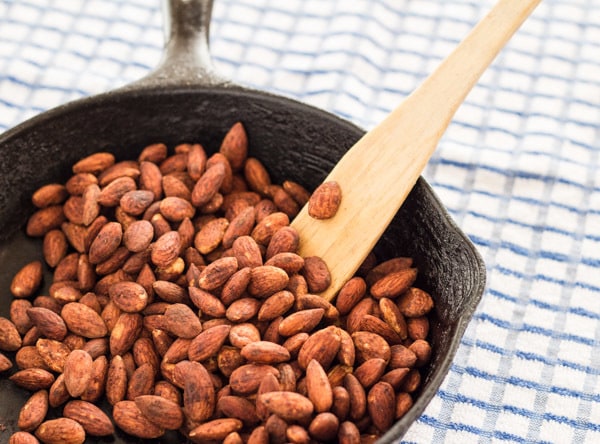
:max_bytes(150000):strip_icc()/Simply-Recipes-How-to-Toast-Almonds-LEAD-4-1d1dfc372dc845979aeed371298a4097.jpg)
Credit: www.simplyrecipes.com
Step-by-step Guide: How To Roast Almonds In A Pan
Roasting almonds on the stovetop is simple, but a few key steps make a big difference. Here’s how to do it:
1. Measure Your Almonds
For best results, roast a single layer of almonds at a time. This is usually about 1 cup (150 grams) for a medium-sized pan. Overcrowding makes them cook unevenly.
2. Preheat Your Pan
Place your pan on the stove over medium heat. Let it heat for about 1 minute before adding the nuts. The pan should feel warm but not smoking.
3. Add The Almonds
Pour the almonds into the dry pan. Spread them out so they form a single, even layer. If you want to use a small amount of oil (about 1 teaspoon for 1 cup of almonds), add it now and stir to coat the nuts.
4. Stir Frequently
Use a wooden spoon or spatula to stir the almonds every 20–30 seconds. This helps them cook evenly and prevents burning. The more often you stir, the better.
5. Watch And Smell
After 3–4 minutes, you’ll notice a nutty aroma and the almonds will start to brown. Keep a close eye—almonds can go from perfect to burnt in less than a minute.
6. Test For Doneness
After 5–7 minutes (sometimes a bit longer for whole almonds), look for:
- Even golden brown color
- Toasty aroma
- Slight crackling sounds
To check, cut an almond in half. The inside should look slightly darker than when raw, and the nut should feel crisp.
7. Remove From Heat And Cool
Once the almonds are roasted to your liking, immediately transfer them to a cool plate or baking sheet. Do not leave them in the hot pan—they will keep cooking and may burn.
Allow the almonds to cool for 5–10 minutes. They will become crunchier as they cool.
Roasting Time Comparison
Here’s a table comparing roasting times for different almond types:
| Almond Type | Approx. Roasting Time (Pan) | Approx. Roasting Time (Oven) |
|---|---|---|
| Whole almonds | 7–9 minutes | 12–15 minutes at 350°F (175°C) |
| Slivered almonds | 4–6 minutes | 8–10 minutes at 350°F (175°C) |
| Sliced almonds | 3–5 minutes | 6–8 minutes at 350°F (175°C) |
Flavor Variations And Seasonings
Roasted almonds are tasty as-is, but you can add even more flavor. Here are some popular ways to season your nuts:
Savory Options
- Salted almonds: Add a pinch of salt during the last minute of roasting.
- Spiced almonds: Toss almonds with paprika, cumin, garlic powder, or chili powder before roasting.
- Herbed almonds: Mix with dried rosemary or thyme for a Mediterranean twist.
Sweet Options
- Honey-roasted: After roasting, toss hot almonds with a little honey and a pinch of salt.
- Cinnamon sugar: Mix warm almonds with cinnamon and sugar.
- Vanilla almonds: Stir in a drop of vanilla extract and a sprinkle of sugar after roasting.
How To Add Seasonings
For dry seasonings (like salt or spices), sprinkle them over the almonds in the last minute of roasting so they stick better. For wet seasonings (like honey), mix them in a bowl with the hot almonds right after you remove them from the pan.
Nutritional Benefits Of Roasted Almonds
Almonds are a powerhouse of nutrition. Here’s a quick look at the key nutrients in a 1-ounce (28g) serving of roasted almonds:
| Nutrient | Amount per 1 oz (28g) | % Daily Value |
|---|---|---|
| Calories | 164 | 8% |
| Protein | 6g | 12% |
| Healthy fats | 14g | 22% |
| Fiber | 3.5g | 14% |
| Vitamin E | 7.3mg | 49% |
| Magnesium | 76mg | 19% |
Almonds are also rich in antioxidants and help support heart health, lower cholesterol, and provide steady energy. Roasting does not destroy these nutrients, but if you add sugar or oil, the calorie count will increase.
Practical Tips For Perfect Pan-roasted Almonds
Many people make small mistakes when pan roasting almonds. Use these tips to get the best results every time:
- Preheat the pan before adding almonds for even cooking.
- Never walk away while roasting—almonds burn easily.
- Stir often to avoid hot spots and uneven browning.
- Roast in small batches for better control.
- Cool quickly by spreading almonds out after roasting.
- Store in an airtight container to keep them fresh and crunchy for up to 2 weeks.
Two Insights Beginners Miss
- Residual heat matters: Almonds will continue to cook a little even after you remove them from the pan. Always take them off just before they look “perfect.”
- Moisture affects crunch: If you rinse almonds before roasting, dry them very well. Even a little moisture can stop them from crisping up.
How Pan Roasting Compares To Oven Roasting
You might wonder how pan roasting stacks up against the oven. Here’s a side-by-side comparison to help you choose:
| Method | Pros | Cons |
|---|---|---|
| Pan roasting | Fast Great for small batches Uses less energy More control | Easy to burn Harder for large batches |
| Oven roasting | Even browning Good for large batches Hands-off | Takes longer Uses more energy Less control |
For most home cooks, pan roasting is ideal for up to 2 cups of almonds at a time. If you need to prepare more, the oven might be better.
Credit: www.lettyskitchen.com
Creative Ways To Use Roasted Almonds
Pan-roasted almonds aren’t just for snacking. Here are a few ways to enjoy them:
- Sprinkle on oatmeal or yogurt for extra crunch.
- Add to salads for a boost of protein and flavor.
- Mix into granola or homemade trail mix.
- Chop and use as a topping for baked goods like muffins or brownies.
- Blend into almond butter for a rich, roasted taste.
- Toss with roasted vegetables or pasta for a nutty finish.
You can also give roasted almonds as a homemade gift. Pack them in a jar with a ribbon for a thoughtful, healthy treat.
Storing Roasted Almonds
To keep your roasted almonds fresh:
- Let them cool completely.
- Store in an airtight container (glass jar, zip bag, or plastic container).
- Keep them in a cool, dry place—avoid moisture.
- For longer storage (over 2 weeks), refrigerate or freeze them.
Properly stored, your roasted almonds will stay crunchy and flavorful for up to 2 weeks at room temperature and several months in the freezer.

Credit: www.youtube.com
Frequently Asked Questions
How Do I Know When Almonds Are Done Roasting?
Almonds are ready when they turn golden brown and you smell a strong, nutty aroma. You might also hear a crackling sound. For extra certainty, cut one open—the inside should look tan, not pale white. Always remove from heat before they look fully done, as they keep cooking from residual heat.
Can I Roast Salted Or Flavored Almonds In A Pan?
It’s best to start with raw, unsalted almonds. Pre-roasted or salted almonds can burn or taste bitter if roasted again. If you want flavor, add seasonings near the end of roasting or just after you remove them from the pan.
Is Oil Necessary For Pan Roasting Almonds?
No, oil is optional. Dry-roasting brings out the natural flavor of almonds. If you prefer a richer taste or want seasonings to stick, you can use a small amount of neutral oil (like canola or sunflower). Too much oil can make the almonds greasy.
Why Do My Almonds Taste Bitter After Roasting?
This usually means they are over-roasted or burnt. Almonds cook quickly, so watch them closely and stir often. Remove from heat as soon as they reach your preferred color—even 30 seconds too long can cause bitterness.
Are Pan-roasted Almonds As Healthy As Raw Almonds?
Yes. Pan-roasted almonds keep most of their nutrients. Roasting may reduce vitamin E slightly but makes the nuts easier to digest. If you avoid adding extra oil or sugar, roasted almonds are a healthy snack. For more on almond health benefits, see this Wikipedia article.
Roasting almonds in a pan is a quick, easy way to create a delicious, nutritious snack or ingredient. With just a few tools and your favorite seasonings, you’ll have fresh, flavorful almonds in minutes. Try different flavors, use them in recipes, and enjoy the satisfaction of homemade roasted nuts—any time you want.