Can a ceramic slow cooker pot go in the oven? Yes, but only if it’s marked oven-safe. That’s the short version.
The longer version involves checking the bottom of your insert, understanding what it’s made of, and handling it gently. Skip that check and a cracked crock can ruin your meal.
Most slow cooker inserts are stoneware, a dense type of ceramic built for steady, low heat. Manufacturer specifications indicate that many inserts are rated for oven use up to 400°F. As of 2026, that rating is still embossed directly on the bottom of most new inserts.
The key is knowing what your specific pot can handle, so let’s walk through it.
Quick Answer: Yes, But Only If It’s Marked Oven-Safe
Yes, a ceramic slow cooker pot can go in the oven. Only if it’s labeled oven-safe. Check the bottom for a temperature rating.
Most inserts top out around 400°F. Never put a cold pot in a hot oven.
The Real Difference Between Ceramic and Stoneware Slow Cooker Inserts
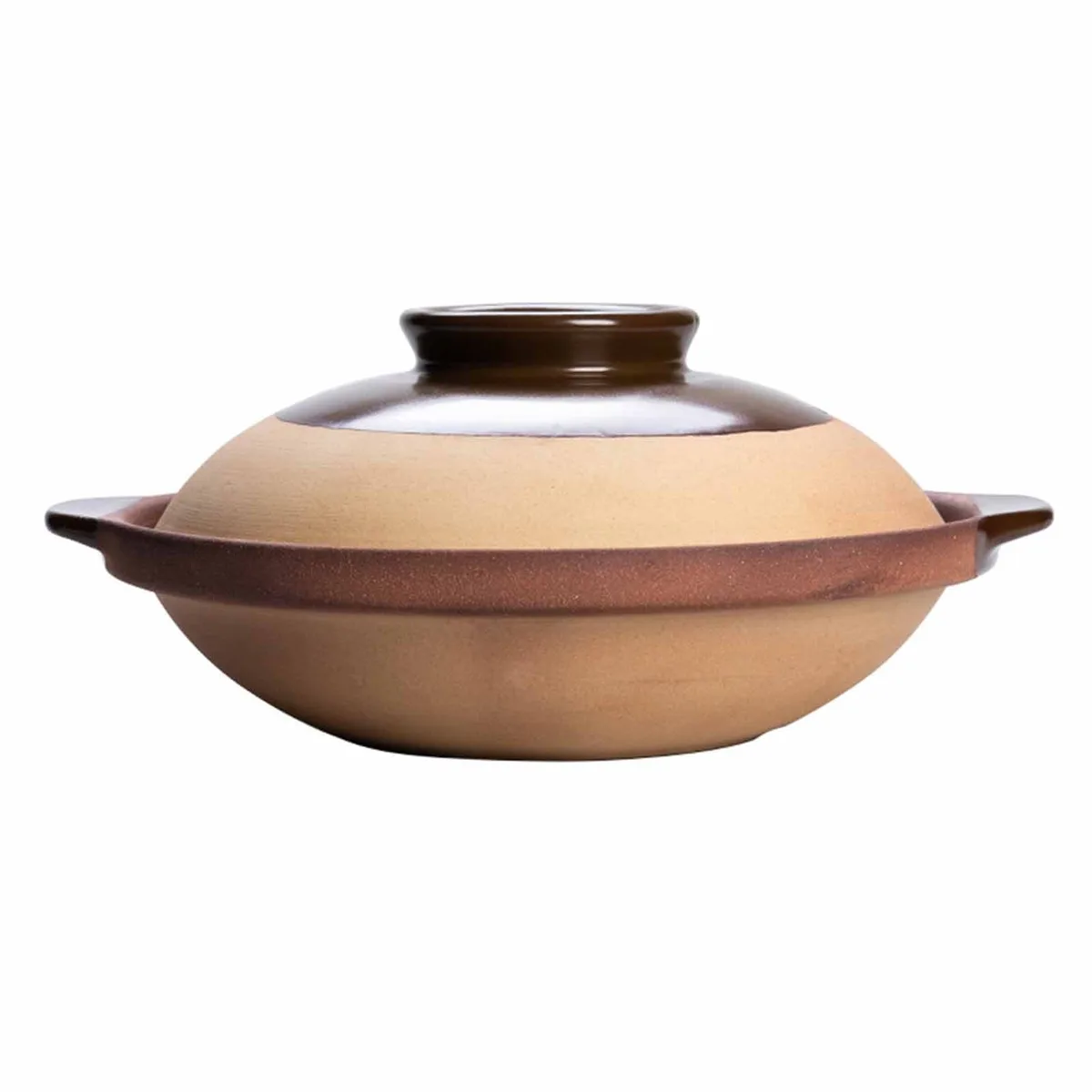
Here’s where most people get tripped up. In everyday kitchen talk, people call slow cooker pots ceramic. The actual material is usually stoneware, and stoneware is a specific subset of ceramic.
Stoneware starts as clay and gets fired at a high temperature, typically above 2000°F. That firing makes it denser and less porous than earthenware. It also gives it that smooth, glazed surface you see on slow cooker inserts.
The glaze seals the surface, which keeps it food-safe and easy to clean.
True ceramic is a broader category. It covers everything from thin porcelain plates to rustic terra-cotta. Some ceramics are oven-safe, and some are not.
So the label “ceramic” alone doesn’t tell you much.
| Material | What it is | Typical oven rating |
|---|---|---|
| Stoneware | Dense clay fired at high heat | Often 350°F-400°F if marked |
| Porcelain | Refined clay with a glassy coating | Depends on the maker |
| Earthenware | Porous clay fired at lower heat | Usually not oven-safe |
What matters is how the pot was fired and what the manufacturer tested it for. A stoneware insert that comes with a slow cooker is not automatically oven-proof just because it survived hours simmering on low. The heating element in your slow cooker never gets as hot as an oven, especially at 400°F.
How to Check If Your Pot Is Oven-Safe Before You Risk It
Before you even think about preheating, turn the insert over. The answer is usually right there, literally stamped into the bottom.
Where to look
Look for raised or embossed text, not just a printed sticker. Stickers can wash off. Embossed text is part of the ceramic, so it’s there for life.
The marking will usually say one of these things:
- Oven-safe
- Oven-proof
- A temperature like 350°F or 400°F
- Do not put in oven
If you see no marking at all, your next stop is the manual. No manual? Search for the model number.
Crock-Pot’s official site, for example, publishes care instructions for current and past slow cooker models. That’s a good way to confirm what your specific insert can handle.
What if you still can’t find a rating?
Here’s the honest answer: if you can’t confirm it, don’t risk it. A cracked stoneware insert is not just a ruined dish. It can shatter while you’re pulling it from the oven, sending hot food and sharp shards everywhere.
Also, inspect the pot before each use. Crazed glaze, hairline cracks, or chips mean the insert should be retired from oven duty. Even if it’s marked oven-safe, structural damage weakens the piece.
Why Thermal Shock Is the Biggest Danger (and How to Avoid a Cracked Crock)
Thermal shock is the number one killer of slow cooker inserts. It happens when one part of the pot expands faster than another. Stoneware doesn’t flex.
When the temperature difference is too extreme, the material gives out and cracks.
What triggers thermal shock
- Moving an insert straight from the fridge into a preheated oven
- Placing a hot, empty insert on a wet or ice-cold counter
- Adding cold liquid to a hot insert
- Rinsing a hot insert with cold tap water
Even an oven-safe pot can break from thermal shock. In our research, most cracked-crock complaints trace back to these sudden swings, not to normal oven heat.
The temperature rule of thumb
Manufacturer guidance typically suggests keeping the temperature swing under 150°F. That’s why a pot straight from the refrigerator is a bad idea. Give it 20 to 30 minutes on the counter before it goes anywhere near the oven.
That simple step alone prevents most cracks.
Also, don’t preheat the oven with the insert inside. A cold pot heating slowly with the oven might sound safe, but the bottom element runs hot while the oven is still warming up. That can create a hotter surface than your insert’s rating.
Safe Step-by-Step: Using Your Slow Cooker Pot in the Oven the Right Way
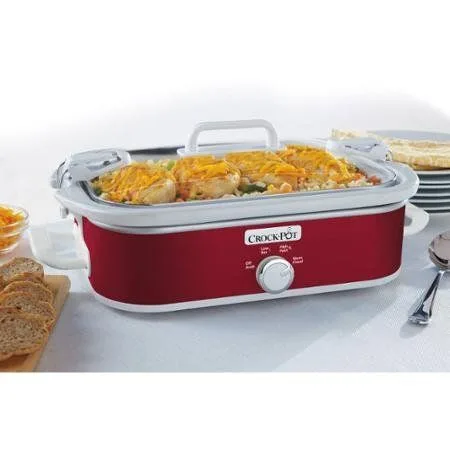
Okay, you’ve checked the stamp, you’ve inspected the pot, and you’ve confirmed it can handle oven heat. Here’s how to do it safely, in the right order.
Step-by-step
- Bring it to room temperature. If your insert has been in the fridge, let it sit out for 20 to 30 minutes first.
- Preheat fully. Wait until the oven reaches the target temperature before putting the pot in. Don’t shortcut this.
- Use a baking sheet. Place the insert on a sturdy rimmed baking sheet. It catches drips and makes it easier to lift the pot in and out. It also keeps the insert away from direct element heat.
- Set it on the middle rack. The middle rack gives the most even air circulation. Stay away from the top position, especially if the broiler is involved.
- Stay at or below the rating. If your insert says 400°F, use 400°F or lower. Never push it higher. And never, ever use the broiler setting.
- Use dry oven mitts. The insert, the lid, and the baking sheet will all be extremely hot. Dry mitts give better grip than damp ones.
- Rest it on a dry surface. When it comes out, set the pot on a dry trivet or folded towel. A cold, wet counter can crack it instantly.
- Cool before washing. Let the insert cool completely before it touches water. Cold water on a hot pot is thermal shock in its purest form.
What about the lid?
Glass slow cooker lids are usually oven-safe up to around 425°F, but that’s not a guarantee. Some lids have plastic rims or knobs that melt. Check the lid’s stamp separately from the insert.
If there’s no marking, treat the lid as not oven-safe and cover the pot with foil if needed.
What Are the Temperature Limits? A Realistic Look at Common Ratings
Most stoneware inserts come from the factory with a specific heat ceiling. The typical rating lands between 350°F and 400°F. Some premium models stretch to 450°F, but that’s the exception, not the rule.
The temperature rating only applies to the insert. It does not apply to the lid, the handles, or anything else. Check each piece separately.
The base, the part with the heating element and cord, should never go near the oven.
| Component | Typical oven rating | Notes |
|---|---|---|
| Stoneware insert | 350°F-400°F | Check embossed marking on bottom |
| Glass lid | 350°F-425°F | Plastic rims or knobs change the answer |
| Plastic lid | Not oven-safe | A few models have fully plastic lids |
| Base / heating unit | Never oven-safe | Electrical components will melt |
One more thing to keep in mind: the oven rating is a maximum, not a recommendation. Even if your insert is rated at 400°F, baking at 325°F gives you more margin for error. The closer you get to the limit, the more careful you need to be with the rest of the process.
Mistakes That Will Crack Your Crock (or Worse)
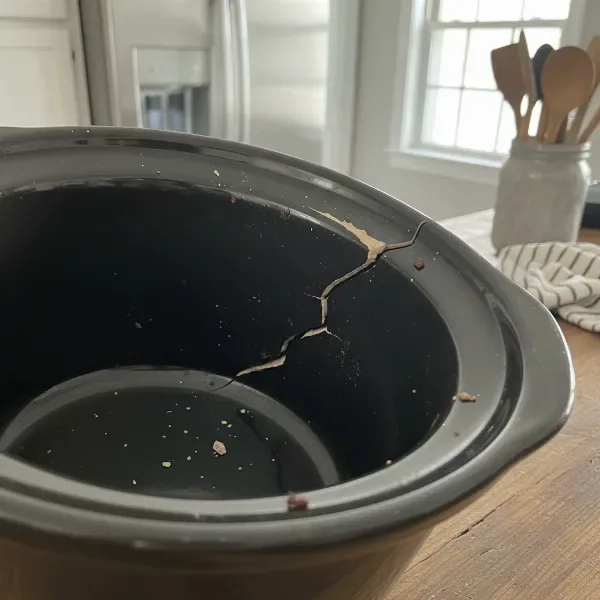
Most cracked inserts aren’t from normal use. They happen because of one sudden, dramatic temperature change. Thermal shock doesn’t care that your pot is technically oven-safe.
The biggest offenders
- Moving from fridge to oven. A cold insert expands fast in a hot oven. The surface cracks before the heat reaches the center.
- Broiler use. Save the broiler for metal pans. The intense radiant heat overloads stoneware quickly.
- Cold rinse right after baking. Hot stoneware contracts when hit with cold water. That shock is enough to split it in half.
- Empty pot on high heat. Stoneware needs food or liquid to absorb and spread heat evenly. Empty, it forms hot spots.
- Setting a hot pot on a cold counter. In the oven it’s safe. On a wet marble countertop, the base cools too fast.
What to do instead
If you’ve made any of these mistakes, pull the insert out and inspect it. Look for hairline cracks, crazed glaze, or chips. Even a tiny crack means the pot is structurally compromised.
The right move is retiring it from both oven and slow cooker duty.
When to Skip It: Better Alternatives Like Dutch Ovens and Cast Iron
Sometimes the smartest move is using a different pot altogether. If your insert has no marking, shows damage, or you simply can’t verify its rating, don’t gamble. Swap in something that’s built for oven heat.
The Dutch oven
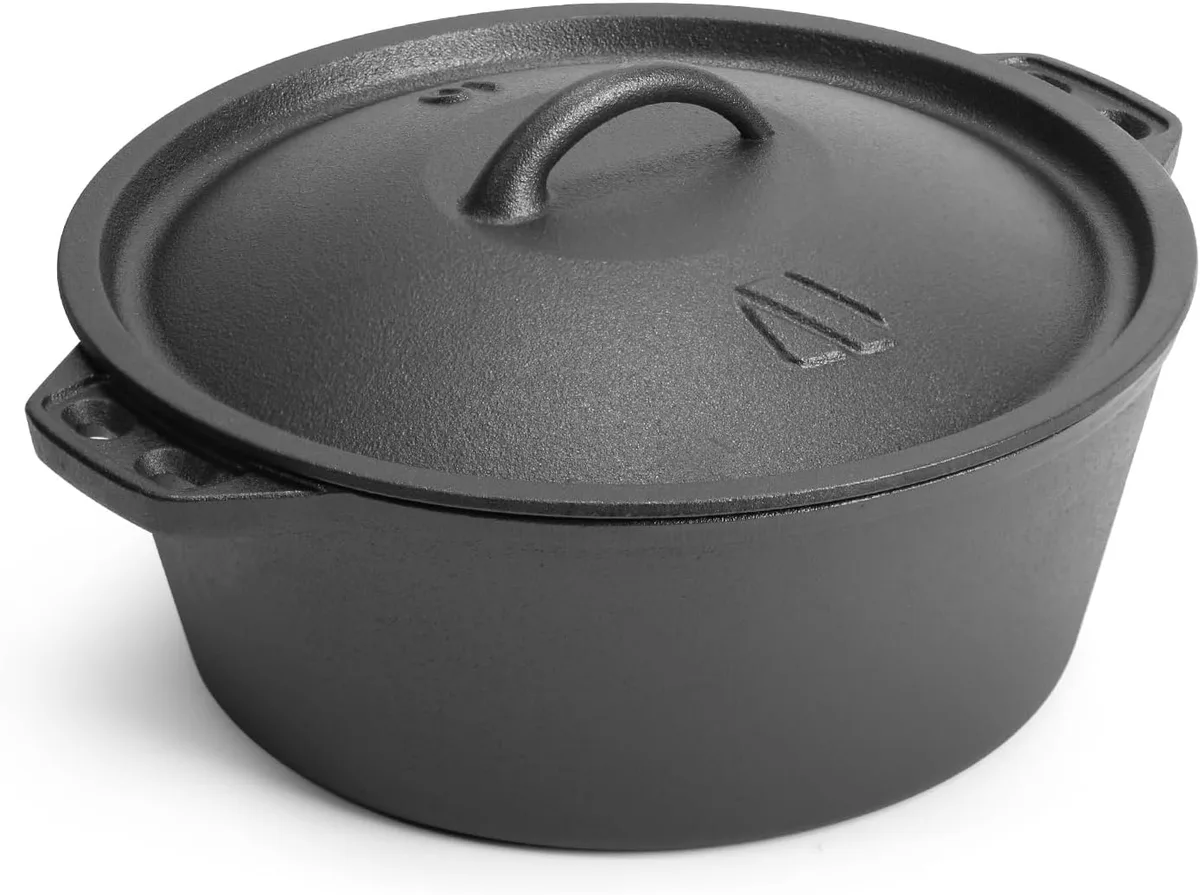
An enameled or plain cast iron Dutch oven is the closest replacement. It holds heat beautifully, goes from stovetop to oven, and handles temperatures well above 450°F. That makes it perfect for browning meat, slow-cooking in the oven, and finishing a casserole with a crispy top.
Brands like Lodge sell them at very reasonable prices, and they last decades with proper care. Aggregate reviews consistently rank them as the best all-in-one substitute.
Other solid options
- Cast iron skillet. Ideal for searing and baking, though it’s shallow.
- Ceramic baking dish. Great for casseroles, but it won’t fit as much volume.
- Enameled cast iron roaster. Lightweight compared to raw cast iron, and very oven-friendly.
Who should skip the slow cooker pot in the oven?
You should skip it if you have a budget slow cooker. In our research, cheaper inserts often lack oven-safe markings. You should also skip it if you like cooking hot and fast.
The slow cooker insert’s real strength is gentle, moist heat.
After the Oven: Cooling, Cleaning, and Inspecting for Hidden Cracks
Once your dish is done, the risk isn’t over. How you cool and clean the insert matters just as much as how you heated it.
Cooling
Set the hot insert on a dry trivet, cutting board, or folded kitchen towel. Give it plenty of space. Let it cool gradually at room temperature.
Do not put it in the sink, even if you’re in a hurry. Trust us, waiting 30 minutes beats scrubbing shattered stoneware off the floor.
Cleaning
Wash the insert with warm, soapy water and a soft sponge. Avoid cold water, steel wool, and harsh abrasive cleaners. They scratch the glaze, and scratches become weak spots.
Per the FDA’s food-contact ceramic guidance, hand washing is the safer route. The dishwasher’s heat and forceful spray can be too aggressive for the glaze.
Inspecting
After washing, dry the insert and look it over. Check the interior and exterior for new cracks or crazing. Crazing looks like a fine spiderweb of lines in the glaze.
It can harbor bacteria and weakens the pot. If you see it, stop using the insert for baking.
Common Questions, Answered Honestly
Can the slow cooker lid go in the oven?
Only if it has its own oven-safe marking. Glass lids often handle up to 425°F, but that changes if the lid has a plastic rim, rubber gasket, or plastic knob. When in doubt, use heavy-duty foil as a cover.
What happens if my insert has no markings?
Treat it as not oven-safe. An unbranded or unmarked insert gives you no data to trust. Using it in the oven is a roll of the dice, and the house rarely wins.
Can I put the slow cooker base in the oven?
Never. The base contains electrical wiring, a heating coil, and plastic components. Oven heat will melt them, and you risk an electrical fire.
Why did my oven-safe pot crack?
Thermal shock. One part of the stoneware expanded or contracted faster than the rest. Even a pot rated for 400°F can crack if you put it in cold or rinse it hot.
Is stoneware the same as ceramic?
Yes, stoneware is a dense, glazed type of ceramic. But not all ceramic is stoneware. The word “ceramic” alone doesn’t tell you the heat tolerance.
The stamp and the manufacturer’s rating do.
Down-to-Earth Final Verdict
Here’s the whole thing in one plain summary. A ceramic slow cooker pot can go in the oven, but only when it’s specifically labeled oven-safe. Check the bottom stamp.
Confirm the temperature rating. Respect thermal shock. That’s the entire playbook.
Use the if/then test
- If the insert says “oven-safe” or shows a 350°F-400°F rating, you’re good to bake, provided you follow the safe steps we covered.
- If the insert shows no marking or you can’t find the model’s spec sheet, treat it as not oven-safe.
- If the insert has any chips, cracks, or crazed glaze, retire it from the oven permanently.
- If you’re braising or searing at high heat, skip the slow cooker pot and grab a Dutch oven instead.
Our honest recommendation
For most people, the slow cooker insert works fine in the oven at moderate temperatures for tasks like browning meat, baking a casserole, or finishing a stew. It’s sturdy, holds a lot of food, and cleans up easily. Just don’t treat it like a cast iron pan.
The sweet spot is using it for what stoneware does best: even, moist, low- to medium-heat cooking. Keep it under 375°F when you can, and you’ll rarely have problems.
The one rule to memorize
Never shock the stoneware. Let it come to room temperature before heating. Let it cool down before washing. That single habit prevents almost every cracked crock we’ve seen in user reports.
Should you buy a dedicated oven-safe pot?
If you regularly cook one-pot meals, it’s worth owning a piece that excels in the oven. A cast iron Dutch oven gives you more flexibility, higher heat tolerance, and decades of reliability. It costs more upfront, but it replaces several pans in your kitchen.
If you only want to pop your slow cooker insert in the oven occasionally, you don’t need to buy anything else. Stick to the rating, take your time, and you’ll be fine.
Final thought
The answer to the original question isn’t asimple yes or no. It’s a “yes, but” answer, and the “but” carries all the weight.
You can absolutely use a ceramic slow cooker pot in the oven. Do it when it’s marked oven-safe, stay within the temperature rating, and never shock the stoneware. Skip those checks and you’re gambling with a cracked pot and a ruined dinner.
For most home cooks, that’s a fair trade. The insert you already own can handle moderate oven heat, as long as you treat it with a little respect. When in doubt, the Dutch oven is always there waiting.
Now go check that stamp on the bottom of your insert. That’s the only answer that really matters for your specific pot.