You love a good espresso, but nothing ruins your morning like a burnt, bitter shot. If your espresso tastes harsh or charred, you’re not alone—and the fix might be simpler than you think.
Understanding why your espresso burns and how to adjust your grind, tamp, and extraction can transform your coffee experience. Keep reading to discover easy, practical tips that will help you avoid burnt espresso and enjoy a smooth, rich cup every time.
Causes Of Burnt Espresso
Burnt espresso often ruins a good coffee moment. Understanding what causes this unpleasant taste helps prevent it. Several factors affect the flavor and quality of your espresso shot. Knowing these causes lets you adjust your method and enjoy a smooth, rich coffee experience.
Over Extraction Effects
Over extraction happens when water pulls too many compounds from the coffee grounds. This makes the espresso taste bitter and burnt. It occurs if the water stays too long in contact with the coffee. Over extraction extracts unwanted bitter flavors along with the good ones. Shortening the extraction time can stop this problem.
Grind Size Impact
The grind size controls how fast water flows through the coffee. Too fine a grind slows water down and causes over extraction. Too coarse a grind lets water rush through, causing under extraction. A grind that is too fine often leads to burnt or bitter espresso. Adjusting the grind size helps balance the flavor and avoid burnt taste.
Water Temperature Issues
Water that is too hot extracts harsh flavors and burns the coffee. Ideal water temperature for espresso is between 195°F and 205°F (90°C to 96°C). Higher temperatures cause burnt or bitter notes. Cooler water may create sour or weak espresso. Keeping the right temperature ensures a clean and pleasant shot.
Bean Roast Levels
Dark roast beans have a stronger, sometimes burnt flavor already. Using very dark roasts can make the espresso taste burnt even with proper brewing. Lighter roasts produce brighter and sweeter flavors. Choosing the right roast level affects the final taste. Avoid very dark beans if you want to reduce burnt flavors.

Credit: www.reddit.com
Adjusting Grind And Dose
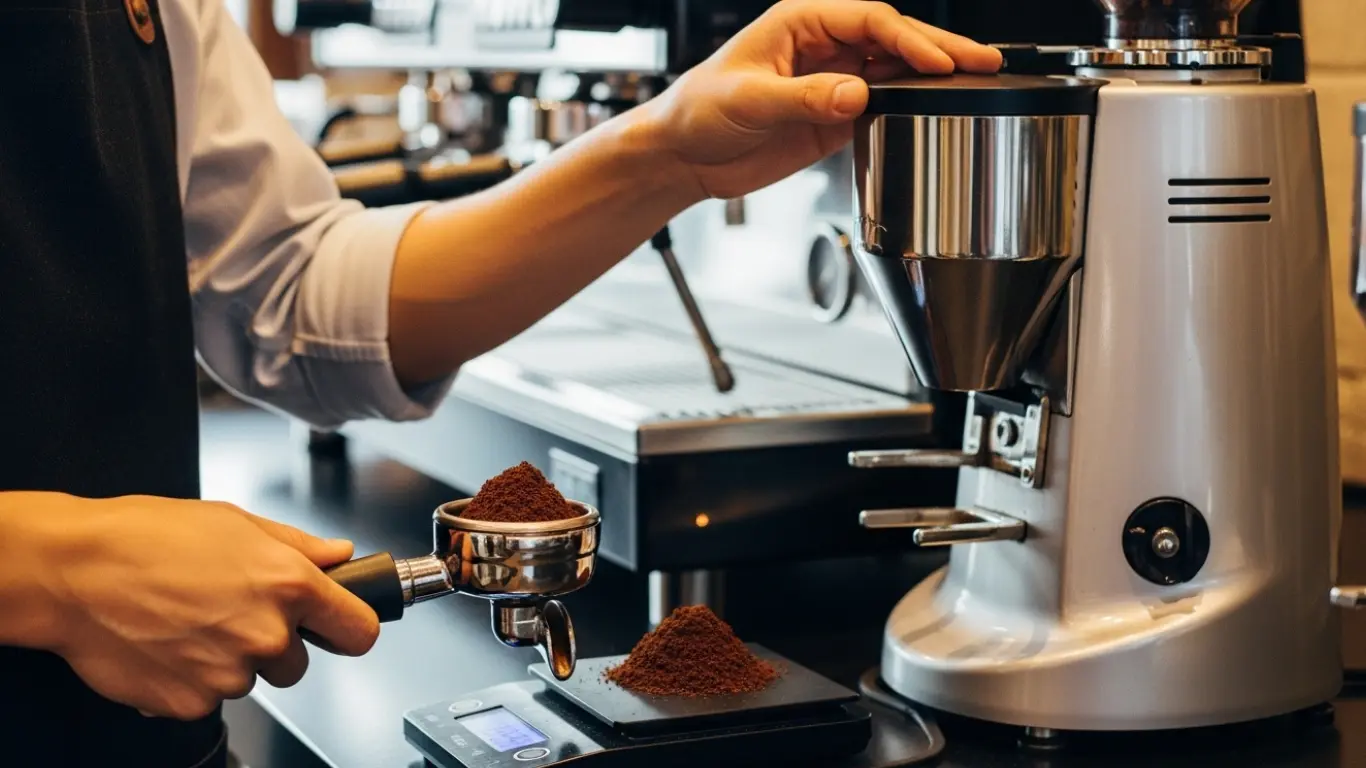
Adjusting the grind size and coffee dose plays a key role in preventing burnt espresso. Fine-tuning these factors controls how water interacts with the coffee grounds. This balance helps extract the right flavors without overcooking the coffee. Small changes in grind or dose can greatly improve taste and reduce bitterness. Understanding how to find the right grind, measure the proper dose, and tamp correctly makes a big difference.
Finding The Right Grind Size
The grind size affects how fast water flows through coffee. Too fine, and water moves slowly, causing over-extraction and burnt taste. Too coarse, and water flows quickly, leading to weak espresso. Start with a medium-fine grind. Adjust in small steps. If espresso tastes burnt or bitter, try a coarser grind. If it tastes sour or weak, go finer. Test and adjust until flavors balance well.
Proper Coffee Dose
The amount of coffee used changes extraction speed. Using too much coffee can slow water flow. This increases risk of burning the espresso. Too little coffee causes fast extraction and weak flavor. Most espresso shots need 18 to 20 grams of coffee. Use a digital scale for accuracy. Measure every time for consistent results. Adjust dose slightly if the espresso tastes off.
Avoiding Over Tamping
Tamping presses coffee grounds evenly in the portafilter. Too much pressure makes water flow slower. This causes over-extraction and burnt taste. Too light tamping lets water flow too fast, resulting in sour espresso. Aim for firm but gentle pressure, about 30 pounds. Use a flat, even tamp. Check the puck for cracks or uneven spots. Proper tamping ensures balanced extraction and better flavor.
Extraction Timing Tips
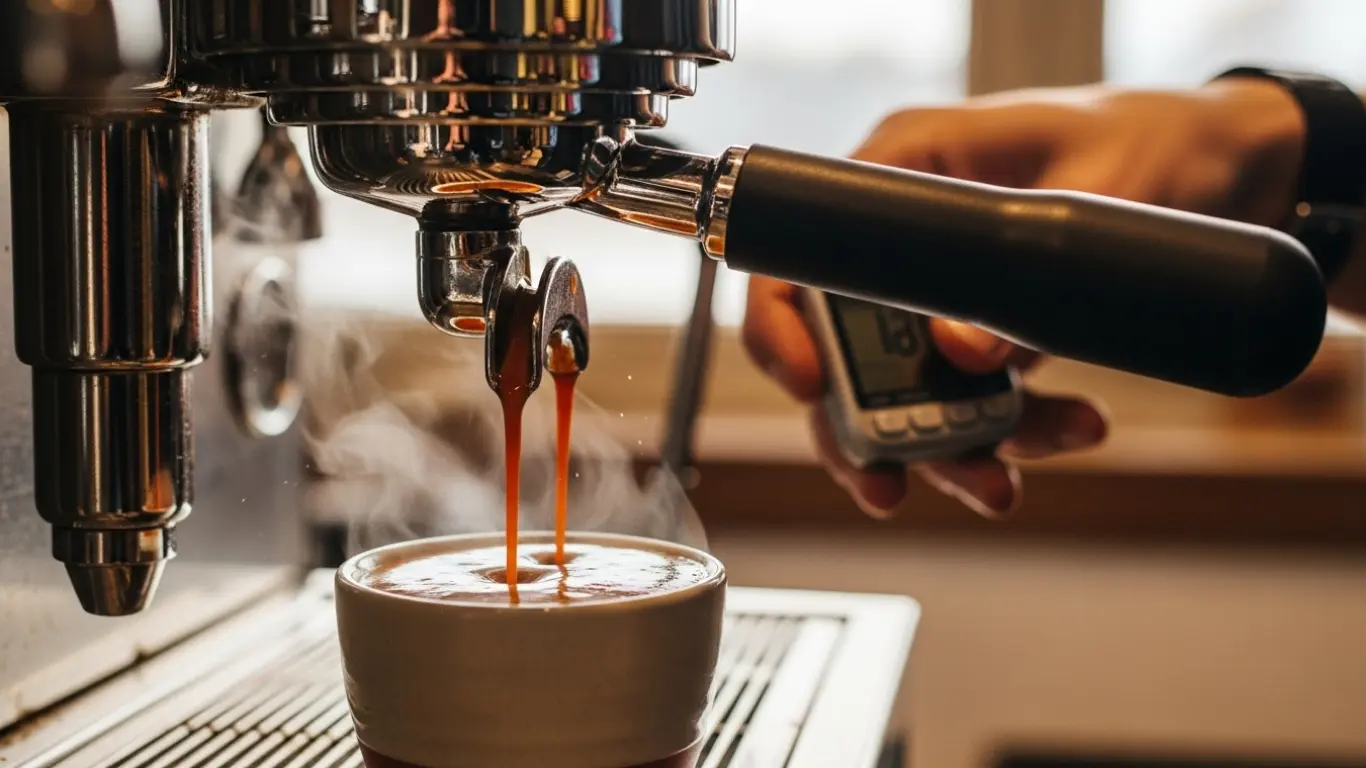
Extraction timing is crucial to avoid burnt espresso. It controls how much flavor is pulled from the coffee grounds. The right timing ensures a balanced shot without bitterness or harshness. This section covers key tips to manage your shot time for smooth espresso.
Ideal Shot Time
The perfect espresso shot usually takes 25 to 30 seconds. This range allows the coffee to release its best flavors. Shots pulled too fast may taste sour and weak. Shots that take too long often become bitter or burnt. Use a timer to keep your shot within this ideal window.
Signs Of Over Extraction
Over extraction happens when the water stays too long on the grounds. This pulls out bitter and burnt flavors. A burnt taste is a clear sign. Other signs include harsh bitterness and a dry mouthfeel. If your espresso tastes too strong or unpleasant, you likely over extracted it.
Adjusting Brew Duration
Change your brew time to fix burnt espresso. Shorten the shot duration if the taste is bitter or burnt. Lengthen it if the espresso is sour or weak. Small adjustments of 2 to 3 seconds can make a big difference. Also, try changing your grind size to help control extraction time.
Tamping Techniques
Tamping is a vital step in preparing espresso. It compacts the coffee grounds evenly, creating resistance for water to extract flavors properly. Poor tamping causes uneven extraction, leading to burnt or bitter taste. Using the right tamping technique helps avoid burnt espresso and improves shot quality.
Consistent Pressure
Apply steady pressure when tamping the coffee grounds. Aim for about 30 pounds of force. Pressing too hard or too soft causes uneven extraction. Practice with a scale or tamping tool to maintain consistent pressure. This balance prevents over-extraction and burnt flavors.
Leveling The Coffee Bed
Make sure the coffee bed is flat and level before tamping. Distribute coffee evenly in the portafilter to avoid slopes or gaps. A level coffee bed allows water to flow uniformly through the grounds. Uneven beds cause some areas to burn while others stay under-extracted.
Preventing Channeling
Channeling happens when water finds a path of least resistance in the coffee bed. It causes uneven extraction and burnt taste. Tamping firmly and evenly seals the coffee bed to stop water from bypassing grounds. Avoid twisting or uneven pressure during tamping to reduce channeling risks.
Water Quality And Temperature
Water quality and temperature play a crucial role in brewing espresso without a burnt taste. Poor water quality or wrong temperature can easily spoil the flavor. Using the right water and controlling its temperature ensures a balanced and smooth espresso. These factors affect how the coffee compounds dissolve and how the flavors develop.
Optimal Brewing Temperature
Espresso brews best between 195°F and 205°F (90°C to 96°C). Water hotter than this extracts bitter compounds, causing a burnt flavor. Cooler water results in under-extraction and weak taste. Consistent temperature helps maintain a clean and rich espresso shot every time.
Using Filtered Water
Filtered water removes impurities that can alter espresso taste. Minerals like chlorine or heavy metals make coffee taste off or burnt. Using clean, filtered water protects the machine and enhances flavor clarity. Avoid distilled water as it lacks minerals needed for proper extraction.
Impact Of Water On Flavor
Water affects the balance of acidity, sweetness, and bitterness in espresso. Hard water with high mineral content can cause over-extraction and bitterness. Soft water leads to flat and dull espresso. Choosing balanced water helps highlight the coffee’s natural flavors without burnt notes.
Machine Maintenance
Proper machine maintenance plays a key role in avoiding burnt espresso. Regular care keeps your equipment working well. It helps maintain the right water temperature and pressure. Clean machines produce better tasting coffee. Neglect can cause buildup and uneven heating. This leads to bitter or burnt flavors. Follow these steps to keep your espresso machine in top shape.
Cleaning The Group Head
The group head is where hot water meets coffee grounds. Coffee oils and residue build up quickly here. Clean the group head daily to remove old coffee and oils. Use a brush to scrub the area well. Run water through the group head to flush out debris. This prevents clogging and uneven water flow. Clean group heads ensure a smooth espresso extraction.
Descaling The Machine
Mineral deposits from water collect inside your machine over time. These deposits affect heating and water flow. Descaling removes these mineral buildups. Use a descaling solution made for espresso machines. Follow the product instructions carefully. Descale every 1 to 3 months depending on water hardness. This keeps the machine heating evenly and prevents burnt flavors.
Checking Equipment Performance
Regularly check your machine’s performance to catch issues early. Monitor water temperature with a thermometer. It should stay steady around 195-205°F (90-96°C). Check the pressure gauge to ensure it stays in the correct range. Look for leaks or unusual noises. Replace worn parts like gaskets and filters promptly. Well-maintained machines brew espresso with balanced flavor and no burnt taste.
Flavor Profiling And Adjustments
Understanding the flavor profile of your espresso helps prevent burnt tastes. Adjusting extraction based on flavor allows a smoother, balanced shot. Small tweaks in grind size, dose, and time can change bitterness or sourness. Careful tasting guides these adjustments for a better espresso experience.
Identifying Bitter Notes
Bitter flavors often signal over-extraction. The water pulls too many compounds from the coffee. This can happen if the grind is too fine or the shot runs too long. Notice harsh, dry, or burnt flavors in your espresso. These are signs to adjust your grind coarser or shorten the shot time.
Balancing Sour And Sweet
Sourness usually means under-extraction. The water passes too quickly through the grounds. This results in a sharp, acidic taste. Try a finer grind or a longer extraction to improve balance. Sweetness comes from well-extracted sugars in the coffee. Aim for a smooth blend of sour and sweet for a pleasant shot.
Personalizing Your Shot
Every coffee bean is different. Adjust your espresso to highlight the best flavors. Taste and tweak grind size, dose, and extraction time. Use your preferences as the guide, not strict rules. Experiment with small changes to find your perfect balance. This personal touch makes each shot unique and enjoyable.
Frequently Asked Questions
How Do I Not Burn My Espresso?
Avoid burnt espresso by using the correct grind size—slightly coarser to prevent over-extraction. Brew within 25-30 seconds. Use water around 195-205°F. Avoid overfilling or over-tamping the portafilter. Clean your machine regularly and choose properly roasted beans to ensure smooth flavor.
What Is The 30 Second Rule For Espresso?
The 30 second rule for espresso means brewing the shot within 25-30 seconds. This timing ensures balanced flavor and avoids over or under-extraction. Adjust grind size and dose to hit this target for the best espresso taste.
How Do Espresso Shots Get Burnt?
Espresso shots get burnt from over-extraction, using too fine a grind, brewing too long, or overly hot water. Over-roasted beans also cause burnt flavors.
Why Does My Coffee Taste Burnt In The Espresso Machine?
Burnt coffee in espresso machines usually results from over-extraction due to too fine a grind or brewing too long. Extremely hot water or over-roasted beans can also cause burnt flavors. Adjust grind size, shot time, and water temperature to avoid a burnt taste.
What Causes Espresso To Taste Burnt Or Bitter?
Burnt espresso often results from over-extraction or using too fine a grind size.
Final Verdict about How to Avoid Burnt Espresso
Avoiding burnt espresso starts with simple steps. Use the right grind size to prevent over-extraction. Don’t pack the coffee too tightly or tamp too hard. Keep your machine clean for a smooth flow of water. Taste your espresso often and adjust as needed.
Small changes lead to better flavor and less bitterness. Enjoy brewing with patience and care. This way, every shot can taste fresh and balanced.