Skip to content
Cooking with an electric griddle has become a popular choice for many households. It’s easy to use, quick to heat, and perfect for making everything from pancakes to grilled vegetables. But if you’re new to using an electric griddle, you might have one important question: Does an electric griddle need oil? Understanding this can help you cook better, keep your griddle in top shape, and even enjoy healthier meals. Let’s explore everything you need to know about oil and electric griddles, including when to use oil, how much, alternatives, and tips for the best results.
How Electric Griddles Work
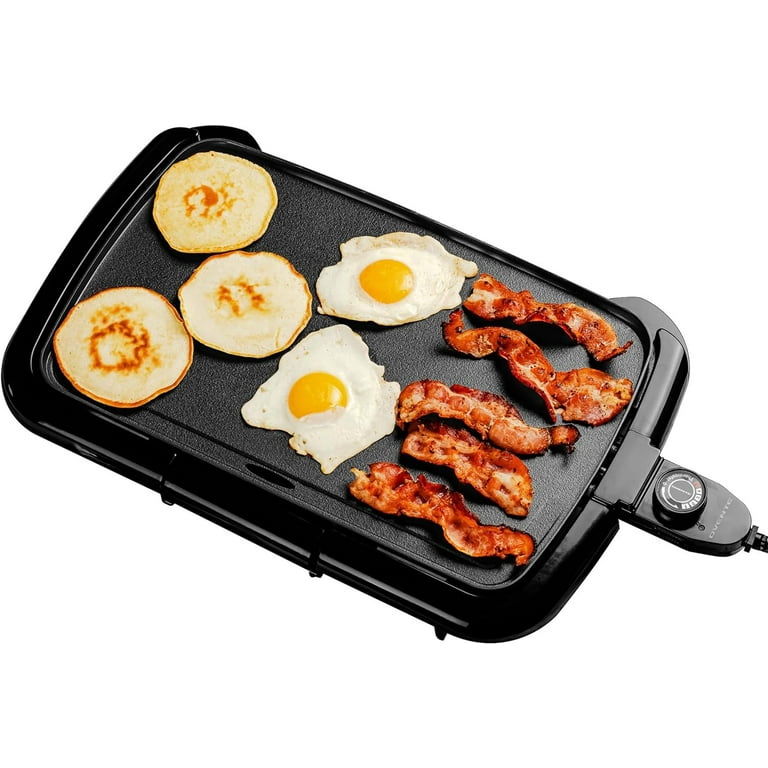
An electric griddle is a flat cooking surface that heats up using electricity. Most griddles have a non-stick coating, while others may use stainless steel or cast iron. The surface is large, so you can cook multiple foods at once. Heat is evenly distributed, making it easier to cook food without burning.
The main benefit of a griddle over a regular frying pan is its size and shape. You can cook breakfast for a whole family at once. Some models even come with temperature control, allowing you to set the exact heat you want.
The Role Of Oil In Cooking
Oil plays several roles in cooking. Here’s why people use oil:
- Prevents sticking: Oil creates a barrier between the food and the surface, stopping food from sticking.
- Improves flavor: Some oils add taste and aroma to food.
- Aids in browning: Oil helps food brown and crisp up.
- Transfers heat: Oil spreads heat more evenly on the cooking surface.
But not all cooking surfaces need oil for every food. The amount and type of oil can change based on the food and the griddle’s material.
Do You Need Oil For An Electric Griddle?
The answer depends on a few factors. Let’s look at them one by one.
1. Surface Material
Most modern electric griddles have a non-stick coating. This means you can often cook without oil, or with very little. Foods like pancakes, eggs, or bacon usually slide right off.
If your griddle is made from cast iron or stainless steel, you will likely need a thin layer of oil. These surfaces can cause food to stick without it.
2. Type Of Food
Some foods have a lot of natural fat (like bacon), so you won’t need extra oil. Others, like eggs or pancakes, might stick without some oil, especially if your non-stick surface is wearing out.
Here are some common foods and whether they need oil:
| Food | Needs Oil? | Notes |
|---|---|---|
| Pancakes | Yes (small amount) | Helps with browning, prevents sticking |
| Bacon | No | Bacon releases its own fat |
| Eggs | Yes | Even on non-stick, a bit of oil is helpful |
| Vegetables | Yes | Prevents sticking and improves taste |
| Steak/Chicken | Yes | Creates sear, prevents sticking |
3. Cooking Goals
If you want crisp edges or a golden-brown finish, a bit of oil is almost always needed. Oil helps food brown and get that tasty crust.
For healthier cooking, you can reduce oil or use a spray to coat the surface lightly.
4. Griddle Condition
A brand new non-stick griddle usually needs very little or no oil. But as it ages, the non-stick coating wears down, and you may need to start using oil to avoid sticking.
How Much Oil Should You Use?
Too much oil can make food greasy and unhealthy. Too little oil can make food stick and burn. The right amount depends on what you’re cooking and your griddle’s surface.
- For non-stick griddles, a light spray or a teaspoon of oil is often enough for most foods.
- For cast iron or stainless steel griddles, use a tablespoon and spread it evenly with a paper towel.
Here’s a quick guide to oil amounts:
| Griddle Type | Recommended Oil Amount | Best Method |
|---|---|---|
| Non-stick | 1 teaspoon or spray | Spray or wipe with paper towel |
| Cast iron | 1 tablespoon | Pour and spread evenly |
| Stainless steel | 1 tablespoon | Pour and spread evenly |

Credit: www.rovsun.com
Best Oils For Electric Griddles
Not all oils are the same. Some have high smoke points (the temperature where they start to smoke and break down), which is important for griddle cooking.
- Vegetable oil: Cheap, neutral flavor, high smoke point.
- Canola oil: Similar to vegetable oil, light flavor.
- Sunflower oil: High smoke point, good for high-heat cooking.
- Grapeseed oil: Healthy, mild taste, good for medium-high heat.
- Olive oil: Good for lower heat, adds flavor but smokes at high temperatures.
- Butter: Adds flavor, but burns quickly—mix with oil for better results.
It’s a common mistake for beginners to use extra virgin olive oil or butter at high temperatures. These can burn and leave a sticky residue on your griddle.
When You Should Skip Oil
Some situations don’t need oil at all:
- Cooking fatty meats: Bacon, sausage, or marbled steak release enough fat.
- Pre-seasoned non-stick surfaces: Brand new griddles with a good coating.
- Certain recipes: Some batters or doughs include enough fat that no extra oil is needed.
However, if your food starts sticking, it’s a sign that a little oil is needed.
Oil Alternatives And Healthier Options
If you want to cut down on oil for health reasons, there are alternatives:
- Non-stick spray: Very light, covers surface well.
- Cooking without oil: For some foods and new non-stick surfaces, this works.
- Water or broth: For vegetables, you can use a splash of water to steam instead of fry.
- Parchment paper: Rarely used on griddles, but possible for some foods.
Remember, removing oil completely can affect the taste and texture of food.
How To Apply Oil Properly
Applying oil evenly helps prevent sticking and burning. Here’s the best way:
- Heat your griddle first. Oil spreads better on a warm surface.
- Add a small amount of oil.
- Use a paper towel or brush to spread it in a thin, even layer.
- For sprays, hold the can about 8 inches above the surface and spray lightly.
Avoid pouring too much oil, as it can pool and make food greasy. Over time, built-up oil can also carbonize and damage your griddle’s surface.
Common Mistakes With Oil And Griddles
Beginners often make these mistakes:
- Using too much oil: Makes food greasy and can smoke or burn.
- Not heating the griddle before oiling: Cold oil doesn’t spread well and leads to uneven cooking.
- Using the wrong oil: Low smoke point oils burn and stick.
- Ignoring the surface type: Not all griddles need the same amount or type of oil.
A non-obvious tip: If you see smoke soon after adding oil, your griddle is too hot, or you’re using the wrong type of oil.
Cleaning And Caring For Your Griddle
Proper cleaning helps your griddle last longer and work better with less oil. Here are some tips:
- Clean after every use. Wipe away oil and food bits while still warm (not hot).
- Don’t use metal tools, which can scratch non-stick surfaces.
- For stubborn residue, use a mix of baking soda and water.
- Reseason cast iron griddles with oil after cleaning.
A clean griddle needs less oil because there’s no burnt residue for food to stick to.

Credit: www.amazon.com
Cooking Without Oil: Is It Possible?
Yes, you can cook without oil on an electric griddle, especially with non-stick surfaces. Foods like pancakes, eggs, and grilled cheese often work fine without oil if the coating is in good shape. You may lose some browning and crispness, but your food will be lower in fat.
However, for foods that are prone to sticking or when your griddle is older, using a small amount of oil is still the best option.
Comparing Oil Use: Electric Griddle Vs. Other Appliances
Many wonder if electric griddles use less oil than frying pans or stovetop griddles. Let’s compare:
| Appliance | Typical Oil Needed | Why |
|---|---|---|
| Electric Griddle (non-stick) | 1 teaspoon | Large, flat surface, non-stick coating |
| Stovetop Frying Pan | 1-2 tablespoons | Often less even heating, smaller size |
| Cast Iron Skillet | 1 tablespoon | Needs seasoning, more oil for non-stick |
Electric griddles are usually more efficient with oil use because of their non-stick coatings and even heat.
Credit: www.walmart.com
Two Insights Most Beginners Miss
- Oil amount changes over time: As your non-stick griddle ages, you may need to use more oil. Many people don’t realize this until food starts sticking.
- Even a small amount of oil can improve taste and texture: Using a thin layer helps food brown and crisp, even if it doesn’t seem necessary at first.
Expert Tips For Best Results
- Always preheat the griddle before adding oil or food.
- Wipe excess oil with a paper towel—only a thin coat is needed.
- Try different oils for different foods: Canola for eggs, butter for pancakes, grapeseed for meats.
- Clean your griddle often. Old oil can create sticky spots that make food stick even if you add new oil.
Frequently Asked Questions
What Happens If I Don’t Use Oil On My Electric Griddle?
If you skip oil, food may stick, especially with eggs or pancakes. Non-stick surfaces help, but as they wear out, sticking is more likely. Your food may also brown less and lose some flavor.
Can I Use Butter Instead Of Oil?
Yes, but butter burns more easily than oils with a high smoke point. For better results, mix butter with a neutral oil. This gives you flavor and prevents burning.
How Often Should I Oil My Griddle?
Oil your griddle every time you cook, but only use a thin layer. For cast iron, oil after each cleaning to keep it seasoned. For non-stick, wipe or spray lightly before cooking.
What Is The Healthiest Oil To Use On An Electric Griddle?
Canola oil and grapeseed oil are healthy choices. They have high smoke points and are low in saturated fats. Olive oil is good for lower temperatures. For more on healthy oils, check out Healthline’s guide to cooking oils.
Will Oil Damage My Electric Griddle?
No, oil will not damage your griddle if used in small amounts. Too much oil can build up over time, leaving sticky spots or burnt residue. Always clean your griddle well after use.
Cooking with an electric griddle is convenient and versatile. Oil is not always required, but using a small amount can improve your food’s taste, prevent sticking, and make cleanup easier. Choosing the right oil and amount for your griddle and food type is key.
With these tips, you’ll get the best results every time you cook.