Skip to content
Cheesecake is a dessert that looks simple but needs the right tools for a perfect result. If you use a stand mixer, you might wonder which attachments to use for cheesecake batter. The right attachment can change your texture, prevent overmixing, and help you get that creamy, smooth filling every time.
Many people reach for their mixer’s paddle or whisk without thinking, but not every attachment is best for rich, delicate batters. This article breaks down exactly which stand mixer attachment you should use for cheesecake, why it matters, and the impact on your finished dessert.
You’ll learn how to avoid lumps, cracks, and other common problems. Whether you’re a beginner or experienced baker, you’ll discover practical tips and insights that make your next cheesecake easier—and tastier.
Why Stand Mixer Attachments Matter For Cheesecake
A cheesecake’s filling is mostly cream cheese, sugar, eggs, and flavorings. The way you mix these affects the final texture. If you overmix, you might add too much air, causing cracks when baking. If you undermix, your batter could be lumpy.
Stand mixers usually come with three main attachments:
- Flat beater (paddle)
- Wire whip (whisk)
- Dough hook
Each does something different, so using the wrong one can ruin your cheesecake. The secret to great cheesecake is mixing enough for smoothness, but not so much that you beat in air. That’s why choosing the correct attachment is critical.
How Stand Mixer Attachments Affect Texture
- Flat beater (paddle): Designed for medium-heavy mixtures like cookie dough or cake batter. It creams ingredients without whipping in too much air.
- Wire whip (whisk): Adds air, best for whipping egg whites or cream. Too much air in cheesecake batter is bad.
- Dough hook: Used for bread dough. Too rough and not suitable for cheesecake at all.
Using the wrong tool can make your cheesecake dense, dry, or cracked. The right attachment gives you a creamy, smooth filling every time.
Choosing The Best Stand Mixer Attachment For Cheesecake
Most recipes and experts recommend the flat beater (paddle) for mixing cheesecake batter. Here’s why:
The Paddle Attachment: The Top Choice
The paddle attachment is ideal because:
- It blends cream cheese and sugar smoothly without adding excess air.
- It scrapes the sides as it mixes (especially with flex-edge models), so everything gets mixed evenly.
- It’s gentle enough to avoid breaking the batter structure.
Practical Tip: Always use room-temperature cream cheese. Cold cream cheese stays lumpy, no matter which attachment you use.
When To Use The Whisk Attachment
You might wonder if the whisk attachment can work. While it’s possible, it’s not the best choice for most of the batter. The whisk is designed to incorporate air. Too much air in cheesecake batter can cause it to puff up and then collapse, leaving cracks.
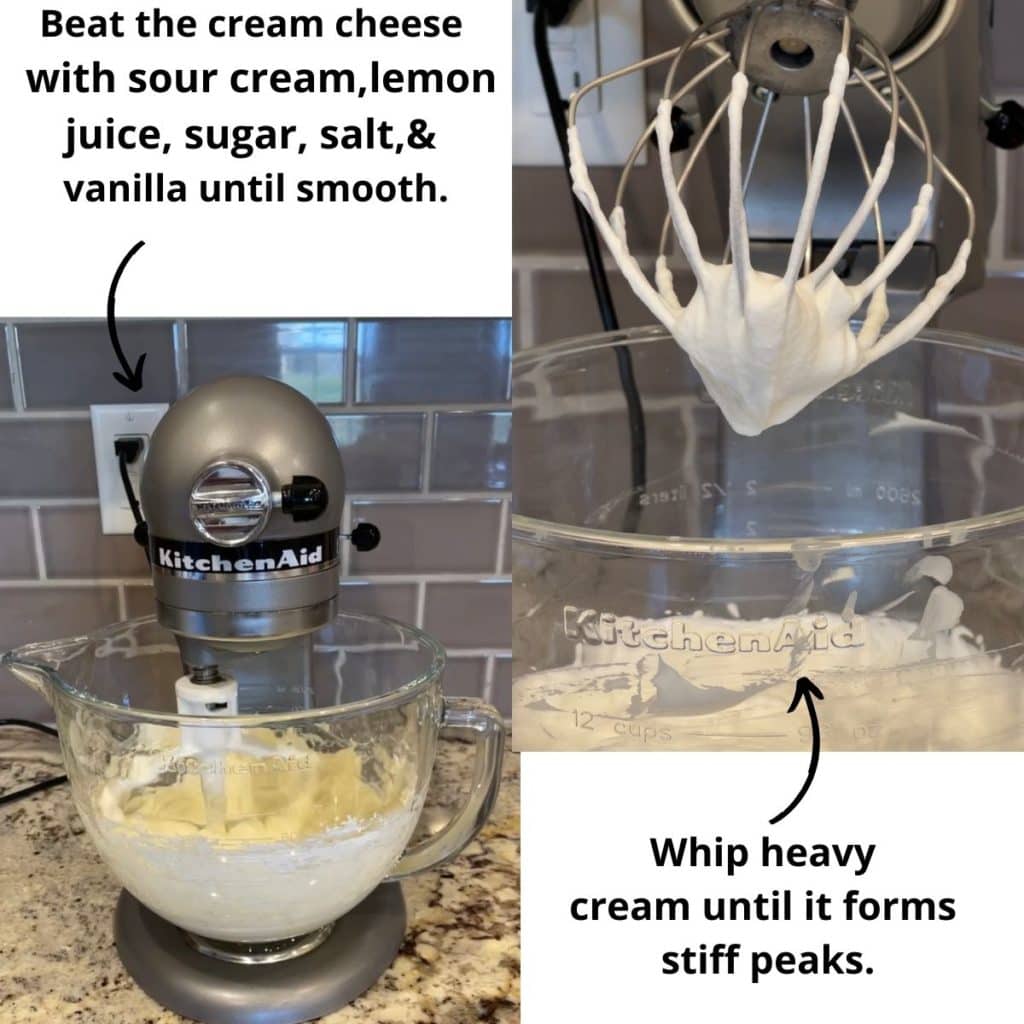
However, there’s one exception: If your recipe calls for whipped cream folded into the batter (for lighter cheesecakes), use the whisk to whip the cream separately. Never use it for the main cream cheese mixture.
Dough Hook: Never For Cheesecake
The dough hook is only for bread dough. It’s too aggressive and won’t mix soft batters like cheesecake. Using it can leave you with uneven batter and lumps.
Attachment Comparison Overview
Here’s a quick comparison of the main attachments for cheesecake batter:
| Attachment | Best Use | Cheesecake Suitability | Risk |
|---|---|---|---|
| Flat Beater (Paddle) | Creaming, medium batters | Excellent | Low risk of overmixing |
| Wire Whip (Whisk) | Whipping, adding air | Poor (except whipped cream) | High risk of cracks |
| Dough Hook | Kneading dough | Not suitable | Lumpy batter |
How To Use The Paddle Attachment For Cheesecake
Getting the best result is about more than just the attachment—you need the right technique.
Step-by-step Mixing Process
- Start with room-temperature ingredients. Cream cheese, eggs, and even sour cream should sit out for at least 30 minutes. This helps everything blend smoothly.
- Use the paddle attachment. Install the paddle securely on your stand mixer.
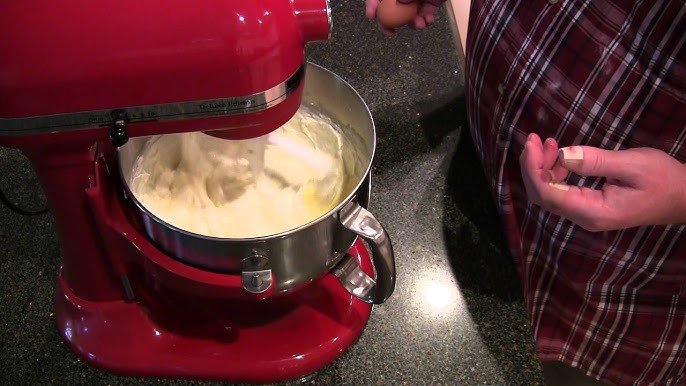
- Cream the cream cheese first. Beat on medium speed until very smooth. Scrape the bowl and paddle at least once.
- Add sugar gradually. Mix until fully combined and creamy.
- Add eggs one at a time. Mix on low speed, just until each is blended. Don’t overmix.
- Add other ingredients (like sour cream, vanilla, lemon zest), mixing briefly on low.
Pro Tip: Stop mixing as soon as everything looks smooth. Overmixing creates air bubbles, which lead to cracks.
The Right Mixing Speed
Always use low to medium speed for cheesecake batter. High speed adds air and makes the batter fluffy, which is not what you want. The goal is creamy, not airy.
Scraping Matters
Even with a paddle, ingredients can stick to the sides or bottom. Every so often, pause and use a spatula to scrape down the bowl and the paddle itself. This ensures everything is mixed evenly.
Common Stand Mixer Mistakes With Cheesecake
Even experienced bakers make errors when using a stand mixer for cheesecake. Here are some mistakes to avoid:
- Using cold cream cheese: This leads to lumps that never go away, even if you mix longer.
- Overmixing after eggs are added: Eggs add structure. If you beat too much, you get too much air and a cracked top.
- Not scraping the bowl: You’ll find unmixed bits of cheese or sugar at the bottom.
- Using the whisk for the whole batter: The whisk adds too much air, leading to a soufflé-like, cracked cheesecake.
Insider Tip: If you see bubbles in your batter, tap the bowl gently on the counter before pouring into your pan. This releases trapped air.
Special Attachments: Flex Edge Beater And Scraper Blades
Many stand mixers now offer a flex edge beater (sometimes called a scraper blade). This is a paddle with a soft silicone edge. It scrapes the bowl as it mixes, so you don’t have to stop and scrape by hand as often.
Is The Flex Edge Better For Cheesecake?
For most home bakers, yes. The flex edge beater does everything a standard paddle does, but with less effort. It’s especially useful for sticky batters like cheesecake.
When To Use Standard Paddle Vs Flex Edge
- Use the standard paddle if you don’t have a flex edge or your mixer bowl is very full.
- Use the flex edge beater for most cheesecake recipes, especially in smaller batches.
Here’s a quick look at how they compare:
| Attachment | Mixing Efficiency | Scraping Needed | Best For |
|---|---|---|---|
| Standard Paddle | Good | Manual scraping required | Large batches |
| Flex Edge Beater | Excellent | Minimal scraping | Sticky batters, small/medium batches |
Stand Mixer Brands And Cheesecake Attachments
Not all stand mixers are the same. Some brands have unique paddle designs or special attachments. Here’s what you need to know about the most common brands:
Kitchenaid
- The KitchenAid paddle attachment is the most popular for cheesecake.
- Many models offer a flex edge beater as an upgrade.
- Bowls come in glass or metal; both work, but glass shows unmixed spots more easily.
Cuisinart
- Similar paddle design to KitchenAid.
- Some models include a scraper paddle.
- Good speed control for cheesecake mixing.
Bosch
- Uses a unique dough hook or wire whisk design.
- For cheesecake, use the cake paddle if available, not the dough hook.
Kenwood
- Offers both standard and flex edge paddles.
- Large capacity bowls are good for big cheesecakes.
Note: Always check your manual if you’re not sure which attachment is which.
Cheesecake Recipes And Attachment Choices
Not every cheesecake recipe is the same. Let’s look at how attachment choice changes based on recipe style.
Classic New York Cheesecake
- Rich, dense batter.
- Requires thorough mixing for smoothness.
- Best attachment: Paddle (standard or flex edge).
No-bake Cheesecake
- Often uses whipped cream or condensed milk.
- Best attachment: Paddle for cream cheese base; whisk for separate whipped cream.
Japanese Cotton Cheesecake
- Light, soufflé texture.
- Best attachment: Whisk (for whipping egg whites), but paddle for creaming cheese and sugar.
Vegan Or Dairy-free Cheesecakes
- Often use blended nuts or tofu.
- Best attachment: Paddle, sometimes a food processor is better for breaking down nuts.
Troubleshooting: Fixing Common Cheesecake Mixer Problems
Lumpy Batter
- Usually caused by cold ingredients or not enough mixing at the start.
- Solution: Start with room-temperature cream cheese and mix well before adding eggs.
Cracked Top
- Often from overmixing or too much air in the batter.
- Solution: Use the paddle on low speed, mix only until smooth after eggs are added.
Dense Or Heavy Cheesecake
- Can happen if ingredients are undermixed or too much flour is added.
- Solution: Mix until just smooth, and don’t add extra dry ingredients.
Batter Not Fully Mixed
- Scrape the bowl and paddle regularly, especially with thick batters.
- Use a flex edge beater if possible.
Air Bubbles
- Tap the bowl gently before pouring into the pan.
- Use the paddle, not the whisk, to minimize air.
Stand Mixer Vs. Hand Mixer For Cheesecake
A stand mixer is the top choice for cheesecake, but what if you only have a hand mixer?
Advantages Of Stand Mixer
- Consistent mixing: More even, especially with large batches.
- Hands-free: Lets you add ingredients or scrape sides easily.
- Attachment versatility: Paddle attachments are gentler than hand mixer beaters.
Hand Mixer Limitations
- Most hand mixers use wire beaters, which can add too much air.
- Takes longer to mix smoothly.
- Harder to scrape bowl while mixing.
When To Use A Hand Mixer
- For small cheesecakes, a hand mixer can work if you mix carefully on low speed.
- Avoid overmixing after eggs are added.
- Scrape the bowl often.
Pro Insight: Some hand mixers now come with paddle-style beaters. These are better for cheesecake than standard wire beaters.
Cleaning And Caring For Attachments
Cleaning your stand mixer attachment is important for taste and hygiene.
- Wash paddles and whisks in warm, soapy water after each use.
- Some attachments are dishwasher safe, but check your manual.
- If using a flex edge beater, check for any batter trapped under the silicone edge.
- Dry attachments fully to prevent rust or wear.
Tip: Never use harsh scrubbers or steel wool, which can damage the coating.
Credit: www.youtube.com
Advanced Tips: Getting Bakery-quality Cheesecake
- Mix in stages: Cream the cheese and sugar until completely smooth before adding eggs. This prevents lumps later.
- Don’t rush: Let the mixer run long enough on the first stage, but be gentle once the eggs are in.
- Check for lumps: If you see any lumps after mixing, pass the batter through a fine sieve before baking.
- Control the oven temperature: While not about the mixer, baking at a lower temperature (like 300°F) helps prevent cracks.
- Rest the batter: Letting the batter sit for 10 minutes before baking can allow air bubbles to rise and escape.
Example: Classic Cheesecake Using A Stand Mixer
Here’s a simple workflow to see how the attachment fits into the process:
- Prepare crust (crushed graham crackers, sugar, melted butter). Press into pan and bake for 10 minutes. Let cool.
- Cream cheese and sugar: Using paddle attachment, beat on medium until smooth and fluffy.
- Add sour cream and flavorings: Mix in on low speed.
- Add eggs: One at a time, mixing on low just until combined.
- Pour batter over crust. Tap pan to remove air bubbles.
- Bake in a water bath at 325°F until the center is set but slightly jiggly (about 1 hour).
- Cool slowly: Turn off oven, crack door, and let cheesecake sit for 1 hour before chilling.
Nutritional And Texture Impact Of Attachment Choice
How you mix affects not just texture but also the nutrition and appearance of your cheesecake.
- Whisking adds air, making a lighter texture but more likely to crack and dry out during baking.
- Paddle mixing keeps batter dense and creamy, with fewer calories from added air pockets.
- Overmixing can cause separation, leading to a greasy or grainy cheesecake.
Non-obvious insight: The paddle’s gentle mixing can also help with gluten-free or low-sugar cheesecakes, where structure is more fragile.
When To Switch Attachments Mid-recipe
There are rare times when you might use more than one attachment:
- Whisk for whipped cream: If your recipe uses a whipped cream layer or filling, switch to the whisk for that part only.
- Hand mix-ins: For fruit, chocolate chips, or swirls, fold them in by hand after mixing, not with the paddle.
Mistake to avoid: Don’t use the dough hook at any stage for cheesecake.
Credit: carveyourcraving.com
Attachment Durability And Replacement
Stand mixer attachments last for years, but check for wear:
- Loose or bent paddles: Replace immediately. A damaged attachment can scratch your bowl or mix unevenly.
- Worn silicone on flex edge: Replace if the edge is torn.
- Discoloration or rust: Some aluminum attachments can discolor in the dishwasher. Use stainless steel or coated paddles for best results.
Pro Tip: Most major brands sell replacement paddles online or in stores.
How Professional Bakers Use Stand Mixers For Cheesecake
In commercial bakeries, stand mixers are essential for making large cheesecakes. Pros often use the paddle attachment for smooth, lump-free batters. They also scrape the bowl regularly and mix on the lowest speed.
Non-obvious insight: Some bakeries chill the batter for 30 minutes before baking to further reduce air bubbles and help set the structure.
For high-volume production, they sometimes use spiral mixers with a special beater, but the principle remains the same: gentle, thorough mixing without whipping in air.
:max_bytes(150000):strip_icc()/8350-chantals-new-york-ddmfs-cheesecake-step3-212-5d71cdd5898242d19de3d372e4ce6390.jpg)
Credit: www.allrecipes.com
Summary Table: Attachment Choices For Cheesecake Styles
| Cheesecake Type | Main Attachment | Why |
|---|---|---|
| Classic New York | Paddle | Creamy, dense texture |
| No-Bake | Paddle (base), Whisk (cream) | Blends base, whips cream |
| Japanese Cotton | Whisk (egg whites), Paddle (base) | Separate mixing needed |
| Vegan | Paddle | Gentle blending of nuts/tofu |
Frequently Asked Questions
Which Stand Mixer Attachment Is Best For Cheesecake Batter?
The paddle attachment is best for cheesecake batter. It mixes ingredients smoothly without adding too much air, resulting in a creamy texture. Avoid the whisk and dough hook for the main batter.
Can I Use The Whisk Attachment For Cheesecake?
You should avoid the whisk for the main batter, as it can add too much air and cause cracks. Only use the whisk if your recipe asks for whipped cream to be folded in later.
What Speed Should I Use When Mixing Cheesecake Batter?
Always mix on low to medium speed with the paddle attachment. This prevents excess air from being incorporated and helps avoid cracks and lumps.
How Do I Prevent Lumps In My Cheesecake Batter?
Start with room-temperature cream cheese and scrape the bowl and paddle regularly. Mix well before adding eggs, and don’t overmix after eggs go in.
Is The Flex Edge Beater Better Than A Standard Paddle For Cheesecake?
The flex edge beater is often better because it scrapes the bowl as it mixes, making for a smoother batter with less effort. If you don’t have one, the standard paddle works fine—just scrape the bowl manually.
Perfect cheesecake starts with the right tools and knowledge. By choosing the correct attachment and mixing carefully, you’ll enjoy a smooth, creamy dessert every time. For more on baking science, visit the Cook’s Illustrated stand mixer guide.
Remember, great cheesecake is less about fancy ingredients and more about smart technique—starting with your mixer’s paddle attachment.