Skip to content
Many people are looking for ways to live healthier. One simple step is drinking fresh juice. But not all juice is the same. If you want the highest nutrition, flavor, and freshness, you might hear about cold press juicers. These machines are different from regular juicers, and they’re becoming popular in homes, cafes, and juice bars. But what really makes a cold press juicer special? And is it the right choice for you? Let’s explore what a cold press juicer is, how it works, and why it matters.
What Is A Cold Press Juicer?
A cold press juicer is a machine that extracts juice from fruits and vegetables using a slow, gentle process. Unlike traditional juicers, which use fast spinning blades, cold press juicers use pressure to squeeze juice out. This method is also known as masticating juicing. The “cold” in cold press means the juicer doesn’t heat up the juice, which helps keep nutrients and flavors intact.
Cold press juicers work by crushing produce and then pressing it to release the juice. The result is a juice with more vitamins, minerals, and enzymes. You get a drink that tastes fresh and stays good for longer.
How Does A Cold Press Juicer Work?
Cold press juicers use a simple but effective method:
- Crushing: The produce goes into the machine and is crushed by a rotating auger (a spiral-shaped tool).
- Pressing: The crushed fruits or vegetables are then pressed to extract the juice.
- Separation: The juice flows out one side, while the dry pulp comes out the other.
This process is slow. Most cold press juicers turn at 40 to 80 revolutions per minute (RPM). In comparison, regular centrifugal juicers can spin at 1,000 to 15,000 RPM. This slow speed reduces heat and friction.

Credit: www.amazon.co.za
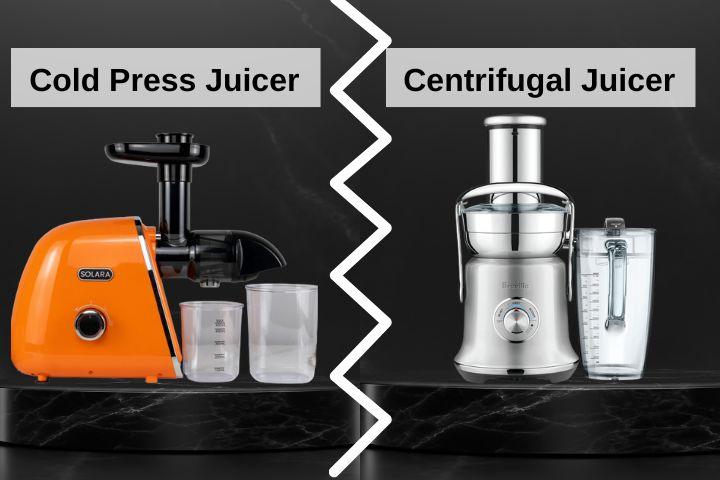
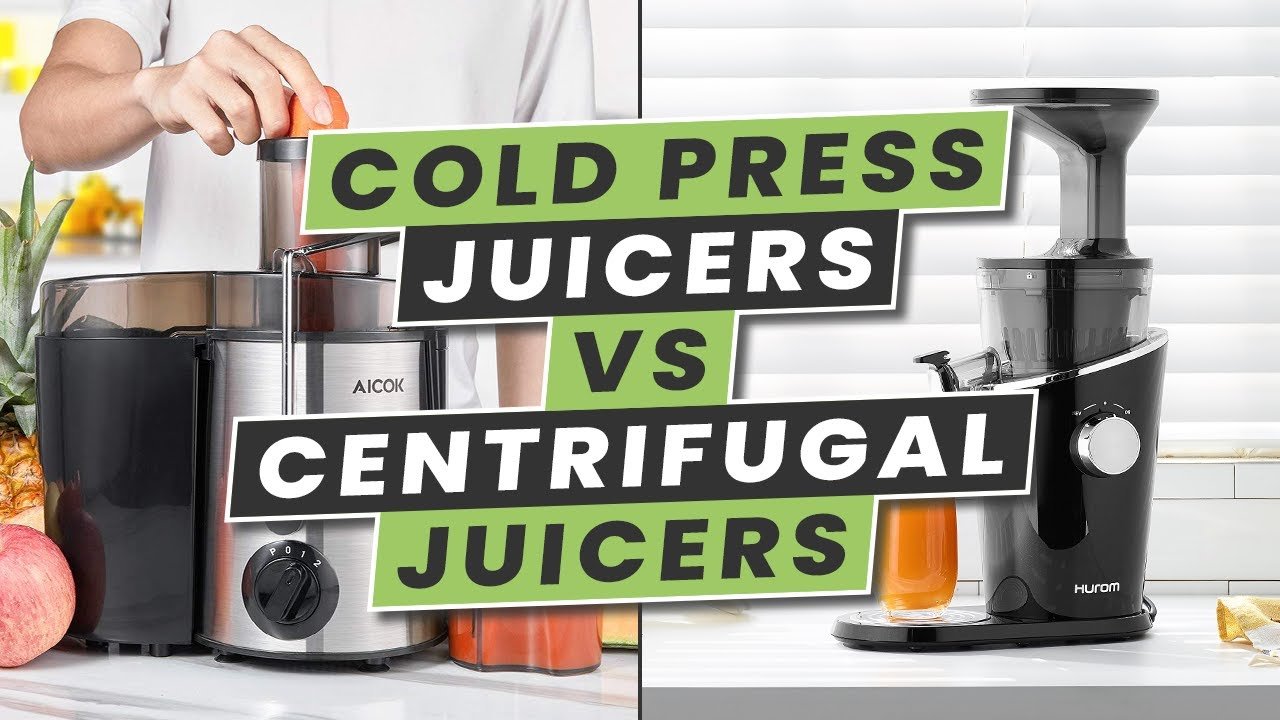
Cold Press Vs. Centrifugal Juicers
Many people wonder about the difference between cold press and centrifugal juicers. Here’s a clear comparison:
| Feature | Cold Press Juicer | Centrifugal Juicer |
|---|---|---|
| Juicing Method | Slow crushing & pressing | Fast spinning blades |
| Speed | 40–80 RPM | 1,000–15,000 RPM |
| Heat Generation | Low | High |
| Juice Quality | High (more nutrients) | Lower (some nutrients lost) |
| Noise | Quiet | Loud |
| Pulp Dryness | Dry | Wet |
| Price Range | $100–$500+ | $40–$200 |
Cold press juicers produce juice with more nutrition, but they take longer and usually cost more. Centrifugal juicers are faster and cheaper, but the juice loses some freshness and nutrients.
Benefits Of Cold Press Juicers
Cold press juicers offer several advantages:
- Higher Nutritional Value: Because the process is slow and doesn’t heat up the juice, vitamins like C and antioxidants remain intact. Studies show cold press juicers can retain up to 40% more nutrients than centrifugal models.
- Better Taste and Color: The juice tastes fresher, and the color is more vibrant. You can notice the difference, especially with leafy greens.
- Longer Shelf Life: Cold press juice stays good for 48–72 hours when refrigerated, while juice from fast juicers is best consumed within a few hours.
- Less Foam and Separation: The juice has less foam and stays mixed longer, so you don’t have to shake or stir it as much.
- More Juice Yield: Cold press juicers extract more juice from produce, leaving dry pulp. You get more juice per fruit or vegetable.
Drawbacks And Common Challenges
While cold press juicers are excellent, they have some downsides:
- Slower Process: It can take 5–10 minutes to juice a batch, compared to 1–2 minutes with centrifugal models.
- Higher Cost: Most cold press juicers are priced higher, starting around $100 and going up to $500 or more for premium models.
- More Cleaning Required: The parts can be more complex and need careful cleaning after each use.
- Bulkier Design: Cold press juicers are often larger and heavier, taking up more space in the kitchen.
A non-obvious insight: Many people expect cold press juicers to be silent, but some models still make a low grinding noise. Also, leafy greens like kale or spinach may require you to feed them slowly to avoid clogging.
Types Of Cold Press Juicers
There are several kinds of cold press juicers. Understanding the differences can help you choose the best one for your needs.
| Type | Main Features | Best For |
|---|---|---|
| Single Auger | One spiral auger, compact size | Soft fruits, leafy greens |
| Twin Gear (Triturating) | Two gears for extra pressure | Hard vegetables, wheatgrass |
| Vertical | Stands upright, easier storage | Everyday use, small kitchens |
| Horizontal | Long shape, more attachments | Multi-purpose, nut butters |
Vertical models are popular for home use because they take less space. Twin gear juicers are preferred by enthusiasts who want maximum juice from tough produce.
Credit: www.solara.in
What Can You Juice With A Cold Press Juicer?
Cold press juicers are versatile. You can juice:
- Fruits: Apples, oranges, pineapples, berries, grapes
- Vegetables: Carrots, celery, beets, cucumbers
- Leafy greens: Spinach, kale, wheatgrass, parsley
- Nuts (with attachments): Almonds, cashews (for nut milk)
- Herbs: Mint, basil, cilantro
Some models let you make nut butters, sorbets, and even pasta. However, juicing soft fruits like bananas isn’t effective, as they contain less juice.
Practical Tips For Using A Cold Press Juicer
To get the most from your cold press juicer:
- Cut produce into small pieces: This prevents clogging and helps the auger work smoothly.
- Alternate soft and hard items: For example, juice apple pieces with kale to push soft greens through.
- Don’t rush feeding: Feed ingredients slowly to avoid jams and maximize juice yield.
- Clean immediately: Rinse parts right after use so pulp doesn’t dry and stick.
A tip beginners miss: The pulp left from juicing can be used in soups, baking, or composting. Don’t throw it away—it’s rich in fiber.
How To Choose The Right Cold Press Juicer
Picking the best cold press juicer depends on your needs and budget. Here are some key factors to consider:
- Juicing Needs: Are you juicing mainly fruits, vegetables, or leafy greens? Some models handle greens better.
- Size and Storage: If you have a small kitchen, a vertical model takes less space.
- Ease of Cleaning: Look for models with fewer parts and dishwasher-safe components.
- Noise Level: Read reviews to find quieter machines if noise bothers you.
- Price: Decide your budget. High-end models offer more features but aren’t always necessary for beginners.
- Warranty and Support: Check the warranty period and customer service. This matters if you plan to use your juicer daily.
Common mistake: Many buyers focus only on juice yield and ignore cleaning complexity. A machine that’s hard to clean will often sit unused.
Popular Cold Press Juicer Brands And Models
Some brands stand out in the cold press juicer market:
- Hurom: Known for advanced technology and sleek designs.
- Omega: Offers durable machines with long warranties.
- Kuvings: Popular for wide feeding chutes and easy cleaning.
- Tribest: Focuses on twin gear models for enthusiasts.
When choosing, read real user reviews and check for replacement parts availability.
Cold Press Juicing And Nutrition
Cold press juicing is not just a trend. Research shows that slow juicing preserves more nutrients, especially vitamin C, antioxidants, and enzymes. For example, a study in the Journal of Food Science found that cold press juicers retained 15–40% more vitamin C than centrifugal juicers.
The gentle process also keeps enzymes alive, which can help with digestion.
If you want juice as part of a healthy diet, cold press juicers are a smart investment. Still, remember: Juice is not a substitute for whole fruits and vegetables. It’s best used to complement your daily nutrition.
Cost Breakdown: Is A Cold Press Juicer Worth It?
Let’s look at the cost over time:
| Type | Initial Price | Monthly Produce Cost (Home) | Monthly Juice Bar Cost |
|---|---|---|---|
| Cold Press Juicer | $200–$500 | $30–$50 | – |
| Juice Bar (Cold Press Juice) | – | – | $120–$200 |
Making juice at home is cheaper in the long run. Juice bars charge $6–$10 per bottle, while homemade juice costs about $1–$2 per serving.
Credit: www.youtube.com
Cleaning And Maintenance
Cold press juicers need regular cleaning. Most models have multiple parts—auger, strainer, juice bowl, and pulp container. Wash these after each use to prevent buildup. Some brands include cleaning brushes and dishwasher-safe parts. Always check the manual for best cleaning practices.
A helpful trick: Soak parts in warm water with lemon juice to remove stains and odors.
Safety And Reliability
Cold press juicers are safe if used correctly. Don’t force hard produce, and never put fingers or utensils into the chute while operating. Most machines have safety locks to prevent accidental starts. Regular maintenance and checking for cracks or worn parts ensures long-term reliability.
Cold Press Juicer Trends And Innovations
Recently, cold press juicers are becoming more user-friendly. Features like wider chutes, automatic pulp ejection, and quieter motors are now common. Some models even have smartphone connectivity to track nutrition. Sustainability is also a focus, with many companies using BPA-free plastics and recyclable materials.
For more information on the history and science of juicing, you can read about it on Wikipedia.
Frequently Asked Questions
What Is The Main Difference Between Cold Press And Regular Juicers?
The key difference is in the juicing method. Cold press juicers use slow crushing and pressing, while regular (centrifugal) juicers use fast spinning blades. Cold press preserves more nutrients and gives higher quality juice.
Can I Juice Leafy Greens With A Cold Press Juicer?
Yes, cold press juicers are excellent for leafy greens like spinach, kale, and wheatgrass. Feed greens slowly and alternate with harder vegetables for best results.
How Long Does Cold Press Juice Last?
Cold press juice can stay fresh for 48–72 hours in the refrigerator. Store juice in airtight containers and keep it cold to preserve taste and nutrients.
Are Cold Press Juicers Hard To Clean?
Most cold press juicers have several parts that require cleaning after each use. Many are dishwasher-safe, but manual cleaning is usually needed. Look for models with easy assembly and fewer parts for faster cleaning.
Is It Worth Buying A Cold Press Juicer?
If you want juice with maximum nutrition, flavor, and freshness, a cold press juicer is worth the investment. You save money compared to buying juice from stores or cafes, and you control the ingredients for a healthier lifestyle.
Cold press juicers bring a new standard to home juicing. They offer better nutrition, taste, and value if you use them regularly. While they require more effort and investment, the benefits can transform your daily diet and health. If you want to enjoy real juice that’s as close to nature as possible, a cold press juicer is a smart choice.