Skip to content
Juicing at home is a healthy habit that many people enjoy. Fresh juice brings vitamins, minerals, and flavor in every glass. But there’s one common problem: foam. If you’ve ever poured a homemade juice and found a thick layer of foam on top, you know it can affect both taste and appearance.
Some people dislike foam because it changes the texture, makes juice look cloudy, or even causes waste when pouring. So, can you prevent foam in your juice? The answer is yes, and the process is easier than you think.
This guide will show you how foam forms, why it matters, and practical steps to reduce or prevent foam when juicing. Whether you use a slow juicer, a centrifugal juicer, or even a blender, you’ll find clear advice for each method.
Plus, you’ll learn some surprising tips that most beginners miss, and discover how small changes make a big difference. Let’s explore how you can make every glass of juice clear, smooth, and foam-free.
Why Foam Appears When Juicing
Foam isn’t just a cosmetic issue. It’s a result of the juicing process, and understanding its cause is the first step to fixing it.
The Science Behind Foam
When you juice fruits or vegetables, you break their cell walls. This releases water, sugars, and air. Juicers, especially fast models, mix air into the juice as they spin. Air bubbles get trapped with plant fibers, forming foam.
Some ingredients, like apples and carrots, create more foam because they contain pectin and soluble fibers. These substances trap air and stabilize bubbles, making foam thicker and longer-lasting.
Types Of Juicers And Foam
Not all juicers create foam equally. Here’s a quick comparison:
| Juicer Type | Foam Level | Main Cause |
|---|---|---|
| Centrifugal Juicer | High | Fast spinning introduces more air |
| Masticating (Slow) Juicer | Low | Gentle pressing, less air |
| Blender | Medium to High | Blade movement, longer blending time |
As you can see, centrifugal juicers are the biggest foam creators. Masticating juicers, also called cold-press juicers, produce much less foam because they work slowly.
Why Foam Matters
Foam isn’t harmful, but it changes the juice experience. Here’s why some people want to avoid it:
- Texture: Foam makes juice feel lighter, sometimes gritty.
- Appearance: Foam looks cloudy and can separate quickly.
- Waste: Pouring juice with foam can spill, wasting juice.
- Taste: Foam can carry bitter flavors or oxidize quickly.
If you want clear, smooth juice, reducing foam is essential.
Choosing The Right Juicer To Reduce Foam
Your juicer is the main factor in foam creation. Understanding your equipment helps you make smarter choices.
Centrifugal Vs Masticating Juicers
Let’s compare these two popular types:
| Feature | Centrifugal Juicer | Masticating Juicer |
|---|---|---|
| Speed | High (6,000–12,000 RPM) | Low (60–120 RPM) |
| Foam Production | High | Low |
| Juice Quality | More oxidation, less shelf life | Less oxidation, better shelf life |
| Cleaning | Easier | Usually more parts |
| Price | $60–$200 | $150–$600 |
Insight: Many beginners choose centrifugal juicers for speed, but don’t realize they create much more foam. If you juice often and want smooth juice, consider investing in a masticating juicer.
Blender Juicing
Blenders are not true juicers, but many people use them for smoothies or thick juices. Blending introduces air, and foam can be high. Using the right blending technique can reduce foam, as explained later.
Juicer Features That Help
Some juicers include foam separators or special strainers. If you’re buying a new juicer, look for these features:
- Foam separator spout (lets juice pour without foam)
- Fine mesh filter (traps foam and pulp)
- Slow speed control (reduces air mixing)
Preparing Ingredients For Less Foam
How you handle your fruits and vegetables affects foam. Good preparation is a simple way to reduce foam before juicing.
Washing And Drying
Always wash and dry produce well. Wet surfaces can trap air bubbles, especially in leafy greens. Drying helps juice flow better and reduces foamy buildup.
Peeling And Cutting
Peeling fruits like apples or carrots can lower foam. The skin is tough and traps air. Cutting produce into smaller pieces helps juice move smoothly and reduces air pockets.
Chilling Ingredients
One overlooked tip is chilling your fruits and vegetables. Cold ingredients create less foam because bubbles collapse faster in cold liquid. Keep produce in the fridge for at least one hour before juicing.
Removing Seeds And Pits
Seeds and pits can block juicer parts, causing uneven juice flow. This increases foam. Always remove seeds and pits from apples, peaches, and similar fruits.
Practical tip: Use only fresh produce. Old or wilted fruits create more foam as their cell walls break down and release extra air.
Juicing Techniques To Prevent Foam
Your juicing technique makes a big impact on foam. Even with a fast juicer, smart methods can help.
Slow Feeding
Don’t rush. Feed produce slowly and steadily. Pushing too much at once overloads the juicer, trapping air and making more foam. Wait for each piece to finish before adding the next.
Layering Ingredients
Juice leafy greens first, then dense produce like carrots or apples. This helps juice flow evenly and reduces foam buildup. If you mix ingredients, alternate soft and hard items.
Use The Pulse Function
If your juicer or blender has a pulse button, use it in short bursts. This reduces continuous air mixing, lowering foam. Pulsing also helps break up tough ingredients.
Avoid Overfilling
Don’t pack the juicer or blender beyond its maximum line. Overfilling increases air, makes foam, and can damage your machine. Always leave space for juice to move.
Strain Juice Immediately
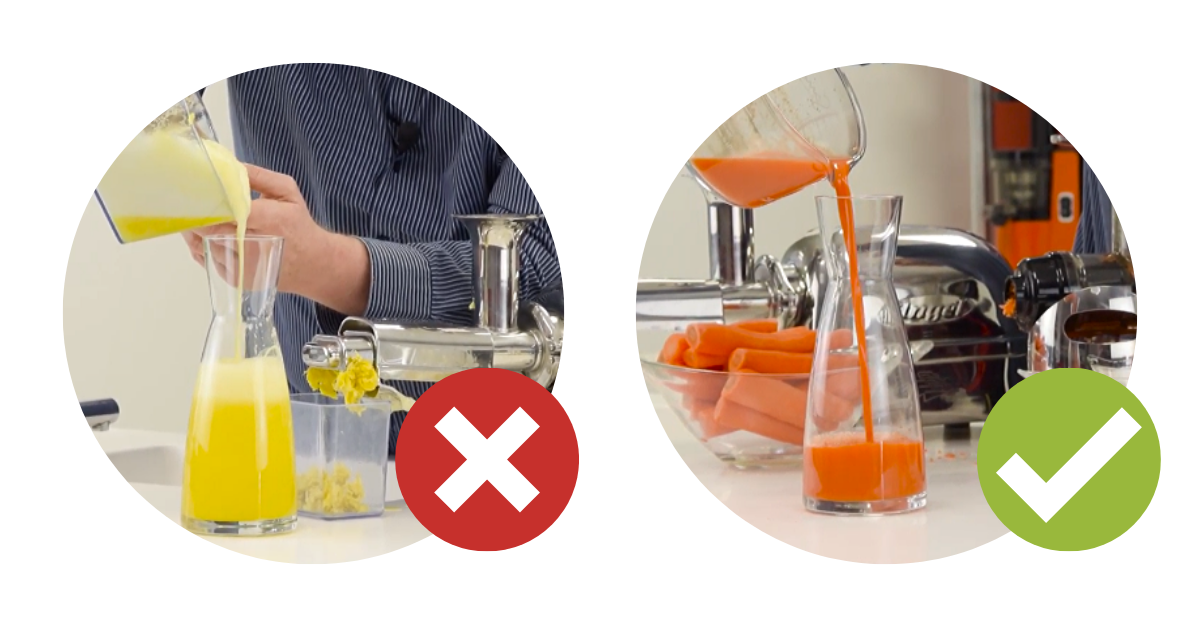
After juicing, pour juice through a fine mesh strainer or cheesecloth. This removes foam and pulp, leaving clear juice. Do this while juice is fresh, as foam settles quickly.
Non-obvious insight: Waiting to strain juice until after foam settles actually makes removal harder. Foam mixes with pulp and becomes sticky. Strain right away for best results.
Ingredients That Create More Or Less Foam
Not all fruits and vegetables are equal. Some produce more foam naturally, while others stay smooth.
High-foam Ingredients
- Apples: High in pectin and fiber.
- Carrots: Dense and fibrous.
- Pineapple: Juicy, with sticky sugars.
- Grapes: Thin skin traps air.
- Leafy greens: Surface area increases bubbles.
Low-foam Ingredients
- Cucumbers: High water content, soft fiber.
- Melons: Smooth texture, less fiber.
- Citrus fruits: Juice flows easily, less foam.
- Beets: Dense, but less air mixing.
Smart Ingredient Combinations
Mixing low-foam ingredients with high-foam ones can balance your juice. For example, blend cucumber with apple to reduce foam. This is a trick many experienced juicers use.
Practical tip: If you want apple juice, add a small amount of lemon. Lemon juice breaks down foam and stabilizes the mixture.
Additives And Natural Anti-foam Solutions
Some people use additives to prevent foam. While many are safe, it’s best to keep juice natural.
Lemon Juice
A splash of lemon juice in your juicer reduces foam. The acid breaks down bubbles and slows oxidation. For best results, add lemon at the start of juicing.
Ice Cubes
Adding a few ice cubes to the juicer or blender chills the juice and collapses bubbles. It also keeps the juice fresh longer.
Natural Oils
A drop of coconut oil or olive oil can break up foam, but use sparingly. Too much changes flavor and texture.
Commercial Anti-foam Agents
Some companies sell anti-foam drops for juicers. These are food-safe but not necessary for home use. Most natural solutions work just as well.
Non-obvious insight: Lemon juice not only reduces foam but also preserves vitamin C by slowing oxidation. This is why professional juice bars always add lemon or lime.
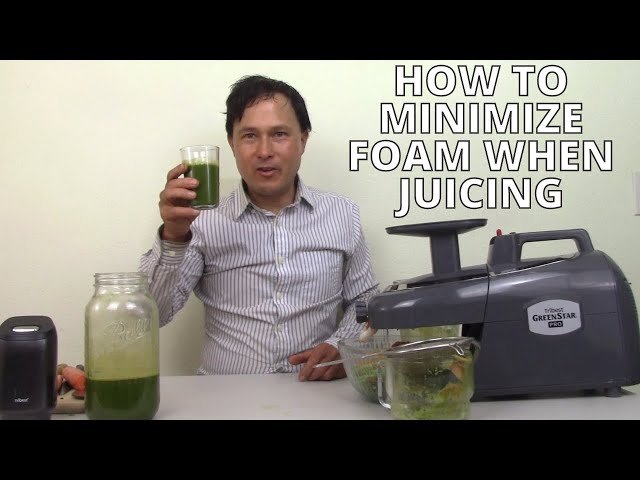
Credit: www.youtube.com
Removing Foam After Juicing
If foam appears despite your efforts, you can remove it easily.
Skimming Foam
Use a spoon or ladle to gently skim foam off the juice surface. Move slowly to avoid mixing foam back in.
Settling And Pouring
Let juice sit for 1–2 minutes. Foam rises to the top. Pour juice slowly, leaving foam behind. If needed, strain again.
Straining With Cheesecloth
Place cheesecloth over a jug and pour juice through. Cheesecloth traps foam and pulp, giving you clear juice.
Using A Foam Separator Jug
Some pitchers have a special spout that lets juice pour below the foam. If you juice often, consider buying one.
Cleaning And Maintenance For Foam-free Juicing
Clean equipment is key to reducing foam. Residue and pulp buildup cause uneven juice flow, increasing foam.
Regular Cleaning Steps
- Rinse juicer parts immediately after use.
- Use a soft brush to clean mesh filters.
- Remove pulp and fiber from blades.
- Dry parts fully before next use.
Deep Cleaning
Once a week, soak juicer parts in warm water with a bit of baking soda. This removes sticky residue and prevents buildup.
Maintenance Tips
- Check for worn or damaged filters.
- Replace mesh screens as needed.
- Lubricate moving parts if recommended by the manufacturer.
Practical tip: Many beginners forget to clean the spout. Sticky residue there traps air and causes foam even with clean blades.
Comparing Juicing Methods: Which One Makes The Least Foam?
Let’s look at three common juicing methods side by side:
| Method | Foam Level | Juice Clarity | Flavor Impact |
|---|---|---|---|
| Centrifugal Juicing | High | Cloudy | Slightly bitter, quick oxidation |
| Masticating Juicing | Low | Clear | Fresh, less oxidation |
| Blender Juicing | Medium to High | Thick, pulpy | Strong flavor, foamy top |
Straight-to-the-point insight: If you want the clearest, foam-free juice, choose a masticating juicer and strain juice immediately after making it.
Practical Tips For Foam-free Juicing At Home
Here are easy steps to follow every time you juice:
- Choose low-foam produce (cucumbers, citrus, melons).
- Chill ingredients before juicing.
- Feed produce slowly into the juicer.
- Alternate soft and hard items to balance juice flow.
- Add lemon juice to break down foam.
- Use a fine mesh strainer right after juicing.
- Skim foam with a spoon if needed.
- Clean equipment thoroughly after each use.
- Don’t overfill the juicer or blender.
- Pour juice slowly to avoid mixing foam back in.
Credit: www.eujuicers.com
Common Mistakes Beginners Make
Avoid these errors for better juice:
- Using warm or room-temperature produce (creates more foam)
- Overfilling the juicer (traps air)
- Skipping straining (foam settles and mixes)
- Forgetting to add lemon or citrus (misses easy foam prevention)
- Not cleaning juicer parts well (residue increases foam)
- Using only high-foam ingredients (apples, carrots, grapes)
Experience-based tip: Many people think foam is just from the juicer, but ingredient choice and preparation matter just as much.
How To Store Juice Without Foam
Storing juice correctly keeps it clear. Here’s how:
- Use airtight containers to prevent air mixing.
- Store in the fridge immediately after juicing.
- Add a splash of lemon juice for preservation.
- Don’t shake juice before pouring—this mixes foam.
- Pour slowly and leave foam behind.
Most juices stay fresh for 24–48 hours. Citrus and melon juices last longer, while apple and carrot juice oxidize quickly.
Credit: www.eujuicers.com
Advanced Tips For Professionals
If you run a juice bar or want perfect juice every time:
- Install a foam separator tap on your juicing machine.
- Use a vacuum blender to reduce air mixing.
- Experiment with enzyme treatments (like pectinase) to break down foam.
- Offer clear juice options to customers who dislike foam.
- Train staff to strain juice immediately and use proper pouring techniques.
For more technical information on juicing methods and foam prevention, visit the National Institutes of Health.
Frequently Asked Questions
What Causes Foam In Homemade Juice?
Foam is caused by air mixing with plant fibers during juicing. Fast-moving blades or spinning parts trap air and create bubbles, especially in fibrous produce like apples and carrots.
Is Foam In Juice Bad For Your Health?
No, foam is not harmful. It is just air and plant fibers. However, it can change the taste, texture, and appearance of juice.
How Can I Remove Foam After Juicing?
You can skim foam off with a spoon, strain juice through a mesh or cheesecloth, or let juice settle and pour slowly, leaving foam behind.
Which Juicer Makes The Least Foam?
Masticating (slow or cold-press) juicers make the least foam because they press juice gently and introduce less air.
Does Chilling Ingredients Really Reduce Foam?
Yes. Cold ingredients collapse air bubbles faster and make juice clearer. Always chill produce before juicing for best results.
Juicing is a simple way to enjoy fresh fruits and vegetables. By understanding why foam forms and using the right techniques, you can make every glass clear and delicious. Choose the best juicer for your needs, prepare ingredients carefully, and use practical tips to prevent foam.
With a little practice, you’ll enjoy professional-quality juice at home—smooth, tasty, and foam-free.