Vacuum sealers are a must-have for many kitchens and businesses. They keep food fresh, save money, and protect items from moisture and air. But, like any machine, a vacuum sealer needs care if you want it to last. With proper maintenance, your sealer can work smoothly for years, avoiding costly repairs or replacements.
If you have ever wondered how to get the most out of your vacuum sealer, this guide will show you the best ways to keep your device running strong.
Why Vacuum Sealer Maintenance Matters
A vacuum sealer works by removing air from a bag and sealing it shut. This process relies on several parts—vacuum pump, sealing bar, gaskets, and electronics. Over time, these parts can wear down or get dirty, causing poor seals or even machine breakdowns. Regular maintenance prevents problems, keeps your food safe, and saves you money in the long run.
A study by the Food Packaging Forum showed that well-maintained vacuum sealers reduced food waste by up to 40% compared to poorly maintained machines. For businesses, this can mean hundreds of dollars saved each year.
Daily And Weekly Cleaning Habits
Cleaning is the most basic—and often ignored—form of maintenance. Small bits of food, grease, or liquids can build up on your vacuum sealer, especially around the sealing area.
Daily Cleaning Steps
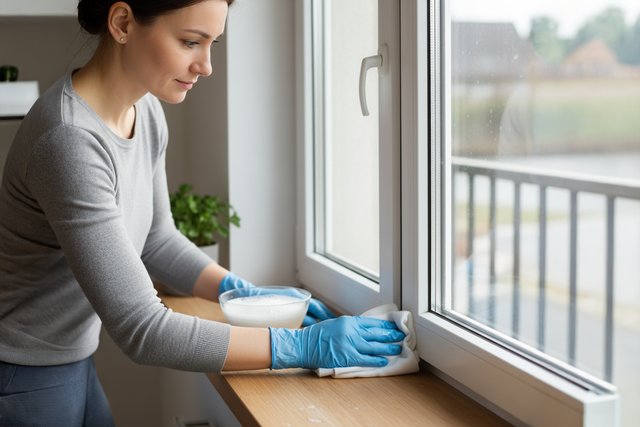
- Wipe the exterior: Use a damp cloth to clean the outside. Avoid harsh chemicals.
- Clean the sealing bar: Wait until the machine cools, then use a soft cloth to remove any residue.
- Check for crumbs: Look inside the vacuum chamber and remove any small bits.
Weekly Deep Cleaning
- Remove the removable drip tray and wash it with soap and water.
- Inspect the vacuum chamber for spills and sticky spots.
- Clean the gaskets gently with a damp cloth.
Make sure everything is dry before reassembling. Moisture can cause seals to fail and may damage electronics.
Checking And Replacing Gaskets
Gaskets are the soft, rubbery rings that help create a tight seal. If they crack or lose flexibility, your vacuum sealer will not remove air properly.
How To Check Gaskets
- Look for cracks, tears, or flattening.
- Press the gasket lightly. It should bounce back.
- Run your finger around the gasket to feel for rough spots.
If your sealer struggles to make a tight seal or if you see air bubbles in the bags, the gasket might be worn out.
Replacing Gaskets
Most home vacuum sealers have easy-to-replace gaskets. Check your user manual for the correct part and instructions. If you have a commercial model, it may require professional service.
A common mistake is ignoring gaskets until the sealer fails. Replacing them every 6–12 months, or sooner if you use your machine often, can prevent downtime.
Maintaining The Vacuum Pump
The vacuum pump is the heart of your sealer. It pulls air out of the bag, creating the vacuum.
Signs Of Pump Trouble
- Slower vacuuming
- Strange noises (whining, rattling)
- Poor suction
Pump Maintenance Tips
- For home models: Most pumps are sealed and require little maintenance.
- For commercial models: Some pumps need oil changes. Check the oil level monthly and change as recommended.
- Always keep the area around the pump clean and dry.
If you use your vacuum sealer for liquids, always use a liquid trap attachment. Liquid entering the pump can cause damage.
Keeping The Sealing Bar In Top Shape
The sealing bar heats up to melt the bag shut. Over time, it can wear out or get dirty.
How To Clean The Sealing Bar
- Wait for the bar to cool.
- Use a soft cloth to wipe away melted plastic or food.
- If residue is stubborn, use a gentle cleaner.
Replacing The Sealing Strip
The strip on the sealing bar can wear out after hundreds of uses. If you notice weak or uneven seals, replace the strip. Many brands sell replacement strips online.
Using The Right Bags And Materials
Using the wrong bags can cause leaks or damage your vacuum sealer.
What Bags Are Best?
- Use bags made for vacuum sealing. These are thicker and have special patterns for air removal.
- Avoid regular zip-top bags—they can melt or tear.
Here’s a quick comparison of bag types:
| Bag Type | Vacuum Sealer Compatibility | Durability | Cost |
|---|---|---|---|
| Vacuum Sealer Bags | High | Excellent | Moderate |
| Zip-Top Bags | Low | Poor | Low |
| Generic Plastic Bags | Variable | Fair | Low |
Using proper bags prevents leaks and keeps your sealer safe.

Credit: shastapoolsupply.com
Storing Your Vacuum Sealer
Where you keep your vacuum sealer affects its lifespan.
Storage Tips
- Keep in a dry, cool place.
- Avoid areas with high humidity or heat.
- Cover the machine with a cloth to keep dust away.
If you use your sealer infrequently, unplug it and store the cord safely.
Annual Maintenance Checklist
Once a year, give your vacuum sealer a full check-up.
- Inspect all seals and gaskets.
- Test the vacuum strength with a new bag.
- Clean or replace the sealing bar strip.
- For commercial models, check pump oil and replace if needed.
- Look for loose screws or damaged parts.
This yearly routine helps catch problems before they lead to expensive repairs.
Common Vacuum Sealer Mistakes
Many users unknowingly shorten their sealer’s life by making simple mistakes.
Mistake 1: Overfilling Bags
If you overfill a bag, food can spill into the sealing area, leading to weak seals and messes.
Mistake 2: Not Letting The Machine Cool Down
Most sealers need a short rest between uses. Continuous sealing overheats the bar and can damage internal parts.
Mistake 3: Using Wet Bags
Moisture on the bag’s sealing area can cause poor seals. Always dry the bag’s edge before sealing.
Mistake 4: Ignoring Error Lights
Modern sealers show warning lights for problems. Ignoring these can lead to breakdowns.
Troubleshooting Your Vacuum Sealer
If your sealer isn’t working well, try these solutions:
- Weak suction: Check for worn gaskets or clogged chamber.
- Poor seal: Clean the sealing bar, replace the strip, or check bag quality.
- Machine won’t start: Make sure the lid is closed fully, and check the power cord.
If problems persist, contact the manufacturer or a trusted technician.
Vacuum Sealer Maintenance Data Table
Here’s a summary of maintenance tasks and recommended frequency:
| Maintenance Task | Frequency | Notes |
|---|---|---|
| Exterior Cleaning | Daily | Use damp cloth |
| Sealing Bar Cleaning | Daily | Wait for cooling |
| Gasket Check | Weekly | Replace if worn |
| Pump Oil Change (Commercial) | Yearly | Follow manual |
| Sealing Strip Replacement | As needed | Look for weak seals |
| Full Inspection | Yearly | Check all parts |
Practical Tips For Extending Vacuum Sealer Life
- Use the correct bags every time.
- Clean after every use, not just when you see dirt.
- Replace gaskets before you notice problems.
- Follow manufacturer instructions for oil changes and part replacements.
- Allow the sealer to cool between uses.
- Store the sealer away from moisture and heat.
One non-obvious insight: even small amounts of liquid in the chamber can cause corrosion over time. Always dry the chamber after sealing wet foods.
Another tip: use a surge protector. Power spikes can damage the electronics in your vacuum sealer, especially in areas with unstable electricity.
Credit: www.fiveseasonswindows.com
Comparing Home And Commercial Vacuum Sealers
Not all vacuum sealers are the same. Let’s look at how maintenance needs differ.
| Feature | Home Sealer | Commercial Sealer |
|---|---|---|
| Maintenance Level | Low | High |
| Pump Type | Sealed | Oil-filled |
| Gasket Replacement | Easy | May require technician |
| Sealing Bar Strip | User-replaceable | Often user-replaceable |
| Cleaning | Simple | More thorough |
For commercial models, always consult your manual or manufacturer for service intervals.
When To Call A Professional
Some issues are too complex for home repair. If you notice burning smells, sparks, or complete breakdowns, call a professional. Trying to fix electrical or pump problems yourself can be dangerous and may void your warranty.
For rare brands or older models, finding replacement parts might be difficult. Reach out to the manufacturer or trusted parts suppliers for help.

Credit: sealbeachauto.com
Trusted Resources For Vacuum Sealer Care
For more information, see the US Department of Agriculture’s food safety guidelines. This site offers expert advice on keeping food safe with vacuum sealers and maintaining your machine.
Frequently Asked Questions
How Often Should I Clean My Vacuum Sealer?
You should clean your vacuum sealer after every use. Wipe the exterior and sealing bar daily, and do a deeper clean weekly. Regular cleaning prevents buildup and keeps seals strong.
Can I Use Any Plastic Bag With My Vacuum Sealer?
No, you must use vacuum sealer-specific bags. Regular bags can melt, tear, or fail to seal. The right bags ensure safe food storage and protect your machine.
What Is The Most Common Maintenance Mistake?
Most users forget to check the gaskets. Ignoring worn or cracked gaskets can lead to weak seals and wasted food. Inspect them weekly and replace as needed.
How Do I Know If My Vacuum Pump Needs Service?
If your sealer is slow to vacuum or makes strange noises, the pump may need attention. For commercial models, check oil levels and consult the manual. Home models usually require less pump maintenance.
Is It Safe To Repair A Vacuum Sealer Myself?
Simple repairs, like replacing gaskets or sealing strips, are safe for most users. For electrical issues or pump problems, always call a professional. This protects you and keeps your warranty valid.
Taking care of your vacuum sealer is easy with the right habits. Clean regularly, use proper bags, and replace parts before they fail. These simple steps will help your machine last longer and keep your food safe. With a bit of attention, your vacuum sealer can be a reliable kitchen partner for years.