Are All Glass Jars Food Safe?
Glass jars are everywhere—on grocery shelves, in kitchens, and even in craft rooms. People use them for storing food, making jams, fermenting vegetables, and much more. But are all glass jars food safe? This question matters, especially for anyone who wants to keep their food fresh and healthy. Many assume glass is always safe because it looks clean and doesn’t react with most foods. But the truth is more complex. Not every glass jar is made for food storage, and some can pose risks.
Let’s explore how to tell if a glass jar is really food safe, what to look for, and common mistakes people make.
What Does “food Safe” Mean?
A product is food safe if it won’t contaminate food or drink with harmful chemicals, bacteria, or particles. Food safety standards are set by organizations like the FDA in the US. For glass jars, being food safe means the glass, lid, and sealing materials are free of toxins like lead, cadmium, or unsafe plastics.
Food-safe glass jars:
- Don’t leach chemicals into food
- Can handle temperature changes (like boiling or freezing)
- Don’t crack easily under normal use
- Are made with clean, controlled materials
Many jars are safe, but some—especially those not designed for food—may break these rules.
Types Of Glass Jars: Which Are Food Safe?
Not all glass jars are created equal. Let’s compare three common types you might find.
| Type | Main Use | Food Safe? | Key Features |
|---|---|---|---|
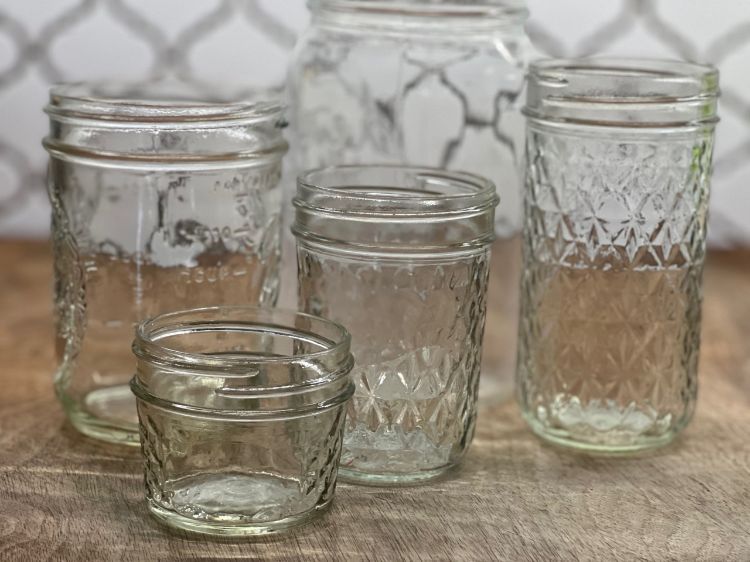
| Mason Jars | Canning, storage | Yes | Thick glass, screw lids, FDA approved |
| Recycled Jars | Decor, crafts | Maybe | Varied quality, unknown glass type |
| Specialty Jars | Non-food (candles, cosmetics) | No | Thin glass, untested for food |
Mason Jars
Mason jars are designed for food. They are thick, strong, and can handle heat. Most are stamped “food safe” or have marks like Ball or Kerr.
Recycled Jars
People often reuse jars from pasta sauce, pickles, or other foods. While these jars started as food safe, reusing them can pose risks. The lids may not seal well, or the glass may be thin and crack with heat.
Specialty Jars
Glass jars made for candles, cosmetics, or crafts are not always food safe. They might contain lead or be made from recycled glass with unknown quality. These jars are not tested for food contact.
How To Identify Food Safe Glass Jars
Knowing if a jar is food safe is not always easy. Here are some reliable ways to check.
- Check for Certification
- Look for symbols like a fork and glass icon, “FDA approved,” or “food safe” stamp.
- Inspect the Lid
- Food-safe jars have metal lids with a plastisol liner (a soft plastic ring) that seals tightly.
- Look at the Glass
- Thick, clear glass is usually safer than colored or frosted glass. Avoid jars with cloudy or painted surfaces.
- Research the Brand
- Brands like Ball, Kerr, and Weck are trusted for food storage.
- Ask the Manufacturer
- If unsure, contact the company or check their website.
A common mistake is assuming all glass is food safe if it looks clean. But some jars, especially imported or vintage ones, may contain lead or other toxins.
Common Risks And Mistakes
Lead And Heavy Metals
Older jars and some imported jars can contain lead or cadmium. These metals can leach into food, especially acidic foods like tomatoes or pickles.
Temperature Shock
Not all jars can handle rapid temperature changes. Putting a thin jar in boiling water or the freezer can cause it to crack or shatter.
Lid Safety
The lid is as important as the glass. Low-quality lids can rust, leak, or fail to seal. If the lid is painted or has an unknown liner, it may not be food safe.
Reusing Jars
Many people reuse jars from store-bought foods. While this is eco-friendly, repeated use can cause the glass to weaken or the seal to fail.
Here’s a quick comparison of common risks:
| Risk | Effect | How to Prevent |
|---|---|---|
| Lead content | Toxin leaching | Buy from trusted brands |
| Thin glass | Cracking, shattering | Use thick, tested jars |
| Bad lids | Food spoilage | Use proper canning lids |

Credit: www.reddit.com
Food Safe Standards Around The World
Different countries have their own rules for food-safe materials.
- USA: FDA regulates food contact materials. Glass must be free of toxins and tested for durability.
- EU: European standards also require glass to pass tests for migration of chemicals.
- Asia: Rules vary. Some countries have strong standards, others less strict.
If you buy jars online or from unknown sources, always check if they meet your country’s standards.
Real-life Examples
Homemade Jam
If you use a Mason jar to store homemade jam, it must handle boiling water for sterilization. Mason jars are made for this. Using a recycled pickle jar could result in a cracked jar or a lid that doesn’t seal.
Fermenting Vegetables
Fermenting creates acid, which can pull chemicals from the glass or lid. Only jars marked “food safe” should be used. Some vintage jars look beautiful but may contain lead in the glass or lid.
Storing Dry Goods
For beans, rice, or pasta, glass jars are great. But avoid jars with rubber seals that smell or discolor, as these may not be food grade.
How To Choose Food Safe Glass Jars
When shopping for glass jars, keep these tips in mind:
- Buy from trusted brands. Look for Ball, Kerr, Weck, or other brands known for food storage.
- Avoid colored or painted jars. These may contain unsafe dyes or metals.
- Check for food safety stamps. Look for “FDA approved” or a fork and glass symbol.
- Inspect the lid. Choose jars with metal lids and soft liners, not plastic or painted lids.
- Consider thickness and shape. Thick glass is safer for heat and impact. Wide-mouth jars are easier to clean.
Some people overlook the lid quality. Even if the jar is safe, a poor lid can spoil food.
Can You Use Any Glass Jar For Canning?
Canning requires jars that can handle high temperatures and form a strong seal. Not all jars meet these needs.
| Jar Type | Canning Use | Durability | Seal Quality |
|---|---|---|---|
| Mason Jar | Yes | High | Excellent |
| Recycled Food Jar | No | Low | Poor |
| Specialty Jar | No | Unknown | Not tested |
A non-obvious tip: Some jars may look strong but are made for single use. For example, pasta sauce jars are usually thinner and not designed for pressure canning.
What About Vintage And Imported Jars?
Vintage glass jars can be charming, but they may not be food safe. Many old jars (especially colored or decorated ones) contain lead or other toxins. Imported jars may not meet US or EU standards.
If you want to use vintage jars:
- Test for lead using a home kit (available online)
- Avoid using them for acidic foods
- Use them for dry goods only
You may also like: Can You Freeze Baby Food in Glass Jars
Practical Tips For Safe Use
- Sterilize before use: Always wash and sterilize jars before storing food.
- Check for chips or cracks: Damaged jars can trap bacteria.
- Use proper lids: Replace lids often, especially after canning.
- Store jars safely: Avoid stacking heavy jars, which can crack the glass.
- Avoid extreme temperature changes: Let jars come to room temperature before moving from fridge to heat.
Many people forget to check the gasket or liner inside the lid. If it smells or is sticky, replace it.

Credit: www.patchtopantry.com
Environmental And Health Benefits Of Glass Jars
Glass jars are popular because they are:
- Non-reactive: They don’t change food taste or quality.
- Reusable: They last for years if handled well.
- Eco-friendly: Glass can be recycled many times.
But only food-safe jars provide these benefits without risk.
When To Avoid Glass Jars
Glass jars are not perfect for every use. Avoid them for:
- Storing very hot liquids in thin jars
- Freezing liquids (unless jar is labeled freezer safe)
- Using jars with damaged lids
If you’re unsure, it’s better to use a tested, new jar.
Credit: www.canr.msu.edu
Frequently Asked Questions
Are Colored Glass Jars Food Safe?
Not always. Some colored jars contain lead or unsafe dyes. Only use colored jars marked as food safe.
Can I Reuse Store-bought Food Jars For Canning?
It’s risky. Most store jars are not made for high temperatures. They can crack or fail to seal properly.
How Can I Test If A Vintage Jar Is Safe?
Use a home lead test kit. If the jar tests positive, don’t use it for food. Also, check for chips and cracks.
Is It Safe To Freeze Food In Glass Jars?
Only jars labeled freezer safe should be used. Thin jars can crack with expanding frozen food.
What Should I Do If A Jar Is Not Labeled “food Safe”?
Don’t use it for food. It’s better to choose jars with clear food safety markings and trusted brands.
Choosing the right glass jar for food is not just about looks or price. It’s about safety, health, and peace of mind. If you follow these guidelines, you’ll enjoy the benefits of glass jars without any risk. Always remember: when in doubt, check the label and buy from trusted sources.