Many kitchens today include a countertop oven. These compact ovens are popular for their convenience, speed, and ability to handle a wide variety of cooking tasks. But with their rise in popularity, one important question remains for many people: Are countertop ovens safe? If you’re thinking about buying one or already own one, understanding the safety aspects is essential. This article explores everything you need to know about the safety of countertop ovens—how they work, what risks exist, how to use them properly, and how they compare with other appliances.
What Is A Countertop Oven?
A countertop oven is a small electric oven designed to sit on your kitchen counter. It can bake, broil, toast, roast, and even air fry, depending on the model. Countertop ovens are sometimes called toaster ovens, but not all are the same. Some have advanced features like convection fans, smart sensors, or even steam settings.
These ovens are loved for their flexibility. They heat up quickly, use less energy than a full-size oven, and can often do the job of several different appliances. You’ll find them in small apartments, dorm rooms, and even as a second oven in busy family kitchens.
How Countertop Ovens Work
Countertop ovens use electric heating elements—usually two, one at the top and one at the bottom. When turned on, these elements generate heat, which cooks the food inside. Some ovens have a convection fan that circulates hot air for more even cooking.
Most ovens have temperature controls, timers, and sometimes preset cooking functions. The walls are insulated to keep heat inside, but the glass door allows you to check your food without opening it.
Common Safety Concerns
Many people worry about the safety of using a countertop oven. Here are the most frequent concerns:
- Fire hazards from overheating or electrical faults
- Burn risks from touching hot surfaces or food
- Electrical safety due to power cord issues or using the wrong outlet
- Food safety such as undercooking or cross-contamination
- Location hazards like placing the oven too close to walls or flammable materials
Let’s examine each of these in detail.
Fire Hazards: How Real Are They?
A major worry with any cooking appliance is the risk of fire. According to the National Fire Protection Association, cooking equipment is the leading cause of home fires and fire injuries in the United States. However, most of these fires involve stovetops, not countertop ovens.
Countertop ovens are generally safe when used correctly. The risk increases if the oven is:
- Placed too close to curtains, paper towels, or other flammable items
- Left unattended while in use
- Used with damaged cords or plugs
- Overloaded with greasy or oily foods, which can splatter and ignite
Real-world Data
A study from the U.S. Consumer Product Safety Commission found that countertop ovens account for less than 2% of kitchen appliance fires. The main causes were user error (like leaving food unattended) and mechanical failures.
How To Reduce Fire Risk
- Always keep the oven away from flammable objects.
- Do not leave the oven running when you leave the room.
- Clean the oven regularly to remove grease and crumbs.
- Inspect cords and plugs for damage before use.
- Do not use extension cords; plug the oven directly into the wall.
Burn Risks: Hot Surfaces And Food
Countertop ovens get very hot, both inside and on the outside. The glass door, metal body, and racks can all cause burns if touched during or right after use.
Children are especially at risk because the oven is at counter height. Hot food and baking pans can also cause burns when removed from the oven.
Tips To Prevent Burns
- Use oven mitts when handling food or trays.
- Allow the oven to cool before cleaning.
- Teach children to stay away from the oven when it’s on.
- Place the oven in a spot where it won’t be bumped or touched accidentally.
Electrical Safety: Power And Placement
Because countertop ovens use a lot of electricity, you must be careful with how you plug them in and where you use them.
Common Mistakes
- Using an extension cord that can overheat
- Plugging the oven into an overloaded power strip
- Placing the oven near water sources (like a sink)
- Not checking for frayed or damaged cords
Safe Practices
- Plug the oven directly into a dedicated outlet.
- Make sure your home wiring can handle the oven’s wattage (usually 1200-1800W).
- Keep the power cord away from hot surfaces.
- If the cord is damaged, do not use the oven until it is fixed.
Food Safety: Cooking And Cross-contamination
A countertop oven can cook almost anything, but you need to make sure food is cooked thoroughly. Undercooked meat, poultry, and eggs can cause foodborne illness.
Some ovens heat unevenly, especially if they are overloaded or food is placed too close to the glass. Always follow recipe instructions for temperature and cooking time.
How To Check For Doneness
- Use a food thermometer to check meat and poultry.
- Stir or turn food halfway through cooking for even results.
- Do not overload the oven—air must circulate around food.
Avoiding Cross-contamination
- Wash hands and utensils after handling raw food.
- Clean the oven tray and racks after each use.
- Store cooked and raw foods separately.
Location Hazards: Placement Matters
Where you put your countertop oven can make a big difference in safety. The oven should be on a stable, flat surface with space around it for ventilation.
Bad Placement Examples
- Near the edge of the counter, where it can be bumped or pulled down
- Under cabinets with little space above, trapping heat
- Next to curtains, towels, or paper products
- On top of an unstable cart or shelf
Proper Placement
- Leave at least 4 inches on all sides for airflow.
- Put the oven on a heat-resistant surface.
- Do not place anything on top of the oven during use.
Comparing Countertop Ovens To Other Appliances
How do countertop ovens compare with other common kitchen appliances in terms of safety? Here’s a side-by-side look:
| Appliance | Fire Risk | Burn Risk | Electrical Risk | Food Safety |
|---|---|---|---|---|
| Countertop Oven | Low (with care) | High (hot surfaces) | Medium | Depends on use |
| Microwave Oven | Very low | Low | Low | Depends on use |
| Toaster | Medium | Medium | Medium | Not for raw meat |
| Stovetop | High | High | Low | Depends on use |
| Full-Size Oven | Medium | High | Medium | Depends on use |
Countertop ovens are generally safer than stovetops but require more attention than microwaves.
Key Safety Features To Look For
When choosing a countertop oven, certain features can make a big difference in safety.
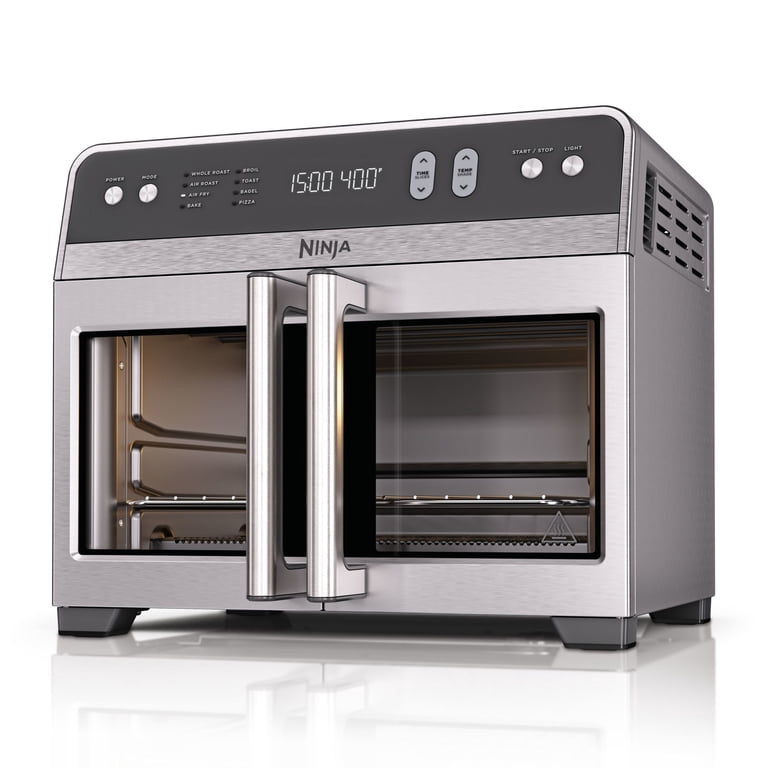
- Auto shut-off: Turns the oven off after a set time, reducing the risk of overheating or fire.
- Cool-touch exterior: Keeps the outside of the oven cooler, lowering burn risk.
- Non-slip feet: Prevents the oven from sliding or tipping.
- Overheat protection: Shuts down the oven if it gets too hot.
- Child lock: Makes it harder for kids to turn the oven on.
Some newer models also include digital controls that are easier to use and less likely to be bumped by accident.
Credit: www.walmart.com
User Habits That Affect Safety
No matter how many safety features an oven has, user behavior is still the most important factor. Here are some common habits that can make a countertop oven less safe:
- Leaving the oven unattended for long periods
- Not reading the user manual
- Ignoring manufacturer warnings about placement and use
- Using non-oven-safe cookware (like plastic)
- Trying to cook large meals in a small oven, causing overcrowding
Making a habit of reading instructions and using proper cookware goes a long way toward preventing accidents.
How To Clean And Maintain Your Countertop Oven Safely
Proper cleaning and maintenance help prevent fires and keep your oven working well. Here’s how to do it safely:
- Unplug the oven and let it cool completely before cleaning.
- Wipe the inside with a damp cloth to remove crumbs and grease.
- Remove and wash racks, trays, and crumb catchers.
- Never use harsh chemicals or steel wool, which can damage surfaces.
- Check the power cord and plug for signs of wear.
Regular cleaning also prevents bad smells and smoke during use.
Real-world Examples Of Countertop Oven Accidents
Sometimes, learning from others’ mistakes can help us stay safe. Here are a few examples from real life:
- A family left bread to toast and forgot to set a timer. The bread burned, filling the kitchen with smoke but not causing a fire. Lesson: Always use the timer.
- Someone placed their oven under a low cabinet. The heat scorched the cabinet over time, causing discoloration and a burning smell. Lesson: Leave space above the oven.
- A user tried to cook frozen fries in a plastic container. The container melted, creating a mess and a bad smell. Lesson: Only use oven-safe cookware.
What Beginners Usually Miss
Many new users overlook these important details:
- Ventilation needs: A countertop oven needs space for hot air to escape. Don’t block vents or place the oven in a tight corner.
- Surface stability: The oven must sit flat and steady. Even a small wobble can lead to spills, burns, or the oven falling.
Both of these factors can prevent common accidents that are not obvious from just reading the manual.
Countertop Oven Safety For Families With Children
If you have kids in the house, extra care is needed. Children are curious and may not understand the risks. Here’s how to make your kitchen safer:
- Place the oven out of reach or in a spot where it’s not easily visible.
- Use models with child safety locks.
- Teach children early about hot surfaces and not touching the oven.
- Never leave a child alone in the kitchen when the oven is on.
Are Countertop Ovens Safe For Seniors?
Seniors may have slower reflexes or weaker grip strength, making certain accidents more likely. However, countertop ovens can still be safe if:
- The oven has large, easy-to-read controls and displays.
- The door opens smoothly and stays open when needed.
- The oven is not too heavy to move or clean.
- The location allows for easy access without bending or stretching.
Some seniors may benefit from models with voice controls or smart features, which can add convenience and safety.
The Role Of Certifications And Standards
Look for UL, ETL, or CSA safety marks on your oven. These show the oven meets independent safety standards. In the U.S., the Underwriters Laboratories (UL) certification is common. It means the oven has passed tests for electrical safety, fire risk, and durability.
If your oven does not have a safety mark, it may not be built to accepted standards. It’s better to choose a certified model, even if it costs a little more.
What To Do If Something Goes Wrong
If your countertop oven smokes, sparks, or smells odd:
- Turn off and unplug the oven immediately.
- Open windows to let smoke out.
- Do not use water on an electrical fire—use a fire extinguisher rated for electrical fires.
- Check for food or grease buildup that may have caused the smoke.
- If the oven is damaged, do not use it until checked by a professional.
If someone is burned, cool the area with cold water and seek medical help if needed.
Environmental Impact And Safety
Countertop ovens are more energy-efficient than large ovens for small meals. This can help reduce your energy bill and carbon footprint. However, improper disposal of old ovens can cause environmental harm. Always recycle or dispose of appliances according to local rules.
Myths And Misunderstandings About Countertop Oven Safety
Several myths persist about these ovens:
- “They are too dangerous for small spaces.” In fact, they can be safer than stovetops if used correctly.
- “Microwaves are always safer.” While microwaves have fewer burn risks, they can cause fires if metal or foil is used by mistake.
- “All models are the same.” Some have many more safety features than others, so choosing carefully is important.
How To Choose A Safe Countertop Oven
When shopping for a new oven, keep these safety factors in mind:
| Feature | Why It Matters | What to Look For |
|---|---|---|
| Size and Weight | Prevents tipping and fits your space | Stable base, not too heavy for you |
| Controls | Reduces mistakes and burns | Clear, easy-to-read buttons or dials |
| Exterior Temperature | Lowers burn risk | Cool-touch materials, double-glazed doors |
| Auto Shut-Off | Prevents overheating | Built-in timer with shut-off |
| Cleaning Ease | Keeps oven safe and working well | Removable crumb tray, non-stick interior |
| Certifications | Assures safety standards | UL, ETL, or CSA mark |
It’s wise to read user reviews and ask questions if you have special needs or safety concerns.
When Should You Replace Your Countertop Oven?
Like any appliance, countertop ovens do not last forever. Replace your oven if:
- The power cord is damaged or fraying
- The door does not close properly
- There are repeated problems with overheating or burning smells
- The timer or temperature controls stop working
- The oven has visible cracks or loose parts
An old or malfunctioning oven is not safe to use. Don’t risk it—replace it with a new, certified model.
Final Thoughts: Are Countertop Ovens Safe?
In most cases, countertop ovens are safe—if you use them as intended and follow basic precautions. They are designed with safety in mind, and newer models include more features than ever to protect users. Most accidents happen due to misuse, poor placement, or neglecting simple maintenance.
Pay attention to where you put your oven, how you use it, and what features are included. With the right habits and a little common sense, a countertop oven can be a reliable and safe part of your kitchen.
If you want to dig deeper into appliance safety, visit the U.S. Consumer Product Safety Commission for up-to-date guides and recalls.
Frequently Asked Questions
Is It Safe To Leave A Countertop Oven Plugged In All The Time?
Yes, it is generally safe to leave your oven plugged in if it’s turned off and in good condition. However, unplugging the oven when not in use can reduce the risk of electrical fires, especially if you leave home for long periods.
Can Countertop Ovens Cause Cancer Because Of Radiation?
No, countertop ovens do not produce harmful radiation. They use electric heating elements, not microwaves or radioactive materials, so there is no cancer risk from normal use.
Are Countertop Ovens Safer Than Microwaves?
Both appliances are safe when used as directed. Countertop ovens can get much hotter on the outside, increasing burn risk, but microwaves have their own safety rules, such as never using metal inside.
What Can I Do If My Countertop Oven Starts To Smoke?
Turn off and unplug the oven right away. Let it cool, then check for leftover food or grease. Clean the interior before using the oven again. If you see sparks or smell burning plastic, stop using the oven and have it checked by a professional.
How Long Do Countertop Ovens Usually Last?
With regular cleaning and care, a good countertop oven can last 5 to 10 years. Replace your oven if you notice any safety issues, broken parts, or if it no longer works as expected.

Credit: www.amazon.com