If you’ve ever pulled a batch of muffins from the oven only to find flat, sad tops, you’ve probably wondered: are cupcake pans and muffin pans the same? It’s a fair question. They look nearly identical on the shelf.
But the answer matters more than most home bakers realize.
Manufacturer specifications show that standard cupcake pans hold about 1/3 cup of batter per well. Standard muffin pans hold closer to 1/2 cup. That small difference changes everything about how your baked goods turn out.
Let’s start with the quick answer, then dig into the details.
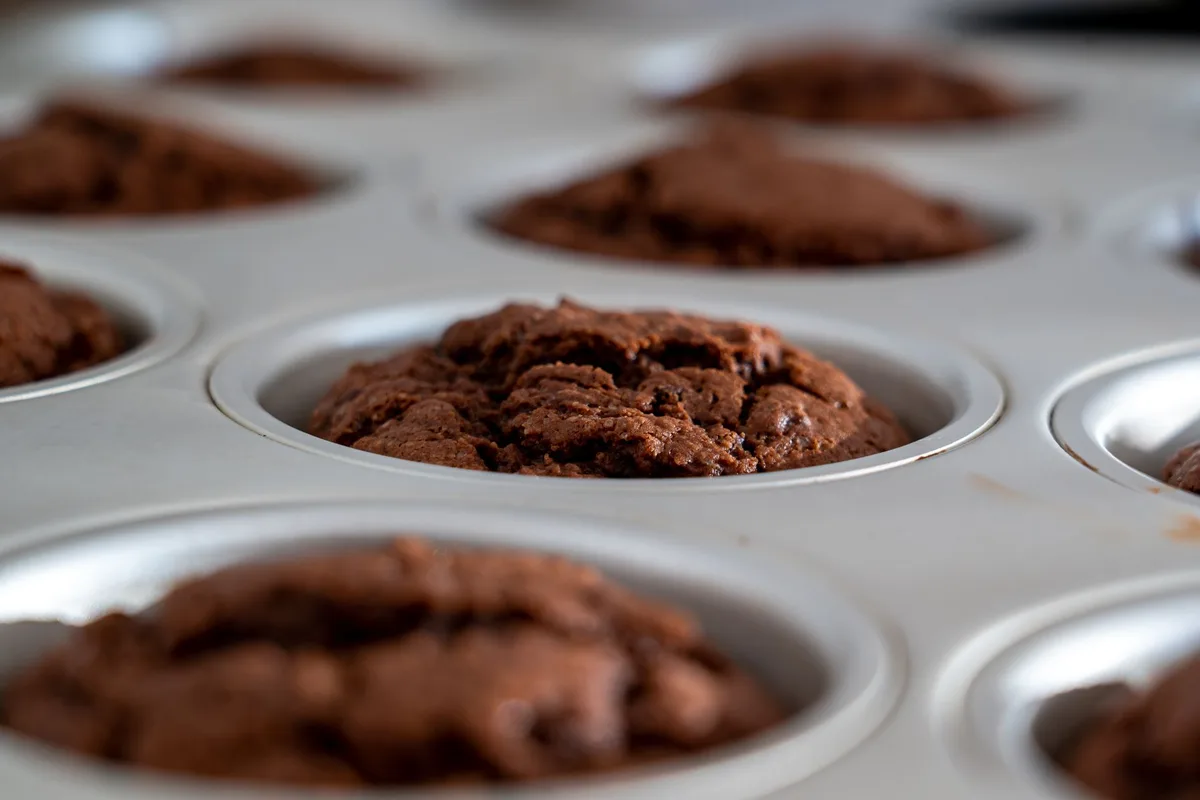
Image source: Pexels / Castorly Stock (Pexels License)
Quick Answer
No, they are not the same. Cupcake pans and muffin pans differ in well depth and capacity. Cupcake pans have shallower wells for delicate, even baking.
Muffin pans are deeper for taller, domed results. Using the wrong pan changes your recipe’s texture and appearance.
Why This Comparison Matters (Even for Experienced Bakers)
The difference between these pans is not just about marketing. It is about physics. A cupcake pan’s shallow wells mean less batter per cup.
That gives you a flat top that is perfect for frosting. A muffin pan’s deep wells let batter rise higher. That creates the classic domed top.
Here is where it gets practical. If you use a muffin pan for cupcake batter, your cupcakes come out tall and narrow. The edges might brown before the center is done.
If you use a cupcake pan for muffin batter, you get overflow. The batter spills over the edges and your muffins end up flat and wide.
This is why understanding the difference matters. It saves you from ruined batches. It saves you from guessing bake times.
And it helps you choose the right tool for the job. For more help with kitchen equipment, check out our guide to understanding different types of pans.
The Core Difference: Depth, Capacity, and How It Affects Your Bake
The most obvious difference is hidden in plain sight. The wells of a muffin pan are deeper. Standard cupcake pans have wells about 1 to 1.5 inches deep.
Standard muffin pans go to about 1.5 to 2 inches.
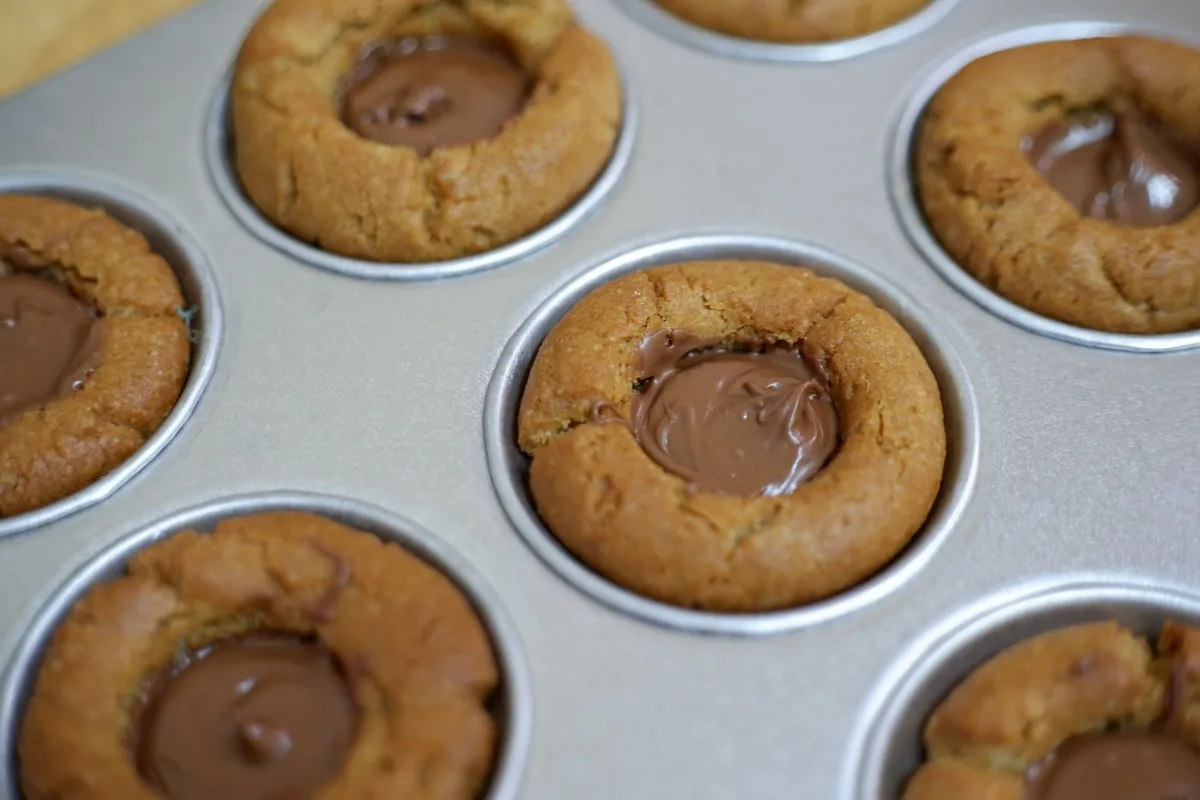
Image source: Pexels / Hershe Girl Go (Pexels License)
That extra depth changes everything. It means you can fill muffin wells with more batter. More batter means more rise.
More rise means that classic domed top.
For cupcake pans, the shallow wells limit how much batter you can add. Fill them too much and the batter spills over. Fill them correctly and you get a flat top, ready for frosting.
Here is a quick look at the numbers:
| Aspect | Cupcake Pan | Muffin Pan |
|---|---|---|
| Well depth | 1 to 1.5 inches | 1.5 to 2 inches |
| Typical capacity | 1/3 cup | 1/2 cup |
| Recommended fill | 1/2 to 2/3 full | 2/3 to 3/4 full |
| Bake time at 350°F | 12 to 15 minutes | 18 to 22 minutes |
| Typical top shape | Flat, even | Domed, tall |
Features & What to Look For
Material
The material affects how your baked goods cook. Aluminum pans heat up quickly and evenly. They are the standard choice for most home bakers.
Carbon steel pans are heavier and hold heat longer. They can create a crispier crust but take longer to preheat.
Silicone pans are flexible and nonstick by nature. They are easy to release and clean. But they do not conduct heat as well.
You often get softer, paler bottoms.
Coatings and Durability
Nonstick coatings make cleanup easy. But they wear out over time. Scratches and chips mean it is time to replace the pan.
Uncoated pans need greasing or liners. They last longer if you care for them properly.
Pan Size
Standard pans have 12 wells. Mini pans have 24 wells. Jumbo pans have 6 wells.
The size you need depends on what you are baking. Mini pans are great for parties and portion control. Jumbo pans are perfect for large bakery-style muffins.
Comparison Table: Cupcake Pan vs. Muffin Pan Side-by-Side
Here is a full side-by-side comparison of the two pan types. Use this as a reference when you are deciding which pan to use for a recipe.
| Attribute | Cupcake Pan | Muffin Pan |
|---|---|---|
| Well depth | 1 to 1.5 inches | 1.5 to 2 inches |
| Capacity per well | 1/3 cup (2.7 oz) | 1/2 cup (4 oz) |
| Standard fill level | 1/2 to 2/3 full | 2/3 to 3/4 full |
| Typical bake time at 350°F | 12 to 15 minutes | 18 to 22 minutes |
| Liner fit | Standard liners fit snugly | Standard liners may sag |
| Final top shape | Flat, even for frosting | Domed, tall |
| Best for | Cupcakes, mini cakes, small quick breads | Muffins, popovers, jumbo baked goods |
The table shows that the differences are small but significant. The key takeaway is that depth and capacity drive everything else.
Best Use Cases: Which Pan for Which Recipe?
When to Use a Cupcake Pan
Use a cupcake pan when you want a flat, even surface for frosting. Cupcake recipes have thinner batters that bake up tender. The shallow well prevents overbrowning.
Use it for birthday cupcakes, mini cakes, and small quick breads.
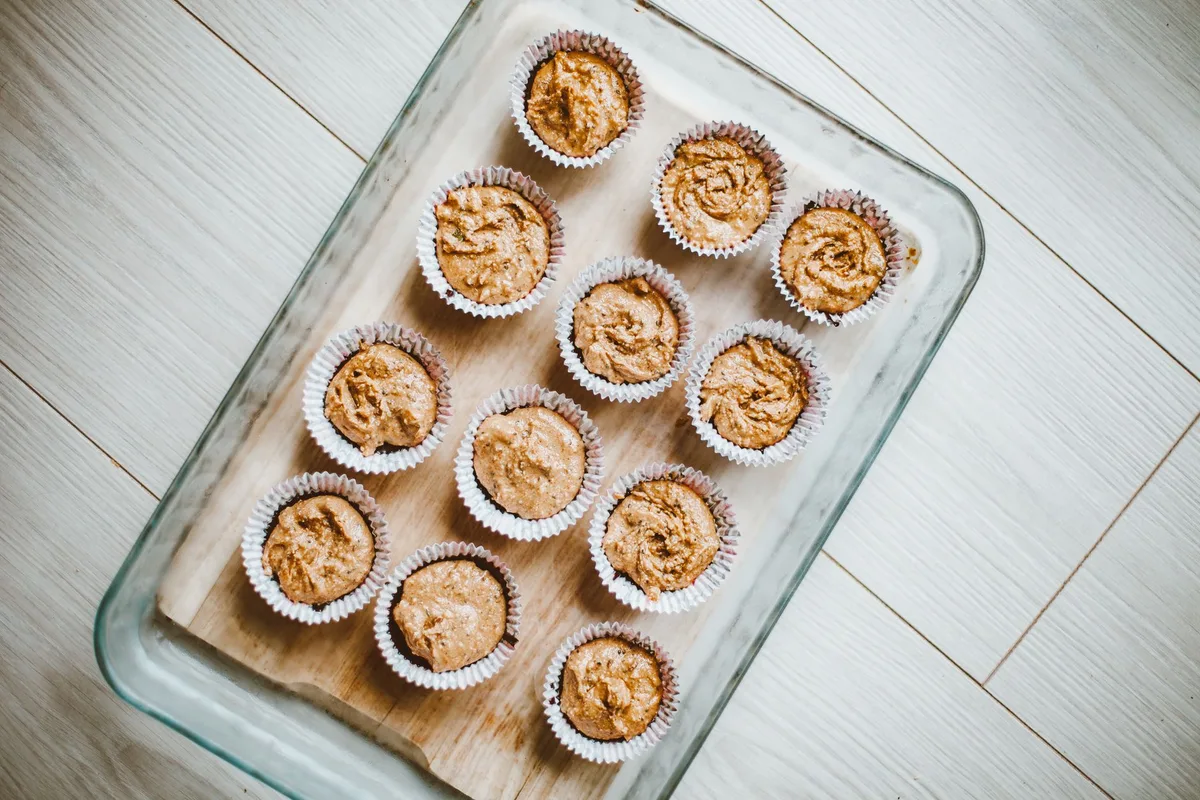
Image source: Pexels / ROMAN ODINTSOV (Pexels License)
When to Use a Muffin Pan
Use a muffin pan when you want a tall, domed top. Muffin recipes have thicker batters that need room to rise. The deep well supports that rise.
Use it for breakfast muffins, cornbread muffins, and popovers.
When You Can Get Away with Either
You can use either pan if you adjust your fill level and bake time. For a muffin recipe in a cupcake pan, fill only halfway. Check for doneness 5 minutes early.
For a cupcake recipe in a muffin pan, fill to the top. Expect a longer bake time.
Common Mistakes to Avoid
Overfilling the Wrong Pan
The most common mistake is filling a cupcake pan like a muffin pan. The batter overflows and you get a mess. The second most common mistake is underfilling a muffin pan.
You get flat, sad tops.
Using the Wrong Bake Time
Cupcake pans bake faster. Check them at 12 minutes. Muffin pans take longer.
Check them at 18 minutes. Set a timer and use the toothpick test.
Liner Problems
Standard liners fit snugly in cupcake pans. In muffin pans, they can sag or fold. This can cause the batter to bulge.
Getting the right liner fit matters for your bake. If you need help choosing liners, we have a guide on using the right liner for your bake.
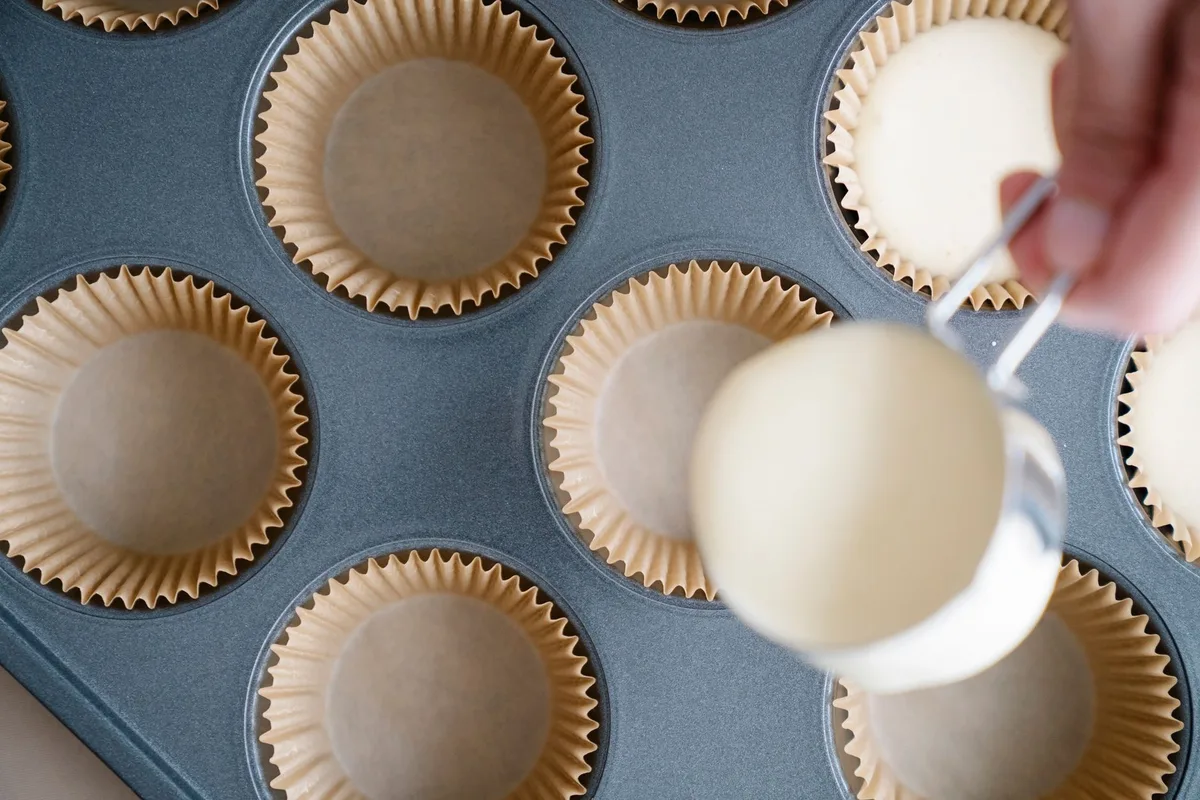
Image source: Pexels / Felicity Tai (Pexels License)
Pro Tips for Getting Great Results with Whatever Pan You Have
Adjusting Fill Levels
Use a cookie scoop for consistent results. For cupcake pans, use a 2-ounce scoop. For muffin pans, use a 4-ounce scoop.
This ensures every well gets the same amount of batter.
Tweaking Oven Temp and Time
Dark pans absorb more heat. Reduce your oven temperature by 25°F if you are using a dark pan. Light pans reflect heat.
Keep the standard temperature. For food safety, the USDA recommends checking internal doneness with a toothpick or thermometer.
Liner Hacks
If your liners are too small for a muffin pan, fold them. Push the liner down so it sits flat. For no-liner baking, grease the wells well.
Use butter or cooking spray.
Care & Maintenance: Making Your Pan Last
Cleaning Nonstick vs. Uncoated Pans
Nonstick pans need gentle care. Wash them by hand with a soft sponge. Avoid metal utensils.
Uncoated pans can go in the dishwasher. But hand washing extends their life.
Preventing Rust and Warping
Dry your pans immediately after washing. Never leave them wet. Store them flat or hung.
Avoid stacking heavy pans on top of them.
When to Replace a Pan
Replace a nonstick pan when the coating starts to peel. Replace any pan when it warps. A warped pan heats unevenly.
Your baked goods will suffer.
When It Actually Doesn’t Matter (and You Can Stop Worrying)
Here is some good news. For many recipes, the difference is small. Quick bread batters are forgiving.
Banana bread, zucchini bread, and cornbread work well in either pan. Just adjust the fill level and bake time.
If you are baking for yourself, use what you have. The difference is noticeable but not ruinous. If you are baking for a special occasion, use the right pan.
Your results will look more professional.
Frequently Asked Questions
Can I use muffin liners in a cupcake pan?
Yes, you can. Muffin liners are usually slightly larger. They may leave a ruffled edge.
But the results will still be fine.
Do I need to grease a nonstick muffin pan?
It depends on the recipe. For most muffins, you can skip the grease. For delicate cakes, grease lightly.
This ensures easy release.
Will my recipe work if I use a dark pan instead of a light one?
Yes, but adjust the temperature. Dark pans absorb more heat. Reduce the oven temperature by 25°F.
Check for doneness a few minutes early.
What if I only have a jumbo pan and a standard recipe?
Use the jumbo pan. Fill each well only halfway. Expect a longer bake time.
Check for doneness with a toothpick.
The Final Verdict: Which Pan Should You Buy?
If you bake both cupcakes and muffins, buy both pans. A standard 12-well muffin pan is the most versatile. Add a standard 12-well cupcake pan for delicate cakes.
If you only bake one type, buy the pan that matches. Cupcake pans for cakes and frosting. Muffin pans for breakfast and breads.
If you can only buy one, get a muffin pan. It handles both roles better. You can always underfill it for cupcakes.
You cannot overfill a cupcake pan for muffins.
Baking Science: Why Batter Consistency Matters
The difference between cupcake and muffin batters is not just about the pan. It is about the batter itself. Cupcake batters are thinner.
They have more sugar and fat. This makes them spread and rise evenly in a shallow well.
Muffin batters are thicker. They have less sugar and more liquid. The thicker batter needs the support of a deep well to rise properly.
If you put muffin batter in a shallow pan, it spills over. If you put cupcake batter in a deep pan, it dries out before it rises.
This is why the right pan matters. The batter and the pan work together. Get the match right, and your baked goods look and taste better.
How to Convert a Recipe Between Pans
You can convert most recipes between the two pans. The secret is adjusting the fill level and bake time. Start with the fill level.
For a muffin recipe going into a cupcake pan, fill only halfway. For a cupcake recipe going into a muffin pan, fill to the top.
Then adjust the bake time. For a cupcake pan, reduce the time by 5 to 7 minutes. Check for doneness with a toothpick.
For a muffin pan, add 3 to 5 minutes. The deeper well needs more time to cook through.
Temperature matters too. Dark pans absorb more heat. Reduce the temperature by 25°F.
Light pans reflect heat. Keep the standard temperature. These adjustments work for most recipes.
What Professional Bakers Use and Why
Professional bakers often use both pan types. They keep a dedicated set for each. The reason is consistency.
A pro knows that a shallow pan gives a flat top for frosting. A deep pan gives a domed top for muffins.
Many pros prefer aluminum pans. They heat evenly and resist warping. Nonstick coatings are common too.
They save time on cleanup. But pros replace them often. A scratched coating is a sign to buy a new pan.
For home bakers, the advice is simpler. Buy one good quality pan of each type. Look for heavy gauge aluminum or steel.
Avoid thin pans that warp. A well-made pan lasts for years.
The Best Pan for Beginners
If you are just starting out, buy a standard 12-well muffin pan. It is more versatile. You can use it for muffins and cupcakes.
Just adjust the fill level and bake time.
Look for a pan with a nonstick coating. It makes cleanup easier. Avoid the cheapest pans.
They warp and rust. Spend a little more for a pan that lasts.
One good pan is all you need to start. As you get more experience, add a cupcake pan. Then add a mini pan for parties.
The right tools make baking easier and more fun.
Troubleshooting Common Baking Problems
Flat Tops When You Wanted Domed Tops
You probably used a cupcake pan for muffin batter. The shallow well limits the rise. Next time, use a muffin pan or fill the cupcake pan only halfway.
Overflowing Batter
You filled the pan too much. Cupcake pans need less batter. Fill them only halfway to two-thirds full.
Muffin pans can take more, but not full to the brim.
Burnt Edges and Raw Centers
The pan is too dark or the oven is too hot. Dark pans need lower temperatures. Reduce the oven by 25°F.
Also check that your pan is not warped. A warped pan heats unevenly.
Liners That Sag or Fold
The liner is too big for the pan. Cupcake liners fit snugly in cupcake pans. In muffin pans, they can sag.
Push the liner down firmly. Or use foil liners. They hold their shape better.
Care & Maintenance: Making Your Pan Last
Nonstick pans need gentle handling. Wash them by hand with a soft sponge. Avoid abrasive scrubbers.
They scratch the coating over time.
Uncoated pans are more durable. They handle the dishwasher. But hand washing is still kinder.
Always dry your pans right away. Moisture leads to rust and warping.
Store pans flat or hang them. Stacking heavy items on top can dent the wells. Even small dents affect how batter bakes.
The same goes for your other cookware essentials. A little regular care keeps everything performing well.
When It Actually Doesn’t Matter (and You Can Stop Worrying)
Here is the good news. For many recipes, the difference barely shows. Quick bread batters are forgiving.
Banana bread and zucchini bread work fine in either pan.
If you bake for yourself, use whatever you have. The texture might vary slightly. But the taste will be great.
If you bake for a special occasion, choose the right pan. It makes your results look more professional.
Frequently Asked Questions
Can I use muffin liners in a cupcake pan?
Yes. Muffin liners are slightly larger than cupcake liners. They may leave a ruffled edge.
But your cupcakes will still bake evenly. For a secure fit, choose a liner matched to your pan. Here is our approach to choosing the right liner for any pan.
Do I need to grease a nonstick muffin pan?
Usually not. Most muffin recipes release easily without grease. But delicate cake batters can stick.
A light coating of butter or spray helps. This works even without liners.
Will my recipe work if I use a dark pan instead of a light one?
Yes. Dark pans absorb more heat. They cook faster and can overbrown the outside.
Reduce your oven temperature by 25°F. Check for doneness a few minutes early. For safe internal temperatures, see FDA guidelines.
What if I only have a jumbo pan and a standard recipe?
Use the jumbo pan. Fill each well only halfway. Expect a longer bake time.
Test with a toothpick for reliable results.
The Final Verdict: Which Pan Should You Buy?
If you bake both, get both. A standard 12-well muffin pan handles most tasks. A dedicated cupcake pan gives you flat, even tops for frosting.
If you only get one, choose a muffin pan. It is more versatile. Fill it halfway for cupcakes.
Fill it fuller for muffins. One good pan covers both needs.
Invest in quality kitchen tools. They bake better and last years. A well-made pan is worth the extra cost.