Are Digital Kitchen Scales Accurate?
When you follow a recipe or track your nutrition, even a small mistake in measurement can change the result. Today, many home cooks and bakers rely on digital kitchen scales for accuracy. But how reliable are these tools really? If you have ever wondered if your digital scale gives you the right numbers—or why your cake sometimes turns out different—you are not alone. Understanding the accuracy of digital kitchen scales can help you cook better, waste less, and enjoy more consistent results.
How Do Digital Kitchen Scales Work?
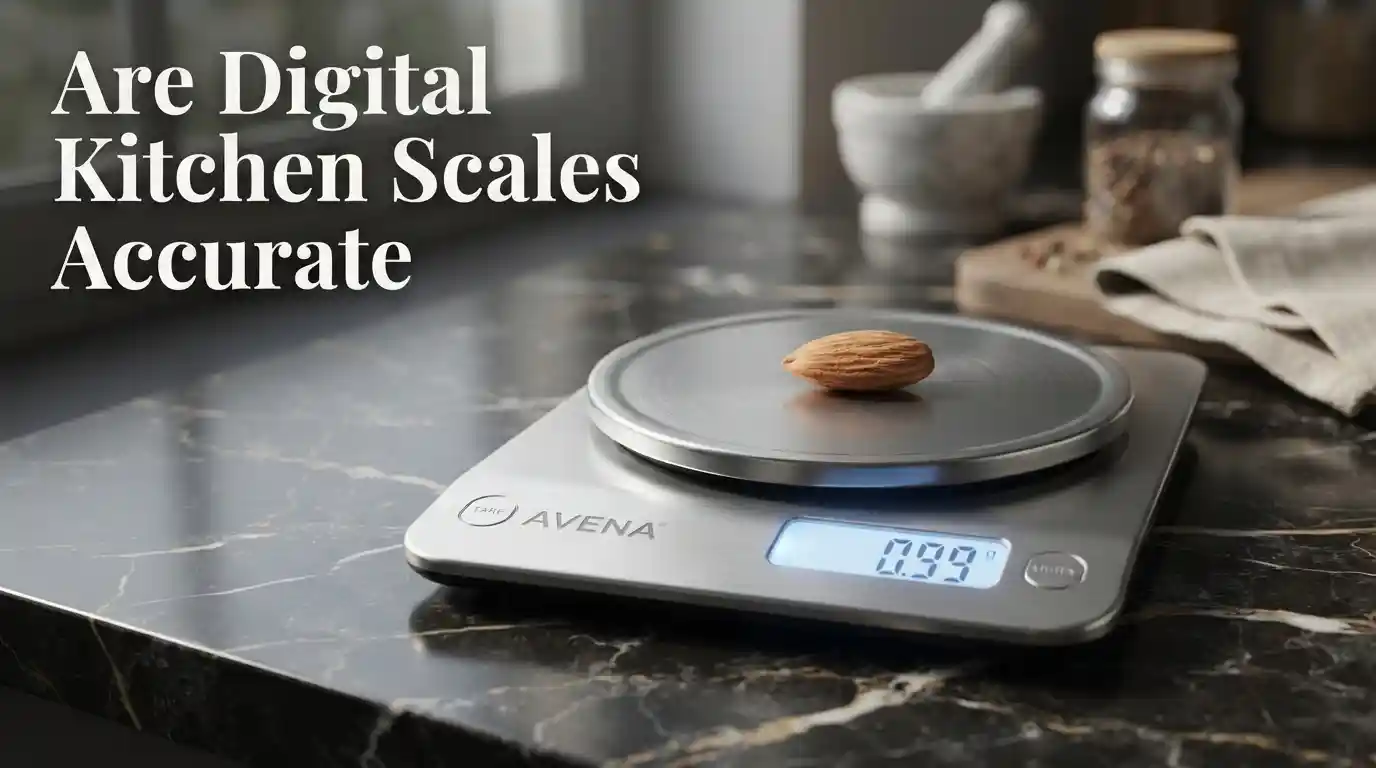
Digital kitchen scales use electronic sensors to measure weight. When you place an item on the scale, the sensors feel the pressure and convert it into an electronic signal. The scale’s computer turns this signal into a number, which appears on the display. Most scales measure in grams and ounces. Some also show pounds or milliliters for liquids.
Accuracy depends on the quality of the sensors, the way the signal is processed, and the precision of the display. For example, a good digital scale can measure to the nearest 1 gram or 0. 05 ounces. Cheaper models may only measure to 5 grams or 0.
2 ounces.
What Affects The Accuracy Of Digital Kitchen Scales?
Several factors influence whether your kitchen scale gives you a true reading. It is important to understand these, especially if you want your recipes to turn out right every time.
Sensor Quality
Better quality sensors mean better accuracy. Scales with strain gauge sensors are common and affordable, but their quality varies. High-end models may use more advanced sensors, which cost more but give more consistent results.
Calibration
Calibration is the process of setting the scale to “zero” when empty. Many digital scales have an auto-calibrate or “tare” function. But, if the scale is not calibrated correctly, it can be off by several grams. Regular calibration is important, especially after changing batteries or moving the scale.
Surface Stability
A scale must be on a flat, stable surface. Placing it on a soft mat, an uneven countertop, or even a table that shakes can cause errors. Even small tilts can change the weight reading.
Battery Power
Low battery can lead to inaccurate readings. If your numbers jump around, try new batteries. Also, cheap batteries sometimes provide less consistent voltage, which can affect accuracy.
Temperature And Humidity
Most kitchen scales are sensitive to temperature changes. If you store your scale in a cold room, then move it to a warm kitchen, it may need time to adjust. Extreme humidity can also cause problems, especially if water gets inside the electronics.
Overload
Every scale has a maximum capacity. Weighing things heavier than this can damage the sensors permanently. Even if the scale seems to work afterward, its accuracy might be ruined.
Comparing Digital Kitchen Scales To Other Types
It helps to see how digital kitchen scales stack up against mechanical and balance scales.
| Scale Type | Accuracy | Ease of Use | Price Range (USD) |
|---|---|---|---|
| Digital | Up to 1g / 0.05oz | Very easy | $10-$60 |
| Mechanical | 5g / 0.2oz (usually) | Moderate | $10-$40 |
| Balance | 0.1g (lab), 1g (kitchen) | Harder | $50-$200+ |
Digital scales are usually more accurate and easier to read. Mechanical (spring) scales can lose accuracy over time as the spring wears out. Balance scales are very accurate, but slow and more common in laboratories.
Real-world Accuracy: What Do Tests Show?
Many consumer organizations and food scientists have tested digital kitchen scales. Most good-quality digital scales are accurate within 1-2 grams up to about 5 kilograms (11 lbs). But, there are a few things to keep in mind:
- At very low weights (under 5 grams), even good digital scales may be off by 0.5-1 gram.
- At the maximum weight limit, some scales show errors or fail to register extra weight.
- Cheaper models sometimes have “drift,” where the number changes slightly even if the food does not.
A 2026 test by America’s Test Kitchen found that most mid-range digital scales were off by less than 1% when weighing common kitchen ingredients. This is usually enough for home cooking. However, for tasks like baking bread or dividing dough, even small differences can matter.

Credit: www.amazon.com
Understanding Precision Vs. Accuracy
These two words sound similar but are not the same.
- Accuracy means how close the reading is to the true weight.
- Precision means how small a difference the scale can show (for example, 1g vs 5g increments).
You want both—accurate and precise. A scale that always measures 2g too high is precise, but not accurate. A scale that jumps between 100g and 104g is neither.
Common Problems That Affect Accuracy
Even a good digital kitchen scale can give wrong numbers if you use it incorrectly. Here are some issues to watch out for:
- Not taring: Always press the “tare” or “zero” button after putting a bowl on the scale.
- Measuring on carpet or soft surface: This can change the weight reading.
- Using old batteries: Numbers may jump or “stick.”
- Weighing near strong magnets or microwaves: Electronic interference can cause errors.
- Weighing hot items: Heat can affect the sensors and the display.
How To Test Your Digital Kitchen Scale At Home
You do not need expensive equipment to check if your scale is accurate. Try these simple steps:
- Find a standard weight. Coins are a good choice. For example, a US nickel weighs exactly 5.00 grams.
- Place the coin(s) on the scale. The reading should match the total weight.
- Try several coins together and check each time.
- If possible, check at different weights (e.g., 10g, 50g, 100g) using small packets of sugar or salt with known weights.
If your scale is off by more than 1-2 grams, recalibrate it. If it still shows wrong numbers, it may be time for a new scale.
Practical Tips For More Accurate Weighing
If you want the best results in your kitchen, follow these suggestions:
- Place the scale on a solid, flat surface.
- Let the scale adjust to room temperature if you move it from a cold or hot place.
- Zero (tare) the scale before each new item or bowl.
- Check with a known weight (like coins) every few months.
- Change batteries regularly, even before the display shows “low battery.”
- Do not overload the scale.
- Clean gently—do not get water inside the electronics.
When Is Accuracy Most Important?
For some kitchen tasks, a small error does not matter. For others, it can ruin the recipe.
- Baking: Precision matters most. Too much or too little flour, yeast, or baking powder can change the texture and rise.
- Coffee making: Baristas weigh coffee and water for perfect brews.
- Diets and nutrition: People counting calories or macros need accurate measurements.
- Herbs and spices: Small amounts can change the taste.
But for soups or stews, a few grams extra of vegetables or meat is not a problem.
You might find this helpful: Best Kitchen Scale
How To Choose An Accurate Digital Kitchen Scale
Not all digital kitchen scales are equal. Here’s what to look for:
1. Resolution
Check how small a unit the scale measures (1g or 0. 05oz is best for most kitchens). Scales that only measure in 5g steps are not good for baking.
2. Maximum Capacity
Most home scales go up to 5kg (11 lbs). If you often weigh large items (like big doughs or roasts), get a higher-capacity model.
3. Platform Size
A bigger platform is better for large bowls or plates. Make sure you can still see the display with your largest mixing bowl.
4. Tare Function
This lets you “zero out” the bowl or container. Essential for most recipes.
5. Display Readability
A bright, clear display is easier to use. Some scales have backlights or larger numbers.
6. Reviews And Testing
Look for brands with strong reviews and proven accuracy. Some brands allow user calibration, which helps keep the scale accurate over time.
7. Warranty
A longer warranty usually means the company trusts its product.
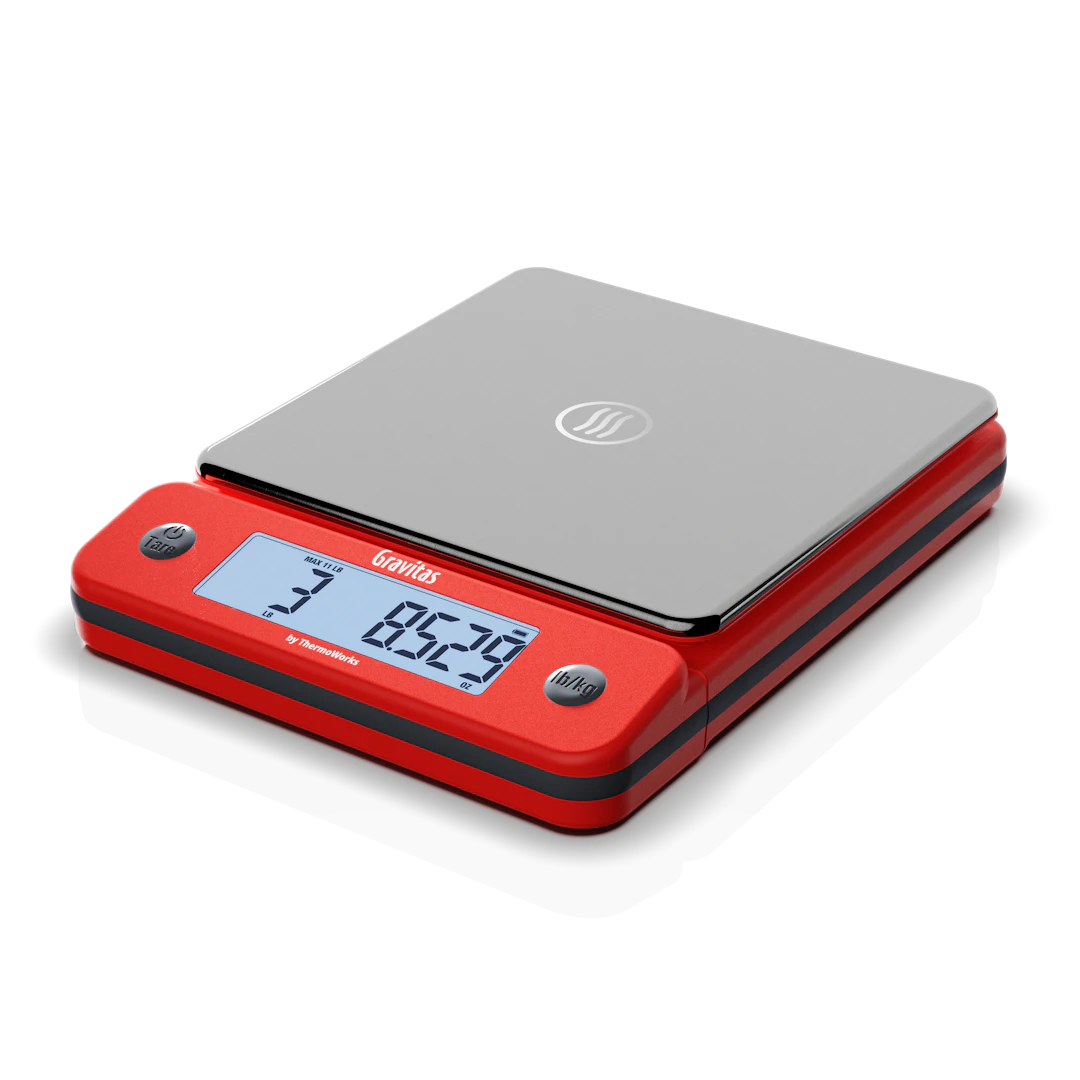
Here’s a quick summary of features to compare:
| Feature | Why It Matters | What to Look For |
|---|---|---|
| Resolution | Smallest unit measured | 1g or 0.05oz |
| Capacity | Max weight the scale can handle | At least 5kg (11lb) |
| Tare Function | Zeroes out the container | Present (essential) |
| Calibration | Keeps accuracy over time | User calibration option |
| Battery Indicator | Prevents low battery errors | Low battery warning |
Credit: www.thermoworks.com
Non-obvious Insights About Kitchen Scale Accuracy
Most people focus only on the scale’s specifications. Here are two details beginners often miss:
- The “drift” effect: Some digital scales slowly change their reading by 1g or 2g after you place an item. This is usually from temperature changes or the scale adjusting to the load. Waiting 3-5 seconds before reading can help.
- Hidden “auto-off” problems: Many digital scales turn off automatically after 2-3 minutes to save battery. If you are adding ingredients slowly, the scale might reset and lose your total. Look for models with adjustable auto-off settings if this bothers you.
Is A Digital Kitchen Scale Worth It?
For most home cooks and bakers, a digital kitchen scale is one of the best investments. The accuracy, speed, and ease of use beat measuring cups and spoons, especially for baking. Even the best cooks in the world use digital scales for consistent results.
However, if you often cook in large batches, need to weigh very light items (like spices under 1g), or need lab-level precision, you might want a more advanced or specialized scale.
If you want to learn more about how scales work and their history, visit the Wikipedia page on weighing scales.

Credit: www.amazon.com
Frequently Asked Questions
How Do I Know If My Digital Kitchen Scale Is Accurate?
Test your scale with a known weight, such as a US nickel (5g) or a pre-packaged food item with the weight listed. If the reading is off by more than 1-2g, recalibrate or consider replacing the scale.
Can I Use My Phone Or Smart Device As A Kitchen Scale?
Some apps claim to weigh items using your phone, but they are not accurate for kitchen use. Only dedicated digital kitchen scales can give reliable results for cooking and baking.
Why Does My Digital Kitchen Scale Show Different Numbers For The Same Item?
This can happen if the scale is on an uneven surface, if the batteries are low, or if there is electronic interference. Try moving the scale, replacing the batteries, and making sure nothing is touching or bumping the scale.
How Often Should I Calibrate My Digital Kitchen Scale?
Calibrate your scale every few months, or after changing the batteries or moving the scale. If you use the scale daily, test it with a known weight more often.
Are Expensive Kitchen Scales Always More Accurate?
Not always. Many mid-range scales are as accurate as expensive ones. However, higher-priced models may have better build quality, more features, and last longer.
A digital kitchen scale can make your cooking and baking easier, more accurate, and less stressful. Choose a good model, use it correctly, and check it now and then—and you will get the best results every time.