Skip to content
Moving into a college dorm is an exciting step, but it can also be confusing. You might wonder what items you can bring, especially when it comes to small appliances like electric kettles. These handy devices make boiling water quick and easy for tea, instant noodles, or coffee. But are electric kettles allowed in dorms? The answer is not always simple. Dorm rules can differ widely, and understanding them is key to avoiding trouble or fines.
This article looks at whether electric kettles are allowed in college dorms in the US and around the world. We’ll explore the reasons behind the rules, how they are enforced, and what alternatives exist. You’ll also learn about the risks, benefits, and clever tips for using a kettle safely—if you’re allowed. By the end, you’ll have a clear idea of what to expect and how to make the best choice for your campus life.
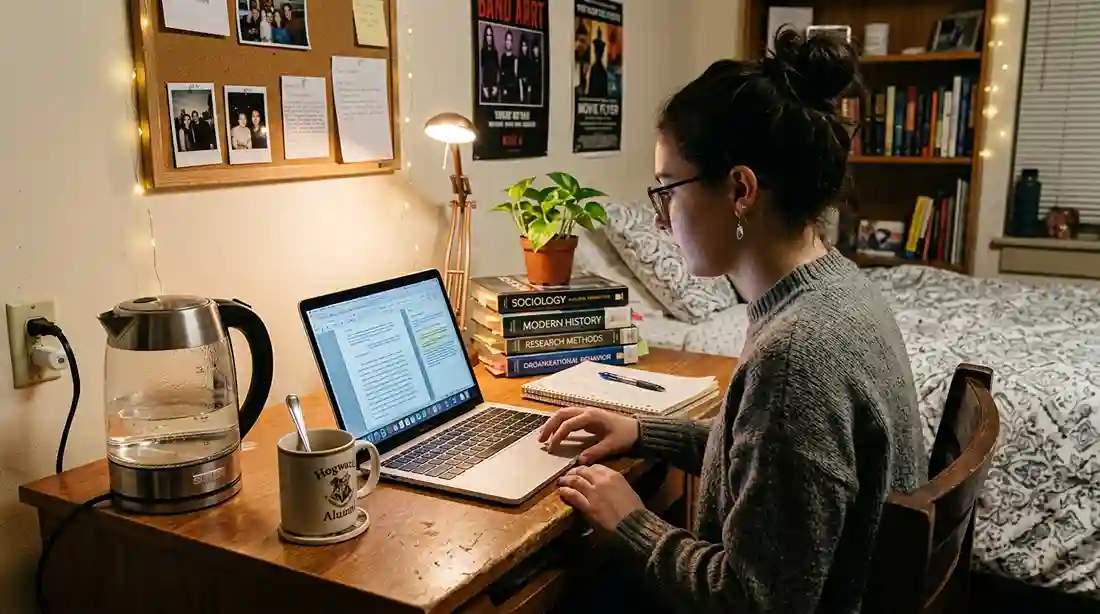
Why Electric Kettles Are Popular Among Students
Electric kettles have become a staple in student life. They are fast, convenient, and simple to use. Here’s why so many students want to bring one to their dorm room:
- Speed: Most kettles boil water in 2–5 minutes—much faster than a microwave.
- Versatility: Besides tea and coffee, you can use them for instant soup, noodles, oatmeal, and even some quick meals.
- Energy efficient: Kettles use less electricity compared to boiling water on a stove.
- Compact size: They fit well on small desks or shelves.
For many, an electric kettle is more than a luxury—it feels like a necessity. But before packing one, it’s important to know the rules.
Are Electric Kettles Allowed In Dorms? (us And International Overview)
The answer depends on the college, university, or even the specific residence hall. There is no single rule for all dorms.
Us Colleges And Universities
In the US, dorm rules vary widely. Some schools allow electric kettles, while others ban them or restrict certain types. Here’s a quick look at common policies at different kinds of schools:
| School Type | Typical Kettle Policy |
|---|---|
| Public Universities | Often allow kettles with automatic shut-off |
| Private Colleges | Policies vary; some ban all appliances |
| Community Colleges | Usually limited housing; rules depend on building |
| Technical/Trade Schools | Rules depend on campus and fire code |
A few well-known examples:
- Harvard University: Allows electric kettles with auto shut-off, but bans hot plates.
- New York University (NYU): Permits kettles if they have an automatic shut-off feature.
- University of California, Berkeley: Bans all cooking appliances, including kettles, in some dorms.
International Dorm Policies
Rules can be even more strict in other countries:
- UK universities: Often allow kettles, but only in kitchen areas, not in bedrooms.
- Germany and France: Many student residences ban all personal appliances due to fire risk.
- Australia: Kettles are usually allowed but must be checked by staff for safety.
International students should always check with their specific dorm before bringing an appliance.
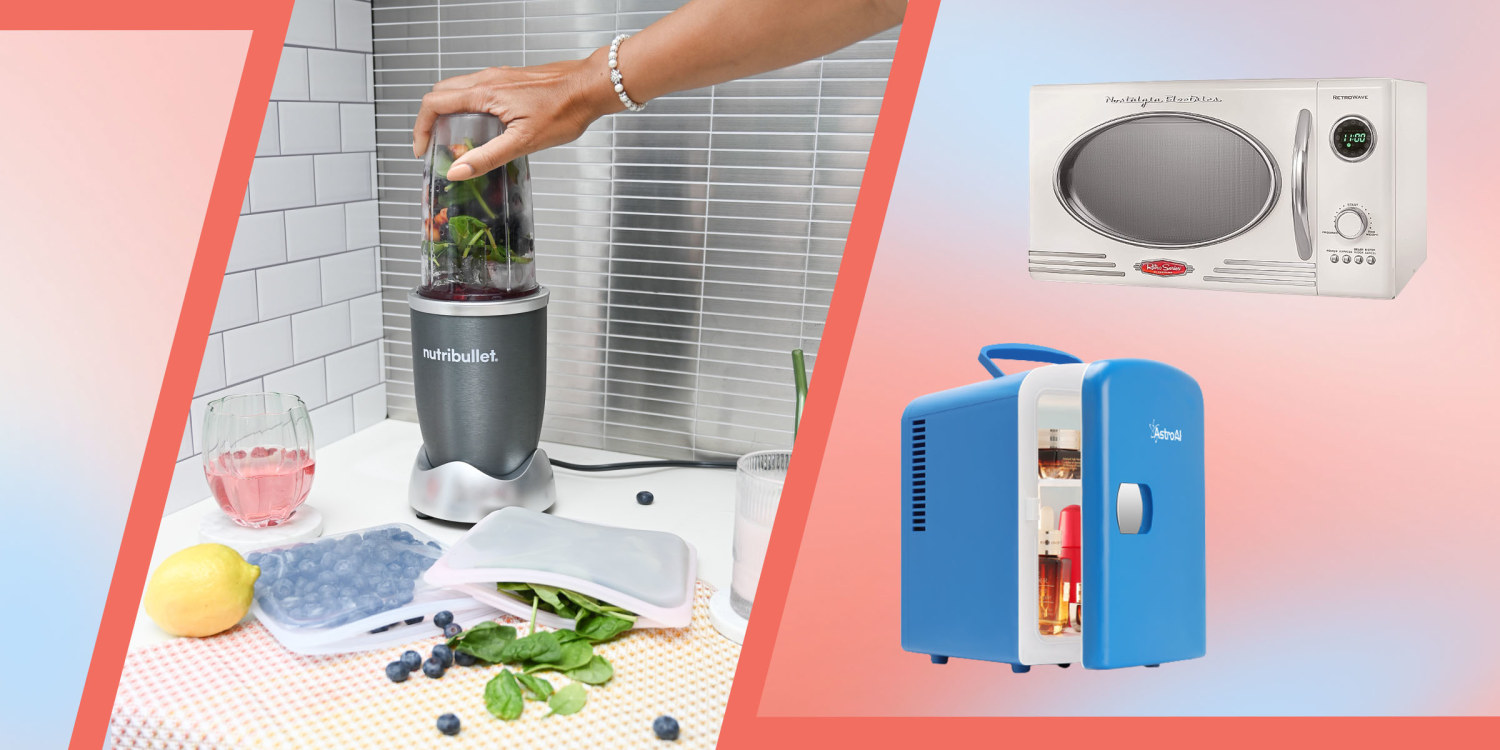
Credit: www.nbcnews.com
Why Are Electric Kettles Sometimes Banned?
Dorm rules are not random. There are important reasons why some schools say no to kettles:
Fire Safety Concerns
The main reason is fire safety. Dorms are high-risk areas because:
- Many people live close together.
- Students may forget to turn off appliances.
- Old or faulty wiring can overheat.
Even though modern kettles have safety features, accidents still happen. According to the National Fire Protection Association, cooking equipment (including small appliances) is a leading cause of dorm fires in the US.
Electrical Load And Building Codes
Dorms are often older buildings with limited wiring. Too many appliances plugged in can cause power surges or even fires. School policies try to limit this risk by banning or restricting high-wattage devices.
Insurance And Liability
Universities can face big costs if a fire damages dorms. Insurance policies may require strict rules on what students can bring. Breaking these rules can void coverage or create legal problems for the school.
What Kind Of Electric Kettles Are Usually Allowed?
If your dorm does allow electric kettles, there are usually specific rules about what type you can use. Here are the most common requirements:
| Feature | Required? | Reason |
|---|---|---|
| Automatic shut-off | Yes (almost always) | Prevents overheating and dry boiling |
| UL or CE certification | Often required | Shows the device meets safety standards |
| Low wattage (usually <1500W) | Sometimes required | Reduces risk to wiring and circuits |
| No exposed heating element | Preferred | Easier to clean and safer to use |
If your kettle does not meet these standards, staff may confiscate it or ask you to remove it.
How To Find Out Your Dorm’s Policy
Never assume you can bring an electric kettle just because a friend at another school did. Here’s how you can be sure:
- Check the housing website: Most schools list allowed and banned items online.
- Read your housing contract: Appliance rules are usually included.
- Contact the housing office: If you’re unsure, email or call for confirmation.
- Ask current students: Online forums or social media groups can give practical tips.
Many students miss that rules can change every year. Always check for the most recent policy before moving in.
What Happens If You Break The Rules?
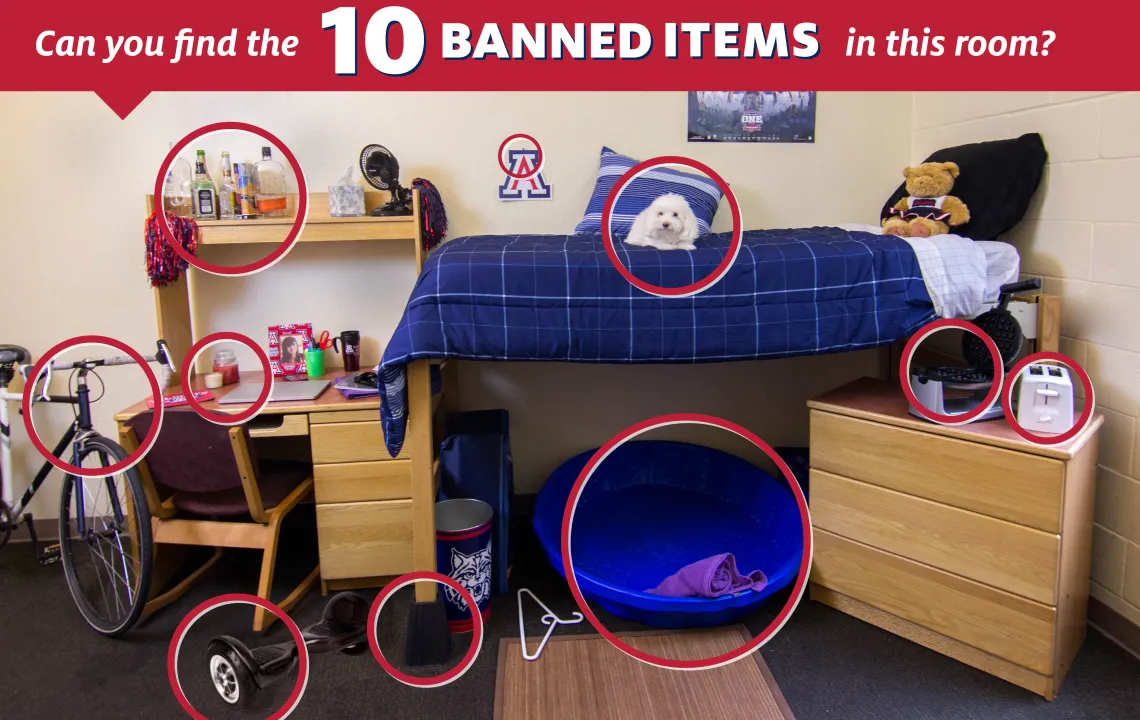
You might think you can hide a kettle, but dorm staff often do random inspections. If you’re caught with a banned appliance:
- Staff may confiscate your kettle.
- You could get a warning, fine, or even lose housing privileges.
- Some schools hold banned appliances until you move out; others may not return them.
Repeated violations can lead to more serious consequences. For example, at some universities, breaking dorm safety rules can impact your ability to get campus housing in the future.
Credit: housing.arizona.edu
Alternatives To Electric Kettles In Dorms
If your dorm bans electric kettles, you still have options for making hot drinks or meals:
Use Communal Kitchens
Most dorms have a shared kitchen area with a microwave or stovetop. You can heat water there, but you might need to wait if it’s busy.
Hot Water Dispensers
Some modern dorms offer hot water dispensers in common rooms. These are safer and reduce the risk of fire, but may not be available late at night.
Electric Kettle Alternatives
If you need to heat water in your room, consider:
- Immersion heaters: Small and portable, but also often banned for safety reasons.
- Thermal carafes: Fill with hot water from the kitchen and keep it warm for hours.
Cold Brew Coffee/tea
Try cold brew methods for coffee or tea. It takes longer but requires no heating at all.
Tips For Safe Use Of Electric Kettles In Dorms
If your dorm does allow electric kettles, follow these best practices to stay safe and avoid trouble:
- Always use the auto shut-off feature. Never leave the kettle unattended.
- Plug directly into a wall outlet. Avoid using extension cords or power strips.
- Keep the area clear. Don’t place the kettle near papers, curtains, or flammable materials.
- Clean the kettle regularly. Mineral buildup can damage the kettle and affect safety.
- Do not overfill. Only fill to the maximum water line.
- Unplug after use. This helps prevent electrical fires.
Many students overlook the importance of labeling their appliance. Put your name and room number on your kettle to avoid confusion in shared spaces.
You might find this helpful: Best Electric Kettle for Pour Over Coffee
Real Student Experiences
Hearing from students who have lived in dorms can reveal practical tips and hidden challenges. Here are a few stories:
- Anna (University of Michigan): “Our dorm allowed kettles, but only in the kitchen area. I brought a small one and used it for late-night study sessions. My roommate and I always unplugged it after use. One student on our floor got fined for having an old kettle with no auto shut-off.”
- Leo (University of Oxford, UK): “We had to use the communal kitchen for hot water. It was annoying in winter, but the fire marshal was strict. I eventually switched to making cold brew tea in my room.”
- Samir (Sydney, Australia): “I emailed my housing office before buying anything. They sent a list of approved models. I recommend checking before you spend money—some brands are not allowed even if they look safe.”
One insight many students miss: some dorms will check your appliances upon arrival. Bring the box and user manual to make this process easier.
Electric Kettle Alternatives: Pros And Cons
To help you decide, here’s a comparison of electric kettles and common alternatives for heating water in a dorm:
| Method | Pros | Cons |
|---|---|---|
| Electric Kettle | Fast, convenient, energy-efficient | May be banned; needs wall outlet |
| Microwave | Available in most dorms; no need to buy | Slower; uneven heating; no temperature control |
| Stovetop | Good for larger amounts of water | Not always accessible; needs supervision |
| Hot Water Dispenser | Always ready; safe | May not be available in every dorm |
| Cold Brew | No electricity needed; safe | Slow process; not suitable for all drinks |
The Hidden Costs And Benefits
Many students focus only on convenience, but there are extra factors to think about:
- Resale value: Some students sell their kettle to new students at the end of the year, especially if it’s a model approved by the school.
- Health benefits: Boiling water can kill bacteria, which is important if your campus has old pipes.
- Noise: Some kettles are very loud. This can annoy roommates or neighbors, especially during late-night study sessions.
A detail often missed: sharing a kettle with a roommate can save space and money. But be sure to agree on cleaning and use rules first.
Preparing To Move In: Smart Steps
Before move-in day, take these steps to avoid surprises:
- Make a checklist: Include only items approved by your dorm.
- Communicate with your roommate: Decide if you’ll share appliances.
- Buy after arrival if possible: Some dorms have stores nearby with approved items.
- Keep receipts and manuals: You may need them for inspections.
For more detailed dorm safety information, the National Fire Protection Association offers valuable guidelines.

Credit: www.rit.edu
Frequently Asked Questions
Are Electric Kettles Allowed In All Us College Dorms?
No, rules depend on the university and even on each dorm building. Many allow electric kettles with automatic shut-off, but some ban them completely. Always check your specific dorm’s policy.
What Features Should My Electric Kettle Have For Dorm Use?
Most dorms require a kettle with automatic shut-off, UL certification, and sometimes a low wattage (under 1500W). Avoid kettles with exposed heating elements.
What Happens If I’m Caught With A Banned Electric Kettle?
You may have your kettle confiscated, receive a fine, or get a warning. Repeated offenses can lead to more serious consequences, such as losing housing privileges.
Can I Use An Electric Kettle In The Dorm Kitchen If Not In My Room?
Often, yes. Many dorms allow electric kettles in shared kitchens even if they are banned from bedrooms. Check the posted rules in the kitchen area.
Are There Safe Alternatives To Electric Kettles In Dorms?
Yes. You can use a microwave, stovetop, or a hot water dispenser if your dorm provides one. For drinks like coffee or tea, cold brew methods are also an option.
Living in a dorm means balancing convenience, safety, and rules. Electric kettles can make student life easier, but only if you follow your school’s guidelines. By planning ahead and understanding your options, you can enjoy hot drinks and snacks without stress or risk.