Choosing the right kitchen appliance can change how you cook every day. Many people ask, Are Instant Pot and pressure cooker the same? The answer is more complex than it seems. Both devices can cook food quickly, but they work in different ways and offer unique features. Understanding these differences helps you make smarter choices for your kitchen, save time, and get better results with your meals.
Let’s explore what sets the Instant Pot apart from the traditional pressure cooker, why so many cooks are switching to modern electric cookers, and how you can decide which one suits your needs.
What Is A Pressure Cooker?
A pressure cooker is a kitchen tool that uses steam pressure to cook food quickly. It has been around for over a century. Most pressure cookers are made of strong metal, like stainless steel or aluminum. You add water and food, then seal the lid. As the water heats up, steam builds inside, creating high pressure that cooks food faster than regular boiling.
Types Of Pressure Cookers
There are two main types:
- Stovetop pressure cookers: These sit on your stove and need manual control. You adjust the heat and monitor pressure with a valve or gauge.
- Electric pressure cookers: These have their own heating element and controls. They are easier to use and safer, but less common than stovetop models before the Instant Pot era.
How It Works
The pressure inside rises above atmospheric levels, usually between 10-15 psi (pounds per square inch). This increases the boiling point of water, so food cooks faster. For example, beans that take 1 hour to boil may cook in 15 minutes in a pressure cooker.
Common Uses
Pressure cookers are popular for:
- Cooking beans and lentils
- Making stews and soups
- Tenderizing tough meats
- Preparing rice and grains
Most models only have one or two settings and need careful supervision. If you don’t release the pressure correctly, hot steam can cause burns.
You might find this helpful: Best Pressure Cookers for Home Use
What Is An Instant Pot?
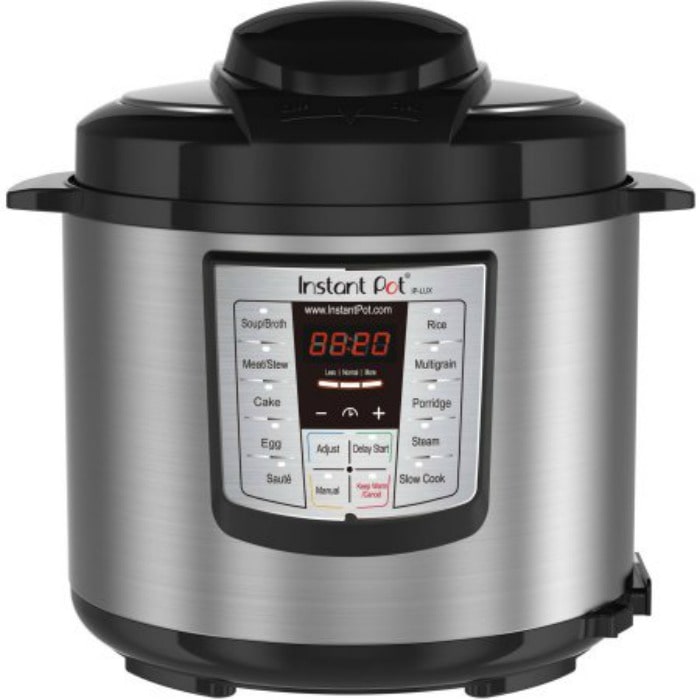
The Instant Pot is a brand of electric multi-cooker. It became popular in the early 2010s and now millions of homes use it. An Instant Pot can do more than just pressure cook—it can also slow cook, steam, sauté, and even make yogurt.
Key Features
- Multiple cooking modes: Pressure cooking, slow cooking, rice cooking, steaming, sautéing, yogurt making.
- Digital controls: Set cooking times, temperature, and modes with buttons and a screen.
- Safety features: Sensors, automatic pressure release, and locking lid prevent accidents.
- Programmable: Start cooking later with a timer, keep food warm after cooking.
Instant Pot Popularity
Sales data shows that over 10 million Instant Pots were sold in the US in 2020 alone. It’s known for its ease of use and versatility. Busy families and beginners find it simple to operate compared to classic stovetop cookers.
What Makes Instant Pot Different?
The Instant Pot is not just a pressure cooker. It’s a multi-cooker. While it can pressure cook, it also replaces several appliances. This means you can cook a stew, make rice, steam vegetables, and prepare yogurt—all with one device.
Credit: eatathomecooks.com
Comparing Instant Pot And Pressure Cooker
It’s easy to confuse these two devices. Let’s look at their differences side by side.
| Feature | Pressure Cooker | Instant Pot |
|---|---|---|
| Type | Single-function (pressure) | Multi-function (pressure, slow, steam, sauté, etc.) |
| Control | Manual | Digital, programmable |
| Safety | Basic locks, manual release | Advanced sensors, auto release |
| Ease of Use | Requires attention | Set-and-forget |
| Price Range | $40-$120 | $60-$200 |
| Cooking Modes | Pressure only | Multiple modes |
Cooking Results
Both devices can cook food quickly and tenderize tough ingredients. However, the Instant Pot offers more flexibility. For example, you can brown onions in the same pot before pressure cooking, or keep your soup warm for hours.
Practical Example
Cooking chickpeas:
- Pressure cooker: Needs manual soaking, careful timing, and monitoring pressure. Takes about 25 minutes after soaking.
- Instant Pot: Can cook soaked or dry chickpeas. Set the timer and walk away. It auto-adjusts and keeps them warm after cooking.
Advantages And Disadvantages
Understanding the pros and cons helps you decide which is best for your kitchen.
Pressure Cooker Pros
- Faster cooking than regular pots
- Simple design—fewer parts to break
- Lower price for basic models
- High heat for browning and searing
Pressure Cooker Cons
- Manual control needed
- Safety risks if used incorrectly
- Limited functions
- Harder to clean due to heavy metal
Instant Pot Pros
- Multi-functionality
- Easy to use—digital controls
- Automatic safety features
- Programmable cooking
- Easy to clean—removable inner pot
Instant Pot Cons
- Higher price
- Electric parts can fail
- Not ideal for high-heat searing
- Needs electricity
Which Should You Buy?
Choosing between an Instant Pot and a pressure cooker depends on your cooking style, budget, and kitchen space.
When To Choose A Pressure Cooker
- You want a simple, durable device.
- You mostly cook basic recipes like beans, stews, and soups.
- You prefer manual control.
- You need a lower-cost option.
When To Choose An Instant Pot
- You want versatility (pressure cook, slow cook, steam, sauté, etc. ).
- You cook a wide range of dishes.
- You prefer ease of use and automation.
- You have limited space and want to replace several appliances.
Real-world Example
A family with a busy schedule often uses the Instant Pot to prepare meals before work. They set a timer, and food is ready when they return. On weekends, they use the slow cook function for stews.
A chef might use a stovetop pressure cooker for fast reductions and browning, as it gives more control over heat.
Common Misconceptions
Many people think the Instant Pot and pressure cooker are the same. Here are some mistakes beginners make:
- Instant Pot is just a pressure cooker: It’s actually a multi-cooker.
- Pressure cooker is outdated: Modern stovetop models still offer strong performance.
- Instant Pot cooks everything faster: Not always. Some modes are slower (like slow cook).
- You can use the same recipes: Instant Pot recipes often need tweaks for timing and liquid.
Cooking Times: Instant Pot Vs Pressure Cooker
To see the real difference, look at sample cooking times:
| Food | Stovetop Pressure Cooker | Instant Pot |
|---|---|---|
| Brown Rice | 20 min | 22 min |
| Chicken Curry | 15 min | 18 min |
| Pinto Beans | 25 min | 30 min |
| Steamed Vegetables | 5 min | 7 min |
The Instant Pot takes a bit longer to come to pressure, but it’s easier to use. For busy cooks, that trade-off is worth it.
Safety Differences
Safety is a big concern with pressure cooking. Let’s compare:
| Safety Feature | Pressure Cooker | Instant Pot |
|---|---|---|
| Pressure Release | Manual | Automatic or manual |
| Lid Lock | Basic | Advanced (sensor-based) |
| Steam Burn Prevention | Requires care | Multiple sensors |
| Overheat Protection | No | Yes |
The Instant Pot’s modern safety features make it attractive for families and new cooks.
Non-obvious Insights
- Altitude affects pressure cooking: At higher altitudes, both devices take longer to cook. Electric cookers like Instant Pot can automatically adjust for altitude if you input the setting.
- Recipe liquids matter: Instant Pot needs enough liquid to create steam. If you use too little, it may show a “burn” warning. Stovetop pressure cookers are less sensitive but can scorch food if not watched.
Maintenance And Longevity
- Pressure cookers last for decades if cared for. Replace rubber gaskets every few years.
- Instant Pot has electronic parts, so lifespan may be 5–10 years with regular use. Keep the sensors clean and avoid submerging the base.
Environmental Impact
Pressure cookers use gas or electric stoves. Instant Pot uses electricity only. Both are more energy efficient than ovens or stovetop boiling, saving up to 70% energy compared to traditional cooking methods.
Where To Learn More
If you want to dive deeper into the science of pressure cooking, the Wikipedia page on pressure cooking offers detailed history, physics, and safety info.

Credit: www.amazon.com
Frequently Asked Questions
Are Instant Pot And Pressure Cooker The Same Thing?
No, they are not the same. Instant Pot is a multi-cooker that includes pressure cooking as one feature. A pressure cooker only pressure cooks food. Instant Pot can also slow cook, steam, sauté, and more.
Can You Use Pressure Cooker Recipes In An Instant Pot?
Yes, but you may need to adjust cooking times and liquid amounts. Instant Pot often takes longer to build pressure. Always check recipe instructions for electric cookers.
Is Instant Pot Safer Than A Pressure Cooker?
Generally, yes. The Instant Pot has more safety features, like sensors, automatic pressure release, and locked lids. It’s easier for beginners and families.
Which Cooks Food Faster: Pressure Cooker Or Instant Pot?
A stovetop pressure cooker usually cooks food a bit faster. Instant Pot takes longer to build pressure but is more convenient and hands-off.
Can Instant Pot Replace Other Kitchen Appliances?
Yes, Instant Pot can replace a slow cooker, rice cooker, steamer, yogurt maker, and more. That’s why it’s called a multi-cooker.
Making the right choice depends on your cooking needs. Both devices offer quick, energy-saving cooking and can help you prepare healthy meals. For simple, fast cooking, a pressure cooker is reliable. For versatility and ease, Instant Pot is the winner.
Understanding the differences will help you get the most from your kitchen and enjoy better results every day.