Are Mason Jars Microwave Safe?
Mason jars have become a kitchen favorite for many reasons. People use them to store food, prepare overnight oats, make salads, or even serve drinks. Their charming look and affordable price make them popular in both homes and restaurants. But as more people cook and reheat food at home, a common question appears: Are Mason jars microwave safe? This article clears up confusion, explains safety risks, and gives practical tips for using Mason jars in the microwave.
What Are Mason Jars Made Of?
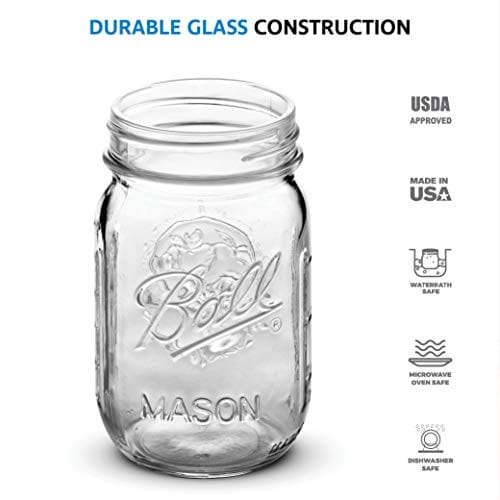
Mason jars are usually made from soda-lime glass, a type of glass designed for canning. This glass is strong and can handle hot water baths and some changes in temperature. Most Mason jars come with two-part metal lids that create an airtight seal. The glass is thick and sturdy, but it is not the same as tempered or borosilicate glass, which is made for high heat.
Some brands, like Ball and Kerr, are known for their quality and are often used for home canning. However, not all glass jars are Mason jars. Many store-bought products (like pasta sauce jars) use thinner glass that is less heat-resistant.
Soda-lime Glass Vs. Tempered Glass
To understand Mason jar safety, it helps to compare soda-lime glass with tempered glass:
| Property | Soda-Lime Glass (Mason Jar) | Tempered Glass (Pyrex, etc.) |
|---|---|---|
| Heat Resistance | Moderate | High |
| Shock Resistance | Low to moderate | High |
| Common Use | Canning, storage | Bakeware, cookware |
Key insight: Mason jars are not designed for sudden high heat or rapid temperature changes. They can crack or shatter if overheated.
The Official Word: What Manufacturers Say
Most Mason jar brands have clear instructions about microwave use. Leading companies like Ball and Kerr state that their jars are not recommended for microwave use, especially for cooking or reheating foods with little liquid. The main risk is thermal shock—when the glass heats too quickly and cracks.
Some new Mason jar versions claim to be microwave safe, but this usually means they can handle short periods of gentle reheating, not high heat or cooking. Always check the label or the manufacturer’s website for specific guidance. For example, Ball’s official FAQ says, “We do not recommend using jars in the microwave for cooking purposes.
“
Non-obvious tip: Even if the jar says “microwave safe,” the lid almost never is. Metal lids can spark, and plastic lids may warp or melt.
Credit: advancedmixology.com
Understanding Microwave Risks
Using Mason jars in the microwave can be risky if you do not follow safe practices. Here are the main dangers:
1. Thermal Shock
When cold Mason jars are put into a hot microwave, the glass can expand quickly. This stress can cause cracks or even make the jar shatter. Adding cold food or liquid to a hot jar after microwaving can also cause breakage.
2. Pressure Build-up
Heating food or liquids with a tight lid traps steam. This builds pressure, which can blow the lid off or even break the glass.
3. Metal Lids And Sparks
Mason jar lids are metal and should never be microwaved. Metal can spark, cause fires, or damage your microwave.
4. Non-uniform Heating
Microwaves heat unevenly. Thick glass heats slower than food, so the center of your food might stay cold while the jar feels hot.
5. Old Or Damaged Jars
Small chips or cracks in the jar make it more likely to break in the microwave.
Real-world Example
A user on a cooking forum shared that after reheating soup in a Mason jar, the bottom suddenly cracked, spilling hot liquid everywhere. The jar was not chipped, but it had been in the fridge before microwaving. This shows how thermal shock is a real danger, even with new jars.
When Is It Safe To Microwave A Mason Jar?
There are some cases where you can use a Mason jar in the microwave, but caution is key. Here are the safest situations:
- Room Temperature Jars Only: Never microwave a jar straight from the fridge or freezer.
- No Lids: Always remove the metal lid and ring. If you need a cover, use a microwave-safe plate or paper towel.
- Short Heating Time: Reheat for 30–60 seconds at medium power. Do not use high power for several minutes.
- Small Amounts of Food: Avoid heating large amounts of thick foods (like stews or oats) that expand or bubble.
- Liquid Level: Fill the jar no more than halfway if heating liquids, to avoid boiling over.
- Check for Damage: Only use jars with no cracks or chips.
Important: Even when following these steps, there is always a small risk of breakage. If in doubt, use a microwave-safe bowl instead.
What Should You Never Microwave In A Mason Jar?
Certain foods and uses are especially risky in Mason jars. Avoid these:
- Frozen food (straight from the freezer)
- Dense foods (oatmeal, mashed potatoes, rice, thick sauces)
- Eggs in a jar (they can explode)
- Canning with the microwave (never use the microwave for canning; it is not safe or effective)
- Any jar with a lid (metal or plastic)
How To Safely Reheat Food In A Mason Jar
If you want to use a Mason jar in the microwave, follow these steps for best results:
- Check the Jar: Make sure it is at room temperature and has no cracks or chips.
- Remove the Lid: Never microwave with a lid attached.
- Add Food: Do not fill to the top; leave space for expansion.
- Microwave in Short Bursts: Heat for 30 seconds at medium power, then stir.
- Repeat As Needed: If more heating is needed, continue in short bursts.
- Let It Rest: Wait a minute before removing the jar, as glass stays hot.
- Use a Towel: Handle with a kitchen towel or oven mitt to avoid burns.
Practical tip: Place the Mason jar on a microwave-safe plate to catch spills, especially with soups or liquids.
Comparing Mason Jars With Other Containers
Not sure if you should use a Mason jar or something else? Here’s a quick comparison of common microwave containers:
| Container Type | Microwave Safe? | Notes |
|---|---|---|
| Mason Jar | With caution | Risk of breakage; never microwave with lid |
| Tempered Glass (Pyrex) | Yes | Designed for high heat |
| Plastic (microwave-safe) | Yes | Check for BPA-free label |
| Plastic (unknown type) | No | Can melt or release chemicals |
| Ceramic | Yes (usually) | Check for metallic paint or decorations |
| Metal | No | Causes sparks and fires |
Key takeaway: For regular microwave use, tempered glass or microwave-safe plastic is safer than Mason jars.
Tips To Extend The Life Of Your Mason Jars
Mason jars can last for years if treated well. Here are ways to keep them in good shape:
- Avoid Sudden Temperature Changes: Never pour hot liquids into a cold jar, or put a hot jar on a cold surface.
- Hand Wash When Possible: The dishwasher is usually safe, but hand washing reduces wear.
- Inspect Regularly: Look for chips, cracks, or scratches. Discard damaged jars.
- Store Without Lids: This prevents rust and makes it easy to check for damage.
- Label and Date: Use a marker or label to track food freshness.
Non-obvious insight: Even tiny cracks can grow larger in the microwave. When in doubt, retire the jar for crafts or dry storage.

Credit: www.amazon.com
Myths And Misunderstandings
Many people believe Mason jars are always microwave safe because they survive boiling water baths during canning. But microwaves heat food differently:
- Canning uses water baths where heat spreads evenly, avoiding hot spots.
- Microwaves create uneven heating and can cause sudden temperature changes.
Another myth is that “all glass is the same.” In reality, only tempered glass is made for high heat. Mason jars are made for storage and gentle heating, not for cooking.
Alternatives To Mason Jars For Microwave Use
If you often reheat or cook in the microwave, consider these safer options:
- Tempered glass containers (like Pyrex or Anchor Hocking)
- Microwave-safe plastic containers (look for the microwave symbol)
- Ceramic bowls (without metallic decoration)
- Silicone containers (for flexible, lightweight storage)
These containers are designed for regular microwave use and are less likely to break or cause injury.
What To Do If A Mason Jar Breaks In The Microwave
If a Mason jar cracks or shatters while microwaving, follow these steps:
- Do not open the microwave immediately. Let it cool for a few minutes.
- Wear gloves to protect your hands from hot glass.
- Use a damp paper towel to pick up small shards.
- Throw away all food that touched broken glass.
- Clean the microwave thoroughly to remove any tiny pieces.
Even a small piece of glass can be dangerous if swallowed, so be careful.
The Bottom Line: Should You Microwave Mason Jars?
Mason jars can sometimes be used in the microwave, but only with caution. They are not made for high heat or sudden temperature changes. If you choose to microwave food in a Mason jar, always remove the lid, heat in short bursts, and avoid sudden temperature shifts. For regular microwave use, tempered glass or microwave-safe containers are safer and more reliable.
If you want to learn more about glass types and microwave safety, check out this Wikipedia guide to microwave cooking.

Credit: thedaringkitchen.com
Frequently Asked Questions
Can You Microwave Mason Jars With The Lid Off?
No, you should never microwave Mason jars with the metal lid on. Always remove the lid and the ring. If you need a cover, use a microwave-safe plate or paper towel to prevent splatters.
Why Did My Mason Jar Crack In The Microwave?
Mason jars often crack from thermal shock—a sudden change in temperature. This usually happens if you microwave a cold jar or heat it for too long. Chips or old damage can make breakage more likely.
Are Any Mason Jars Truly Microwave Safe?
Some newer Mason jars claim to be microwave safe, but most traditional ones are not made for high heat. Even “microwave safe” jars should be used with care. Always check the manufacturer’s label for details.
Is It Safe To Cook Oatmeal Or Eggs In A Mason Jar In The Microwave?
No, cooking thick foods like oatmeal or eggs in Mason jars can cause pressure to build up and make the jar explode or crack. Use a microwave-safe bowl instead for these foods.
Can I Microwave A Mason Jar That Was In The Fridge?
It is risky to microwave a Mason jar straight from the fridge. Cold glass heats unevenly and may crack. Let the jar come to room temperature before reheating in the microwave.
Mason jars are handy for storage and serving, but they are not the best choice for microwaving. Use them carefully, and when in doubt, reach for a microwave-safe container instead. Your food—and your kitchen—will be safer for it.