Are Pressure Cookers Dangerous?
Pressure cookers are popular in kitchens all over the world. They cook food quickly, save energy, and keep nutrients locked inside. But many people worry about their safety. Stories of exploding lids and burnt fingers make some people afraid to use them.
Are pressure cookers really dangerous, or is this just a myth? Let’s look deeper and clear up the facts.
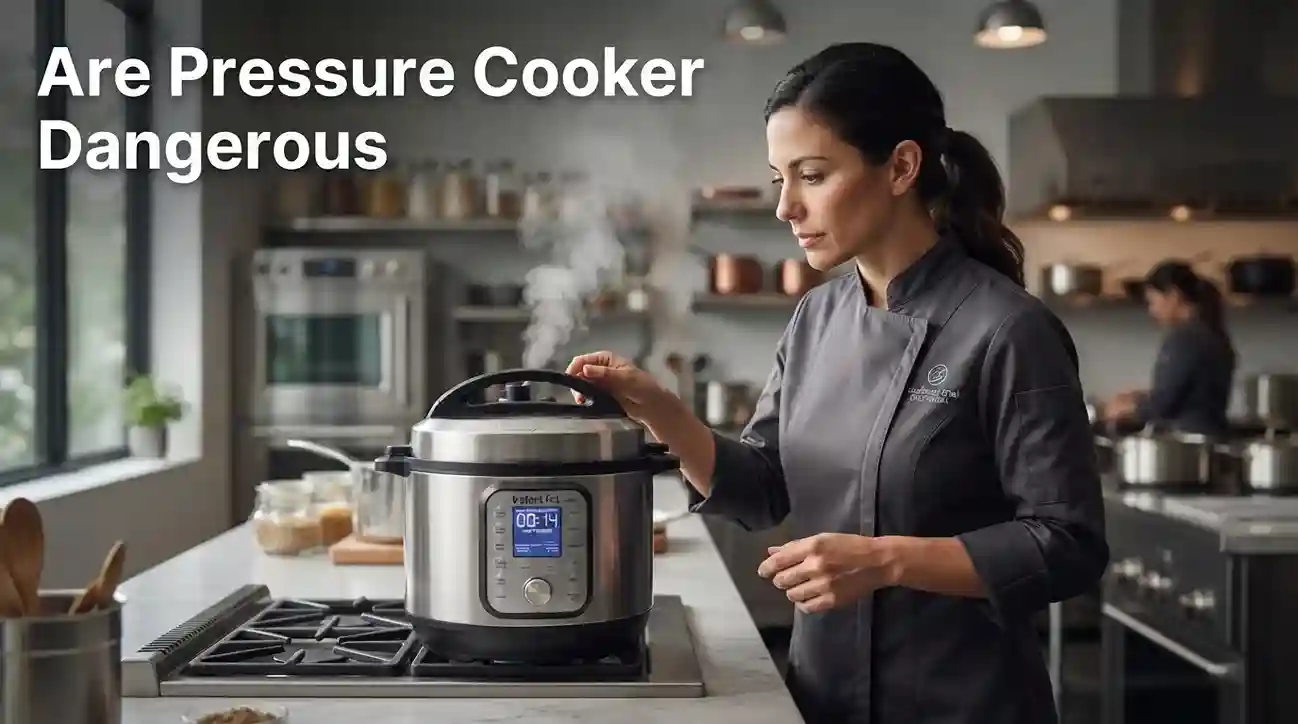
How Pressure Cookers Work
A pressure cooker is a sealed pot. As it heats, steam builds up inside. This raises the pressure, which makes water boil at a higher temperature. Food cooks faster because the heat is more intense. Most modern pressure cookers have safety features, but knowing how they work helps you understand the risks.
Key Parts Of A Pressure Cooker
- Lid lock: Stops the lid from opening when the cooker is pressurized
- Pressure release valve: Lets extra steam escape if needed
- Gasket: Seals the lid tightly so steam can build up
- Safety plug: Pops out if pressure gets too high
When everything works as designed, cooking is safe and easy. Problems happen if these features fail, or if the user ignores instructions.
Common Pressure Cooker Accidents
Accidents with pressure cookers do happen, but they are rare. Most injuries come from misuse or faulty equipment. Here are some common issues:
Exploding Lids
If a lid is not locked properly, it can blow off when pressure builds. This releases hot steam and food suddenly, which can cause burns. Older models without a locking mechanism are more likely to have this problem.
Steam Burns
Hot steam escapes if the valve is blocked or the gasket is damaged. Opening the cooker before it has cooled down is another cause. Steam burns are serious and often require medical attention.
Equipment Failure
Cheap or old pressure cookers may have weak parts. If the safety plug or valve is broken, pressure can build up too much. This can lead to an explosion or leaks.
Real-world Data
According to the US Consumer Product Safety Commission, about 60–70 injuries from pressure cookers are reported each year in the US. Most are minor burns, but a few are serious. Compared to other kitchen appliances, this is a low number. For example, over 1,000 injuries happen each year from regular stoves and ovens.
Modern Safety Features
Today’s pressure cookers are much safer than those from 20–30 years ago. Manufacturers have added several features to prevent accidents.
Safety Locks
Every modern pressure cooker has a lid lock that only opens when pressure is gone. This stops people from opening the cooker too early.
Multiple Pressure Release Valves
Modern cookers have at least two valves. If one gets blocked, the second releases pressure. This redundancy makes accidents less likely.
Improved Materials
New models use heat-resistant plastics and strong metals. This reduces the risk of parts failing or melting.
Visual Pressure Indicators
Some cookers show a clear sign when pressure is high. This helps users know when it’s safe to open the lid.
Here’s a quick comparison of safety features in old vs. modern pressure cookers:
| Feature | Old Models | Modern Models |
|---|---|---|
| Lid Lock | Rarely Included | Standard Feature |
| Pressure Valves | One (sometimes faulty) | Two or More |
| Safety Plug | Basic or Missing | Improved Design |
| Material Quality | Lower | High-grade Stainless Steel |
How To Use A Pressure Cooker Safely
Using a pressure cooker correctly is key to avoiding danger. Here are practical tips for safe cooking:
1. Check The Cooker Before Use
Inspect the gasket, valves, and lid. Make sure nothing is damaged or dirty.
2. Follow Instructions
Every cooker is different. Read the manual, especially for first-time use.
3. Don’t Overfill
Fill the cooker only up to the maximum line. Too much food or water can block the valves.
4. Use Enough Water
Water is needed to produce steam. If you use too little, the cooker may dry out and overheat.
5. Release Pressure Safely
Wait until pressure drops before opening the lid. Use a spoon or towel to move the valve, keeping hands away from steam.
6. Clean Valves And Gasket Regularly
Food can block the valves or stick to the gasket. Clean these parts after every use.
7. Replace Worn Parts
If the gasket or valves are damaged, replace them. Most manufacturers sell spare parts.
8. Supervise While Cooking
Don’t leave a pressure cooker unattended. Stay nearby in case something goes wrong.
9. Keep Children Away
The cooker and steam can be dangerous for kids. Make sure they stay clear.
10. Use The Right Heat Setting
Too much heat can cause excess pressure. Follow the recommended settings.
Electric Vs. Stovetop Pressure Cookers
Pressure cookers come in two main types: stovetop and electric. Each has its own safety profile.
Stovetop Pressure Cookers
These need manual control of heat. Safety depends on user attention. If you forget to lower the heat, pressure rises quickly.
Electric Pressure Cookers
These have built-in sensors and timers. They adjust heat automatically and often have more safety features. Many electric models also have automatic shut-off if pressure gets too high.
Let’s compare their safety features side by side:
| Feature | Stovetop | Electric |
|---|---|---|
| Heat Control | Manual | Automatic |
| Pressure Sensors | Usually None | Built-in |
| Automatic Shut-off | No | Yes |
| Safety Valves | 1–2 | 2–3 |
| User Error Risk | Higher | Lower |
Non-obvious Insights For Beginners
Many people miss important details when they start using pressure cookers:
- Altitude affects cooking: At high altitudes, water boils at a lower temperature. Pressure cookers may take longer to build pressure, so cooking times will need to be adjusted.
- Different foods can foam or expand: Foods like rice, beans, and pasta can produce foam. This foam can block the valves, so always use recommended amounts and never overfill.
Pressure Cooker Recalls And Legal Issues
Sometimes, pressure cookers are recalled due to manufacturing defects. For example, in 2019, over 100,000 electric pressure cookers were recalled in the US because the lids could open under pressure. If you buy a cooker, check for recalls and register your product for updates.
Pressure cooker lawsuits are also real. Many cases involve burns or explosions caused by poor design or missing safety features. However, most injuries are preventable if the cooker is used correctly and regularly checked.
The Truth About Pressure Cooker Safety
Pressure cookers are not as dangerous as many people think. Most injuries come from user mistakes or old, faulty equipment. Modern cookers have strong safety features. If you follow instructions and keep your cooker in good shape, risks are very low.
Here’s a summary of risk compared to other kitchen appliances:
| Appliance | Annual Injuries (US) | Main Risk |
|---|---|---|
| Pressure Cooker | 60–70 | Steam Burns |
| Stove/Oven | 1,000+ | Fire, Burns |
| Toaster | 300–400 | Electrical Shock |
| Microwave | 400–500 | Burns, Exploding Food |
Frequently Asked Questions
Are Pressure Cookers Safe For Everyday Use?
Yes, modern pressure cookers are safe for daily cooking. They have several safety features like lid locks and pressure valves. Just follow the instructions and check parts regularly.
What Is The Main Cause Of Pressure Cooker Accidents?
Most accidents happen from user error—opening the lid too soon, not cleaning valves, or overfilling the cooker. Faulty or old equipment is another risk. Using a cooker according to the manual greatly lowers danger.
Can Pressure Cookers Explode?
Pressure cookers can explode, but it’s rare. If the safety valve and other features fail, pressure may build up too much. Modern cookers are designed to release pressure before this happens. Always check for recalls and keep your cooker in good condition.
Are Electric Pressure Cookers Safer Than Stovetop Models?
Generally, yes. Electric pressure cookers have automatic heat control, multiple sensors, and shut-off features. This lowers the risk of accidents from user mistakes. Stovetop cookers require more attention and manual control.
What Should I Do If My Pressure Cooker Is Recalled?
If your cooker is recalled, stop using it immediately. Contact the manufacturer for instructions. You may get a replacement part or a new cooker. Always register your product to receive safety updates. For more details, you can check official recall lists at US Consumer Product Safety Commission.
Final Thoughts
Pressure cookers are not as dangerous as their reputation suggests. With modern safety features and proper use, they are one of the safest ways to cook. Most accidents are preventable. By checking your cooker, following instructions, and keeping parts clean, you can enjoy fast, healthy meals without worry.
Remember, respect the power of steam—never open the lid until pressure drops, and always keep safety in mind.

Credit: www.youtube.com