Skip to content
Are Stainless Steel Cutting Boards Good?
Choosing the right cutting board can change how you prepare food every day. While most people use wood or plastic cutting boards, you might see stainless steel cutting boards in stores or in chef videos. They look modern, but are stainless steel cutting boards actually good for home or professional kitchens? Let’s take a close look at their benefits, drawbacks, and how they compare to other materials.
What Makes Stainless Steel Cutting Boards Different?
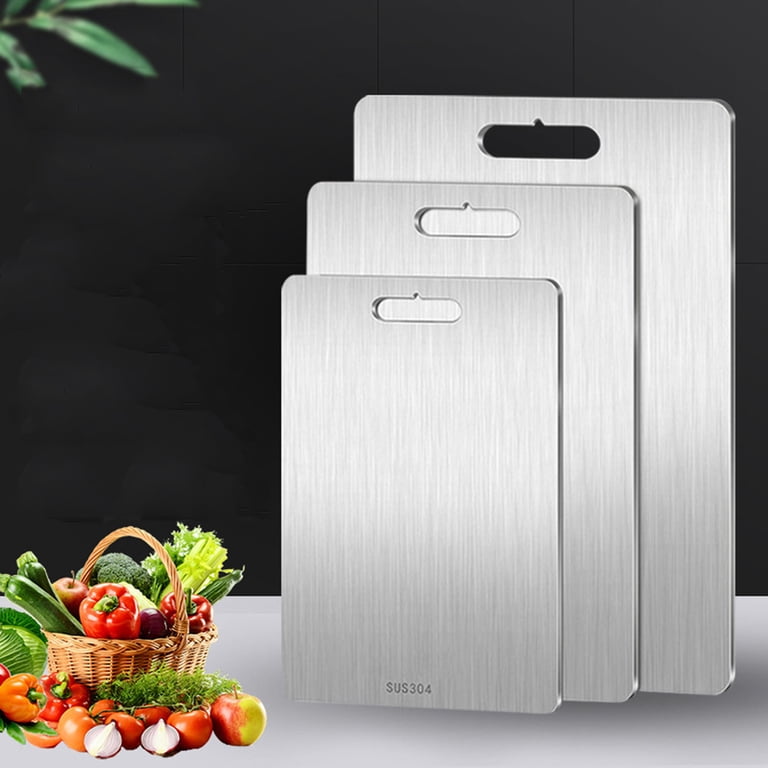
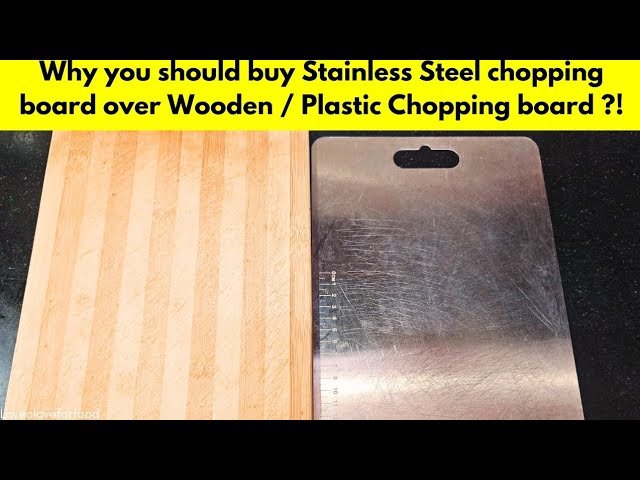
When you see a stainless steel cutting board, you’ll notice it feels heavy, cold, and very solid. Unlike wood or plastic, it doesn’t absorb water or food smells. Stainless steel cutting boards are usually made from 304-grade stainless steel, the same type used in many kitchen sinks and appliances. This material is well-known for resisting rust and stains.
What surprises many people is that stainless steel boards are usually just a thin sheet of metal, sometimes with small rubber feet to keep them from sliding. Some are double-sided or have a textured surface to help with grip.
Advantages Of Stainless Steel Cutting Boards
Stainless steel cutting boards offer some clear benefits, especially in specific situations. Here’s why some people choose them:
1. Extremely Hygienic
Stainless steel is non-porous. This means it will not soak up juices from meat, fish, or vegetables. Bacteria, mold, and smells have nowhere to hide. If you are worried about kitchen hygiene, this is a big advantage.
2. Very Easy To Clean
You can wash stainless steel cutting boards with hot water and soap, or put them in the dishwasher. Even after cutting raw chicken or fish, they are easy to sanitize. Some people even spray them with a mild bleach solution for extra safety.
3. No Staining Or Absorbing Odors
Foods like garlic, onions, or beets can leave strong smells or colors on wood and plastic boards. Stainless steel does not absorb these, so your board stays fresh and clean-looking.
4. Incredible Durability
Wood can split and plastic can warp or crack. Stainless steel resists bending, breaking, and chipping. Even with heavy use, it keeps its shape for years.
5. Resistant To Chemicals
Some people use harsh cleaning products in their kitchens. Stainless steel can handle most chemicals without getting damaged, unlike wood or plastic.
6. Modern Look
Stainless steel fits well in kitchens with a modern or professional style. It matches appliances and looks clean and high-tech.
Drawbacks And Limitations
While stainless steel cutting boards have strong points, they also have some downsides that you should consider before buying one.
1. Can Damage Knives
The biggest complaint is that stainless steel is much harder than wood or plastic. Your knife’s edge will dull much faster when cutting on steel. You might need to sharpen your knives more often, especially if you use expensive chef’s knives.
2. Noisy To Use
Cutting on a metal surface creates more noise than other materials. Chopping can sound loud and harsh, which some people find annoying.
3. Slippery Surface
Stainless steel is very smooth. Food can slide around, especially if the board or the food is wet. This can be dangerous if you’re cutting fast.
4. Cold And Hard Feel
Many people love the warm feel of wood. Stainless steel feels cold and hard under your hands, which can make food prep less comfortable.
5. Not Gentle On Fragile Foods
When you cut soft foods like bread or tomatoes, the hard surface can crush them instead of slicing cleanly.
6. Heavy Weight
Some stainless steel boards are heavy and awkward to move, especially the thicker ones. This can be a problem for people with weak wrists or arthritis.
Comparing Stainless Steel To Other Cutting Board Materials
To help you see the differences, here’s a side-by-side comparison of the most common cutting board materials:
| Material | Knife Friendliness | Hygiene | Durability | Maintenance |
|---|---|---|---|---|
| Stainless Steel | Poor | Excellent | Excellent | Easy |
| Wood | Good | Good | Good | Medium |
| Plastic | Good | Medium | Medium | Easy |
| Bamboo | Average | Good | Good | Medium |
| Glass | Poor | Excellent | Excellent | Easy |
Credit: www.walmart.com
When Does Stainless Steel Make Sense?
A stainless steel cutting board is not the best choice for every kitchen task. Here are some cases where it works especially well:
- Prepping Raw Meat and Fish: Because it’s so easy to sanitize, stainless steel is a great choice for handling raw chicken, beef, or seafood. Just be sure to use a different board for vegetables and bread to keep your knives sharp.
- Outdoor or Camping Use: Stainless steel boards can handle the outdoors. They don’t warp in sunlight, aren’t harmed by rain, and are simple to clean with just water.
- High-Volume or Commercial Kitchens: In some professional kitchens, especially those that prepare a lot of meat, stainless steel boards are used for quick cleaning and food safety.
But for daily cutting of bread, fruit, or vegetables, most home cooks still prefer wood or plastic.
Real-world User Experiences
What do people say after using stainless steel cutting boards for a few months? Here are some insights you might not expect:
- Many home cooks buy a small stainless steel board only for meat and fish. They keep a wood or plastic board for everything else.
- Some users say they love cleaning the board with boiling water or in the dishwasher without worry.
- Experienced chefs note that knives need sharpening at least twice as often when used on steel.
- A few people found that the board’s shiny surface scratched quickly, which made it look less attractive over time. The scratches don’t affect use, but the board loses its mirror finish.
- Some users discovered that cheap stainless steel boards can bend or warp if dropped or exposed to extreme heat.
These experiences show that stainless steel cutting boards are not “set and forget. ” They need a bit of care and the right use to be a good investment.
Credit: www.youtube.com
Stainless Steel Vs. Glass Cutting Boards
Both stainless steel and glass cutting boards are hard, non-porous, and easy to sanitize. But there are differences you should know:
| Feature | Stainless Steel | Glass |
|---|---|---|
| Knife Damage | High (dulls knives) | Very High (can chip knives) |
| Breakability | Very low | Breaks if dropped |
| Noise | Loud | Very loud |
| Looks | Modern, industrial | Stylish, see-through |
| Sanitizing | Easy | Easy |
Glass boards can actually be worse for your knives than steel. They’re also slippery and can break if dropped.
Key Factors To Consider Before Buying
If you are thinking about buying a stainless steel cutting board, ask yourself these questions:
1. What Do You Cut Most Often?
If you mostly cut soft foods or bread, you might not like the feel of a steel board. But if you cut a lot of raw meat or fish, the easy cleaning is a big plus.
2. How Important Is Knife Sharpness?
If you use expensive chef’s knives and hate sharpening, stainless steel may not be ideal. For everyday utility knives, you might not mind.
3. Do You Care About Looks Or Sound?
Stainless steel boards look modern but show scratches. The chopping sound is louder than wood or plastic.
4. Will You Move The Board Often?
Some steel boards are heavy and hard to move. If you need to clear your counter often, this could get annoying.
5. Do You Have A Dishwasher?
If you want to put your board in the dishwasher, stainless steel is a safe choice—it won’t warp or crack.

Credit: www.amazon.com
How To Use Stainless Steel Cutting Boards Safely
Using a stainless steel board is a little different from wood or plastic. Here are smart tips:
- Place a damp towel under the board to stop it from sliding.
- Use a separate board for vegetables and bread to protect your knife’s edge.
- Avoid using ceramic or glass knives, which can chip on hard steel.
- Don’t cut bones or frozen foods—this can chip your knife and even dent the board.
- Clean with hot soapy water after each use. For extra safety, wipe with diluted bleach or put in the dishwasher.
Maintenance And Care
One of the best things about stainless steel boards is their simple care. Here’s how to keep yours looking and working its best:
- Wash with hot water and soap immediately after use.
- Dry with a towel to avoid water spots.
- If you see mineral spots (white marks), scrub with a little vinegar or lemon juice.
- To remove tough stains, use a non-abrasive scrubber—never steel wool.
- Over time, expect scratches. This is normal and does not affect safety.
Unlike wood, you never have to oil or treat the surface. Stainless steel can last for decades with almost no extra care.
You may also like: Best Stainless Steel Cutting Boards
Cost Comparison
Are stainless steel cutting boards expensive? Here’s a rough comparison to help you budget:
| Material | Average Price (Medium Board) | Expected Lifespan |
|---|---|---|
| Stainless Steel | $30 – $70 | 10+ years |
| Wood | $20 – $100 | 5 – 10 years |
| Plastic | $10 – $25 | 2 – 5 years |
| Glass | $15 – $35 | 10+ years |
Stainless steel boards are usually more expensive than plastic, but less than high-end wood boards. They last a very long time if used and cared for correctly.
Non-obvious Insights And Expert Tips
- Use for Food Presentation: Some chefs use small stainless steel boards as serving trays for sushi or cheese, since they look stylish and are easy to clean.
- Great for Rolling Dough: Because stainless steel stays cool, it’s good for rolling pastry dough, especially in hot kitchens. Just dust the surface with flour first.
- Not for Cutting Everything: Many professionals use steel boards only for quick, high-risk jobs (like prepping raw meat) and switch to wood for most cutting.
- Rubber Feet Matter: Always choose a board with rubber feet or a non-slip bottom. Plain steel slides easily, which is dangerous.
Final Thoughts
Are stainless steel cutting boards good? The answer depends on your needs. They offer excellent hygiene, easy cleaning, and modern style. If you handle a lot of raw meat or want a board that lasts many years, stainless steel is a smart choice. But if you care most about keeping your knives sharp and enjoying a quiet, comfortable cutting surface, wood or plastic may suit you better.
Stainless steel cutting boards are best as a second board—one you use for special tasks, not your only prep surface. For most home cooks, a mix of materials is the best solution. If you’re curious, start with a small stainless steel board and see if it fits your kitchen style.
For more about safe cutting board materials, visit the Wikipedia Cutting Board page.
Frequently Asked Questions
Is Stainless Steel Safe For Cutting Food?
Yes, stainless steel is non-toxic and does not react with food. It’s often used in professional kitchens because it is easy to sanitize and does not absorb bacteria or smells.
Will Stainless Steel Cutting Boards Dull My Knives?
Yes, stainless steel is much harder than wood or plastic. Cutting on a steel surface will dull your knife edge faster, so you’ll need to sharpen your knives more often.
Can I Put A Stainless Steel Cutting Board In The Dishwasher?
Absolutely. Stainless steel cutting boards are dishwasher safe. They won’t warp, crack, or absorb water, making them easy to clean and sanitize.
Do Stainless Steel Cutting Boards Rust?
High-quality stainless steel boards, especially those made from 304 stainless, are rust-resistant. However, if scratched deeply or left wet for long periods, cheaper boards might show spots. Always dry after washing for best results.
Are Stainless Steel Cutting Boards Good For All Foods?
They are best for raw meats, fish, and tasks where hygiene matters most. For bread, fruit, and vegetables, wood or plastic boards are usually better for protecting your knives and enjoying a quieter, more comfortable cutting experience.