You want your smoothies perfectly smooth every single time, right? But getting that ideal creamy texture isn’t just about throwing ingredients in a blender.
The secret lies in using the best blender setting for smoothies. Whether you’re blending frozen fruits, leafy greens, or protein-packed add-ins, choosing the right speed and mode makes all the difference. You’ll discover exactly which blender settings unlock the smoothest, most delicious results—no lumps, no chunks, just pure, velvety goodness.
Ready to blend like a pro and enjoy your smoothies at their best? Keep reading to find out how to master your blender settings effortlessly.
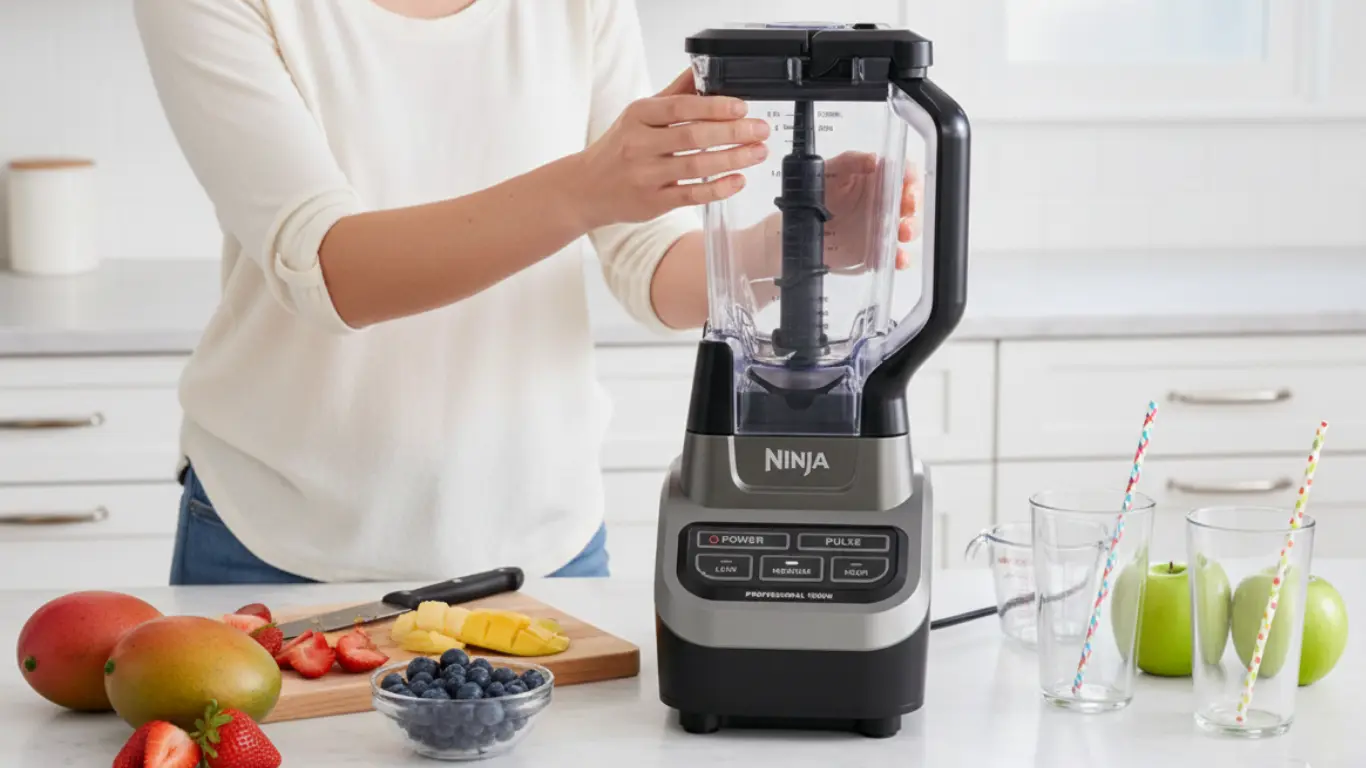
Blender Speeds For Smoothies
Choosing the right blender speed is key to making a perfect smoothie. Different speeds affect texture and blend quality. Understanding each speed helps create smooth and tasty drinks every time.
Low Speed Benefits
Low speed works well for soft ingredients like yogurt and banana. It prevents over-blending and keeps the smoothie thick. Using low speed first helps mix ingredients gently. It also reduces noise and saves energy.
Medium Speed Uses
Medium speed blends fruits and vegetables evenly. It breaks down small chunks and mixes flavors well. This speed is ideal for adding ice or frozen fruits. Medium speed creates a smooth but slightly thick texture.
High Speed Advantages
High speed crushes ice and tough ingredients fast. It produces a silky, creamy smoothie with no lumps. Use high speed at the end to fully blend all items. This speed is perfect for drinks that need a smooth, even finish.
Best Blender Modes for Smoothies
Blenders offer different modes to create the perfect smoothie texture. Each mode controls how fast and how long the blades spin. Choosing the right mode affects your smoothie’s consistency and taste. Experimenting with these modes helps you find your favorite blend style.
Liquify Mode For Silky Textures
Liquify mode runs the blender at a steady, high speed. It breaks down fruits and ice fully. This mode creates smooth, creamy drinks without chunks. Perfect for thin, easy-to-drink smoothies. It mixes all ingredients evenly for a silky finish.
Pulse Mode For Chunky Blends
Pulse mode blends in short bursts. It lets you control how much blending happens. Great for leaving some chunks in your smoothie. Use this mode to add texture and bite. It is ideal for thick smoothies or smoothie bowls.
Pre-set Smoothie Programs
Many blenders have pre-set smoothie programs. These programs adjust speed and blending time automatically. They simplify the blending process for consistent results. Just press one button and let the blender do the work. These programs work well for beginners and busy mornings.
Tips For Thick Smoothie Bowls
Creating thick smoothie bowls requires the right techniques and settings. Thick bowls hold toppings well and have a creamy texture. Using the blender correctly and choosing good ingredients makes a big difference. Follow these simple tips for perfect thick smoothie bowls every time.
Using Low Speed With A Tamper
Start blending on low speed to protect the texture. Use a tamper to push frozen fruit or thick ingredients down. This helps blend evenly without overheating or over-processing. Low speed keeps the smoothie dense and creamy. Avoid high speeds that can make the mixture too runny.
Best Ingredients For Thickness
Choose ingredients that add natural thickness. Frozen bananas, Greek yogurt, and avocado work great. Nut butters and chia seeds also boost creaminess. Avoid watery fruits like watermelon or pineapple in large amounts. These thick ingredients create a rich and smooth bowl.
Avoiding Runny Consistency
Use less liquid at the start. Add small amounts only if needed. Too much juice or milk thins the smoothie quickly. Blend slowly and check texture often. Freeze fruits before blending for extra thickness. These steps keep your bowl thick and perfect for toppings.
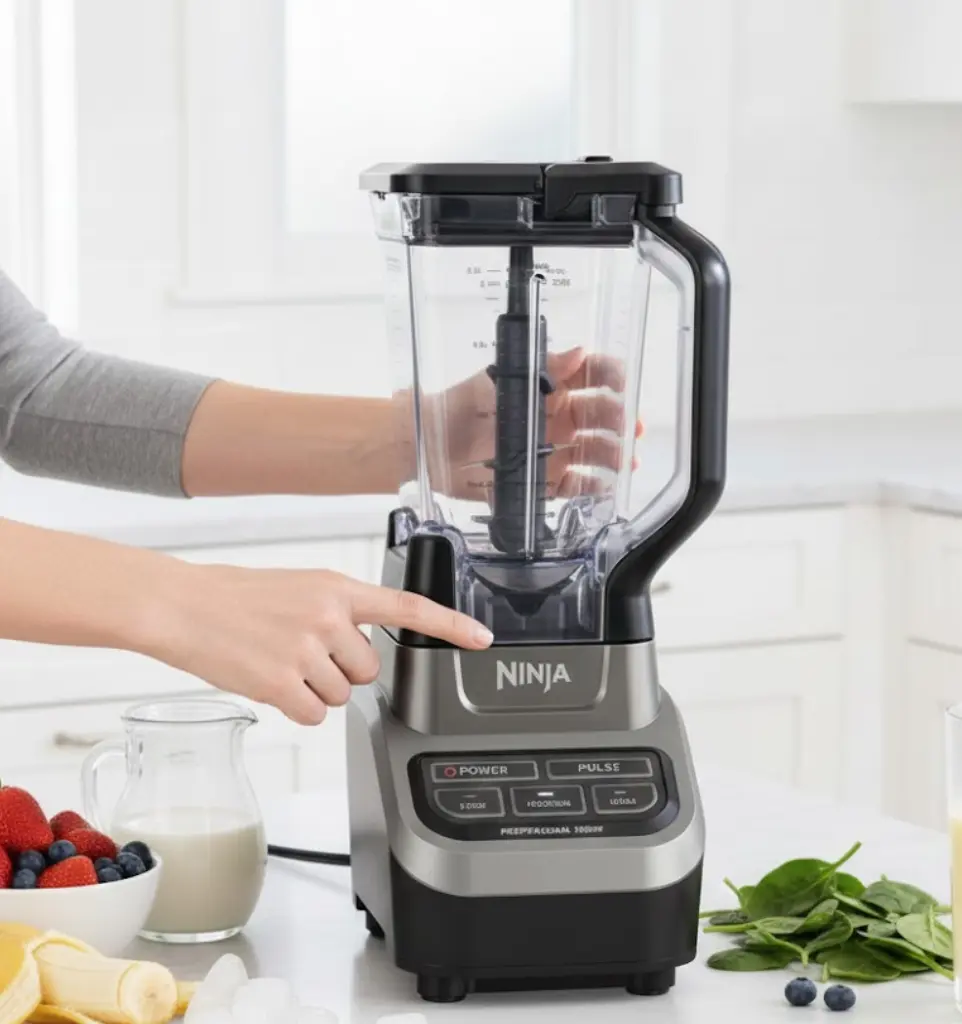
Step-by-step Blending Process
Blending a perfect smoothie requires following a simple step-by-step process. Each stage helps mix ingredients evenly and creates a smooth texture. Using the right blender settings ensures a tasty and well-blended drink every time.
Starting On Low Speed
Begin blending on low speed. This breaks down large chunks gently. It prevents the motor from straining. Start with soft ingredients like yogurt or banana. This helps the blades move smoothly.
Gradually Increasing Speed
Slowly raise the speed to medium. This mixes harder fruits and vegetables well. It blends ice or frozen fruit without splashing. Gradual increase avoids sudden motor overload. Keep blending until ingredients start to mix evenly.
Final High-speed Blend
Set the blender to high speed last. This creates a silky and smooth texture. It fully crushes ice and tough ingredients. Blend for 20 to 30 seconds on high. Stop and check consistency before serving.
Popular Blender Models For Smoothies
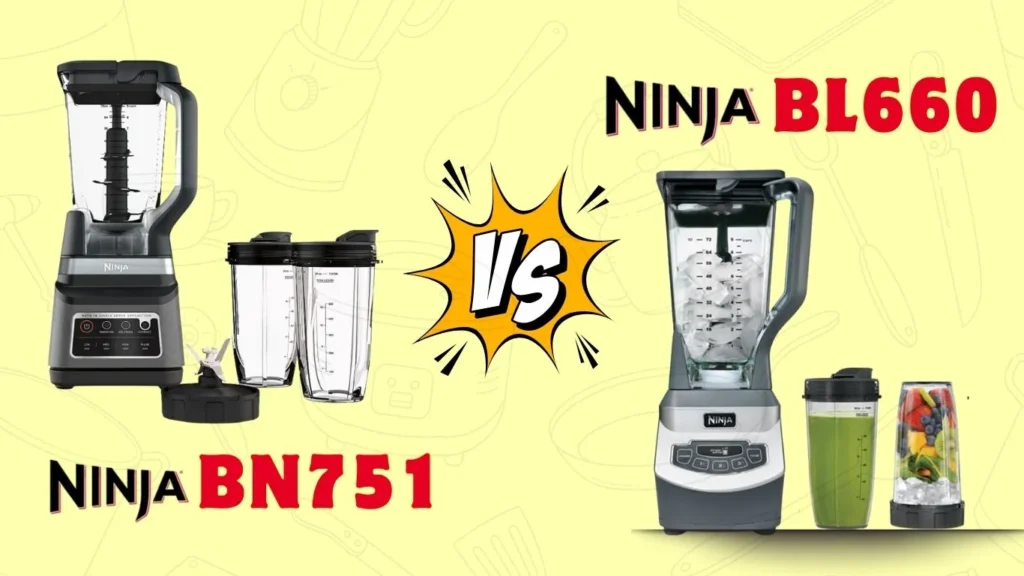
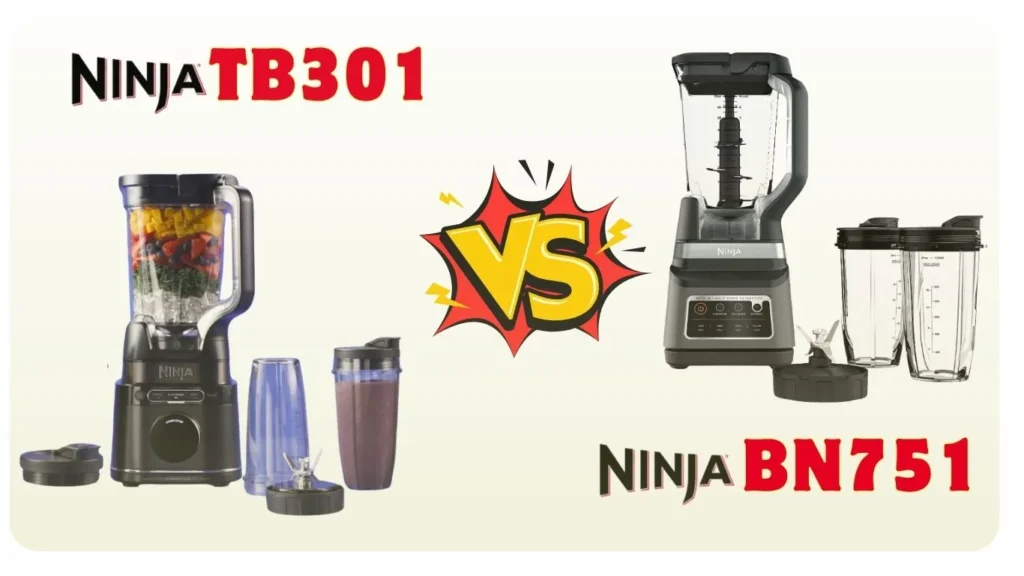
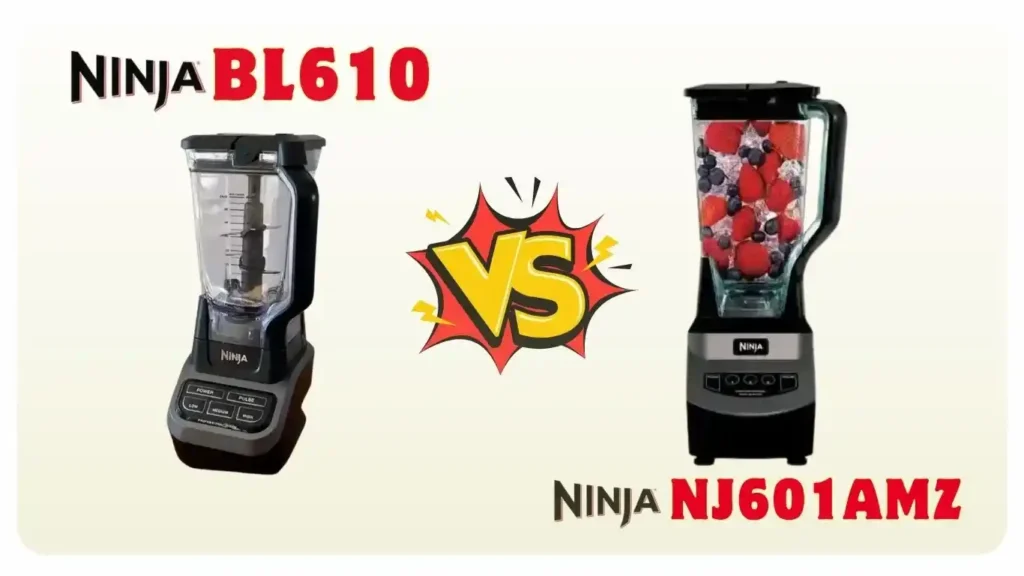
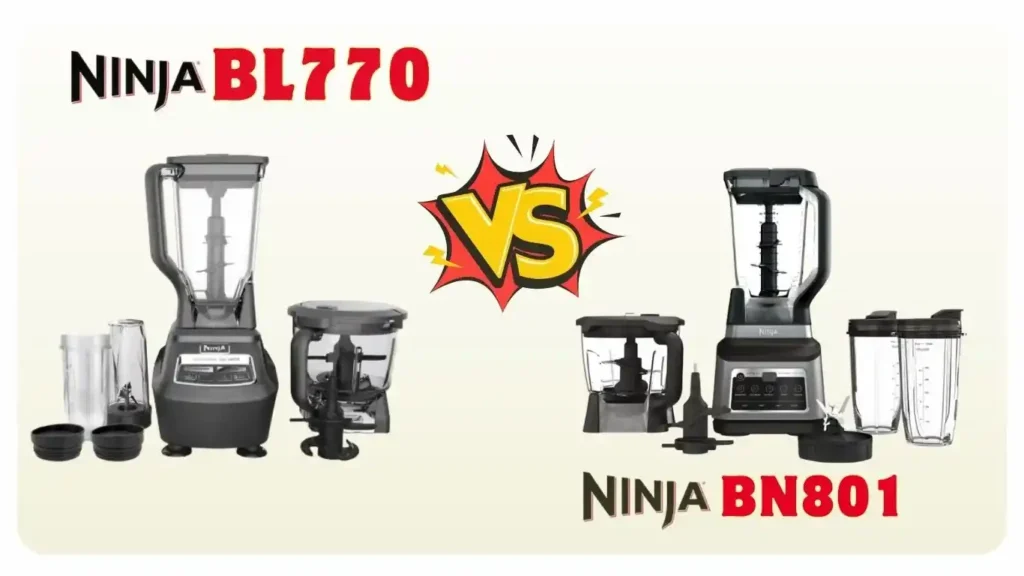
Choosing the right blender can make a big difference in your smoothie’s texture and flavor. Some blenders are designed with special settings and features that make blending fruits and vegetables easy and fast. Popular blender models like Vitamix, Ninja, and Nutribullet offer unique options that suit different smoothie needs.
Each model has strengths that help create smooth and creamy drinks. Understanding their settings and tips helps you get the best results every time.
Vitamix Settings Overview
Vitamix blenders offer variable speed controls and preset programs. The smoothie setting blends ingredients at high speed for a creamy texture. Use the tamper tool to push thick ingredients toward the blade. For frozen fruits, start on low speed and increase gradually. This prevents over-blending and keeps the smoothie silky smooth.
Ninja Blender Tips
Ninja blenders often have a dedicated “Smoothie” button. This setting blends quickly to crush ice and frozen fruit. For best results, add liquids first, then soft ingredients, and frozen items last. Pause blending to stir if needed. Using pulse mode helps break down chunks without over-blending. Clean the blade area well to avoid stuck ingredients.
Nutribullet Best Practices
Nutribullet works best with small batches. Fill the cup only to the max fill line. Blend for about 30 to 60 seconds on high power. Start with softer items like yogurt or bananas at the bottom. Add frozen fruits and ice last. If the mixture is too thick, add a splash of liquid and blend again. Avoid overfilling to ensure smooth blending.

Credit: www.kitchenaid.com
Common Mistakes To Avoid
A good smoothie depends on the right blender settings and careful preparation. Avoiding common mistakes helps achieve the perfect texture and taste. Many people make simple errors that reduce smoothie quality and strain the blender. This section highlights the most frequent mistakes and how to prevent them.
Overfilling The Blender
Filling the blender too full blocks proper blending. The blades need space to move freely and mix ingredients well. Overfilling causes uneven blending and can damage the motor. Leave some room at the top for ingredients to move and blend smoothly.
Adding Too Much Liquid
Too much liquid makes the smoothie thin and watery. It dilutes the flavors and reduces creaminess. Start with a small amount of liquid and add more only if needed. Thick smoothies blend better and taste richer.
Ignoring Blade Maintenance
Dull or dirty blades reduce blending power and smoothness. Clean the blades after every use to remove residue. Check blades regularly for wear or damage. Sharp blades blend ingredients quickly and create a smooth texture.
Enhancing Smoothie Texture: Ingredient Order, Speed & Thickening Tips
Creating the perfect smoothie texture requires more than just powerful blending. The right blender settings combined with smart ingredient choices make a smooth, creamy drink every time. Texture can range from light and frothy to thick and velvety. Adjusting how you add ingredients and what you include helps control this. This section explores simple ways to enhance your smoothie texture for better taste and feel.
Ingredient Order Tips
Place liquids at the bottom of the blender jar. This helps blades move easily and creates a vortex. Add soft ingredients next, like yogurt or ripe fruits. Harder ingredients and frozen items go on top. This order ensures even blending and avoids clogs. Start blending on low speed and slowly increase to high. This prevents splashing and helps break down all parts smoothly.
Using Frozen Vs Fresh Produce
Frozen fruits make smoothies colder and thicker. They reduce the need for ice, which can water down flavor. Fresh produce blends faster and gives a lighter texture. Use frozen items for a creamier, chilled drink. Combine fresh and frozen to balance thickness and freshness. Adjust blender speed to handle frozen chunks without straining the motor.
Incorporating Thickening Agents
Thickening agents add body and richness to your smoothie. Common choices include banana, avocado, and Greek yogurt. Chia seeds and oats also create a thicker texture. Add these slowly and blend well to avoid lumps. They increase creaminess and help smoothies feel more filling. Use small amounts first, then adjust for your preferred thickness.
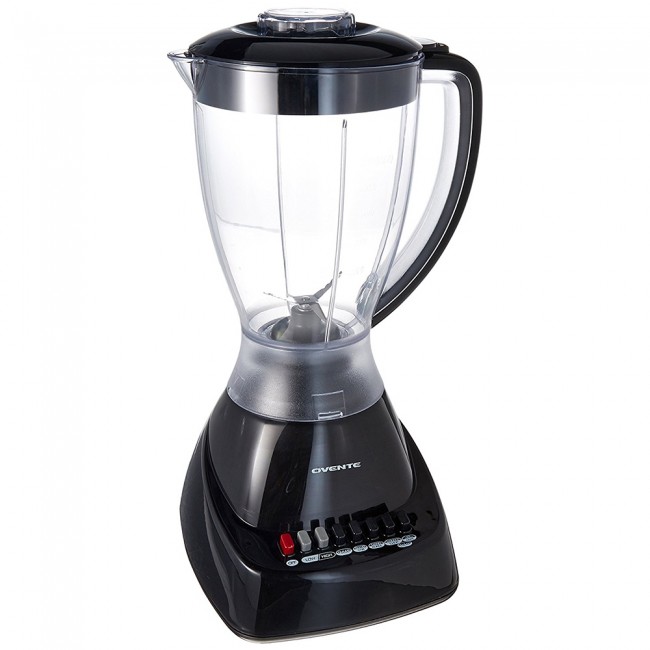
Credit: ovente.com
FAQ’s About the Best Blender Setting for Smoothies
What Blender Mode Is Best For Smoothies?
The best blender mode for smoothies is the liquify or smoothie setting. Start blending on low speed, then increase to high for a smooth texture. Use tamper tools if needed to blend frozen ingredients evenly.
What Is The Rule 3 For Smoothies?
Rule 3 for smoothies is to blend ingredients starting on low speed, then gradually increase to high for a smooth, creamy texture.
What Setting Should I Put My Blender On For A Smoothie Bowl?
Set your blender to low or medium speed first, then increase to high for a smooth, thick smoothie bowl consistency. Use a tamper to push frozen ingredients.
What Blender Speed For Smoothies?
Use low speed to start blending, then gradually increase to high speed for smooth, creamy smoothies. High speed blends frozen and soft ingredients well.
What Is The Best Blender Setting For Making Smoothies?
Use a high or liquify setting to blend ingredients smoothly and evenly.
Final Verdict: What Is the Best Blender Setting for Smoothies?
Choosing the right blender setting makes your smoothie smooth and tasty. Start blending on low speed to mix ingredients well. Then increase speed to medium or high for a creamy texture. Avoid over-blending to keep nutrients intact. Using the right setting saves time and effort.
Experiment with your blender to find what works best. Smooth, delicious smoothies are just a few button presses away. Keep these tips in mind for perfect results every time. Your blender settings matter for a great smoothie experience.

Hi, I’m Joshua Miller, a U.S.-based food lover, review writer, and Co-founder of KitchenWink.com. I hold a Bachelor of Science in Food Science and Culinary Technology, and for over five years I’ve been testing kitchen gadgets like air fryers, blenders, and other cooking tools.
I’m also a home cook, so every product I review is tried in real kitchens—not just in theory. My reviews are based on real results, simple fixes, and tips that anyone can use. With both formal training and hands-on testing, I make sure my advice is clear, honest, and practical.
My goal is simple: to help home cooks choose the right tools and make cooking easier every day.