Skip to content
Vacuum sealing is a powerful method for preserving food, especially for long-term storage. It works by removing air from packaging, slowing spoilage, and protecting food from freezer burn, pests, and moisture. Many people use vacuum sealers to extend the life of their groceries, reduce waste, and prepare for emergencies.
But not every food is suitable for vacuum sealing, and some choices are far better than others.
If you want to build a reliable food supply or just keep your pantry organized, knowing which foods vacuum seal best is critical. In this guide, you’ll discover the best foods to vacuum seal for long term storage, learn how to avoid common mistakes, and find practical tips to make your sealed foods last as long as possible.
Why Vacuum Sealing Works So Well
Vacuum sealing removes oxygen, which is the main cause of food spoilage. Without oxygen, bacteria and mold grow much slower. This process also protects food from freezer burn and keeps out insects. Foods that normally last weeks can often last months or even years when vacuum sealed and stored properly.
For example, raw meat stored in the freezer with regular packaging may last 6–12 months, but vacuum sealed meat can stay fresh for up to 3 years. Likewise, dried beans or rice can avoid moisture and pest problems for several years.
Best Foods To Vacuum Seal For Long Term Storage
1. Raw Meat (beef, Pork, Poultry, Fish)
Raw meat is one of the most popular foods to vacuum seal. When sealed and frozen, it can stay safe and tasty far longer than with regular packaging.
| Meat Type | Regular Storage | Vacuum Sealed Storage |
|---|---|---|
| Beef | 6–12 months | 2–3 years |
| Poultry | 6–12 months | 2–3 years |
| Fish | 6 months | 2 years |
| Pork | 6–12 months | 2–3 years |
Practical tip: Always freeze meat before vacuum sealing to prevent juices from interfering with the seal. Label packages with the date and cut for easy identification.
2. Cheese
Hard cheeses like cheddar, gouda, and parmesan do very well with vacuum sealing. Soft cheeses can be sealed too, but they must be eaten faster.
- Hard cheese: Up to 6 months in fridge (sealed)
- Soft cheese: Up to 3 weeks (sealed)
Non-obvious insight: For cheese, wrap it first in parchment paper before sealing. This prevents sticking and helps retain flavor.
3. Dried Grains (rice, Oats, Quinoa, Barley)
Dried grains are excellent for vacuum sealing because they contain little moisture and pests cannot reach them.
| Grain | Normal Shelf Life | Vacuum Sealed Shelf Life |
|---|---|---|
| Rice | 1–2 years | 4–5 years |
| Oats | 1 year | 3–5 years |
| Quinoa | 2 years | 5+ years |
| Barley | 1 year | 4–5 years |
Pro tip: Add an oxygen absorber in the bag for extra protection against spoilage.
4. Dried Beans And Legumes
Beans and legumes (black beans, lentils, chickpeas, etc.) are a staple for emergency storage. Vacuum sealing keeps them safe from bugs and humidity.
- Shelf life: Up to 10 years (sealed with oxygen absorber)
Example: Sealed lentils stored in a cool, dry place can still cook up soft after 8 years.
5. Nuts And Seeds
Nuts and seeds can spoil quickly because their oils turn rancid. Vacuum sealing slows this process.
- Almonds, walnuts, sunflower seeds: Up to 2 years (sealed in freezer)
- Peanuts: Up to 1 year
Non-obvious insight: Freeze nuts before sealing for the longest shelf life. The cold protects the oils.
6. Coffee Beans And Ground Coffee
Coffee loses flavor fast when exposed to air. Sealing keeps it fresh and aromatic.
- Whole beans: Up to 2 years (sealed)
- Ground coffee: 1 year (sealed)
Practical tip: Store sealed coffee in a dark, cool place for best results.
7. Dried Fruits
Dried fruits like raisins, apricots, and cranberries are high in sugar, which helps preserve them. Vacuum sealing prevents moisture and insects.
- Shelf life: Up to 2 years (sealed)
Example: Sealed dried mango slices taste fresh even after 18 months.
8. Spices And Herbs
Spices and dried herbs can lose their flavor to air and humidity. Vacuum sealing keeps their aroma strong.
| Spice/Herb | Normal Shelf Life | Vacuum Sealed Shelf Life |
|---|---|---|
| Ground spices | 1–2 years | 3–4 years |
| Dried herbs | 1 year | 3 years |
| Whole spices | 2–3 years | 5+ years |
Non-obvious insight: Vacuum seal small packs to avoid opening large quantities and losing freshness.
9. Pasta
Pasta stays good for years when kept dry and sealed. It’s easy to portion and store.
- Shelf life: Up to 5 years (sealed)
Tip: Avoid sealing cooked pasta—it won’t last.
10. Baked Goods (bread, Cookies, Cakes)
While not usually recommended for long-term storage, baked goods can be vacuum sealed for short periods.
- Bread: Up to 2 weeks (sealed)
- Cookies: Up to 6 months (sealed and frozen)
- Cakes: Up to 6 months (sealed and frozen)
Example: Homemade cookies, sealed and frozen, still taste fresh after 5 months.
11. Fresh Vegetables (blanched)
Some fresh vegetables can be vacuum sealed, but they must be blanched first to stop enzyme action.
- Carrots, broccoli, green beans: Up to 2 years (sealed and frozen)
Practical tip: Blanching means boiling briefly, then cooling in ice water before sealing. This preserves color and texture.
12. Fresh Fruits (blanched Or Frozen)
Most fresh fruits are too moist for vacuum sealing unless frozen or blanched.
- Strawberries, blueberries, peaches: Up to 2 years (sealed and frozen)
Non-obvious insight: Seal fruit in small portions to avoid thawing more than you need.
13. Flour And Baking Supplies
Flour, baking powder, yeast, sugar, and salt are common staples. Vacuum sealing keeps them dry and safe from bugs.
| Product | Normal Shelf Life | Vacuum Sealed Shelf Life |
|---|---|---|
| Flour | 6 months | 2 years |
| Sugar | 1–2 years | 5+ years |
| Baking powder | 1 year | 2 years |
| Salt | Indefinite | Indefinite |
Tip: Salt does not spoil but can clump; vacuum sealing keeps it free-flowing.
14. Ready-to-eat Meals (cooked And Frozen)
For busy people, ready-to-eat meals (soups, stews, casseroles) can be vacuum sealed and frozen.
- Shelf life: Up to 2 years (sealed and frozen)
Practical tip: Portion meals for easy reheating and avoid overfilling bags.
15. Pet Food
Pet food can be vacuum sealed for long-term storage, keeping it fresh and preventing pests.
- Shelf life: Up to 2 years (sealed and stored in cool, dry place)
Non-obvious insight: Divide into weekly portions to avoid spoilage after opening.
16. Herbs And Greens (frozen)
Fresh herbs and leafy greens lose quality fast. Vacuum seal and freeze for best results.
- Basil, parsley, spinach: Up to 1 year (sealed and frozen)
Tip: Wash and dry thoroughly before sealing.
17. Survival Foods (jerky, Dehydrated Meals)
Jerky and dehydrated meals are perfect for vacuum sealing. They are lightweight and last a long time.
- Jerky: Up to 2 years (sealed)
- Dehydrated meals: Up to 5 years (sealed)
Example: Homemade beef jerky, vacuum sealed, tastes fresh after a year.
18. Honey
Honey naturally lasts a very long time, but vacuum sealing prevents crystallization and contamination.
- Shelf life: Indefinite (sealed)
Tip: Use food-safe bags to prevent sticking.
19. Chocolate
Chocolate is sensitive to moisture and air. Vacuum sealing keeps it smooth and tasty.
- Shelf life: Up to 2 years (sealed and stored cool)
Non-obvious insight: White spots (bloom) can form if stored too warm, so keep sealed chocolate in a cool place.
20. Freeze-dried Foods
Freeze-dried foods (fruits, vegetables, meals) are ideal for vacuum sealing. They are low in moisture and last decades.
- Shelf life: Up to 25 years (sealed with oxygen absorber)
Tip: Always add an oxygen absorber for maximum shelf life.

Credit: www.amazon.com
Foods You Should Not Vacuum Seal For Long Term Storage
Not every food is safe to vacuum seal. Some can spoil, go bad, or cause health risks.
- Fresh garlic and onions: Can grow botulism bacteria in low oxygen.
- Soft cheeses: Can spoil quickly.
- Uncooked mushrooms: Spoil fast.
- Freshly cooked hot foods: Must cool before sealing.
- Moist breads and cakes: Mold risk.
- Raw cruciferous vegetables (broccoli, cauliflower): Must be blanched first.
Common mistake: Sealing foods without cooling or drying leads to poor results.
How To Vacuum Seal For Maximum Shelf Life
Choose The Right Bags
Use food-grade vacuum bags. Cheap bags may leak or break.
Pre-freezing Or Blanching
For moist foods, freeze or blanch before sealing. This stops bacteria and enzymes.
Add Oxygen Absorbers
Use oxygen absorbers for dry foods like grains, beans, and freeze-dried items.
Label Everything
Write the date and contents on every bag. It’s easy to forget what you sealed.
Store In Cool, Dark Places
Heat and light shorten shelf life. Use a pantry, cellar, or freezer.
Vacuum Sealing Vs. Other Storage Methods
Vacuum sealing is not the only way to preserve food. Here’s a quick comparison:
| Storage Method | Shelf Life | Protection |
|---|---|---|
| Vacuum sealing | 1–25 years | Air, moisture, pests |
| Freezing | 6–12 months | Some air exposure |
| Canning | 1–5 years | Good for moist foods |
| Dry storage | 6 months–2 years | Less protection |
Non-obvious insight: Combining methods (like vacuum sealing and freezing) often gives the best results.
Common Beginner Mistakes And How To Avoid Them
- Sealing damp or hot food. Always cool or dry food before sealing.
- Using thin or non-food-safe bags. Buy good quality bags.
- Forgetting to label. Use permanent markers for clear dates and names.
- Not using oxygen absorbers for dry foods.
- Overfilling bags. Leave space so the seal is strong.
Credit: www.nesco.com
Real-life Examples
- Family prepping: A family vacuum seals rice, beans, and pasta in meal-sized portions. Their pantry stays bug-free and organized for years.
- Outdoor enthusiasts: Campers seal jerky, nuts, and freeze-dried meals for trips. Lightweight and lasts longer.
- Home bakers: Sealing flour and sugar prevents pantry moths and keeps supplies fresh.
Vacuum Sealing Myths
- “All foods can be vacuum sealed.” Not true—some foods are unsafe.
- “Sealed food never spoils.” Shelf life improves, but storage conditions matter.
- “Vacuum sealing is expensive.” Simple sealers cost less than $50, and bags are affordable.
Choosing A Vacuum Sealer
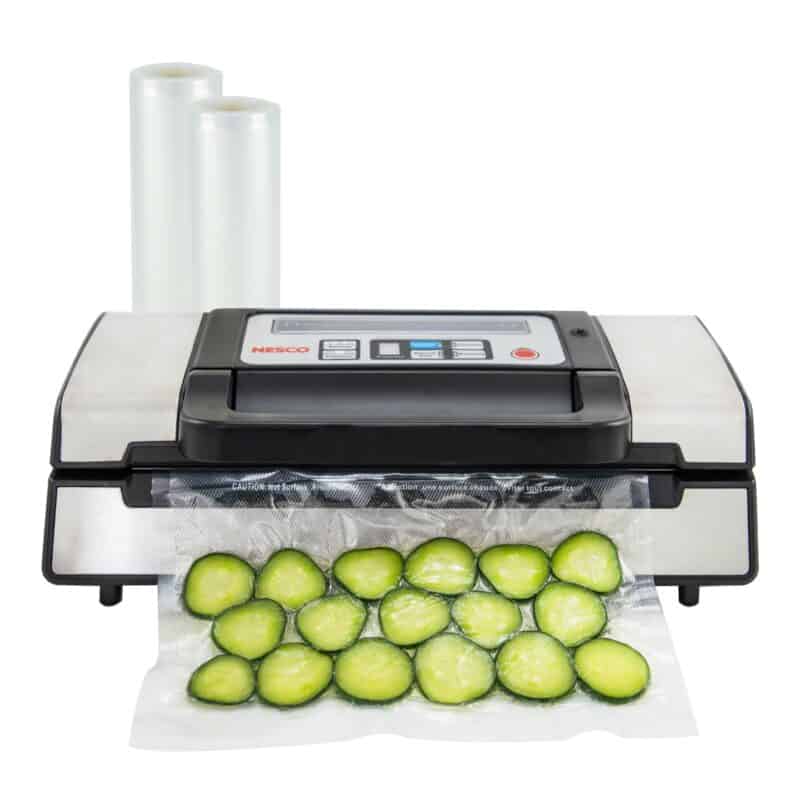
There are many models, from handheld units to large countertop machines. Consider:
- Bag compatibility
- Seal strength
- Ease of cleaning
- Price
For most homes, a medium-sized countertop sealer works well.
Frequently Asked Questions
Can I Vacuum Seal Liquids Like Soup Or Stew?
You can vacuum seal liquids, but freeze them first so they are solid. This prevents spills during sealing. After sealing, store in the freezer.
How Do I Know If My Vacuum Sealed Food Is Still Good?
Check for broken seals, discoloration, or bad smells. If the seal is broken or food looks odd, do not eat it. Always inspect before consuming.
Are Vacuum Sealed Foods Safe From Bugs And Rodents?
Yes, vacuum sealing keeps out bugs and rodents. But store in a safe place to prevent punctures. For extra safety, use containers for sealed bags.
Can I Vacuum Seal Leftovers?
Yes, you can vacuum seal leftovers. Cool them first, then seal and freeze. This keeps food fresh and saves money.
Where Can I Learn More About Food Preservation?
For more details and research, visit Wikipedia’s Food Preservation page.
Vacuum sealing is a smart way to protect your food and save money. By choosing the best foods, following safe practices, and avoiding common mistakes, you can build a long-lasting pantry that feeds your family and keeps your groceries fresh.
Whether you are preparing for emergencies or just reducing waste, vacuum sealing makes life easier and food storage more reliable.

Credit: wallabygoods.com