Dehydrating fruit is a simple way to preserve freshness and enjoy sweet snacks year-round. But the process is more than just slicing and drying. Temperature plays a key role in achieving the best results. Too high, and your fruit may become hard or lose flavor. Too low, and it can take forever or grow mold. Finding the optimal temperature is the secret to great dried fruit—whether you use a dehydrator, oven, or even the sun.
Why Temperature Matters In Fruit Dehydration
When you dry fruit, you remove most of its water. This preserves the fruit and makes it sweeter. The temperature you use affects:
- Drying time: Higher temperatures speed up drying.
- Texture: Low temperatures keep fruit soft; high temperatures can make it tough or brittle.
- Flavor and color: Gentle heat preserves natural flavors and colors better.
Drying fruit at the wrong temperature can cause case hardening—the outside dries fast and forms a tough shell, trapping moisture inside. This can lead to spoilage and uneven drying.
Ideal Dehydrating Temperatures For Common Fruits
Most fruits dry best between 125°F and 135°F (52°C–57°C). This range keeps the fruit safe, preserves nutrients, and avoids burning or hardening. Here’s a quick guide:
| Fruit | Best Temperature (°F) | Best Temperature (°C) |
|---|---|---|
| Apples | 135 | 57 |
| Bananas | 135 | 57 |
| Strawberries | 135 | 57 |
| Peaches | 135 | 57 |
| Pineapple | 135 | 57 |
| Grapes (raisins) | 130 | 54 |
| Cherries | 135 | 57 |
| Mango | 135 | 57 |
Some fruits, like grapes, have thicker skins and need a slightly lower temperature to dry evenly. For most fruits, 135°F is safe and efficient.

Credit: www.luvele.com.au
How Temperature Influences Drying Results
Texture
If you dry fruit at too high a temperature (above 140°F/60°C), the outside can harden before the inside dries. This is called case hardening. The result? Chewy, tough, or unevenly dried fruit.
Drying at too low a temperature (below 120°F/49°C) can take much longer. Sometimes, the fruit may ferment or grow mold before it dries.
Flavor And Color
Gentle heat keeps fruit’s natural flavor and color. Higher temperatures can cause browning or burnt flavors, especially in delicate fruits like strawberries or peaches.
Nutrition
Drying at 125°F–135°F preserves most vitamins and minerals. At higher temperatures, some nutrients break down faster. For example, vitamin C is sensitive to heat.
Dehydrator Vs. Oven: Temperature Control
Most food dehydrators have adjustable thermostats, making it easy to set the ideal temperature. Home ovens, however, often start at 170°F (77°C) or higher—much hotter than what’s best for fruit.
| Method | Temperature Range | Control | Best For |
|---|---|---|---|
| Dehydrator | 95–160°F (35–71°C) | Precise | All fruits |
| Oven | 170–200°F (77–93°C) | Limited | Sturdy fruits (apples, pears) |
| Sun drying | Varies (often 85–100°F/29–38°C daytime) | No control | Grapes, figs, dates |
If your oven doesn’t go lower than 170°F, prop the door open slightly to reduce heat. Use a thermometer to check the actual temperature.
Step-by-step: Dehydrating Fruit At The Right Temperature
- Prepare the fruit: Wash, peel (if needed), and slice evenly. Thinner slices dry faster and more evenly.
- Pretreat (optional): Dip apples or pears in lemon water to prevent browning. Blanch grapes for easier drying.
- Arrange on trays: Place slices in a single layer. Leave space for air to circulate.
- Set the temperature: Choose 125°F–135°F for most fruits.
- Drying time: Most fruits take 6–12 hours to dry, depending on thickness, humidity, and fruit type.
- Check for doneness: Fruit should be leathery, not sticky. Tear a piece—no moisture should squeeze out.
- Cool and store: Let the fruit cool before storing in airtight containers.
Tips For Better Drying Results
- Use a food thermometer to check dehydrator or oven accuracy. Many appliances run hotter or cooler than their settings.
- Rotate trays during drying for even results.
- Avoid overcrowding. Air flow is key for consistent drying.
- Dry similar fruits together. Mixing apples and bananas is fine; avoid drying juicy fruits (like peaches) with low-moisture ones (like apples).
- Keep humidity low in your kitchen. High humidity slows drying and can cause spoilage.
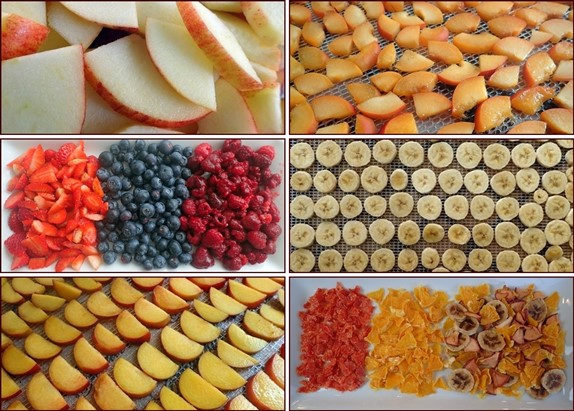
Credit: www.backpackingchef.com
Common Beginner Mistakes
- Using too high a temperature: This is the most frequent mistake. Beginners often think higher heat means faster drying. It actually leads to tough, uneven fruit.
- Not checking appliance temperature: Many ovens and dehydrators are not accurate. Always check with a thermometer.
- Cutting uneven slices: Thick and thin pieces dry at different rates. Aim for consistent thickness.
- Skipping pretreatment: Some fruits brown or lose flavor if not dipped in lemon water or blanched.
- Storing before cooling: Warm fruit can cause condensation, leading to mold in storage.
Comparing Drying Temperatures And Outcomes
Here’s a simple comparison to show how temperature affects drying:
| Temperature | Drying Time | Texture | Flavor |
|---|---|---|---|
| 115°F (46°C) | 15–24 hours | Soft | Fresh, mild |
| 130°F (54°C) | 8–12 hours | Chewy | Full, sweet |
| 145°F (63°C) | 5–8 hours | Tough | Less flavor |
| 170°F (77°C) | 3–5 hours | Hard, sometimes burnt | Bitter, overcooked |
Lower temperatures give softer, sweeter fruit. Higher temperatures dry faster but risk poor flavor.
Practical Examples And Insights
- Strawberries: Dry at 135°F for 8–10 hours. If you dry them at 150°F, they often brown and lose their fresh taste.
- Bananas: Slices dry best at 135°F for 10–12 hours. At 170°F, they become hard chips—not ideal for chewy snacks.
- Grapes: Blanch and dry at 130°F for 24–36 hours. Using higher heat causes case hardening and sticky centers.
Many beginners miss that humidity matters as much as temperature. In rainy weather, even with a dehydrator, drying can take longer. Also, the thickness of slices changes drying time—thinner dries faster, but can be too crisp if the temperature is too high.
Another overlooked tip: cool fruit before storing. Warm, freshly dried fruit can form condensation in jars or bags, leading to spoilage.
How To Adjust For Different Fruits
Not all fruits dry the same way. Juicy fruits, like peaches and mangoes, need a bit more attention. Here’s how to adjust:
- Dry juicy fruits at the lower end (125°F) for more even drying.
- Dry low-moisture fruits (like apples) at 135°F for speed.
- For berries, keep it between 125°F and 135°F. Too high, and they shrivel.
If you’re mixing fruit types, pick the lowest recommended temperature. It’s safer and keeps everything tasting fresh.
Storing Dried Fruit
After drying, store fruit in airtight containers. Glass jars, zip bags, or vacuum-sealed packs all work well. Keep them in a cool, dry place.
- Avoid sunlight and heat, which can spoil dried fruit.
- If you see moisture inside the container after a few days, re-dry the fruit for 1–2 hours.
Proper storage keeps dried fruit fresh for 6–12 months.
Dehydrating At Home Vs. Commercial Settings
Commercial fruit dryers use precise controls and low humidity. At home, most people use simple dehydrators or ovens. Home drying is safe and effective when you follow the right temperatures.
A study by the USDA found that drying fruit between 125°F and 135°F keeps most vitamins and color, with very little loss. Commercial dryers often use 130°F–140°F for best results.
For more guidance, see this official resource from the National Center for Home Food Preservation.
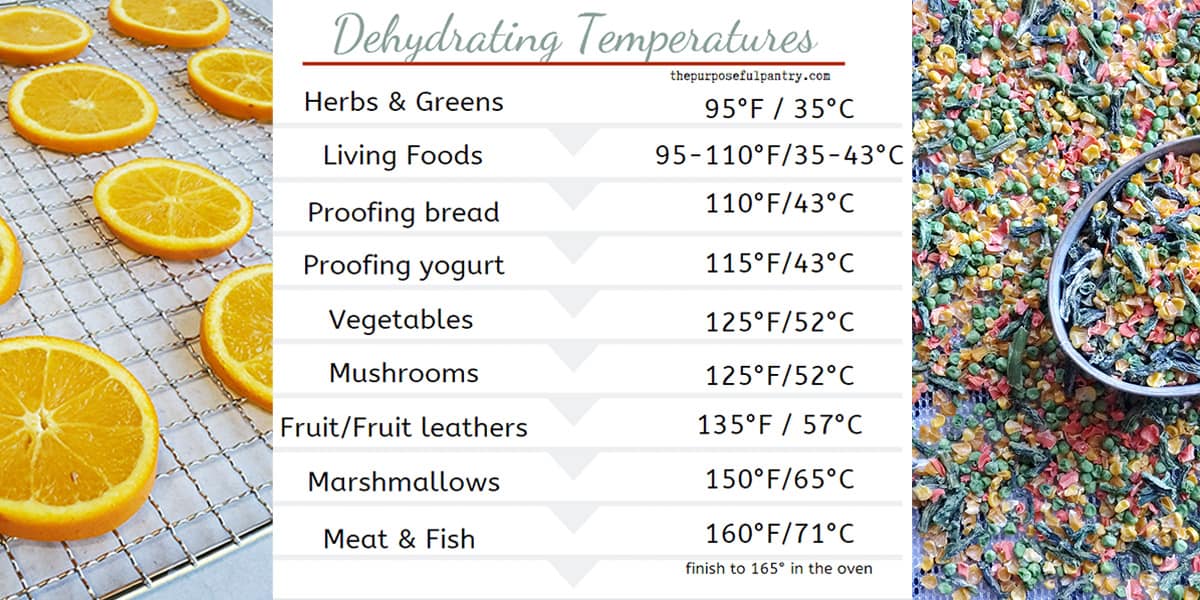
Credit: www.thepurposefulpantry.com
Frequently Asked Questions
What Happens If I Dry Fruit At Too High A Temperature?
Drying fruit above 140°F causes the outside to harden quickly, trapping moisture inside. This leads to case hardening, tough texture, and poor flavor. The fruit may spoil because the inside stays moist.
Can I Use My Oven To Dehydrate Fruit?
Yes, but most ovens are not ideal for fruit. They often start at 170°F or higher, which is too hot. If you must use an oven, prop the door open and use a thermometer to keep the temperature as close to 135°F as possible.
How Do I Know When Fruit Is Done Drying?
Properly dried fruit feels leathery and pliable, not sticky or wet. Tear a piece—there should be no moisture beads. If in doubt, dry for another hour and check again.
Is It Safe To Dry Fruit At Low Temperatures?
Drying below 120°F is not recommended. It takes much longer and risks spoilage or mold. For safety and quality, stick to 125°F–135°F.
Does Dehydrating Fruit Destroy Nutrients?
Some vitamins, like vitamin C, are sensitive to heat. Drying at 125°F–135°F preserves most nutrients. Higher temperatures cause more loss. Proper drying keeps fruit healthy and tasty.
Dehydrating fruit is simple once you understand temperature. Using the right heat makes your fruit sweet, chewy, and safe. Follow these tips for perfect results every time.