Many people worry about dust mites in their homes. These tiny creatures live in bedding, carpets, and furniture. Dust mites can cause allergies, asthma, and itchy skin. You may wonder if your vacuum cleaner can remove dust mites and make your home healthier. This article looks closely at how effective vacuum cleaners are against dust mites, what types work best, and what extra steps you can take. By the end, you will know how to fight dust mites and make your living space safer.
What Are Dust Mites?
Dust mites are microscopic animals, about 0.2–0.3 mm long. You cannot see them without a microscope. They feed on dead skin cells that humans and pets shed. Dust mites love warm, humid places like mattresses, pillows, carpets, and sofas. They do not bite, but their waste and bodies can trigger allergies.
Studies show that dust mites are present in most homes. For example, the American Lung Association estimates that up to 80% of homes in the US have dust mites. A single mattress may have thousands of dust mites living inside.
Why Are Dust Mites A Problem?
Dust mites themselves are harmless, but their droppings and body fragments cause allergic reactions. When you breathe in these particles, your body reacts. Symptoms include:
- Sneezing
- Runny nose
- Red, itchy eyes
- Asthma attacks
- Skin rashes
If you have allergies, dust mites can make your symptoms worse. Children and older adults are more sensitive to dust mite exposure.
Credit: www.heveya.sg
Can A Vacuum Cleaner Remove Dust Mites?
Vacuum cleaners are a popular way to clean homes and fight dust mites. But can they really remove dust mites from your carpets, mattresses, and furniture? The answer is not simple.
How Vacuum Cleaners Work
Vacuum cleaners use suction to pull in dirt, dust, and debris. The power of a vacuum is measured by suction strength and airflow. Most vacuums can remove larger particles, but dust mites are very small and cling tightly to surfaces.
Removing Dust Mites Vs. Reducing Allergens
Vacuum cleaners can remove some dust mites, but they are much better at picking up their waste (allergens). Often, mites are deep inside fibers or fabric, where suction cannot reach. Also, many vacuums stir up dust, which can make allergies worse if the vacuum does not have a good filter.
Scientific Data
Research shows mixed results. According to a study published in the Journal of Allergy and Clinical Immunology, vacuuming alone reduces dust mite allergen by only 10–20%. Even powerful vacuums cannot remove all dust mites. Most only clean the surface.
Another study found that vacuuming with a HEPA filter (High-Efficiency Particulate Air) reduces airborne allergens much more than regular vacuums. Still, dust mites deep inside mattresses and carpets remain.
Types Of Vacuum Cleaners: Which Is Best For Dust Mites?
Different vacuum cleaners have different abilities. Let’s compare the main types.
| Vacuum Type | Dust Mite Removal | Allergen Control | Comments |
|---|---|---|---|
| Standard Bagless | Low | Medium | Good for surface cleaning; may release dust |
| HEPA Filter | Medium | High | Captures tiny particles; safer for allergy sufferers |
| Steam Cleaner | High | High | Kills mites with heat; cleans deep |
| Upright (with brush) | Medium | Medium | Agitates carpet; better for thick carpets |
| Handheld | Low | Low | Best for spot cleaning |
HEPA filter vacuums are best for allergy control. They trap fine dust and mite waste, preventing it from escaping. Steam cleaners use heat and moisture, which kills dust mites, but they are not traditional vacuums. Standard vacuums without filters often blow dust back into the air.

Credit: jigoolife.com
How To Use A Vacuum Cleaner For Maximum Dust Mite Removal
Using a vacuum cleaner correctly is just as important as choosing the right type.
- Vacuum slowly: Move the vacuum slowly over carpets and upholstery. Quick passes miss dust and mites.
- Use attachments: Use nozzle and brush attachments for corners, edges, and furniture.
- Vacuum frequently: At least twice per week in bedrooms and living rooms.
- Change filters: Clean or replace filters regularly, especially HEPA filters.
- Empty dust bins outdoors: This prevents dust from spreading inside.
Special Tips
- For mattresses, use a vacuum with a mattress tool or upholstery brush.
- If possible, vacuum after washing bedding. This removes leftover dust.
- Avoid vacuuming with windows open on windy days, as dust can enter.
Why Vacuuming Alone Is Not Enough
Vacuuming helps reduce dust mites, but it cannot remove all of them. Dust mites hide deep inside soft materials. They cling to fibers and escape suction. Some vacuums even spread dust mite allergens if the filter is poor.
Additional Methods To Control Dust Mites
To really fight dust mites, combine vacuuming with other actions:
| Method | Effectiveness | How It Works |
|---|---|---|
| Washing Bedding | High | Hot water (130°F/54°C) kills mites |
| Encasing Mattresses | Medium | Special covers block mites |
| Reducing Humidity | High | Mites die in dry air (below 50% humidity) |
| Steam Cleaning | High | Heat kills mites and eggs |
| Removing Carpets | Very High | Fewer places for mites to live |
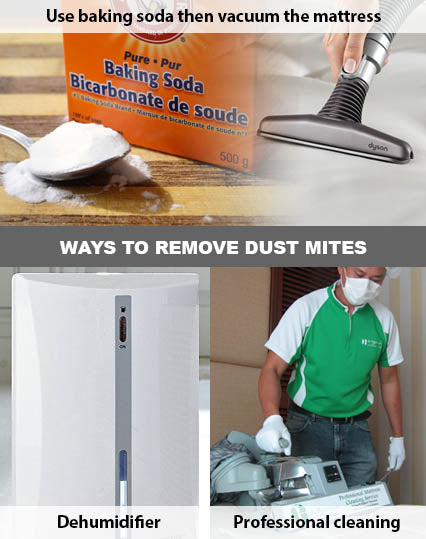
Hot water washing is one of the most effective methods. Most experts recommend washing sheets and pillowcases weekly. Encasing mattresses and pillows in special covers also helps. Mites need moisture, so using a dehumidifier can cut their numbers.
Common Mistakes When Using Vacuums Against Dust Mites
Many people make errors when trying to remove dust mites. Avoid these to get better results:
- Using a vacuum without a HEPA filter: This releases allergens.
- Not vacuuming mattresses and pillows: Dust mites love these spots.
- Vacuuming only once per week: Mites multiply fast.
- Forgetting to clean vacuum attachments: Dust builds up.
- Keeping carpets in bedrooms: Carpets hold mites.
A common beginner mistake is believing that vacuuming alone solves the problem. It is only part of a bigger plan.
Non-obvious Insights
- Dust mite eggs are even harder to remove than adult mites. Many vacuums cannot pick up eggs, so steam cleaning or hot water washing is needed.
- Vacuum frequency matters more than suction power. Regular cleaning (twice a week) reduces allergens more than using a powerful vacuum less often.
These insights help you avoid wasted effort and focus on what works.
Are Bagless Or Bagged Vacuums Better For Dust Mites?
Both bagless and bagged vacuums have pros and cons for dust mite control.
- Bagged vacuums keep dust trapped. When you change the bag, you throw away mites and allergens. But bags cost more.
- Bagless vacuums are easier to empty, but you may breathe in dust when you dump the bin.
For allergy sufferers, bagged models are safer. Always empty bags or bins outdoors.
Vacuum Cleaner Brands And Models
Some brands are known for their ability to fight dust mites:
- Dyson: Many models have strong suction and HEPA filters.
- Miele: Offers sealed systems and HEPA bags.
- Shark: Affordable models with HEPA options.
For best results, check for features like HEPA filtration, mattress tools, and easy cleaning.
Alternatives To Vacuuming
Some people use other methods to control dust mites:
- Air purifiers: Remove airborne allergens but do not clean surfaces.
- Steam cleaners: Use heat to kill mites in fabric.
- UV light devices: Claim to kill mites, but evidence is mixed.
Vacuuming remains the most practical option for regular cleaning.
Scientific Studies And Expert Advice
Experts agree that vacuuming is helpful but not enough. The National Institute of Environmental Health Sciences suggests combining vacuuming with washing bedding and reducing humidity. For severe allergies, removing carpets and soft furniture may be needed.
For more detailed research, see this medical review on dust mite control.
:max_bytes(150000):strip_icc()/baking-soda-clean-vacuum-mattress-getty-1023-1a60fd260fbe4a87bbee6874a1873f19.jpg)
Credit: www.marthastewart.com
How Often Should You Vacuum?
- Bedrooms: Twice per week
- Living rooms: Once per week
- Mattresses: Every two weeks
- Pillows: Every two weeks
If you have allergies, increase frequency.
Practical Steps For A Dust Mite-free Home
Follow these steps for best results:
- Use a HEPA filter vacuum regularly.
- Wash bedding in hot water every week.
- Reduce humidity below 50%.
- Encapsulate mattresses and pillows.
- Remove carpets from bedrooms if possible.
This routine keeps dust mites under control and lowers allergy risk.
Frequently Asked Questions
Can A Vacuum Cleaner Completely Remove Dust Mites?
No. A vacuum cleaner can remove some dust mites, but not all. Most mites hide deep inside fabric and carpets. Vacuuming mainly removes surface mites and allergens.
Does Vacuuming Kill Dust Mites?
Vacuuming does not kill dust mites. It only sucks up some mites and their waste. To kill mites, use hot water, steam cleaning, or reduce humidity.
Which Vacuum Cleaner Is Best For Allergies Caused By Dust Mites?
A vacuum with a HEPA filter is best for allergies. HEPA filters trap tiny particles and prevent allergens from escaping into the air.
How Often Should I Vacuum To Control Dust Mites?
Vacuum at least twice per week in bedrooms and living rooms. Increase frequency if you have allergy symptoms or pets.
Are Steam Cleaners Better Than Regular Vacuums For Dust Mite Removal?
Yes. Steam cleaners use heat to kill dust mites and their eggs. Regular vacuums only remove some surface mites and allergens.
Dust mites are a common problem, but you can control them with the right tools and habits. Vacuum cleaners help reduce dust mite allergens, especially when used with HEPA filters and proper cleaning steps. But vacuuming alone will not solve the issue. Combine it with hot water washing, mattress covers, and humidity control for a healthier home. With the right routine, you can breathe easier and enjoy a cleaner space.