Can cooked food last a week in the fridge? Not safely. Standard food safety guidance gives cooked leftovers a three to four day window.
After that, bacteria can multiply enough to make you sick. And here’s the catch: dangerous food often still looks and smells normal.
Our research keeps coming back to the same numbers. The USDA and FDA both use 40°F (4°C) as the safe fridge baseline. At that temperature, most cooked leftovers stay safe for three to four days.
As of 2026, those guidelines haven’t changed, so the risk hasn’t either.
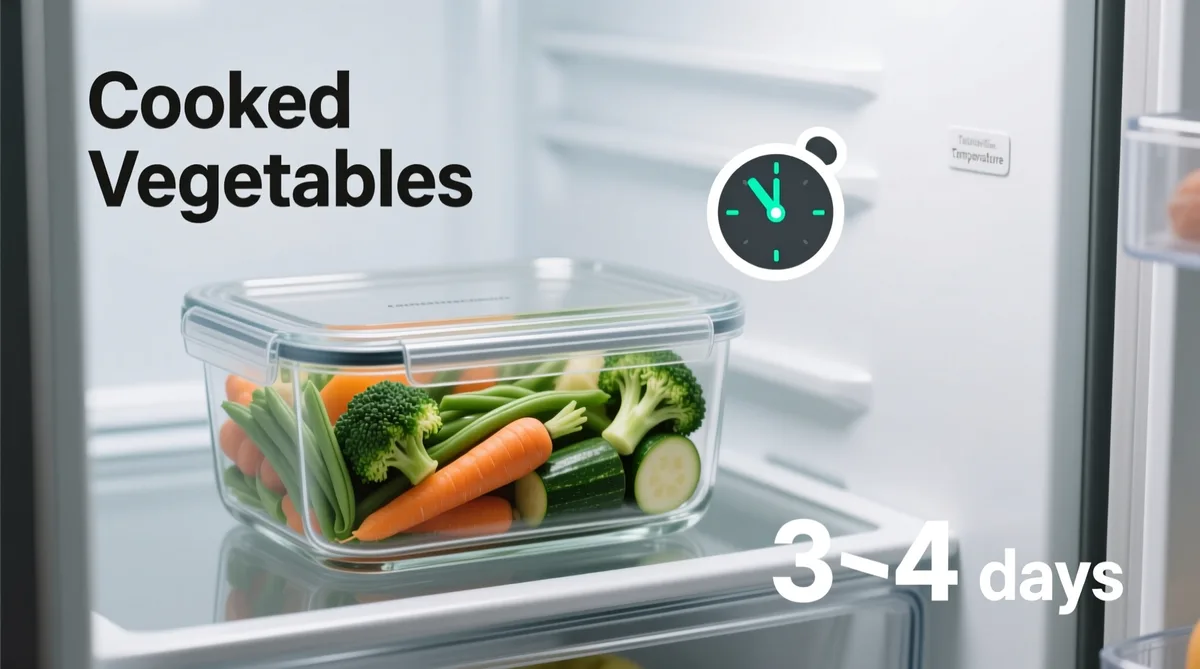
Quick Answer: Why 3-4 Days Is the Rule Most Experts Agree On
Cooked food won’t last a full week in the fridge. The USDA says eat leftovers within 3 to 4 days. Refrigerator temps of 40°F or below slow bacteria but don’t kill them.
By day 7, the risk isn’t worth it. Freeze extras before the three-day mark.
How Cooked Food Goes Bad: The Bacteria, Time, and Temperature Equation
Bacteria need three things to take off: warmth, moisture, and time. Cooked food provides moisture and nutrients. The “danger zone” between 40°F and 140°F (4°C and 60°C) provides the warmth.
According to the USDA Food Safety and Inspection Service, bacteria can double in number in as little as 20 minutes inside that zone.
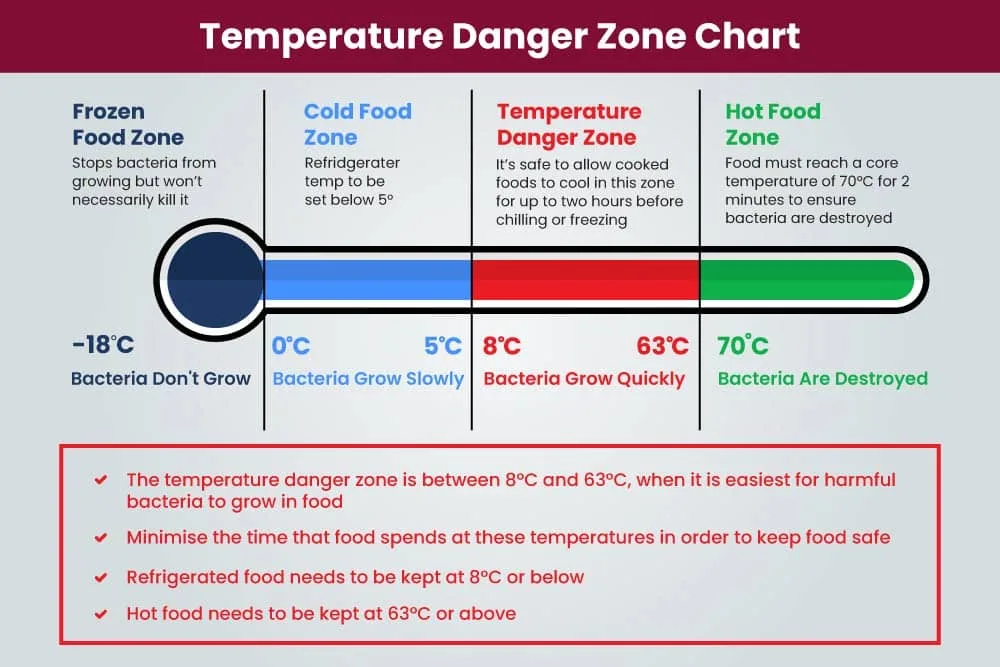
That’s why leaving a pot of stew out for hours is risky. You don’t need a microbiology lab to understand why. Cooked food that stays between 40°F and 140°F gives bacteria a free ride.
Cooling it quickly and getting it below 40°F is step one.
Spoilage bacteria are different from pathogenic bacteria. Spoilage bacteria make food slimy and sour. Pathogenic bacteria cause illness but leave no trace.
The smell test can’t save you here.
Some strains can even grow at refrigerator temperatures. Listeria monocytogenes is one. That’s why the 3-4 day limit still applies even when you do everything right.
Is a Week Ever Safe? When Leftovers Cross the Line
Not for homemade meals. The 3-4 day rule is the fence. A week sits on the other side.
There are a few exceptions. Hard-cooked eggs last up to seven days. Commercially canned foods follow different timelines.
Your Tuesday chicken stir-fry doesn’t get that pass.
If you’re cooking for the week, your plan needs a freezer in it. Freeze portions by day three. That stops the bacterial clock.
The freezer doesn’t kill bacteria, but it keeps them dormant until you reheat.
Here’s the if/then logic that actually works:
- If it’s day one or two, you’re fine.
- If it’s day three, eat it or freeze it.
- If it’s day four, this is the limit.
- If it’s day five or later, toss it.
“You’ve heard ‘when in doubt, throw it out’ for a reason. Day seven is not the time for a taste test.”
Which Cooked Foods Spoil Fastest? A Food-by-Food Breakdown
Different foods have different moisture, protein, and acid levels. Those factors change how quickly bacteria multiply. But here’s the pattern: almost all cooked leftovers land at 3-4 days.
| Food Type | Fridge Shelf Life | Why / Notes |
|---|---|---|
| Cooked poultry (chicken, turkey) | 3-4 days | Dense protein, easy for bacteria to grow |
| Ground meat dishes (meatballs, burgers, taco filling) | 3-4 days | More surface area means faster bacterial spread |
| Cooked beef, pork, lamb (roasts, chops) | 3-4 days | Same window, no special pass |
| Cooked fish and seafood | 3-4 days | Highly perishable, eat sooner rather than later |
| Soups, stews, curries | 3-4 days | Large liquid mass cools slowly, use shallow containers |
| Cooked rice, grains, pasta | 3-4 days | Bacillus cereus spores survive cooking and make toxins that heat won’t destroy |
| Cooked vegetables | 3-4 days | Lower protein but still vulnerable |
| Hard-cooked eggs | 7 days | The one common cooked food that reaches a week |
| Pickled or preserved cooked foods | Varies | Depends on acidity, salt, and preparation method |
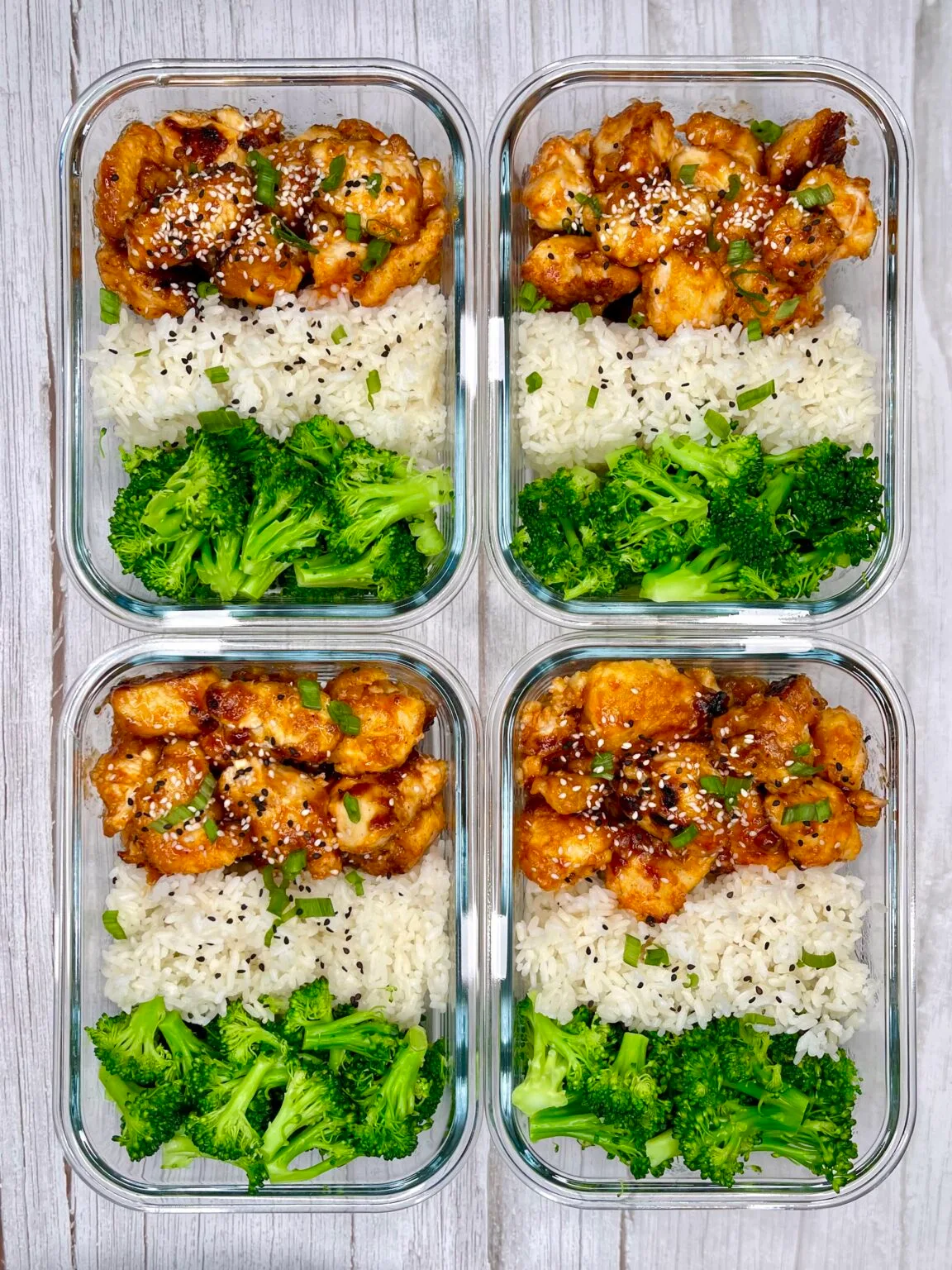
The biggest surprise is cooked rice. Bacillus cereus spores can survive boiling. If rice sits out too long, the bacteria release toxins that reheating won’t remove.
So rice can punish you even when it smells completely fine.
Don’t use food type as an excuse to stretch the window. The 3-4 day rule exists because it works across every home-cooked leftover. Treat it as the universal floor.
The Two Biggest Risk Factors: Cooling Speed and Fridge Temperature
These two factors decide whether the 3-4 day window actually holds. Get either one wrong, and that timeline shrinks fast.
Cooling Speed
When food finishes cooking, it’s hot. Leaving it on the counter to “cool down first” keeps it in the danger zone for hours. A giant pot of chili can stay warm in the center long after the surface feels cool.
The fix is simple. Divide cooked food into shallow containers, about two inches deep. Get them into the fridge within two hours.
If the room is above 90°F (32°C), that window drops to one hour.
And don’t stack warm containers tightly together. The one in the middle stays warm. Leave space for air to move until they’ve chilled.
If cooked food has been out for more than two hours, it doesn’t matter how cold your fridge is. Throw it out.
Fridge Temperature
Your refrigerator’s dial doesn’t tell you the real number. The actual temperature inside can be higher than the setting. A quiet 42°F fridge looks fine and works poorly.
Use a low-cost appliance thermometer. Put it on the middle shelf, not the door. Set the fridge between 37°F and 39°F (3°C and 4°C).
That gives you a buffer against daily temperature swings.
The door is the worst spot for leftovers. Every time you open the fridge, the door warms up first. Put high-risk cooked food on the top or middle shelf, where temperatures stay most stable.
Those two factors set the baseline. Nail them, and the 3-4 day rule becomes a simple, reliable habit. Miss them, and you’re gambling with every container in the fridge.
How to Store Cooked Food Safely for Maximum Shelf Life
Airtight containers do more than keep flavors from mingling. They block airborne bacteria and keep food from drying out. Glass with a tight lid works well.
So do food-grade plastic or silicone containers.
Divide larger batches into shallow portions, about two inches deep. This lowers the core temperature faster. Then place them on the middle or upper fridge shelf, away from the door.
The back of the shelf is coldest.
Label each container with the contents and the date you cooked it. Masking tape and a marker work fine. Use the oldest food first.
This “first in, first out” habit stops a science project from forming behind the yogurt.
Raw meat deserves its own shelf at the bottom. Cooked leftovers stay above it. That way, raw drips never have a chance to cross-contaminate.
Reheating Leftovers the Right Way: The 165°F Rule
Reheat leftovers until the internal temperature hits 165°F (74°C). That kills any bacteria that survived the storage window. It also neutralizes toxins from some pathogens, though not all.
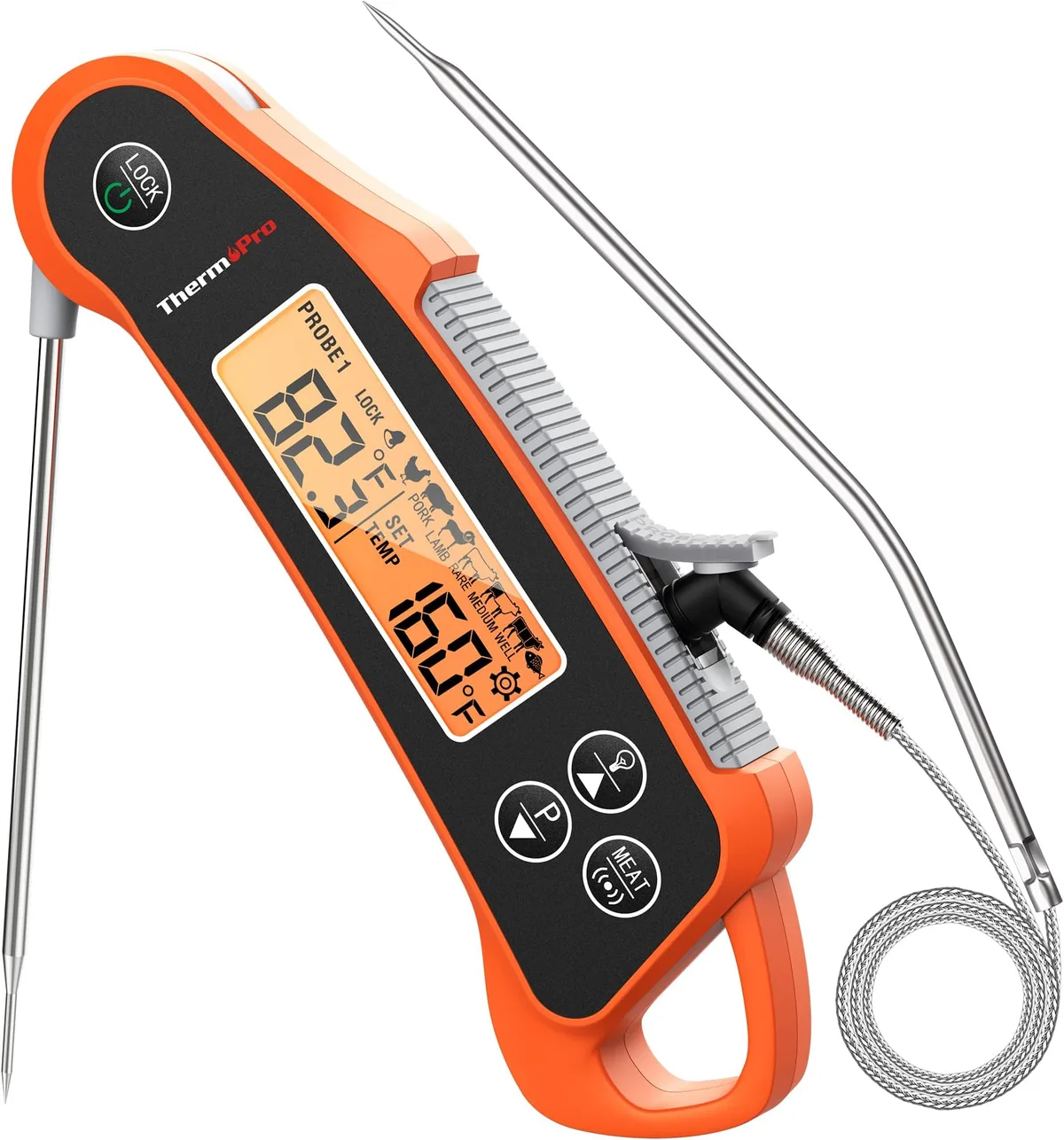
A digital instant-read thermometer is the only reliable tool for this. Insert the probe into the center of the food, away from bone and large pockets of fat. If it hasn’t reached 165°F, heat it longer and check again.
Microwaves heat unevenly. Stir liquids and rotate the plate halfway through. Ovens work best for casseroles and roasted meats.
Covering food holds in steam, which helps the surface reach a safe temperature too.
Reheat only what you’ll actually eat. Once leftovers are reheated, they must be consumed or thrown out. Never return reheated food to the fridge for a second round later.
Meal Prep and Batch Cooking: Real-Life Scenarios That Actually Work
Meal prep works when you plan around the 3-4 day rule, not against it. Cook Sunday afternoon. Eat those portions Monday and Tuesday.
By Wednesday, freeze the rest.
The if/then logic is simple. If you’ll eat it within three days, refrigerate it. If not, freeze it before the 48-hour mark.
This keeps every meal inside the safe window.
For a single person, freeze half the batch immediately. For a family, keep what you’ll finish and freeze the rest. That’s how you get seven days of home-cooked food without gambling on day six.
Mistakes That Put You at Risk for Food Poisoning
The biggest mistake is leaving cooked food on the counter too long. The two-hour rule isn’t a suggestion. It’s a hard boundary.
The second is tasting uncertain food. Pathogenic bacteria don’t change the taste. You can eat a spoonful that looks and smells perfectly fine and still get sick hours later.
Overcrowding the fridge is another one. Warm containers push the internal temperature up. Even a short spike can place your food inside the danger zone.
Other common slips:
- Storing leftovers in the fridge door, where temperatures swing widest
- Reheating the same container twice
- Using a bowl with a loose lid or no seal at all
- Assuming “steaming hot” means it’s safe
- Mixing new leftovers into an old container of the same food
Should You Just Freeze It? Refrigerator vs. Freezer for Leftovers
Freeze leftovers when you know you won’t eat them within three days. Cooked food holds its quality for 3 to 4 months at 0°F (-18°C). The refrigerator simply gives you a short window.
| Storage Method | Temperature | Shelf Life | Best For |
|---|---|---|---|
| Refrigerator | 40°F (4°C) or below | 3-4 days | Eating this week |
| Freezer | 0°F (-18°C) or below | 3-4 months | Long-term meal prep |
Wrap food tightly in freezer-safe bags or containers. Press out excess air to prevent freezer burn. Label and date everything before it goes in.
To thaw, move frozen leftovers to the fridge overnight. Once thawed, reheat to 165°F and eat within 24 hours. Never thaw on the counter.
That puts the food straight back into the danger zone.
High-Risk Groups: When Leftovers Are More Dangerous for Certain People
Some people need to be stricter than the 3-4 day rule. Their immune systems can’t fight off foodborne bacteria as easily. For them, even properly stored leftovers can become a real hazard.
The groups that should shorten the window include pregnant people, young children, older adults, and anyone with a weakened immune system. That includes people on chemotherapy, organ transplant recipients, and those with chronic conditions like diabetes or liver disease.
For these groups, the safest window is 1 to 2 days for most cooked leftovers. Some healthcare providers recommend only eating freshly prepared food. That’s the best way to cut the risk of listeriosis, salmonellosis, and other infections.
If you’re cooking for someone in a high-risk group, write the date on the container. Plan to serve it within two days. Or freeze portions right away for later.
When in doubt, throw it out. That phrase matters even more for them.
Signs You Should Throw It Out: Beyond the Smell Test
Smelling your leftovers is not enough. Some dangerous bacteria leave no scent at all. But visual and textural clues can still give you a reason to toss something.
Look for these obvious signs:
- Slimy or sticky surface on meat, poultry, or fish
- Soft spots, mushiness, or a broken-down texture in vegetables
- Visible mold, whether fuzzy or speckled
- Sour, bitter, or “off” odor that’s stronger than usual
- Bubbling or fizzy liquid around the food
- Large ice crystals or freezer burn in frozen leftovers
If you see any of those, the food goes in the bin. This is not a time to test your luck.
Here’s the catch. Leftovers can look and smell completely normal and still be risky. The 3-4 day rule is a time limit, not a smell test.
If the calendar says day five, don’t let a clean sniff talk you into eating it.
FAQs: Common Questions About Cooked Food Shelf Life
Can cooked food last a week in the fridge?
No. Most cooked dishes stay safe for three to four days at 40°F or below. By day seven, pathogenic bacteria may have multiplied enough to cause food poisoning.
The smell and taste won’t tell you. Freeze leftovers before day three if you need them to last longer.
How long does cooked chicken last in the fridge?
Cooked chicken lasts three to four days in the refrigerator. Store it in an airtight container and place it on a middle shelf. After that, eat it or freeze it.
Reheat to 165°F before serving.
Does reheating leftovers kill all bacteria?
Reheating to 165°F kills most live bacteria, but not all toxins. Some bacteria produce heat-stable toxins that survive cooking. That’s why reheating can’t rescue food that has already been stored too long or left out too many hours.
Can I reheat leftovers more than once?
It’s best not to. Each reheat cycle passes the food back through the danger zone. Reheat only the portion you plan to eat.
If you’ve reheated something once and haven’t finished it, throw out what’s left.
How do I know if my fridge is cold enough?
Use an appliance thermometer on the middle shelf. The temperature should read 40°F or below. If it reads higher, adjust the dial and check again in a few hours.
Warm fridges shorten the shelf life of every leftover you store.
Is it safe to eat leftovers that have been left out overnight?
No. Throw them out. The two-hour rule is a firm limit.
Bacteria multiply rapidly when food sits between 40°F and 140°F. Overnight is far beyond that window.
My Final Verdict: What I’d Do With Cooked Food After 7 Days
I’d throw it away. Every piece of research we’ve reviewed points the same direction. Day seven is well past the safe window for virtually all home-cooked leftovers.
The only common cooked food that genuinely lasts a week is hard-cooked eggs. Even then, taste and texture degrade after day five. Everything else should hit the compost or trash.
Here’s the practical fix: freeze the food you won’t eat within three days. That turns a three-day shelf life into three months. You get the convenience of meal prep without playing roulette with your stomach.
The bottom line is simple. Cooked food can’t safely last a week in the fridge. Plan around that truth, and you’ll never waste food or end up sick from a “fine-looking” casserole.
Where to Get More Help If You’re Unsure
When in doubt, go straight to the official guidance. The USDA Food Safety and Inspection Service publishes detailed storage charts and reheating rules. FoodSafety.gov also keeps current recall notices and foodborne illness updates.
Your local public health department can help too. They often provide fact sheets in multiple languages. A quick phone call or website visit can settle any leftover question you have.
If you develop symptoms like nausea, vomiting, diarrhea, or fever after eating leftovers, contact a healthcare provider. Severe or prolonged symptoms deserve medical attention. Don’t wait it out.