Skip to content
Can I Boil An Egg In An Electric Kettle?
Boiling eggs seems simple. But what if you only have an electric kettle? Maybe you’re in a dorm room, traveling, or your stove is broken. The question pops up: can you actually boil an egg in an electric kettle? The answer surprises many people. Yes, you can—but it’s not as easy as dropping an egg in and waiting. There are tricks, safety tips, and potential risks you should know before trying it.
This article breaks down everything you need: how to boil eggs in an electric kettle, what to watch out for, and why it’s sometimes a practical solution. You’ll also find real comparisons between kettles and traditional pots, mistakes to avoid, and answers to common questions. Whether you’re a student, a traveler, or just curious, you’ll get clear advice for safe and tasty boiled eggs without a stove.
How Electric Kettles Work
An electric kettle heats water quickly using an internal heating element. When you switch it on, the element warms up and transfers heat to the water. Most kettles automatically shut off when the water reaches boiling point (212°F or 100°C), thanks to a thermostat.
Unlike cooking on a stove, kettles don’t maintain a rolling boil. They usually stop once the water boils, which matters for boiling eggs. Some newer models allow you to set different temperatures or keep water hot. But most basic kettles just boil and shut off.
Types Of Electric Kettles
- Basic kettles: Only boil water and shut off immediately.
- Variable temperature kettles: Let you choose the temperature, sometimes keep water hot.
- Travel kettles: Small, lightweight, often limited capacity.
The type you own affects your results. Basic kettles might need restarting several times for eggs to cook fully.
Step-by-step: How To Boil Eggs In An Electric Kettle
Boiling eggs in a kettle is possible, but you need to follow careful steps. Here’s a practical guide:
- Check your kettle: Make sure it has a metal interior. Plastic kettles can melt or release chemicals. Avoid kettles with exposed heating coils.
- Wash eggs: Rinse eggs gently to remove dirt.
- Fill kettle: Add enough water to cover eggs completely. Too little water risks uneven cooking.
- Place eggs: Put eggs gently into the kettle. Don’t overcrowd—usually 2–4 eggs are safe.
- Turn on kettle: Start the kettle. Wait for it to boil and shut off.
- Restart kettle: For basic models, restart as soon as it shuts off. Most kettles need 2–3 cycles.
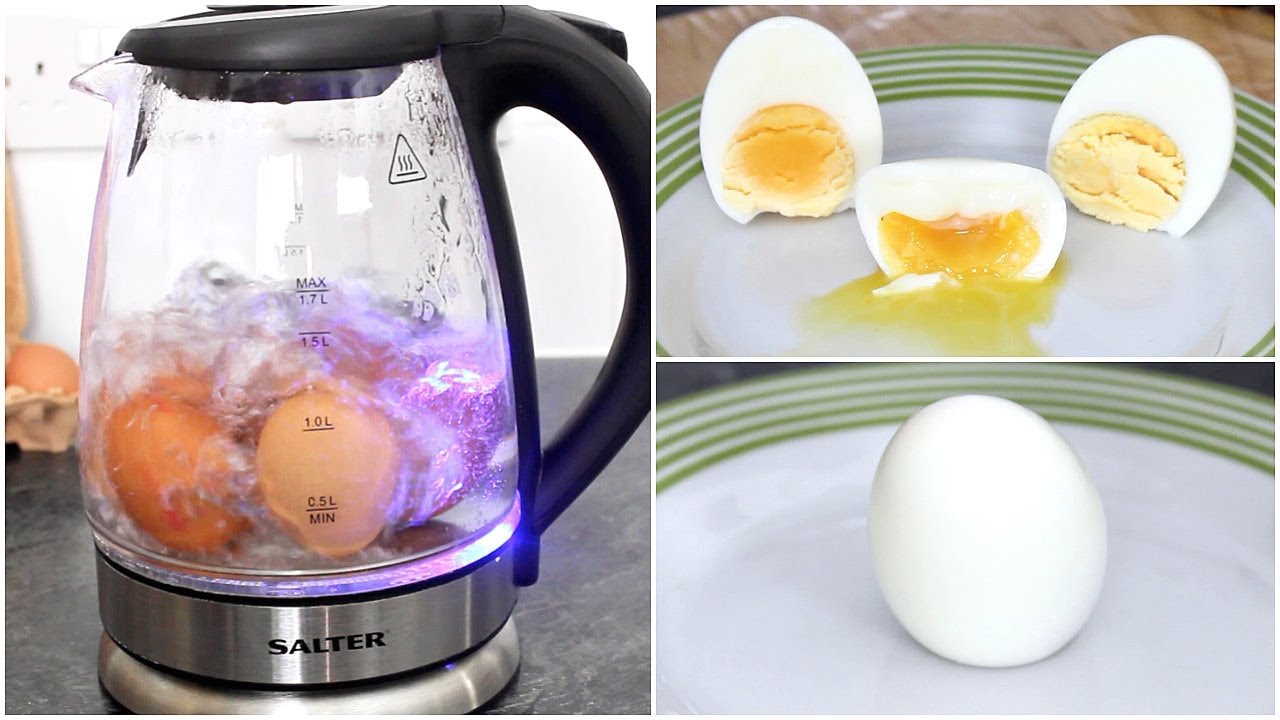
- Cooking time: After 2–3 cycles (about 10–12 minutes total), eggs should be hard-boiled. For soft-boiled, 1–2 cycles (6–8 minutes) may be enough.
- Remove eggs: Use tongs or a spoon. Eggs will be hot.
- Cool eggs: Place in cold water to stop cooking and make peeling easier.
Practical Tips
- Never use more eggs than your kettle can handle.
- Always supervise the process; kettles are not designed for food cooking.
- If your kettle has a “keep warm” feature, use it to maintain temperature.
Here’s a quick summary of timing:
| Egg Type | Boil Cycles | Total Time |
|---|---|---|
| Soft-Boiled | 1–2 | 6–8 min |
| Medium-Boiled | 2 | 8–10 min |
| Hard-Boiled | 2–3 | 10–12 min |
Comparing Electric Kettle Vs Traditional Pot
Boiling eggs in a kettle isn’t the same as using a pot. Here’s a direct comparison:
| Factor | Electric Kettle | Pot on Stove |
|---|---|---|
| Boiling Speed | Fast (3–5 min to boil water) | Medium (5–7 min) |
| Control | Limited—auto shut-off | Full control over heat |
| Capacity | Usually 1–4 eggs | Many eggs at once |
| Safety | Risk of damage if eggs crack | Designed for boiling food |
| Cleaning | Can be difficult | Easy—pots are food-safe |
Non-obvious Insights
Many beginners think boiling eggs in a kettle is just about heat. But:
- If an egg cracks, the egg white can stick to the heating element, making cleaning difficult and risking damage.
- Some kettles have sensors that can malfunction if food residue builds up.
Safety Concerns And Risks
Electric kettles are made for water—not food. Boiling eggs can cause problems:
- Cracked eggs: If eggs crack while boiling, the inside leaks out. This can coat the heating element.
- Damage to kettle: Food residue may cause the kettle to smell, malfunction, or even stop working.
- Plastic kettles: Hot water and eggs can cause plastic to warp or release chemicals. Always use metal kettles.
- Warranty issues: Many manufacturers warn against cooking anything except water. If your kettle breaks, warranty may not cover it.
Cleaning After Boiling Eggs
If you boil eggs and one cracks, cleaning is important. Here’s how:
- Unplug the kettle and let it cool.
- Remove any egg residue with a damp cloth.
- Fill the kettle with water and a little vinegar. Boil, then discard.
- Rinse several times.
Some kettles are harder to clean. If egg sticks to the heating element, avoid scraping—it can damage the kettle.
Why Boil Eggs In A Kettle? Practical Scenarios
Some people boil eggs in kettles for good reasons:
- No stove available: Dorm rooms, hotels, and hostels often limit cooking options.
- Travel: Travelers sometimes carry a small kettle for tea and quick meals.
- Emergency: When your stove fails or during a power outage (if you have a generator).
- Efficiency: Kettles boil water faster than most pots.
However, it’s not the best method for every situation. If you have a stove or microwave, use those for more reliable results.
Tips For Best Results
To improve your chances of success:
- Use room-temperature eggs. Cold eggs crack more easily.
- Place eggs in the kettle before adding water. They won’t hit the heating element directly.
- Don’t rush the process. Let eggs sit in hot water a few minutes after boiling for even cooking.
- Use gentle tongs, not metal forks, to avoid breaking eggs when removing.
Here’s a comparison of common mistakes and how to avoid them:
| Common Mistake | How to Avoid |
|---|---|
| Using cold eggs | Let eggs sit at room temperature first |
| Overcrowding the kettle | Boil only 2–4 eggs at a time |
| Not restarting kettle | Restart immediately after auto shut-off |
| Not cooling eggs | Place in cold water after boiling |
| Using plastic kettles | Choose metal kettles for safety |

Credit: www.wikihow.com
Egg Quality And Taste
Boiled eggs in a kettle can taste just as good as those from a pot—if cooked properly. But if an egg cracks, the flavor can change due to loss of egg white. Also, kettles aren’t designed for food, so repeated use may affect taste.
Some studies show boiled eggs keep about 13 grams of protein per serving, regardless of method. However, if the kettle isn’t clean, eggs may pick up unwanted smells.
Real-life Examples
Students often share stories about boiling eggs in kettles during exam periods. One student at the University of California reported using a kettle to cook eggs every morning for two weeks. She found:
- Hard-boiled eggs took about 11 minutes (three boil cycles).
- Cleaning was tricky if an egg cracked.
- Taste was nearly identical to pot-boiled eggs, but sometimes the shells had stains.
Another traveler in Europe used a travel kettle for breakfast eggs, finding it a “lifesaver” in hostels with no kitchen. He boiled two eggs at a time, using three cycles, and always cooled them in cold water.
Alternatives To Electric Kettle Egg Boiling
If you can’t use a kettle, there are other ways to boil eggs without a stove:
- Microwave: Place eggs in a microwave-safe bowl, cover with water, and cook for 6–8 minutes. But there’s a risk of explosion.
- Rice cooker: Many rice cookers have a steam basket. Place eggs in the basket, add water, and steam for 10–12 minutes.
- Immersion heater: Some travelers use an immersion heater in a cup of water with eggs. Not as safe or reliable.
- Hot plate: Small electric hot plates can boil water in a pot.
Each method has pros and cons. Kettle boiling is fast, but not always ideal.
Frequently Asked Questions
Can Boiling Eggs Damage My Electric Kettle?
Yes, especially if an egg cracks. The egg white can stick to the heating element or sensors, causing bad smells and possible malfunction. Always clean your kettle well after boiling eggs.
Is It Safe To Eat Eggs Boiled In A Kettle?
Usually, yes—if the kettle is clean and made of safe materials like stainless steel. Avoid boiling eggs in plastic kettles, as chemicals can leach into the water. Always cool eggs after boiling.
How Many Eggs Can I Boil At Once In A Kettle?
Most kettles can handle 2–4 eggs safely. Overcrowding increases the risk of cracking and uneven cooking. Always cover eggs fully with water and avoid stacking.
What Happens If An Egg Breaks While Boiling In The Kettle?
If an egg breaks, the contents can leak into the water and stick to the kettle’s heating element. This makes cleaning difficult and may damage the kettle. If this happens, unplug, cool, and clean thoroughly.
Are There Electric Kettles Made For Cooking Food?
Yes, some multi-purpose kettles are designed for boiling noodles, eggs, and other foods. They usually have removable baskets and easier cleaning. Check specifications before buying. For more details, see Wikipedia’s overview of electric kettles.
Boiling eggs in an electric kettle is possible—and sometimes very handy. But it’s not risk-free. Know your kettle, follow safety steps, and clean well afterward. For many, it’s a solution during emergencies or travel, but if you have a stove, stick with traditional boiling for best results.
With these tips, you can enjoy boiled eggs anywhere—just remember to use common sense and take care of your kettle.
Credit: www.youtube.com